

 English
 한국어
한국어 日本語
日本語 中文 (中国)


Side effects of braces in Vietnam are a topic of growing concern as more people choose orthodontic treatment to improve their smile and dental function. Braces are a modern orthodontic technique that uses appliances such as metal or ceramic brackets and clear aligners like Invisalign to move teeth into their correct positions. Although this method offers many aesthetic and functional benefits, it can also cause certain side effects. In this article, we will explore in detail the side effects of braces in Vietnam, from common issues to rare but serious complications, and how to minimize these risks.
Overview of braces
Braces are a popular and effective orthodontic solution used to correct misaligned teeth and bite problems that affect both appearance and oral health. Conditions such as overbite, underbite, crowded teeth, crooked teeth, or irregular alignment can all be significantly improved through orthodontic treatment.
From a technical perspective, braces work by applying continuous and controlled force through orthodontic appliances, including brackets, wires, or clear trays, to gradually move teeth into their ideal positions on the dental arch. For adults or older patients, the orthodontic process is generally similar to that for children. Dentists still rely on specialized tools to shift teeth, adjust bite alignment, and ensure the final result is both functional and aesthetically pleasing.
In reality, almost anyone with bite or alignment issues can consider getting braces, regardless of age. However, the effectiveness and comfort of treatment depend on individual oral conditions, bone structure, and overall dental health. This is why a thorough clinical examination and professional consultation are essential before starting orthodontic treatment.
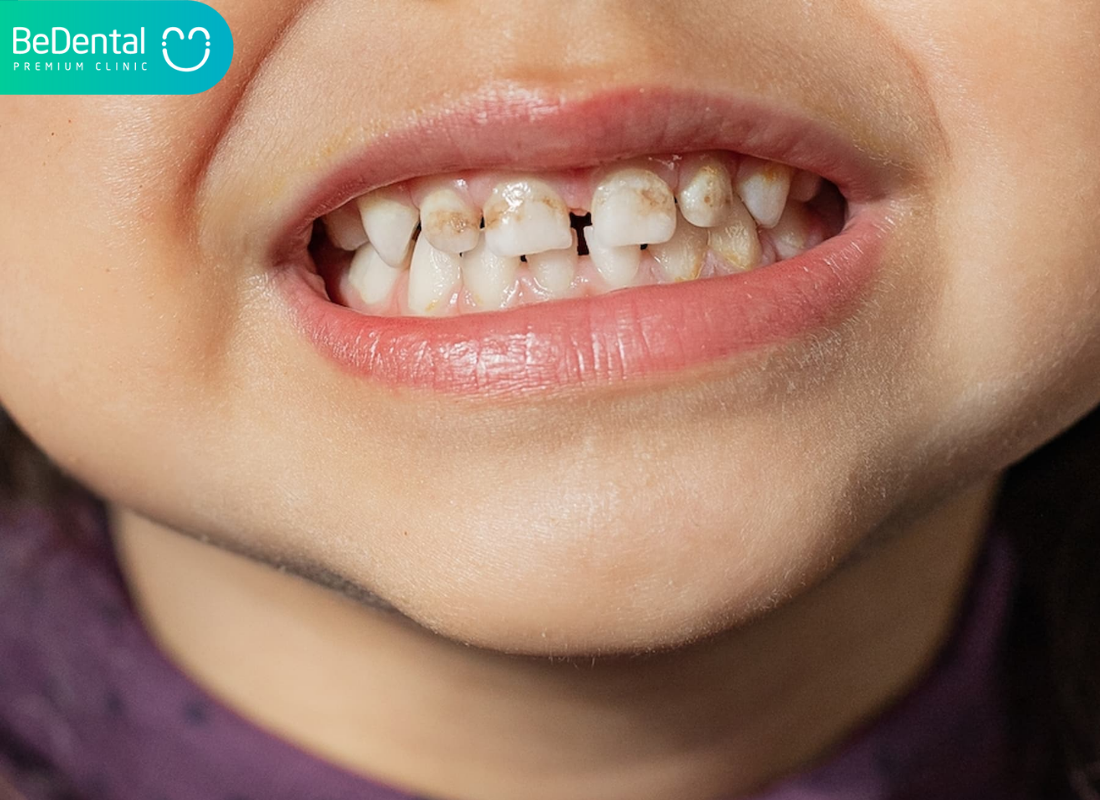
At BeDental, statistics from over 90% of dental check-ups and treatments show that tooth decay remains one of the most common problems, especially among children and patients wearing traditional metal braces. Approximately 30% of children visiting the clinic are diagnosed with cavities, reflecting the widespread prevalence of dental caries in this age group. For patients using conventional bracket systems, the rate of tooth decay is even higher, reaching around 38%, mainly due to difficulties in maintaining proper oral hygiene during orthodontic treatment.
In addition, enamel demineralization accounts for about 10% of all diagnosed cavities at BeDental. Other factors, such as gum inflammation, soft tissue damage, and various oral diseases, represent smaller proportions, at approximately 4% and 2% respectively.
See more: Orthodontic Treatment in Vietnam
Common side effects of braces in Vietnam
| Side Effect | Vietnam (Estimated Prevalence) | Developed Countries (Estimated Prevalence) | Key Reasons for Differences |
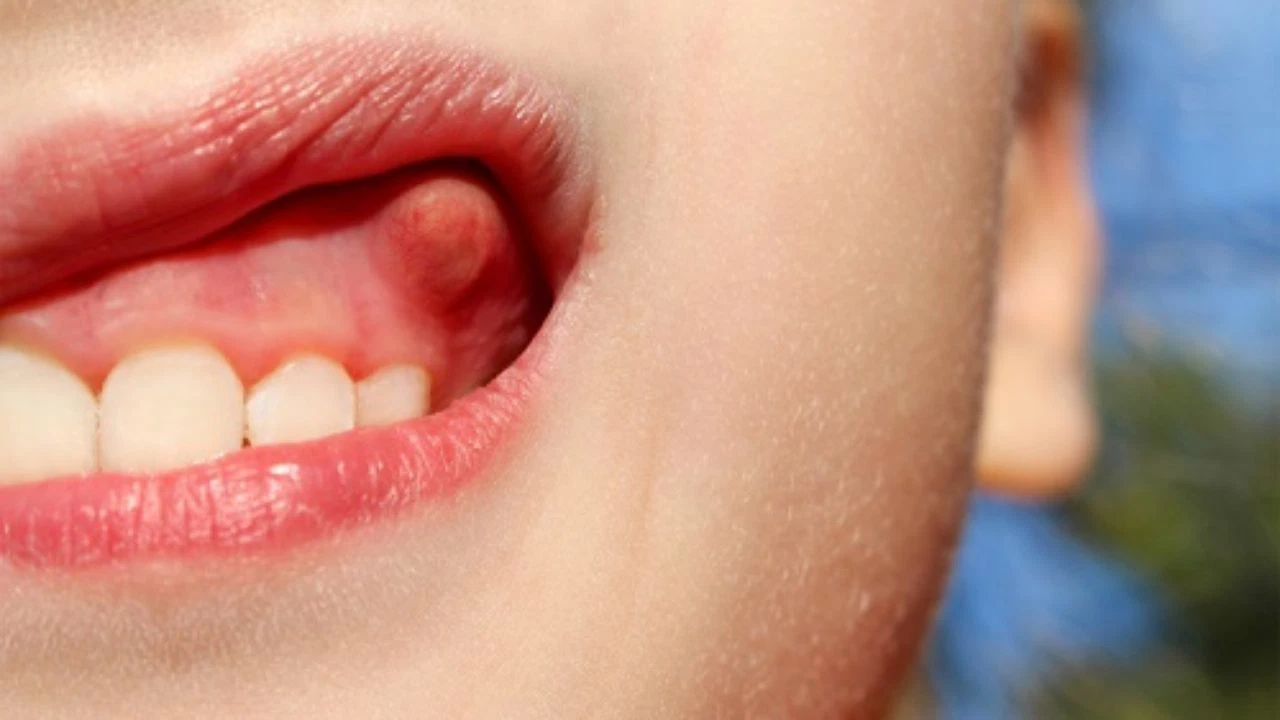
| Gingivitis (Gum Inflammation) | 30–47% of orthodontic patients show signs of gingival inflammation during treatment, particularly among adolescents with inconsistent oral hygiene. | 10–30% of patients show mild gingival inflammation during treatment. Severe inflammation is relatively uncommon due to strict hygiene protocols. | Lower patient compliance with oral hygiene instructions, less frequent professional cleaning during orthodontic treatment in Vietnam. |
| Tooth Decay (Caries) | Risk increases significantly during treatment; white spot lesions occur in ~25–35% of patients. Cavities are more common when interdental cleaning is neglected. | White spot lesions occur in ~15–25% of orthodontic patients. Cavities during treatment are relatively uncommon due to fluoride programs and preventive monitoring. | Preventive fluoride treatments and orthodontic hygiene education are more standardized in developed countries. |
| Enamel Demineralization | 23–50% prevalence reported among patients with fixed braces, particularly after 6–12 months without optimal hygiene. | 15–35% prevalence, depending on hygiene compliance and treatment duration. | Regular professional cleaning and preventive products (fluoride varnish, sealants) are more commonly used in developed systems. |
| Root Resorption | Mild root shortening occurs in 30–50% of patients; severe cases (≥4 mm) around 1–5%. | Similar rates: 20–40% mild resorption, 1–3% severe cases. | Mostly related to biological response to orthodontic force rather than healthcare system differences. |
| Ankylosis (Tooth Fusion to Bone) | Rare complication (<1%), typically detected through X-ray when teeth fail to move during treatment. | Also <1%, with early detection through routine radiographic monitoring. | Biological condition; similar globally, but earlier detection is more common in advanced orthodontic systems. |
| Alveolar Bone Loss / Structural Changes | Up to ~5% risk in patients with pre-existing periodontal disease; risk increases when gingivitis persists during treatment. | <3–5% in healthy patients undergoing monitored orthodontic care. | Early periodontal screening and periodontal maintenance are more standardized in developed countries. |
How to minimize the side effects of braces in Vietnam
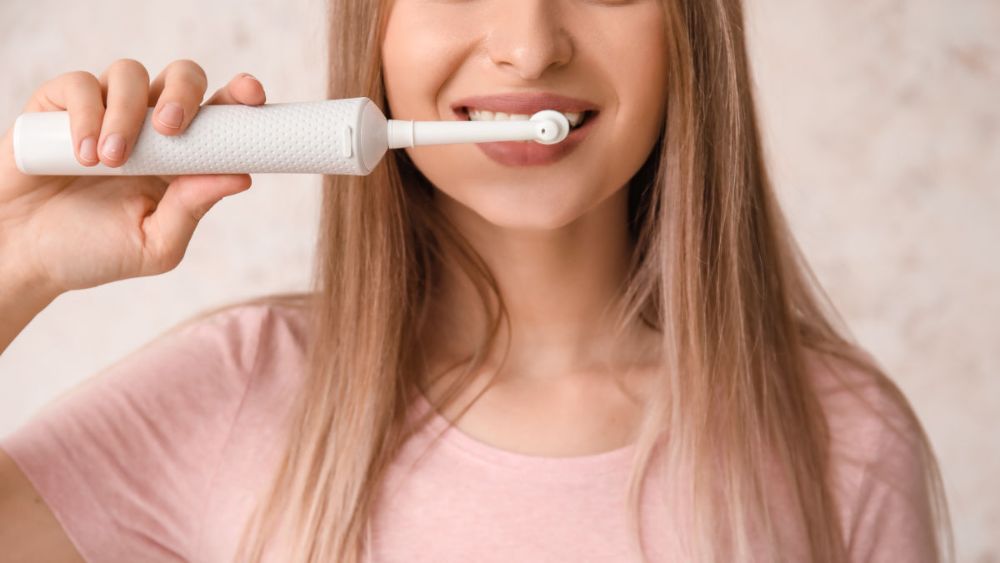
Although braces can significantly improve dental appearance and function, patients should only undergo treatment at reputable dental clinics and follow proper care routines. The following strategies can help minimize side effects during orthodontic treatment.
Choosing a reliable dental clinic is one of the most important factors. Patients should look for clinics with proper operating licenses, transparent pricing, experienced orthodontists, modern equipment, and positive feedback from previous patients. A trustworthy clinic ensures safe procedures, accurate diagnosis, and effective management of potential complications.
Proper oral hygiene plays a crucial role in reducing risks. Patients should use specialized toothbrushes designed for braces and combine them with interdental brushes, dental floss, or water flossers for optimal cleaning. Mouthwash containing fluoride is also recommended to prevent plaque accumulation and protect enamel.
Regular follow-up appointments allow dentists to monitor tooth movement, adjust appliances, and detect early signs of complications such as root resorption or bite problems. Timely intervention can prevent minor issues from becoming serious conditions.
Diet also affects orthodontic outcomes. Patients should limit sugary foods and sticky or chewy snacks that easily adhere to braces. Hard foods should be avoided as they may damage brackets or wires. A diet rich in calcium, vitamin D, and vitamin K2 supports strong enamel and healthy bones.
Monitoring unusual symptoms is equally important. Persistent gum swelling, loose teeth, severe pain, or abnormal discomfort should be reported to the dentist immediately. Periodic X-rays are especially useful for early detection of severe complications such as ankylosis or bone loss.
Why choose BeDental for orthodontic treatment
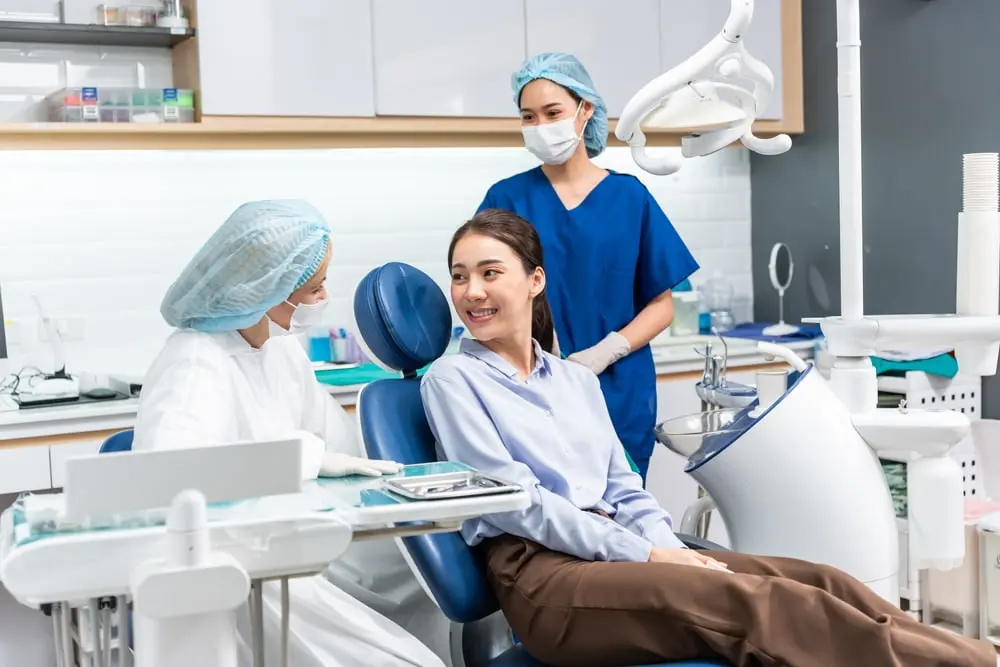
BeDental is recognized as one of the leading dental clinics in Vietnam, specializing in orthodontics. The clinic’s orthodontists have over 10 years of experience and are capable of managing even complex cases and complications.
The clinic operates under international standards, with sterile equipment and modern facilities that meet European hygiene requirements. Each patient undergoes a comprehensive multi-step process, including full oral examination, dental impressions, and personalized treatment planning based on individual conditions.
BeDental also offers long-term care programs, extended warranties, and 24/7 online consultation services. Financial support options such as 0% installment plans make orthodontic treatment accessible to a wide range of patients.
Among more than 1,000 successfully treated orthodontic cases at BeDental, the rate of serious complications such as root resorption or ankylosis is below 1%. Over 97% of patients report satisfaction with both aesthetic results and chewing function after treatment. Gum inflammation and tooth decay are well controlled thanks to strict follow-up schedules and comprehensive care programs.
Patient stories at BeDental
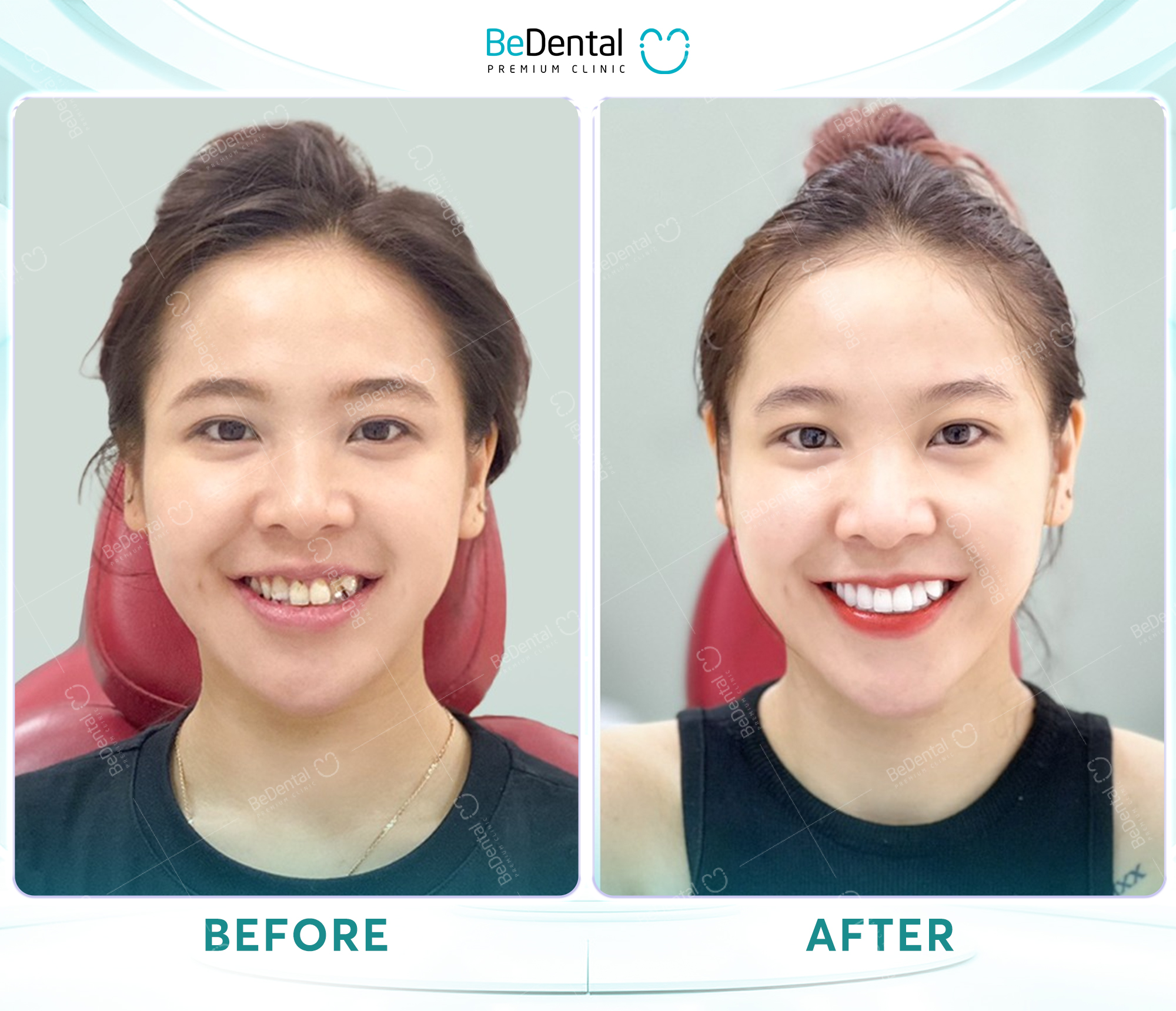
Case 1: Lan Anh – Regaining Confidence in Professional Communication
Lan Anh, a 24-year-old marketing executive in Hanoi, had struggled with crowded front teeth since high school. Although the condition did not cause severe pain, it affected her confidence whenever she needed to present ideas in meetings or speak with clients. She often avoided smiling in photos and felt uncomfortable during professional interactions.
After visiting BeDental for a consultation, Lan Anh underwent a full orthodontic evaluation including digital scans and bite analysis. The orthodontist recommended ceramic braces to improve both alignment and aesthetics during treatment. Over the course of 20 months, her teeth gradually moved into proper positions while regular follow-up visits ensured good oral hygiene and stable progress.
By the end of treatment, Lan Anh’s smile had significantly improved. She reported feeling much more confident in presentations and client meetings. According to BeDental’s patient survey results, over 97% of patients report satisfaction with both aesthetics and chewing function after treatment, and Lan Anh’s experience reflects this trend.
Case 2: Minh Tuấn – Solving Chewing Problems and Jaw Fatigue
Minh Tuấn, a 28-year-old engineer, sought orthodontic treatment because of uneven bite alignment that caused difficulty chewing and occasional jaw fatigue after meals. His lower front teeth were crowded, which also made cleaning difficult and increased the risk of plaque accumulation.
At BeDental, Tuấn received a comprehensive diagnosis and started treatment with traditional metal braces. Throughout the 18-month treatment period, he followed strict hygiene instructions and attended regular adjustment appointments. These follow-ups were important because orthodontic patients can experience increased plaque accumulation if oral hygiene is not properly maintained.
After completing treatment, Tuấn noticed a clear improvement in chewing efficiency and jaw comfort. The alignment of his teeth also made brushing and flossing easier, helping him maintain better oral health.
Conclusion
Side effects of braces in Vietnam are real and should not be ignored. While braces are an effective solution for improving dental alignment and confidence, they may cause complications such as gum inflammation, tooth decay, enamel demineralization, root resorption, ankylosis, and changes in jawbone structure if not performed correctly.
Choosing a reputable dental clinic like BeDental, maintaining proper oral hygiene, attending regular check-ups, and following professional advice are essential steps to minimize these risks. With the right approach, braces can deliver long-term benefits without compromising oral health.
Do not let the desire for a beautiful smile turn into an unnecessary problem. Visit BeDental for a comprehensive examination, professional consultation, and a safe, effective orthodontic treatment plan that ensures lasting results.
See more: Does getting braces hurt? Which stage is the most painful?
Tại BeDental, khách hàng có thể an tâm điều trị với dịch vụ bảo lãnh viện phí nha khoa nhanh chóng và tiện lợi. BeDental hiện liên kết với nhiều công ty bảo hiểm uy tín, hỗ trợ thanh toán trực tiếp chi phí các dịch vụ nha khoa như nhổ răng, trám răng, điều trị tủy, phục hình răng sứ... Quy trình linh hoạt, minh bạch giúp tiết kiệm thời gian và tối ưu chi phí. Hãy liên hệ BeDental để được tư vấn chi tiết và tận hưởng trải nghiệm chăm sóc răng miệng chuyên nghiệp, không lo gánh nặng tài chính.
🔹 Các đơn vị nha khoa chấp nhận bảo lãnh bao gồm : Hùng Vương Insurance, Bảo Long Insurance, BSH (Bảo hiểm BSH), FWD Insurance Cathay Life Fubon Insurance, Tokio Marine Insurance Group VNI (Bảo hiểm Hàng không), HD Insurance MSIG AAA Insurance PTI (Bảo hiểm Bưu điện), BIDV MetLife, PJICO, Techcom, Insurance, AIA, Dai-ichi Life MIC GIC DBV Insurance VBI (Bảo hiểm VietinBank)
🔹 Các công ty bảo hiểm BeDental có thể xuất hóa đơn: Manulife Dai-ichi Life Prudential AIA Hanwha Life PVI VCLI (Bảo hiểm nhân thọ Vietcombank - Cardif) BIC (Bảo hiểm BIDV), Bảo Việt Insurance và PVI