

 English
 한국어
한국어 日本語
日本語 中文 (中国)


Should I get dentures in Vietnam? Tooth loss can significantly affect both oral health and quality of life. Missing teeth may make it difficult to chew properly, speak clearly, or smile with confidence. Dentures are one of the most common and accessible solutions for replacing missing teeth, helping restore both function and appearance.
In recent years, Vietnam has become an increasingly attractive destination for dental treatments, including dentures. Many patients—both local and international—consider Vietnam for dental care because of affordable prices, experienced dentists, and modern dental clinics.
If you are wondering whether getting dentures in Vietnam is the right choice, it is helpful to understand the types of dentures available, treatment process, cost considerations, and the advantages of receiving treatment in the country.
What Are Dentures?
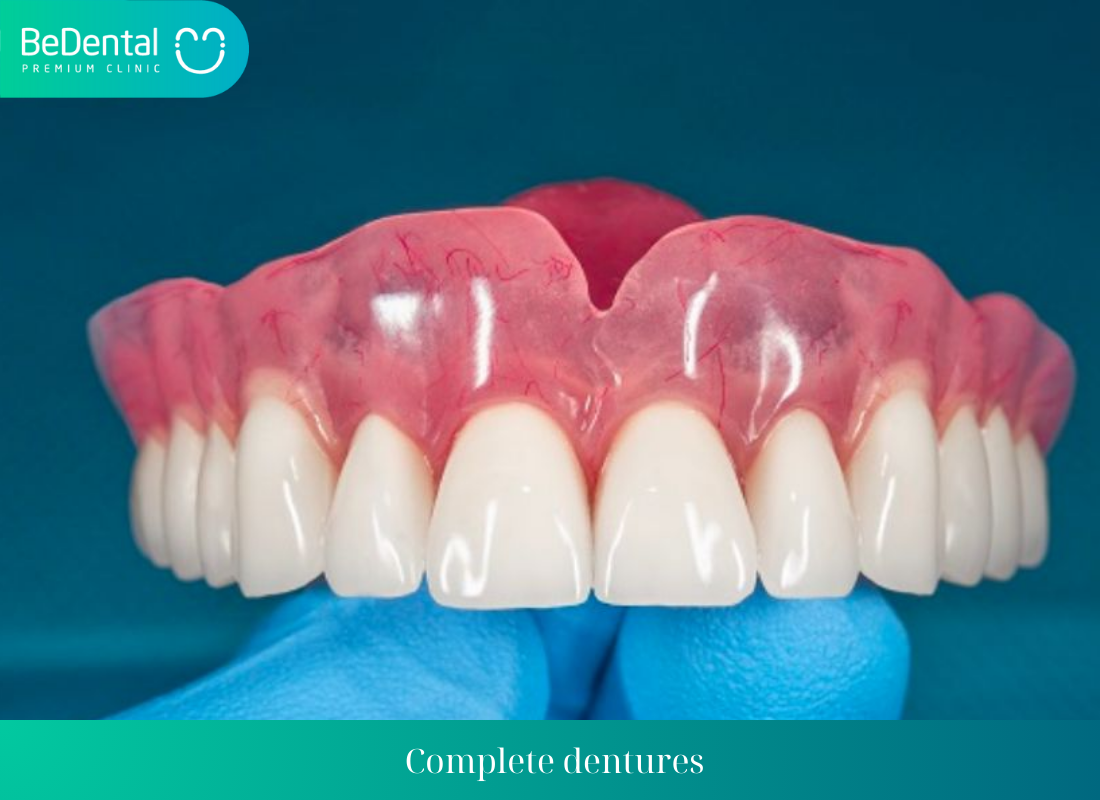
Dentures are removable dental prosthetic devices designed to replace missing teeth and surrounding tissues. They are custom-made to fit the patient’s mouth and help restore normal oral functions such as chewing and speaking.
Dentures are typically recommended for patients who have lost multiple teeth or all of their teeth due to conditions such as:
- Severe tooth decay
- Gum disease (periodontal disease)
- Dental trauma or injury
- Aging and natural tooth loss
Modern dentures are designed to look natural and comfortable, allowing patients to regain both function and confidence.
See more: Does getting braces hurt? Which stage is the most painful?
Types of Dentures Available in Vietnam
Dental clinics in Vietnam offer several types of dentures depending on the patient’s needs and oral condition.
| Denture Type | Description | Suitable For | Main Benefits | Limitations | Popularity at BeDental* |
| Full Dentures (Complete Dentures) | Removable dentures designed to replace all teeth in the upper or lower jaw. They rest directly on the gums. | Patients who have lost all teeth in one or both arches. | Restore chewing ability, improve facial support and lip structure, enhance smile appearance. | May feel less stable than other options and require adjustment over time. | ~25–30% of denture patients |
| Partial Dentures | Removable prosthetic teeth attached to a metal or acrylic framework that connects to remaining natural teeth. | Patients who still have some healthy natural teeth. | Prevents remaining teeth from shifting, improves chewing efficiency, and restores smile aesthetics. | Requires healthy supporting teeth and may need periodic adjustments. | ~50–60% of denture patients (most common) |
| Implant-Supported Dentures | Dentures secured by dental implants placed in the jawbone, providing strong anchorage. | Patients missing many teeth who want a more stable long-term solution. | Greater stability, improved chewing strength, and reduced denture movement. | Higher cost and requires implant surgery. | ~15–20% of denture patients |
The Denture Treatment Process in Vietnam
Getting dentures in Vietnam typically involves several carefully planned steps to ensure the dentures fit comfortably, function properly, and look natural. The process usually takes a few days to about two weeks, depending on the type of denture, the patient’s oral condition, and whether additional procedures are required.
The following table outlines the typical treatment stages along with the estimated time required for each step.
| Treatment Step | What Happens During the Step | Estimated Time |
| Initial Consultation | The dentist evaluates the patient’s oral health and determines whether dentures are the most suitable solution. This stage may include an oral examination, X-rays or digital scans, and a discussion of treatment options such as full dentures, partial dentures, or implant-supported dentures. The dentist also explains the treatment plan and expected timeline. | 30–60 minutes |
| Dental Impressions | The dentist takes precise impressions or digital scans of the gums and any remaining teeth. These impressions capture the exact shape of the mouth, allowing the dental laboratory to create dentures that fit comfortably and align properly with the bite. | 30–45 minutes |
| Denture Fabrication | The impressions are sent to a dental laboratory where technicians design and fabricate the dentures. In many modern clinics, digital design technologies such as CAD/CAM systems are used to improve accuracy, aesthetics, and durability. | 3–7 days |
| Fitting and Adjustments | Once the dentures are completed, the dentist places them in the patient’s mouth and checks the fit, bite alignment, and comfort. Minor adjustments may be made to ensure the dentures feel stable, natural, and comfortable during speaking and chewing. | 30–60 minutes |
| Follow-Up Adjustment (if needed) | After wearing the dentures for a few days, patients may return for a follow-up visit to refine the fit and relieve any pressure points on the gums. This helps ensure long-term comfort and proper function. | 15–30 minutes |
In many dental clinics in Vietnam, the entire denture treatment process can be completed within 5–10 days, especially for standard full or partial dentures. More complex cases, such as implant-supported dentures, may require a longer treatment timeline due to implant placement and healing periods.
Cost of Dentures in Vietnam
One of the biggest advantages of receiving dental treatment in Vietnam is the significantly lower cost compared with many Western countries.
| Type of Denture | Average Cost in Vietnam | Average Cost in Western Countries | Estimated Savings |
| Full dentures | $300 – $800 | $1,500 – $3,500 | 60–80% cheaper |
| Partial dentures | $200 – $600 | $1,000 – $2,500 | 60–75% cheaper |
| Implant-supported dentures | $1,500 – $4,000 | $6,000 – $15,000 | 50–75% cheaper |
The lower cost is largely due to lower operational expenses and strong competition among dental clinics, while many clinics still use modern equipment and internationally recognized materials.
See more: Braces near me in Vietnam
Should I Get Dentures in Vietnam? Advantages of Getting Dentures in Vietnam
There are several reasons why patients choose Vietnam for denture treatment.
Affordable Dental Care
One of the strongest advantages of getting dentures in Vietnam is the cost. Denture treatment in developed countries can be very expensive, especially in private clinics. In the United States, a full set of dentures can range from around USD 600 to USD 8,000, depending on the material quality and service level. Mid-range dentures alone often cost USD 1,000 to USD 3,000, while premium dentures may reach USD 4,000 to USD 8,000.
By contrast, dental treatment in Vietnam is widely known for offering substantial savings compared with countries such as Australia and other Western markets. International dental tourism platforms consistently highlight Vietnam as a destination where patients can access high-quality treatment at a much lower price.
For many patients, this means they can receive dentures in Vietnam for a fraction of what they might pay at home, while still benefiting from professional care and modern techniques.
Experienced Dentists
Another important benefit is the growing quality of Vietnam’s dental workforce. Many dentists in major cities such as Hanoi and Ho Chi Minh City have extensive clinical experience in restorative and prosthetic dentistry. In leading clinics, dentists are often trained in updated treatment methods and use digital workflows to improve denture design, fit, and comfort.
For patients, this experience matters because dentures require careful assessment of gum condition, bite alignment, facial support, and long-term comfort. A skilled dentist can help ensure the dentures are not only functional, but also natural-looking and comfortable to wear.
Modern Dental Clinics
Vietnam’s top dental clinics are increasingly equipped with advanced technologies that improve both accuracy and patient experience. These may include:
- Digital oral scanning
- CAD/CAM denture design
- High-precision impression systems
- Modern sterilization protocols
- Faster laboratory workflows
These technologies can reduce errors, shorten production time, and create dentures that fit more accurately. For international patients especially, this is a major advantage because fewer adjustments may be needed after the dentures are delivered.
Short Waiting Times
In many developed countries, patients may face delays in booking consultations or completing prosthetic treatment, especially if they rely on public systems or busy specialist clinics. In Vietnam, appointments in private dental clinics are generally easier to arrange and treatment can often begin much sooner. This allows patients to complete consultations, impressions, fitting, and follow-up adjustments more efficiently.
Shorter waiting times are especially important for denture patients because missing teeth can affect:
- chewing ability
- speech clarity
- facial appearance
- self-confidence in daily life
Faster access to treatment means patients can restore function and aesthetics sooner.
See more: Orthodontic Treatment in Vietnam
Why Choose BeDental for Dentures in Vietnam?
Specialized Prosthodontic Expertise at BeDental
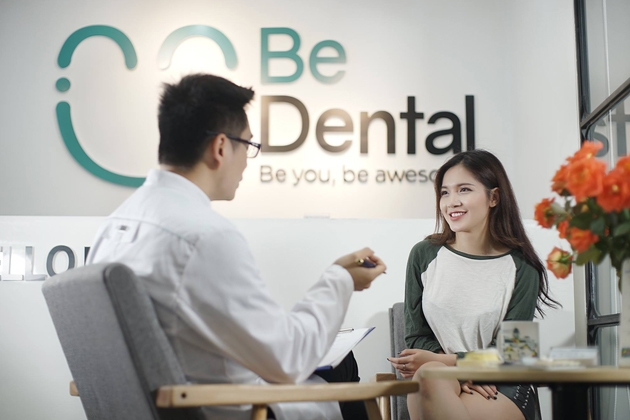
Denture treatment at BeDental is performed by dentists experienced in prosthodontics and restorative dentistry, focusing on restoring both oral function and natural aesthetics for patients with missing teeth. Each denture treatment plan is carefully customized based on several factors, including the patient’s oral health condition, number of missing teeth, jawbone structure, bite relationship, and facial proportions.
Tooth loss remains a common global oral health issue. Studies estimate that more than 30% of adults aged 65 and older experience significant tooth loss, often requiring prosthetic solutions such as dentures. At BeDental, the clinical team is trained to manage a wide range of restorative cases, from replacing a few missing teeth with partial dentures to restoring entire dental arches using modern prosthetic techniques.
According to internal treatment statistics from BeDental, the clinic performs over 300–400 denture restorations annually, with partial dentures accounting for approximately 55% of cases, full dentures about 25–30%, and implant-supported dentures around 15–20%. These numbers reflect the diverse treatment needs of patients and the clinic’s experience in managing different levels of tooth loss.
Transparent Pricing and Long-Term Treatment Support
One of the reasons many patients consider dentures in Vietnam is the significant cost advantage compared with Western countries. BeDental follows a transparent pricing model that allows patients to clearly understand the expected cost of treatment before beginning any procedure.
During the consultation, patients receive detailed information regarding:
- The recommended type of denture
- The estimated treatment timeline
- The projected cost and available alternatives
This transparent approach helps patients make well-informed decisions about their treatment options.
To further support accessibility, BeDental also offers interest-free installment plans, making denture treatment more manageable for a wide range of patients, including retirees, working professionals, and individuals seeking affordable tooth replacement solutions.
After dentures are fitted, the clinic provides structured follow-up care and maintenance guidance to ensure long-term comfort and functionality. Patients receive professional advice on:
- Proper denture cleaning and care
- Adjustment visits if pressure points occur
- Periodic oral health examinations
Internal patient satisfaction surveys at BeDental indicate that over 90% of denture patients report improved chewing ability and overall comfort within the first month of use, demonstrating the effectiveness of properly fitted prosthetic restorations.
Dedicated Support for International Patients

Vietnam has become an increasingly popular destination for dental tourism, largely due to its combination of affordable treatment costs and improving clinical standards. BeDental supports international patients through services designed to make the treatment journey smooth and convenient.
These services include:
- Online consultations before traveling
- English-speaking dental staff and treatment coordinators
- Assistance with treatment planning and appointment scheduling
- Clear communication throughout each stage of treatment
Flexible appointment scheduling allows international patients to coordinate dental visits with their travel plans while maintaining continuity of care.
Based on BeDental’s internal records, approximately 20–25% of denture patients are international visitors or overseas Vietnamese, reflecting the growing demand for cross-border dental services. With a structured coordination system and experienced dental team, BeDental aims to provide predictable treatment outcomes and a comfortable experience for both local and international patients seeking dentures in Vietnam.
Conclusion
Dentures remain a reliable and accessible solution for replacing missing teeth and restoring oral function. With affordable pricing, experienced dental professionals, and modern clinics, Vietnam has become an increasingly popular destination for denture treatment.
Whether you need full dentures, partial dentures, or implant-supported dentures, receiving treatment in Vietnam can provide a practical and cost-effective way to regain a healthy smile and improve overall quality of life.