

 English
 한국어
한국어 日本語
日本語 中文 (中国)


Revision Rhinoplasty in Vietnam: In recent years, Vietnam has become an increasingly attractive destination for revision rhinoplasty thanks to its experienced surgeons, modern aesthetic clinics, and competitive treatment costs. Many specialists in Vietnam have extensive experience working with Asian nasal anatomy, which often involves unique characteristics such as lower nasal bridges and thicker skin. With advanced surgical techniques and growing medical tourism services, Vietnam offers international patients access to safe, high-quality corrective rhinoplasty procedures.
I. Definition & Common Reasons for Revision Rhinoplasty- Revision Rhinoplasty in Vietnam:
1. What Is Revision Rhinoplasty?
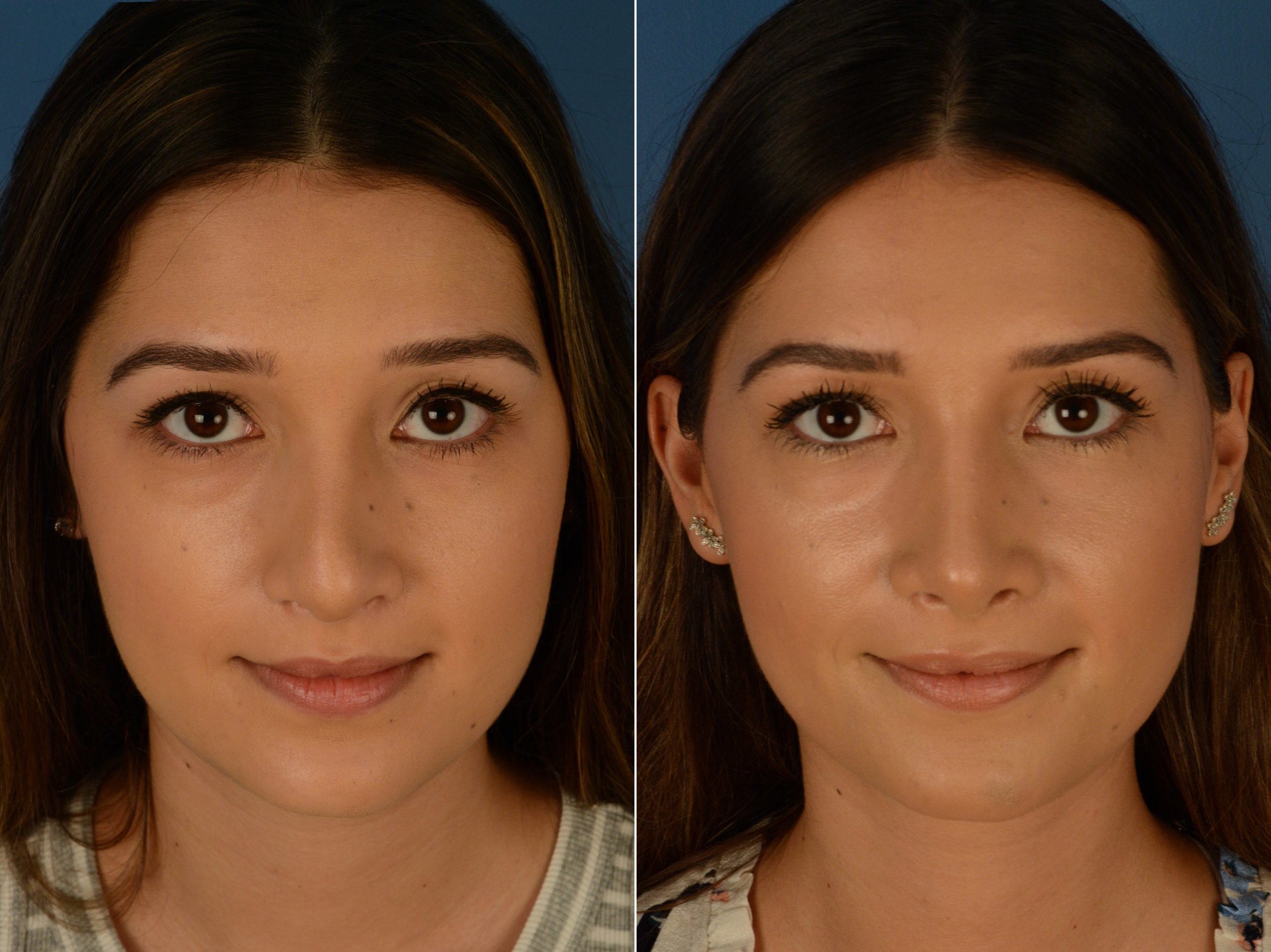
Revision rhinoplasty, also known as secondary rhinoplasty, is a corrective surgical procedure performed after a previous nose surgery to improve aesthetic appearance or restore nasal function. Compared with primary rhinoplasty, revision procedures are generally more complex because surgeons must work with altered nasal structures, scar tissue, or previously placed implants. Clinical data in aesthetic surgery indicates that about 10–15% of patients who undergo primary rhinoplasty eventually seek revision surgery to correct unsatisfactory results or complications.
>>> See more: Eye Bag Removal in Vietnam: Eliminate Tired-Looking Eyes Effectively
2. Unsatisfactory Aesthetic Results
One of the most common reasons patients consider revision rhinoplasty is dissatisfaction with the cosmetic outcome of the initial surgery. Studies in cosmetic surgery clinics suggest that around 60–70% of revision cases are related to aesthetic concerns. These issues may include a crooked or asymmetrical nose, an overly high or unnatural nasal bridge, or an irregular nasal tip shape that does not match the patient’s facial proportions. Even small structural irregularities can significantly affect facial harmony, which is why patients often seek corrective procedures.
3. Structural Complications After Primary Surgery
Some patients require revision surgery due to structural problems that develop after the first rhinoplasty. These complications can include implant displacement or implant visibility, cartilage warping or collapse, or excessive scar tissue formation that distorts the nasal shape. Research in reconstructive rhinoplasty indicates that structural complications account for roughly 20–30% of revision rhinoplasty cases, particularly in procedures involving implants or insufficient structural support.
4. Functional Problems and Breathing Difficulties
In certain cases, the primary rhinoplasty may unintentionally affect the internal nasal structure, leading to functional problems such as breathing difficulties or nasal obstruction. These issues can occur when the nasal airway becomes narrowed or when structural support inside the nose is weakened. Medical studies estimate that about 10–20% of revision rhinoplasty patients report functional breathing concerns, making functional correction an important objective in secondary nose surgery.
Overall, revision rhinoplasty aims not only to improve the appearance of the nose but also to restore proper nasal structure and breathing function, helping patients achieve more natural and long-lasting results.
II. Advanced Techniques Used in Revision Rhinoplasty
Revision rhinoplasty often requires more advanced surgical techniques than primary rhinoplasty because surgeons must correct previous alterations to the nasal structure while restoring both function and aesthetics. According to reconstructive surgery studies, over 70% of revision rhinoplasty procedures involve structural reconstruction techniques to rebuild nasal support and improve long-term stability.
| Technique | Description | Key Advantages | Typical Usage in Revision Cases |
| Autologous Cartilage Reconstruction | Uses the patient’s own cartilage from the rib, ear, or nasal septum to rebuild the nasal structure. | High biocompatibility, strong structural support, natural-looking results. | Common in complex revisions; rib cartilage used in 40–50% of major reconstruction cases. |
| Implant Removal and Replacement | Removal of problematic implants followed by replacement with a new implant or cartilage graft. | Corrects implant displacement, visibility, or infection; improves nasal contour. | Required in 25–35% of revision rhinoplasty procedures. |
| Structural Rhinoplasty Techniques | Focuses on rebuilding the internal nasal framework using cartilage grafts for stability. | Provides long-term structural support and more predictable outcomes. | Applied in about 60% of complex revision rhinoplasty cases. |
| Scar Tissue Management | Careful removal, release, or repositioning of scar tissue formed after previous surgery. | Improves nasal contour and allows better healing after revision surgery. | Scar tissue present in 40–50% of revision patients. |
1. Autologous Cartilage Reconstruction
One of the most widely used techniques in revision rhinoplasty is autologous cartilage reconstruction, which uses cartilage from the patient’s own body—typically the rib, ear, or nasal septum. This approach provides strong structural support and reduces the risk of rejection because the tissue is biologically compatible. In complex revision cases, rib cartilage is used in approximately 40–50% of procedures, as it provides sufficient strength and volume to rebuild the nasal framework.
2. Implant Removal and Replacement
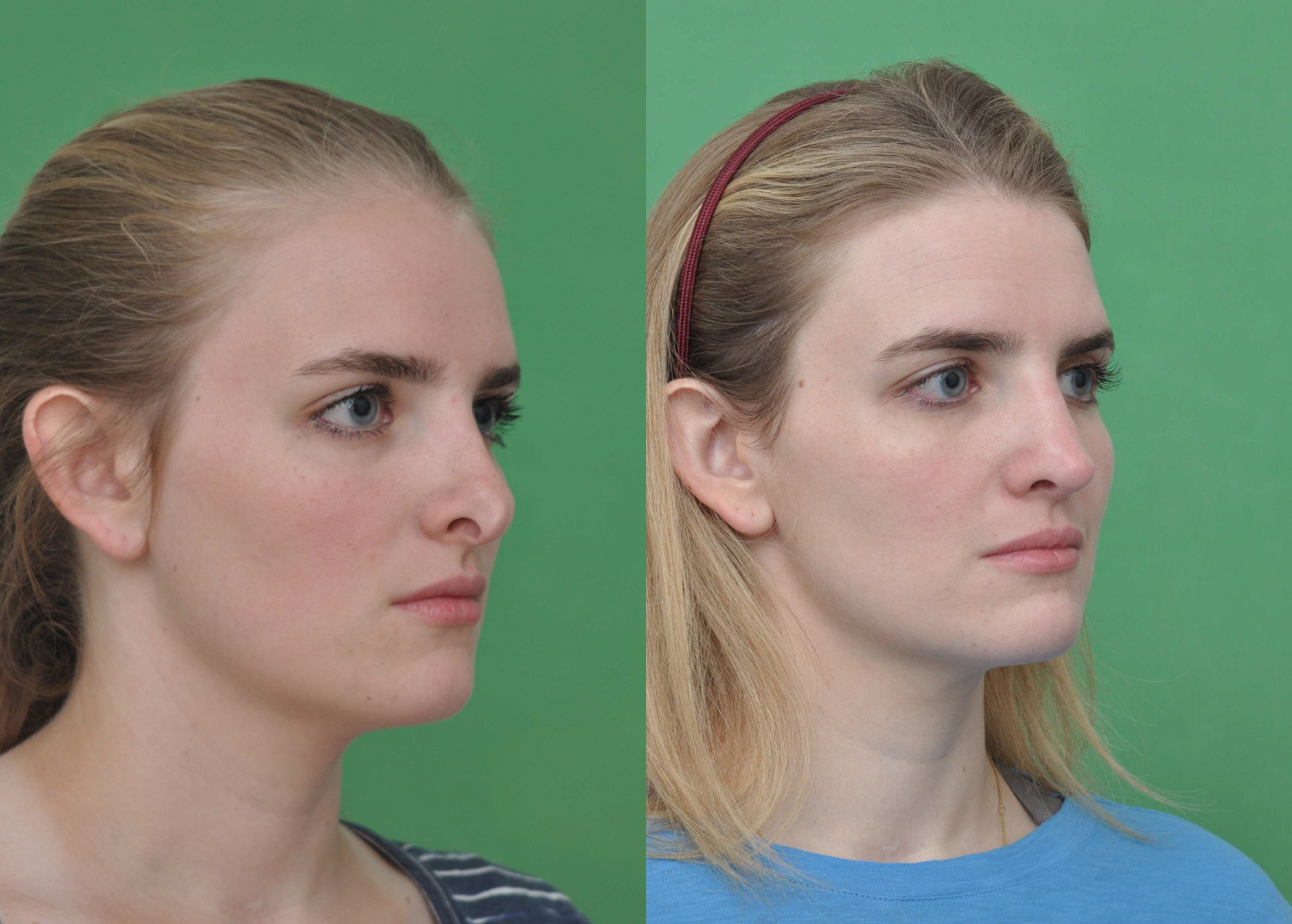
In some cases, revision rhinoplasty is necessary to correct complications related to previous implants, such as implant displacement, visibility, infection, or unnatural contour. The surgeon may remove the existing implant and replace it with a more suitable material or combine it with cartilage grafts to achieve a more natural result. Clinical reports suggest that around 25–35% of revision rhinoplasty surgeries involve implant removal or adjustment.
3. Structural Rhinoplasty Techniques
Structural rhinoplasty focuses on rebuilding the internal nasal framework to improve both stability and long-term aesthetic outcomes. Instead of simply modifying the surface appearance, surgeons reinforce key support structures using cartilage grafts and specialized techniques. Research indicates that structural reinforcement techniques are used in nearly 60% of complex revision rhinoplasty cases, particularly when the nose has lost support after previous surgery.
4. Scar Tissue Management
Scar tissue is a common challenge in revision rhinoplasty because previous surgery often causes fibrosis and thickened tissue around the nose. Surgeons must carefully remove, release, or reposition this scar tissue to restore natural contours and allow proper healing. Studies show that excessive scar tissue is present in up to 50% of revision rhinoplasty patients, making careful scar management a critical part of achieving smooth and natural-looking results.
III. Revision Rhinoplasty Procedure and Recovery in Vietnam
The revision rhinoplasty process in Vietnam typically begins with a comprehensive consultation and nasal evaluation, where surgeons carefully assess the patient’s nasal structure, skin condition, breathing function, and previous surgical changes. Because revision cases are more complex, specialists often use detailed facial analysis to develop a customized surgical plan that addresses both aesthetic concerns and structural stability. Studies in cosmetic surgery show that over 80% of successful revision outcomes depend on thorough preoperative assessment and planning.
The surgical procedure itself usually takes about 90–180 minutes, depending on the complexity of the correction and whether cartilage grafts or implant adjustments are required. After surgery, patients may experience swelling, bruising, and mild discomfort during the initial healing stage. In most cases, the initial recovery period lasts around 10–21 days, during which swelling gradually decreases and the nose begins to stabilize. However, like most rhinoplasty procedures, the final nasal shape may continue to refine over several months as tissues fully heal and adapt to the reconstructed nasal framework.
IV. Why Vietnam Is Becoming a Popular Destination for Revision Rhinoplasty
In recent years, Vietnam has gained increasing recognition as a destination for revision rhinoplasty due to its affordable treatment costs, experienced surgeons, and modern medical facilities. One of the main reasons international patients travel to Vietnam is the significant cost advantage compared with countries such as the United States, United Kingdom, Australia, and South Korea. The average cost of rhinoplasty in Vietnam typically ranges from $1,500 to $3,500, while revision rhinoplasty can range from about $1,700 to $3,600, depending on the complexity of the case.
In contrast, similar procedures may cost $8,000–$15,000 in the United States, £7,000–£12,000 in the United Kingdom, $12,000–$20,000 in Australia, and around $4,500–$7,000 in South Korea. This means patients can often save 50–75% of treatment costs by undergoing surgery in Vietnam.
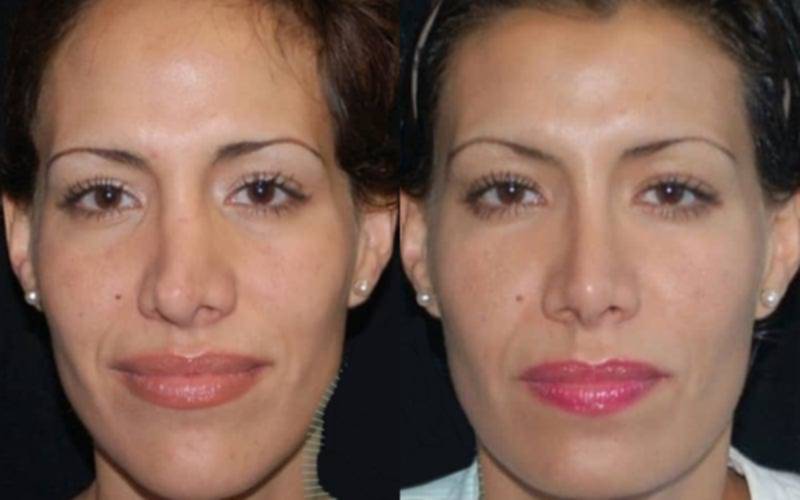
Beyond pricing, Vietnam is also known for having surgeons experienced in Asian nasal anatomy, which is especially important for revision rhinoplasty cases involving low nasal bridges, thick skin, or implant complications. Major cities such as Hanoi and Ho Chi Minh City now offer modern cosmetic surgery clinics equipped with advanced technology and international safety protocols, further strengthening the country’s reputation in aesthetic medicine. In addition, the country’s rapidly growing medical tourism industry provides international patients with services such as online consultations, travel support, and post-surgery recovery programs.
Revision Rhinoplasty Cost Comparison (Estimated)
| Country | Average Cost of Revision Rhinoplasty | Cost Compared to Vietnam |
| Vietnam | $1,700 – $3,600 | Baseline |
| South Korea | $4,500 – $7,000 | ~2× higher |
| United States | $8,000 – $15,000 | ~3–5× higher |
| United Kingdom | $9,000 – $15,000 | ~3–4× higher |
| Australia | $12,000 – $20,000 | ~4–6× higher |
These advantages—lower costs, experienced surgeons, modern facilities, and growing medical tourism infrastructure—have positioned Vietnam as an increasingly competitive destination for patients seeking safe and effective revision rhinoplasty.
V. Why Choose BeDental Vietnam for Revision Rhinoplasty
Selecting the right clinic is especially important for revision rhinoplasty, as corrective procedures require higher surgical expertise and careful structural reconstruction. BeDental Vietnam works with experienced rhinoplasty and revision specialists who have handled numerous complex nasal correction cases. In revision rhinoplasty, surgeon experience is a key factor, and clinical observations suggest that over 70% of successful revision outcomes are strongly influenced by the surgeon’s expertise and surgical planning.

>>> See more: Canthoplasty in Vietnam: Reshape and Enhance Eye Definition
The clinic is equipped with advanced surgical technology and sterile operating facilities designed to support precision and safety during complex procedures. Patients undergo personalized consultation and treatment planning, including detailed facial and nasal analysis to determine the most appropriate reconstruction technique—whether cartilage grafting, implant correction, or structural rhinoplasty. This individualized approach helps improve both aesthetic balance and long-term structural stability.
Another advantage is transparent and competitive pricing, which is often 50–70% lower than comparable revision rhinoplasty procedures in Western countries while maintaining modern treatment standards. In addition, BeDental Vietnam offers dedicated support services for international patients, including online consultations, treatment coordination, and post-procedure follow-up. These services help create a smoother and more comfortable medical travel experience for patients seeking high-quality revision rhinoplasty in Vietnam.
Conclusion
Revision rhinoplasty is a specialized procedure that requires advanced surgical skills, careful planning, and personalized treatment strategies. By addressing issues such as asymmetry, implant complications, scar tissue, or breathing problems, revision surgery can significantly improve both the appearance and function of the nose. Modern techniques—including cartilage reconstruction, structural rhinoplasty, and scar tissue management—allow surgeons to achieve more stable and natural-looking outcomes.
With its combination of skilled surgeons, modern medical facilities, and treatment costs that can be 50–70% lower than in many Western countries, Vietnam is becoming a preferred destination for patients seeking corrective nose surgery. Choosing a reputable clinic such as BeDental Vietnam and undergoing a thorough consultation can help patients achieve safer procedures, improved nasal function, and long-lasting aesthetic results.
BeDental: Trusted Dental and Aesthetic Clinic for International Patients
Founded in 2012, BeDental is one of the leading brands in dentistry and cosmetic surgery in Vietnam, trusted by many international patients. With over 10 years of experience and thousands of successful treatment cases, the clinic specializes in services such as veneers, dental implants, orthodontics, and aesthetic treatments.
Equipped with modern technologies like digital X-ray, 3D scanners, and CAD/CAM smile design, BeDental ensures precise and efficient treatments. Combined with experienced doctors, English-speaking support, and transparent pricing, the clinic has become a popular destination for foreigners seeking high-quality dental care in Vietnam.
 TS.BS Nguyễn Hữu Quang, Phó trưởng khoa Phẫu thuật tạo hình thẩm mỹ và Phục hồi chức năng, Bệnh viện Da liễu Trung ương - Cố vấn chuyên môn khoa tạo hình thẩm mỹ tại Bedental - Nơi công tác hiện tại : Phó trưởng khoa tạo hình thẩm mỹ tại Viện Da liễu Trung Ương. Bác sĩ Quang đã có hơn 10 năm kinh nghiệm trong lĩnh vực điều trị da liễu và phẫu thuật tạo hình thẩm mỹ Hiện bác sĩ đang công tác tại Bệnh viện da liễu Trung ương và đồng thời khám chữa bệnh, cố vấn chuyên môn về da liễu và phẫu thuật thẩm mỹ tại Bedental