

 English
 한국어
한국어 日本語
日本語 中文 (中国)


Non Surgical Nose Correction in Vietnam: In recent years, Vietnam has emerged as a growing destination for non-surgical cosmetic procedures due to its affordable treatment costs, experienced practitioners, and modern aesthetic clinics. Compared with countries such as the United States, the United Kingdom, and South Korea, patients can often receive similar treatments in Vietnam at 50–80% lower costs. As a result, both local and international patients are increasingly choosing Vietnam for safe, accessible, and high-quality aesthetic treatments.
I. Introduction to Non Surgical Nose Correction- Non Surgical Nose Correction in Vietnam
1. Definition of Non-Surgical Nose Correction
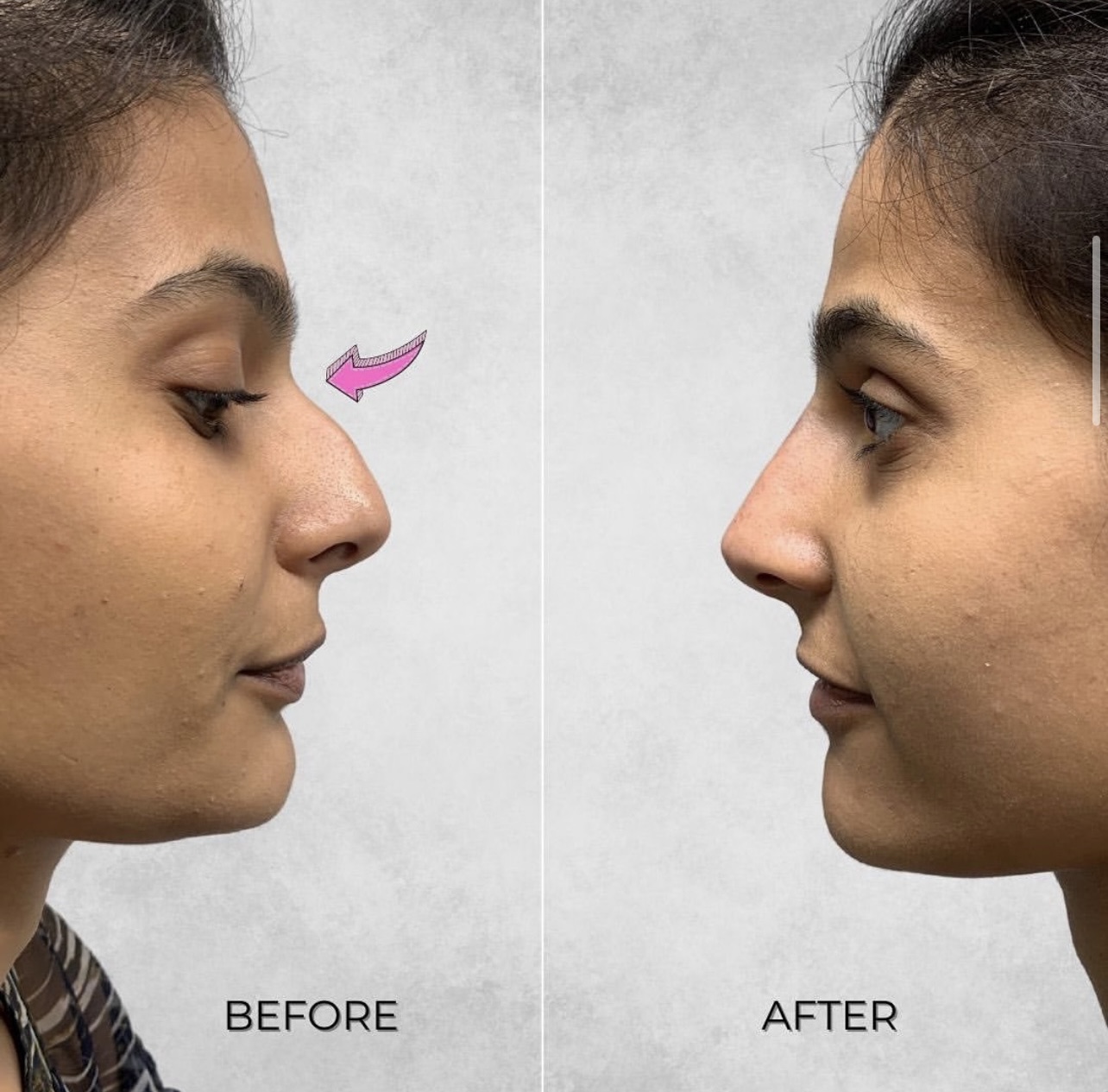
Non-surgical nose correction, often called non-surgical rhinoplasty or liquid rhinoplasty, refers to cosmetic treatments that reshape and enhance the nose without surgical intervention. Instead of implants or cartilage grafts, doctors typically use injectable dermal fillers such as hyaluronic acid to improve the nasal bridge, smooth small bumps, or enhance symmetry. The procedure is minimally invasive and usually takes 15–30 minutes, making it a convenient option for patients who want aesthetic improvement without surgery.
>>> See more: Eye Bag Removal in Vietnam: Eliminate Tired-Looking Eyes Effectively
2. Growing Popularity of Non-Surgical Nose Treatments
The demand for non-surgical aesthetic treatments has increased significantly worldwide. In 2022, about 19.7 million cosmetic procedures were performed globally, including 17 million non-surgical treatments, showing a strong shift toward minimally invasive procedures. Dermal fillers are among the most popular treatments, with more than 2.5 million filler injections performed each year globally, and non-surgical nose correction alone accounting for around 1.2 million procedures worldwide.
This trend is also growing rapidly in Vietnam. The country’s cosmetic surgery and aesthetic treatment market reached about USD 355.6 million in 2024 and is projected to nearly double to USD 749.7 million by 2033 as demand for quick and minimally invasive procedures continues to rise. Industry estimates also suggest that the Vietnamese non-surgical aesthetic market could reach around 1.5 million procedures annually, driven by younger consumers and the popularity of treatments with little downtime.
3. Who Is a Good Candidate?
Non-surgical nose correction is most suitable for individuals seeking minor improvements in nose shape rather than dramatic structural changes. Common candidates include patients with a slightly low nasal bridge, mild asymmetry, or small dorsal bumps that can be corrected with fillers. This procedure is also ideal for people who prefer temporary and adjustable results, since most fillers last approximately 12–18 months depending on the product and individual metabolism. Additionally, the treatment requires minimal recovery time, allowing most patients to return to daily activities within 24–48 hours after the procedure.
II. Common Concerns Addressed by Non-Surgical Nose Correction
Non-surgical nose correction uses injectable fillers and minimally invasive techniques to improve nasal shape without surgery. These treatments are increasingly popular worldwide due to their short treatment time (15–30 minutes) and minimal recovery period (1–3 days). Globally, injectable treatments such as dermal fillers and botulinum toxin represent the largest share of non-surgical aesthetic procedures, accounting for millions of treatments every year.
In Vietnam, the demand for non-surgical cosmetic procedures has grown rapidly. According to the International Society of Aesthetic Plastic Surgery (ISAPS), Vietnam recorded 62,340 non-surgical aesthetic procedures in a recent global survey, including 54,060 injectable treatments such as hyaluronic acid fillers and botulinum toxin.
In addition, market estimates suggest that more than 1.5 million non-invasive aesthetic treatments are performed annually in Vietnam, driven by increasing demand for minimally invasive beauty procedures.
Comparison of Non-Surgical Aesthetic Procedures by Technique
| Technique / Method | Vietnam (Estimated Annual Cases) | South Korea | United States | Key Purpose |
| Hyaluronic Acid Fillers | ~24,720 cases reported in clinical statistics | ~500,000+ cases | ~3.4 million cases | Nasal bridge augmentation, contour improvement |
| Botulinum Toxin Injections | ~29,220 cases | ~1 million+ cases | ~4.4 million cases | Facial contouring, wrinkle reduction |
| Thread Lift (including nose thread lift) | ~50,000–100,000 cases | ~200,000+ cases | ~150,000+ cases | Subtle lifting and structural support |
| Chemical Peels & Skin Treatments | ~4,860 cases | ~150,000+ cases | ~1 million+ cases | Skin rejuvenation and texture improvement |
(Figures are based on ISAPS global survey data and aesthetic market estimates.)
Interpretation of the Data
The comparison shows that Vietnam currently performs fewer aesthetic procedures than larger markets such as the United States or South Korea, but the country is experiencing rapid growth in minimally invasive treatments. Injectable fillers alone account for nearly 40% of non-surgical procedures in Vietnam, highlighting their importance in facial contouring treatments such as non-surgical nose correction.
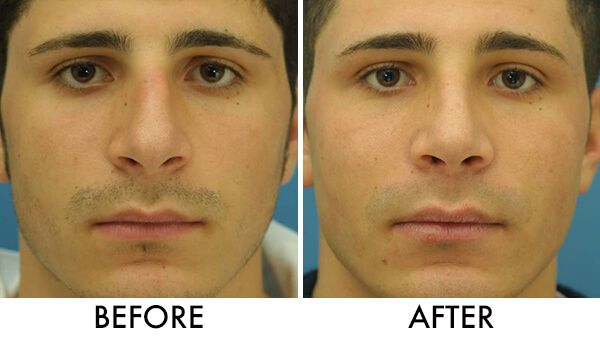
Several factors contribute to this growth, including rising disposable income, increasing awareness of cosmetic treatments, and the expansion of aesthetic clinics across major cities such as Hanoi and Ho Chi Minh City. As a result, Vietnam is becoming an emerging destination for affordable non-surgical facial enhancement procedures in Asia.
Comparison of Common Nose Concerns Treated by Non-Surgical Nose Correction
| Common Nose Concern | Description | Non-Surgical Technique Used | Expected Result | Estimated Popularity Among Patients |
| Low or Flat Nasal Bridge | The nasal bridge appears low or lacks definition, making the facial profile less prominent. | Hyaluronic acid dermal fillers injected along the nasal bridge. | Higher and more defined nasal bridge, improved facial balance. | ~50–60% of non-surgical nose treatments |
| Minor Nasal Asymmetry | One side of the nose appears slightly uneven compared to the other. | Strategic filler placement to balance the contour of both sides. | Improved symmetry and smoother nasal contour. | ~20–30% of cases |
| Small Dorsal Irregularities | Small bumps or uneven areas on the nasal bridge that affect the profile. | Fillers placed around the irregularity to smooth the bridge line. | Straighter and more refined nasal profile. | ~15–20% of cases |
| Slightly Drooping Nasal Tip | The nasal tip points slightly downward, making the nose appear longer. | Filler injections around the tip and columella area to provide subtle lift. | More lifted and balanced nasal tip. | ~10–15% of cases |
| Shallow Nasal Contours | Lack of definition between the nasal bridge and surrounding facial structures. | Fillers used to enhance contour and create sharper lines. | Improved definition and more harmonious facial proportions. | ~10–15% of cases |
The table shows that low nasal bridge and minor asymmetry are the most common concerns, accounting for the majority of non-surgical nose correction procedures. Because these issues typically involve volume deficiency rather than structural deformities, they can be effectively improved using dermal fillers without the need for surgical rhinoplasty.
III. Popular Non-Surgical Nose Correction Techniques in Vietnam
Non-surgical nose correction has become one of the most requested aesthetic treatments in Vietnam due to its quick procedure time, minimal recovery period, and relatively affordable cost. According to international aesthetic surveys, injectable treatments such as fillers and botulinum toxin account for more than 40% of all non-surgical cosmetic procedures worldwide. In Vietnam, the demand for these minimally invasive procedures continues to rise as more patients seek subtle facial improvements without undergoing surgery.
| Technique | Vietnam (Estimated Annual Cases) | South Korea | United States | Global Data | Typical Cost Range |
| Hyaluronic Acid Dermal Fillers (Nose Filler) | ~40,000 – 70,000 procedures | ~1.9 million filler procedures annually | ~3.4 million procedures annually | ~6.3 million filler procedures globally | Vietnam: $150–400 / treatment |
| Liquid Rhinoplasty (Filler-based Nose Reshaping) | ~20,000 – 35,000 cases | ~80,000 – 300,000 cases | ~200,000+ cases | ~1.2 million cases worldwide | Vietnam: $200–500 |
| Botox for Nasal Tip Adjustment | ~30,000 – 50,000 treatments | ~2.7 million Botox injections annually | ~4.4 million injections annually | ~7.6 million Botox procedures worldwide | Vietnam: $80–200 |
| Thread Lift for Nose Contouring | ~10,000 – 20,000 cases | ~140,000 – 150,000 cases | ~100,000+ cases | ~428,000 procedures worldwide | Vietnam: $300–700 |
| Combination Non-Surgical Treatments (Filler + Botox) | ~15,000 – 25,000 cases | ~200,000+ combined treatments | ~500,000+ combined treatments | Increasing trend globally | Vietnam: $300–800 |
1. Hyaluronic Acid Dermal Fillers
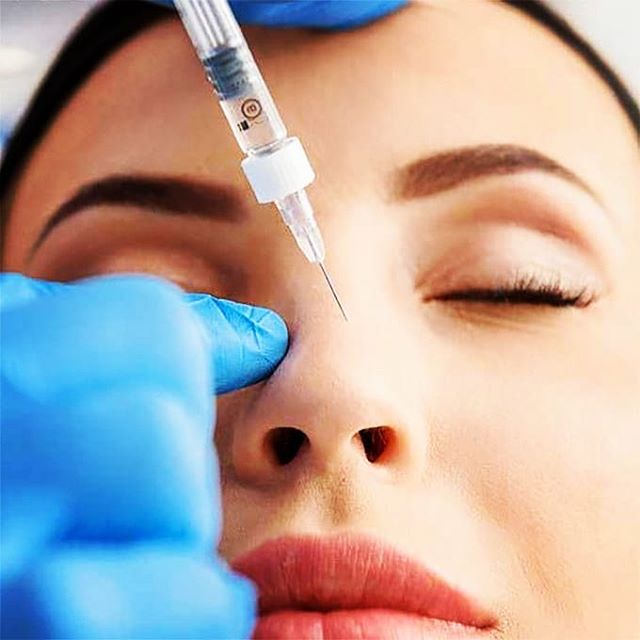
Hyaluronic acid (HA) dermal fillers are the most widely used technique for non-surgical nose correction. These injectable fillers are carefully placed along the nasal bridge or specific areas of the nose to improve height, contour, and symmetry.
Globally, over 3 million hyaluronic acid filler procedures are performed each year, making it one of the most common cosmetic treatments. In Vietnam, dermal fillers are estimated to represent around 35–40% of all non-surgical aesthetic procedures, especially for facial contouring treatments such as nose shaping and chin enhancement.
The procedure typically takes 15–30 minutes, and results can last 12–18 months, depending on the type of filler used and the patient’s metabolism.
2. Liquid Rhinoplasty
Liquid rhinoplasty refers to the technique of using strategically placed dermal filler injections to reshape the nose without surgery. This method can help correct minor imperfections such as a low nasal bridge, small bumps on the nasal dorsum, or mild asymmetry.
The popularity of liquid rhinoplasty has increased significantly in recent years. Some global aesthetic reports estimate that non-surgical rhinoplasty accounts for approximately 8–10% of facial filler treatments worldwide. In Vietnam, the procedure is increasingly popular among younger patients aged 25–35, who prefer subtle aesthetic improvements with minimal downtime.
3. Botox for Nasal Tip Adjustment
Botulinum toxin injections (commonly known as Botox) can also be used to adjust certain nasal features, particularly a drooping nasal tip caused by muscle activity. By relaxing the depressor septi nasi muscle, Botox can reduce the downward pull on the nasal tip when a person smiles.
Worldwide, more than 4.4 million botulinum toxin procedures are performed annually, making it the most common non-surgical cosmetic treatment. In Vietnam, Botox injections account for nearly half of injectable aesthetic treatments, and nasal tip adjustment is often performed as a complementary procedure alongside filler injections.
4. Combination Non-Surgical Treatments
Many aesthetic clinics now offer combination treatments to achieve more balanced facial results. This approach may include dermal fillers for nasal contouring combined with Botox injections or skin-tightening technologies such as radiofrequency or ultrasound-based treatments.
Combination procedures are becoming increasingly common in Vietnam, with industry estimates suggesting that 20–30% of non-surgical facial treatments involve more than one technique to optimize aesthetic outcomes. These customized treatment plans allow practitioners to address multiple concerns simultaneously while maintaining a natural-looking result.
Overall, the growing availability of advanced aesthetic technology and experienced practitioners has helped position Vietnam as an emerging destination for affordable and high-quality non-surgical nose correction treatments in Asia.
IV. Treatment Process for Non-Surgical Nose Correction
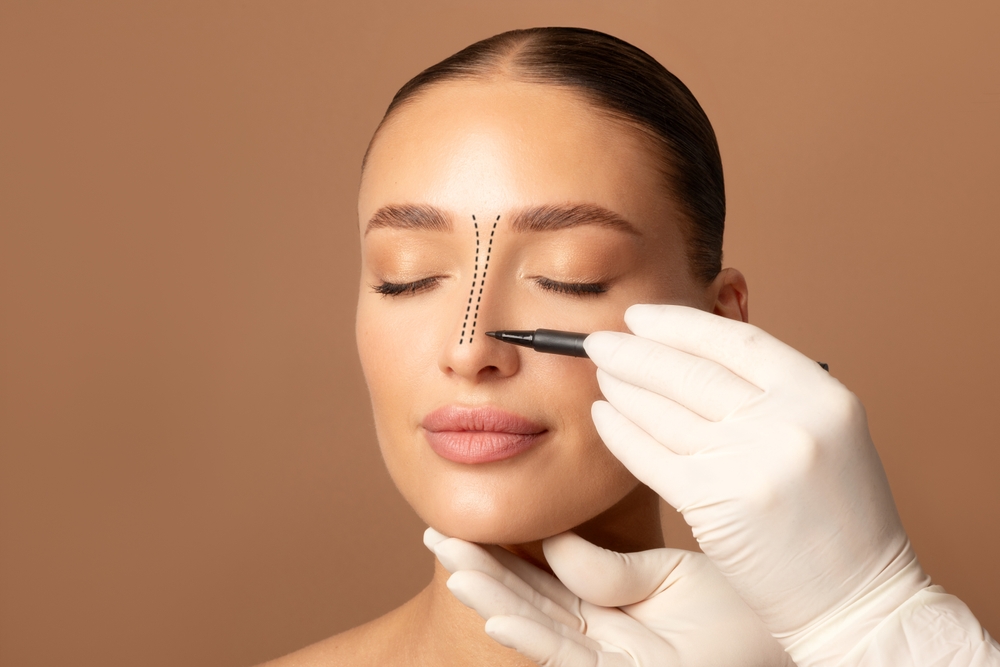
The treatment process for non-surgical nose correction typically begins with a consultation and facial assessment, where the practitioner evaluates the patient’s nasal structure, facial proportions, and aesthetic goals. Based on this evaluation, a customized treatment plan is created to determine the most suitable injection points and the appropriate type and amount of filler or Botox. The procedure itself is relatively quick, usually taking 15–30 minutes, and is performed using fine needles or micro-cannulas to inject dermal fillers into targeted areas of the nose. One of the key advantages of this treatment is the minimal recovery time, with most patients able to return to normal daily activities within 24–48 hours. The results are often visible immediately after the procedure, although the final appearance becomes more refined after any minor swelling subsides within a few days.
>>> See more: Eye Bag Removal in Vietnam: Eliminate Tired-Looking Eyes Effectively
V. Advantages of Non-Surgical Nose Correction
Non-surgical nose correction offers several benefits for individuals seeking aesthetic improvements without undergoing surgery. Unlike traditional rhinoplasty, this treatment does not require surgical incisions or general anesthesia, making it a safer and less invasive option for many patients. The procedure is also quick and convenient, typically completed within half an hour, with little to no downtime required. Another advantage is that the results are temporary and adjustable, as most dermal fillers last around 12–18 months, allowing patients to modify or maintain their results over time. In addition, the cost of non-surgical nose correction is significantly lower than surgical rhinoplasty. In Vietnam, treatments usually range from $150 to $500, while surgical rhinoplasty can cost $2,000–$5,000 or more, making non-surgical options an attractive choice for patients seeking affordable and minimally invasive facial enhancement.
VI. Why Vietnam Is Becoming a Popular Destination for Non-Surgical Nose Correction
Vietnam is increasingly recognized as an attractive destination for non-surgical cosmetic procedures, including non-surgical nose correction. One of the main reasons is the significantly lower treatment cost compared with countries such as the United States, the United Kingdom, Australia, and South Korea. While the quality of aesthetic services continues to improve, treatment prices in Vietnam remain 50–80% more affordable than in many developed countries. This price advantage has made Vietnam appealing not only to local patients but also to international visitors seeking affordable aesthetic treatments.
Another important factor is the availability of skilled aesthetic practitioners who are experienced in facial filler techniques. Many doctors in Vietnam have received professional training in aesthetic medicine and regularly perform procedures such as dermal filler injections, Botox treatments, and non-surgical facial contouring. The growing popularity of minimally invasive cosmetic procedures has also encouraged clinics to adopt advanced injection techniques and internationally recognized filler brands to ensure safety and natural-looking results.
Vietnam’s aesthetic industry has also developed rapidly in recent years, with many modern cosmetic clinics equipped with advanced technologies and sterile treatment environments. Major cities such as Hanoi and Ho Chi Minh City now host a wide range of aesthetic centers that follow international medical standards. These facilities often offer comprehensive services, including consultation, treatment, and aftercare, helping ensure a comfortable experience for patients.
In addition, the country is benefiting from the growth of medical tourism services. Vietnam has become a popular destination for international patients due to its combination of affordable healthcare, experienced practitioners, and attractive travel opportunities. Patients can often combine cosmetic treatments with tourism activities, making Vietnam a convenient and cost-effective option for aesthetic procedures.
Cost Comparison for Non-Surgical Nose Correction
| Country | Average Cost per Treatment | Relative Cost Compared to Vietnam |
| Vietnam | $150 – $500 | Baseline |
| South Korea | $600 – $1,200 | 2–3 times higher |
| United States | $800 – $1,500 | 3–4 times higher |
| United Kingdom | $700 – $1,300 | 3 times higher |
| Australia | $750 – $1,400 | 3–4 times higher |
This comparison highlights why Vietnam is becoming a competitive destination for non-surgical nose correction. Patients can receive similar treatments using internationally approved products and modern techniques at a fraction of the cost, making the country an increasingly attractive choice for both domestic and international patients seeking minimally invasive facial enhancements.

VII. Why Choose BeDental Vietnam for Non-Surgical Nose Correction
BeDental Vietnam is a trusted destination for patients seeking safe and effective non-surgical nose correction treatments. The clinic is supported by experienced aesthetic specialists who are highly trained in facial filler techniques, ensuring precise injection methods and natural-looking results. BeDental uses high-quality dermal fillers that are FDA-approved, helping ensure both safety and long-lasting outcomes for patients who want to enhance their nasal contour without surgery.
In addition, BeDental focuses on personalized consultation and customized treatment planning to meet each patient’s unique facial structure and aesthetic goals. The clinic also offers transparent and competitive pricing, making high-quality aesthetic treatments more accessible compared with many international markets. For overseas visitors, BeDental provides dedicated support services for international patients, including consultation guidance, treatment coordination, and assistance throughout their medical tourism experience in Vietnam.
Conclusion
Non-surgical nose correction offers an effective solution for individuals who want to refine their nasal appearance without the risks and recovery time associated with traditional rhinoplasty. With techniques such as hyaluronic acid fillers, liquid rhinoplasty, and Botox adjustments, patients can address common concerns like a low nasal bridge, minor asymmetry, or a slightly drooping nasal tip. These treatments provide quick results, minimal recovery time, and adjustable outcomes, making them ideal for patients seeking flexible and less invasive cosmetic options.
As the demand for minimally invasive aesthetic procedures continues to grow, Vietnam is becoming a competitive destination for non-surgical nose correction. Clinics such as BeDental Vietnam combine experienced specialists, high-quality medical products, and personalized treatment planning to ensure safe and satisfying results. For patients looking for an affordable and convenient way to enhance their facial harmony, non-surgical nose correction in Vietnam represents a practical and increasingly popular choice.
BeDental: Trusted Dental and Aesthetic Clinic for International Patients
Founded in 2012, BeDental is one of the leading brands in dentistry and cosmetic surgery in Vietnam, trusted by many international patients. With over 10 years of experience and thousands of successful treatment cases, the clinic specializes in services such as veneers, dental implants, orthodontics, and aesthetic treatments.
Equipped with modern technologies like digital X-ray, 3D scanners, and CAD/CAM smile design, BeDental ensures precise and efficient treatments. Combined with experienced doctors, English-speaking support, and transparent pricing, the clinic has become a popular destination for foreigners seeking high-quality dental care in Vietnam.
 TS.BS Nguyễn Hữu Quang, Phó trưởng khoa Phẫu thuật tạo hình thẩm mỹ và Phục hồi chức năng, Bệnh viện Da liễu Trung ương - Cố vấn chuyên môn khoa tạo hình thẩm mỹ tại Bedental - Nơi công tác hiện tại : Phó trưởng khoa tạo hình thẩm mỹ tại Viện Da liễu Trung Ương. Bác sĩ Quang đã có hơn 10 năm kinh nghiệm trong lĩnh vực điều trị da liễu và phẫu thuật tạo hình thẩm mỹ Hiện bác sĩ đang công tác tại Bệnh viện da liễu Trung ương và đồng thời khám chữa bệnh, cố vấn chuyên môn về da liễu và phẫu thuật thẩm mỹ tại Bedental