

 English
 한국어
한국어 日本語
日本語 中文 (中国)


In recent years, mouth breathing in Vietnam has gained increased attention from dentists, orthodontists, and ENT specialists due to its strong connection with facial deformities, malocclusion, poor sleep quality, and long-term oral health issues. Understanding the causes, risks, and available treatments is essential for early intervention and prevention.
What Is Mouth Breathing?

Mouth breathing occurs when air consistently enters the body through the mouth rather than the nose. Normally, the nose filters, humidifies, and warms about 90% of inhaled air, providing natural protection for the respiratory system. When nasal breathing is bypassed, these protective mechanisms are lost. Occasional mouth breathing is common—particularly during exercise or when the nose is temporarily blocked due to a cold. However, habitual mouth breathing, especially during sleep or at rest, is abnormal and may indicate deeper issues.
Studies suggest that 10–25% of children exhibit habitual mouth breathing. In Vietnam, this pattern is frequently observed in children with enlarged adenoids or tonsils, a condition affecting approximately 34–70% of children at some point, depending on age. Additionally, individuals with untreated allergies or chronic sinusitis—conditions that affect up to 20% of the population—are also prone to mouth breathing. Finally, patients with orthodontic or jaw development issues, such as narrow palates or malocclusions, often experience mouth breathing, which can impact facial growth and dental alignment over time. Early intervention is key, as persistent mouth breathing may lead to dry mouth, increased risk of dental decay, and even sleep-disordered breathing if left untreated.
See more: Bleeding gums and 9 ways to cure at home
Why Mouth Breathing Is a Concern
| Mouth Breathing in Adults | Mouth Breathing in Children |
| In adults, mouth breathing may not immediately appear serious, but chronic cases can lead to: | Mouth breathing is far more concerning in children because it can interfere with normal facial growth and development. |
| Persistent dry mouth | During childhood, bones of the face and jaw are still forming. |
| Bad breath (halitosis) | Abnormal breathing patterns can alter this growth, leading to permanent structural changes. |
| Increased risk of tooth decay and gum disease | In Vietnam, pediatric dentists and orthodontists frequently observe untreated mouth breathing contributing to: |
| Worsening of asthma symptoms | Crooked or crowded teeth |
| Reduced oxygen concentration in the blood | Narrow dental arches |
| Long-term mouth breathing has also been associated with poor sleep quality, fatigue, and increased cardiovascular strain. | Long, narrow facial structure |
| Receding chin or weak jawline |
Common Symptoms of Mouth Breathing
| General Symptoms (All Ages) | Additional Symptoms in Children |
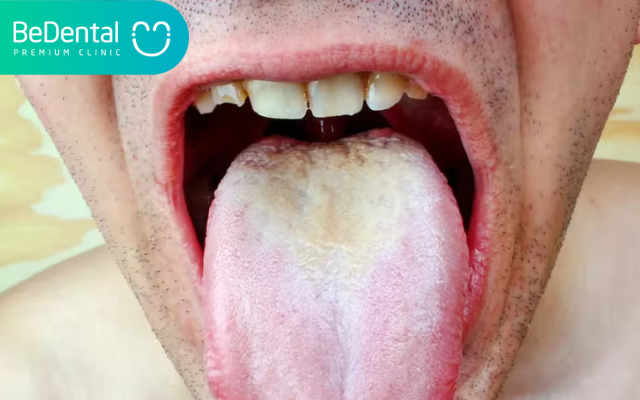
| Chronic bad breath – Reduced saliva flow allows bacteria to multiply, increasing volatile sulfur compounds (VSCs). | “Mouth breathing face” – A longer-looking face, narrow upper jaw, and recessed chin may develop over time. This facial pattern often becomes more noticeable in school-aged children. Parents can compare older photos to observe gradual changes in facial proportions. |
| Dry mouth and cracked lips – Mouth breathing decreases natural oral lubrication, leading to dryness, lip cracking, and increased cavity risk. | Dental malocclusion – Chronic mouth breathing may interfere with jaw growth, causing protruding front teeth (overbite), crowded teeth, spacing issues, or crossbite. Parents may notice uneven eruption of permanent teeth or improper bite alignment. |
| Drooling during sleep – Inability to maintain lip seal while sleeping leads to saliva escape. | Gummy smile – Excessive gum display when smiling, especially alongside narrow dental arches, may indicate altered jaw development associated with mouth breathing. |
| Hoarseness or sore throat – Unfiltered, dry air irritates throat tissues. | Poor posture – Children may tilt the head forward or extend the neck to improve airflow. Persistent forward head posture while studying or watching TV can be a warning sign. |
| Snoring – Common sign of partial airway obstruction. | Difficulty concentrating or hyperactivity – Poor sleep quality reduces oxygen efficiency. Children may appear fatigued, struggle with attention, show hyperactivity, or have learning difficulties. |
| Feeling tired despite adequate sleep – Disrupted breathing patterns reduce sleep quality. | Many Vietnamese parents mistakenly attribute these signs to genetics, delaying proper diagnosis and early intervention. |
Many Vietnamese parents mistakenly attribute these signs to genetics, delaying diagnosis and treatment.
See more: What is tongue scraping? 10 things you need to know
Causes of Mouth Breathing
Mouth breathing usually develops because air cannot pass freely through the nose. Common causes include:
| Cause | Mechanism & Clinical Data |
| Deviated Nasal Septum | Occurs when the nasal septum shifts to one side, narrowing airflow. Affects approximately 70–80% of adults to some degree (though not all are symptomatic). Symptomatic deviation may contribute to chronic nasal obstruction and mouth breathing. |
| Enlarged Turbinates | Turbinate hypertrophy reduces nasal airflow. Chronic allergic rhinitis affects 10–30% of the global population. Urban air pollution—significant in major Vietnamese cities—has been linked to increased rates of chronic nasal inflammation. |
| Enlarged Adenoids or Tonsils (Children) | One of the leading causes in children. Adenoid hypertrophy affects 34–70% of children at certain ages. Enlarged tonsils are present in up to 30% of pediatric ENT evaluations. Commonly associated with nighttime mouth breathing and snoring. |
| Chronic Nasal Congestion | Allergies, recurrent upper respiratory infections (children average 6–8 colds per year), and sinusitis contribute to prolonged nasal blockage. Chronic rhinosinusitis affects approximately 5–12% of adults. |
| Nasal Polyps | Noncancerous inflammatory growths that obstruct airflow. Prevalence estimated at 1–4% of the general population, more common in adults with asthma or chronic sinusitis. |
| Obstructive Sleep Apnea (OSA) | Causes repeated airway collapse during sleep. Affects approximately 3–7% of adult men and 2–5% of adult women; pediatric OSA prevalence is 1–5%. Strongly associated with mouth breathing and snoring. |
| Abnormal Swallowing Patterns (Tongue Thrust) | Improper tongue posture can alter facial growth and airway dynamics. Tongue thrust is observed in 5–15% of children and is linked to mouth breathing and orthodontic problems. |
How Mouth Breathing Is Diagnosed
Healthcare providers in Vietnam typically diagnose mouth breathing through a combination of clinical examination and functional tests:
Physical Examination

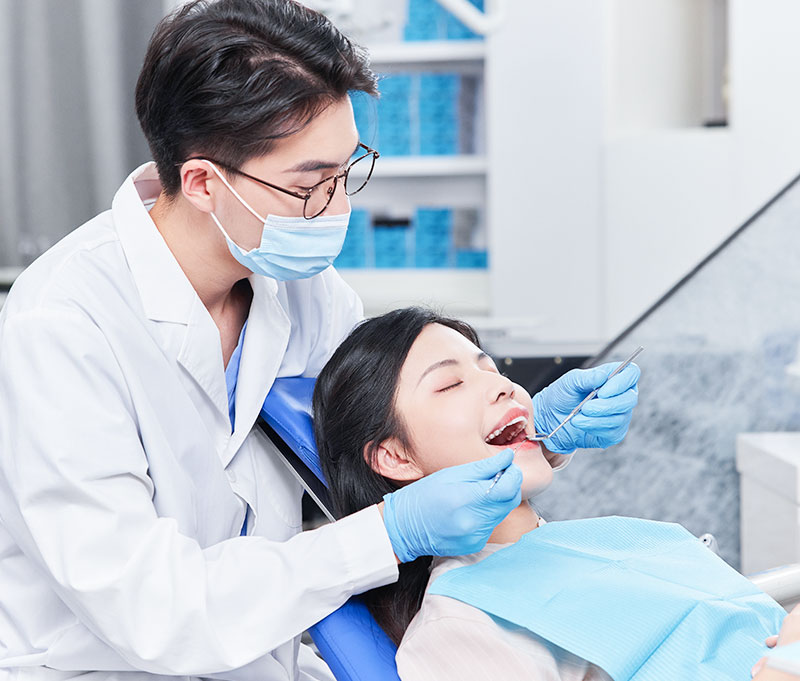
Doctors or dentists examine the nose, throat, facial structure, and dental alignment.
Functional Tests
- Lip seal test: Checks whether the patient can breathe comfortably with lips closed
- Mirror test: A mirror placed under the nose shows condensation if nasal breathing is present
- Water-holding test: The patient holds water in the mouth to force nasal breathing
Advanced clinics may also use:
- Digital X-rays
- CBCT (Cone Beam CT) scans
- Sleep studies for suspected sleep apnea
Treatment Options for Mouth Breathing in Vietnam
Treatment depends on the underlying cause. Vietnamese clinics often take a multidisciplinary approach involving ENT specialists, dentists, and orthodontists.
Medical Treatments
For nasal congestion or inflammation:
- Antihistamines
- Nasal decongestants
- Steroid nasal sprays
- Allergy management
Nasal Dilators
External nasal strips or internal dilators can temporarily improve airflow by reducing resistance in the nasal passages.
CPAP Therapy
For sleep apnea, Continuous Positive Airway Pressure (CPAP) therapy keeps airways open during sleep.
Surgical Treatments
- Removal of enlarged adenoids or tonsils (children)
- Septoplasty for deviated septum
- Turbinate reduction
- Removal of nasal polyps
Dental and Orthodontic Treatments
Dentists may recommend:
- Palatal expanders to widen the upper jaw
- Braces or clear aligners to correct bite issues
- Functional appliances to improve jaw position
Orthodontic treatment is often critical in addressing structural contributors to mouth breathing.
See more: Bad Breath and 6 Common Questions
Where to Curre Mouth Breathing in Vietnam
BeDental is a leading dental clinic in Vietnam with a strong reputation for treating complex dental and oral conditions, including issues associated with mouth breathing. Rather than simply addressing the symptom, BeDental’s team focuses on identifying and treating the underlying causes that lead to mouth breathing, such as nasal obstruction, dental malocclusion, and improper oral posture.
Chronic mouth breathing is more common than many parents realize. Research suggests that approximately 10–25% of children exhibit habitual mouth breathing at some stage of development. Studies also show that children with untreated mouth breathing are significantly more likely to develop malocclusion, narrow dental arches, and sleep-disordered breathing. In fact, pediatric patients with airway obstruction may have up to a 3–5 times higher risk of developing craniofacial growth alterations compared to nasal breathers.
Specialized Assessment and Diagnosis

At BeDental, every patient receives a thorough evaluation that goes beyond a basic dental check-up. Advanced diagnostics—including digital X-rays, CBCT 3D imaging, and airway analysis—help doctors identify anatomical or functional issues contributing to mouth breathing, such as:
- Narrow dental arches or high palates
- Crowded or misaligned teeth
- Enlarged adenoids, tonsils, or soft tissues
- Airway obstructions visible on 3D imaging
This comprehensive approach ensures that treatment recommendations are personalized and scientifically grounded.
Multidisciplinary Treatment Planning
Rather than treating only the mouth, BeDental takes a holistic view of your child’s airway, dental alignment, and facial development. Depending on the diagnosis, treatment may include:
- Orthodontic solutions (braces or clear aligners) to correct dental malocclusion that interferes with proper breathing
- Palatal expanders to widen the upper jaw and improve nasal airflow
- Functional appliances to support jaw position and airway space
- Coordination with ENT specialists if surgical intervention is needed
This interdisciplinary care is especially valuable for children, where early intervention can have a long-lasting positive impact on breathing, sleep, and facial growth.
Airway-Friendly Orthodontics
BeDental emphasizes orthodontic protocols that support nasal breathing and optimal jaw posture. Rather than focusing solely on aesthetics, doctors design plans that help expand the airway and promote proper tongue posture—key factors in reducing mouth breathing long-term.
Support for International Patients
BeDental welcomes patients from around the world. Services include:
- Online consultations and evaluations
- English-speaking dentists and coordinators
- Flexible scheduling for international travel
- Clear treatment explanations before any procedure
Whether you are living in Vietnam or coming from abroad specifically for treatment, BeDental ensures you feel understood and supported at every step.
Chronic mouth breathing can have far-reaching effects on sleep quality, dental health, facial development, and overall well-being. Recognizing the signs early and seeking expert care can prevent long-term complications.
If your child or family member shows signs of mouth breathing, contact BeDental for a professional consultation and tailored treatment plan. You’ll receive expert guidance every step of the way toward improved oral health and quality of life.

Tư vấn chuyên môn bài viết:
BÁC SĨ DƯƠNG THỊ THÙY NGA
Tại BeDental, khách hàng có thể an tâm điều trị với dịch vụ bảo lãnh viện phí nha khoa nhanh chóng và tiện lợi. BeDental hiện liên kết với nhiều công ty bảo hiểm uy tín, hỗ trợ thanh toán trực tiếp chi phí các dịch vụ nha khoa như nhổ răng, trám răng, điều trị tủy, phục hình răng sứ... Quy trình linh hoạt, minh bạch giúp tiết kiệm thời gian và tối ưu chi phí. Hãy liên hệ BeDental để được tư vấn chi tiết và tận hưởng trải nghiệm chăm sóc răng miệng chuyên nghiệp, không lo gánh nặng tài chính.
? Các đơn vị nha khoa chấp nhận bảo lãnh bao gồm : Hùng Vương Insurance, Bảo Long Insurance, BSH (Bảo hiểm BSH), FWD Insurance Cathay Life Fubon Insurance, Tokio Marine Insurance Group VNI (Bảo hiểm Hàng không), HD Insurance MSIG AAA Insurance PTI (Bảo hiểm Bưu điện), BIDV MetLife, PJICO, Techcom, Insurance, AIA, Dai-ichi Life MIC GIC DBV Insurance VBI (Bảo hiểm VietinBank)
? Các công ty bảo hiểm BeDental có thể xuất hóa đơn: Manulife Dai-ichi Life Prudential AIA Hanwha Life PVI VCLI (Bảo hiểm nhân thọ Vietcombank - Cardif) BIC (Bảo hiểm BIDV), Bảo Việt Insurance và PVI