

 English
 한국어
한국어 日本語
日本語 中文 (中国)


Mini Facelift in Vietnam: In recent years, Vietnam has emerged as a promising destination for facial aesthetic procedures, attracting international patients with its combination of skilled surgeons, modern clinics, and significantly lower treatment costs compared with Western countries. A mini facelift is particularly suitable for medical travelers because the procedure typically involves smaller incisions, shorter surgical times, and faster recovery, allowing patients to combine treatment with a short visit to the country.
This article explores mini facelift surgery in Vietnam, including the reasons international patients choose the country for treatment, the most popular surgical techniques, comparisons between different approaches, and the typical procedure process. Understanding these aspects can help patients make more informed decisions when considering facial rejuvenation options.
1. Why International Patients Choose Mini Facelift in Vietnam
In recent years, Vietnam has become an increasingly attractive destination for patients seeking minimally invasive facial rejuvenation procedures such as mini facelifts. The growth of aesthetic treatments across Asia has been significant, with the region now accounting for a large share of global cosmetic procedures. According to global aesthetic surgery reports, Asia performs over 5 million cosmetic procedures annually, and the demand for less invasive facial lifting techniques such as mini facelifts continues to rise. Vietnam is gradually gaining recognition within this market thanks to its improving medical infrastructure and growing aesthetic industry.
Competitive treatment costs compared with Western countries
One of the primary reasons international patients choose Vietnam is the significant cost advantage compared with Western countries. In the United States or Western Europe, a mini facelift typically costs between USD 6,000 and USD 12,000, depending on the clinic and surgical complexity. In contrast, the same procedure in Vietnam generally ranges from USD 1,500 to USD 3,500, while still being performed in modern medical facilities. This cost difference allows many international patients to access aesthetic procedures that might otherwise be financially difficult in their home countries.
>>> See more: Dimple Creation in Vietnam: Add a Charming and Youthful Touch
Modern aesthetic clinics and advanced facial rejuvenation technology
Vietnam has also invested heavily in modern aesthetic clinics and advanced facial rejuvenation technologies. Many cosmetic centers now use updated surgical methods such as SMAS lifting techniques, endoscopic-assisted procedures, and short-scar facelifts, which help achieve more natural results with smaller incisions and shorter recovery times. These improvements have helped raise the professional standards of aesthetic treatments available in major Vietnamese cities.
- Endoscopic facial surgery systems – high-definition camera systems that allow surgeons to perform precise tissue lifting through smaller incisions
- 3D facial imaging and simulation technology – digital facial analysis tools that help predict postoperative results and plan personalized procedures
- High-frequency electrosurgical devices – surgical instruments that reduce bleeding and minimize tissue trauma during surgery
- Ultrasound-assisted tissue tightening systems – ultrasound-based technology used to stimulate deeper tissue tightening
- Absorbable lifting sutures – dissolvable sutures used to support repositioned facial tissues and enhance lifting results
- Radiofrequency (RF) skin tightening technology – RF energy devices that help improve skin firmness and collagen production
- Advanced anesthesia monitoring systems – modern patient monitoring systems that improve safety during surgical procedures
Convenient medical tourism services
Another important factor is the country’s growing medical tourism infrastructure. Vietnam receives millions of international visitors each year, and the integration of healthcare services with tourism has made it easier for patients to combine treatment with travel. Cosmetic procedures such as mini facelifts often require relatively short recovery periods, making them suitable for medical tourists who wish to undergo treatment during a short stay.
The two cities most commonly chosen for cosmetic procedures in Vietnam are Ho Chi Minh City and Hanoi. These major urban centers offer the highest concentration of specialized clinics, experienced surgeons, and internationally oriented medical services, making them the primary hubs for aesthetic surgery in the country.
2. What Is a Mini Facelift?
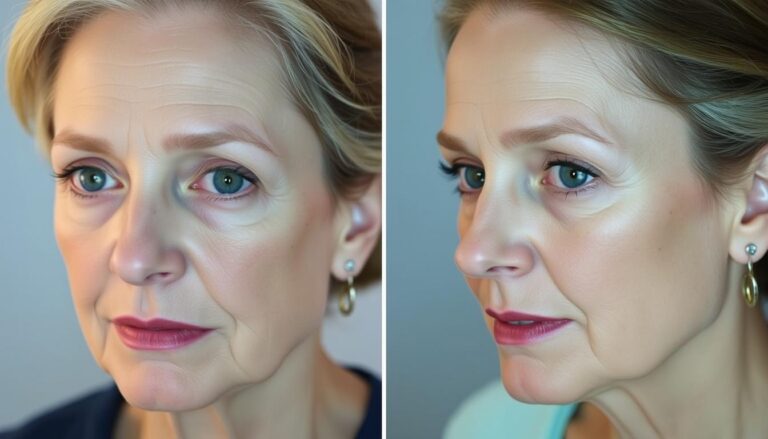
A mini facelift is a less invasive facial rejuvenation procedure designed to lift and tighten mild to moderate sagging in the lower face. The primary aesthetic goal of the procedure is to restore a more youthful contour to areas such as the jawline, cheeks, and lower facial region, while maintaining natural facial expressions.
During a mini facelift, the surgeon makes short, carefully placed incisions around the ear or hairline, allowing access to the underlying facial tissues. These tissues are gently repositioned and tightened, while small amounts of excess skin may be removed. This process helps improve facial firmness and redefine the jawline without the more extensive dissection involved in a traditional facelift.

One of the key differences between a mini facelift and a traditional (full) facelift is the extent of the surgical correction. A full facelift typically addresses deeper facial aging across the midface, jawline, and neck and may require longer incisions and recovery time. In contrast, a mini facelift focuses primarily on the lower third of the face, making it a suitable option for patients who are beginning to experience early signs of aging but do not yet require comprehensive facial surgery.
| Criteria | Mini Facelift | Traditional (Full) Facelift |
| Surgical scope | Focuses mainly on the lower face, jawline, and mild skin sagging | Comprehensive lifting of the mid-face, lower face, and neck |
| Incision size | Smaller incisions typically around the ear | Longer incisions extending around the ear and sometimes into the hairline |
| Level of invasiveness | Less invasive procedure | More invasive surgical technique |
| Surgical time | Usually 1–2 hours | Typically 3–5 hours depending on complexity |
| Recovery time | Shorter recovery period, about 1–2 weeks | Longer recovery period, often 3–4 weeks |
| Longevity of results | Results typically last 4–7 years | Results may last 8–12 years |
| Ideal candidates | Patients with early signs of aging and mild skin laxity | Patients with moderate to severe facial aging |
| Cost range (Vietnam) | Approximately $1,500 – $3,500 | Approximately $3,500 – $8,000 |
| Aesthetic outcome | Subtle and natural-looking rejuvenation | More dramatic and comprehensive facial rejuvenation |
Because the procedure is less invasive, mini facelifts often involve shorter operating times, smaller scars, and faster recovery periods. Many patients are able to return to normal activities within one to two weeks, depending on individual healing responses.
Mini facelift procedures are generally recommended for individuals who:
- Have mild to moderate skin laxity around the jawline
- Notice early signs of facial aging such as slight sagging or loss of contour
- Maintain relatively good skin elasticity
- Prefer a subtle and natural-looking facial rejuvenation
For these patients, a mini facelift can provide noticeable improvement in facial definition while preserving a natural appearance.

3. Popular Mini Facelift Techniques in Vietnam
Vietnam’s facial aesthetic market has seen a steady increase in minimally invasive facial rejuvenation procedures. According to regional aesthetic surgery reports, mini facelift–related procedures account for approximately 18–25% of surgical facial rejuvenation treatments performed in Southeast Asia, with Vietnam performing an estimated 12,000–18,000 mini facelift procedures annually. Several surgical techniques are commonly used depending on the patient’s degree of skin laxity and facial aging.
3.1 SMAS Mini Facelift
The SMAS mini facelift focuses on tightening the Superficial Musculoaponeurotic System (SMAS), an important structural layer beneath the facial skin. By repositioning this deeper layer rather than only tightening the skin, surgeons can create more natural and longer-lasting lifting effects.
Clinical studies indicate that SMAS-based mini facelifts can maintain visible improvement for 5–8 years, which is significantly longer than skin-only lifting procedures that typically last 2–4 years. This method is particularly suitable for patients in their late 30s to early 50s experiencing mild to moderate sagging in the cheeks and jawline.
3.2 Short-Scar Mini Facelift
The short-scar mini facelift is designed to minimize surgical trauma by using smaller incisions around the ear, typically measuring 3–5 cm in length. Compared with traditional facelift procedures that may require incisions of 10–15 cm, this approach significantly reduces visible scarring.
Because of the limited incision size and reduced tissue dissection, patients usually experience shorter recovery periods of about 7–10 days, compared with 2–3 weeks for traditional facelift surgery. This technique is widely used in aesthetic clinics in Ho Chi Minh City and Hanoi, especially among younger patients seeking subtle facial lifting.
3.3 Endoscopic Mini Facelift
Endoscopic mini facelift techniques use high-definition cameras and specialized surgical instruments inserted through small incisions to assist with tissue repositioning. The endoscopic system allows surgeons to visualize facial structures with magnification of up to 4–10 times, improving surgical precision and reducing the risk of nerve injury.
This technology has become increasingly popular in modern Asian aesthetic surgery centers, with research showing that endoscopic approaches can reduce postoperative swelling by approximately 20–30% and shorten recovery time by several days compared with traditional open techniques.
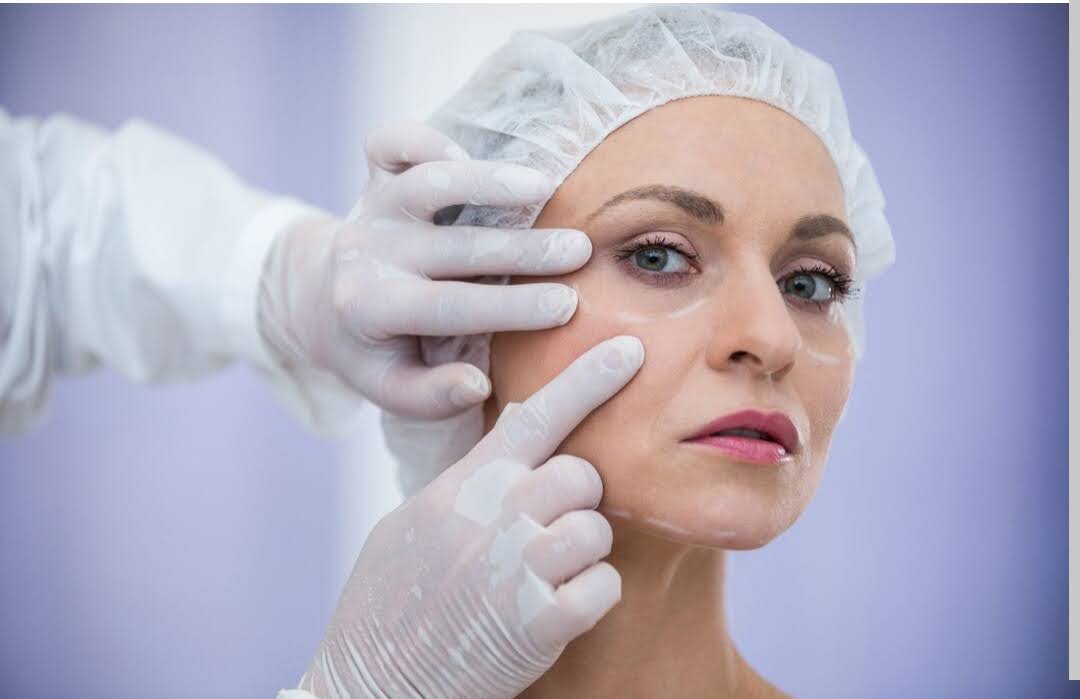
>>> See more: Facelift Surgery in Vietnam: Comprehensive Facial Rejuvenation Solutions
3.4 Mini Facelift Combined with Neck Lift
In many patients, mild facial aging is accompanied by early neck skin laxity or loss of jawline definition. For these cases, surgeons may combine a mini facelift with a limited neck lift procedure to improve the lower facial contour.
This combined approach can improve jawline definition by up to 30–40% in clinical aesthetic evaluations, providing a more balanced and youthful facial profile. The procedure is commonly recommended for patients aged 40–55 who want noticeable rejuvenation without undergoing a full facelift.
4. Comparison of Mini Facelift Methods
Recent statistics from aesthetic surgery reports show that SMAS-based facelift techniques account for approximately 40–50% of surgical facial lifting procedures worldwide, making them the most commonly performed approach due to their ability to reposition deeper facial structures and produce longer-lasting results. Meanwhile, mini facelift procedures represent roughly 20–25% of facelift surgeries, particularly among patients aged 35–50 who seek early facial rejuvenation with shorter recovery times.
More advanced procedures such as deep plane facelifts are estimated to account for 10–15% of cases, typically performed by highly specialized surgeons for patients with more significant facial aging who require deeper structural repositioning. Technology-assisted approaches like endoscopic facelifts represent around 5–10% of surgical lifting procedures, offering improved precision and reduced tissue trauma.
In addition to surgical options, minimally invasive alternatives such as thread lifting techniques have also grown in popularity, accounting for roughly 10–20% of facial lifting treatments, especially among younger patients who prefer procedures with minimal downtime and faster recovery.
| Technique | Surgical Invasiveness | Longevity of Results | Recovery Time | Ideal Candidates |
| SMAS Mini Facelift | Moderate | 5–10 years | 10–14 days | Patients seeking longer-lasting lifting results |
| Short-Scar Mini Facelift | Low to moderate | 4–8 years | 7–10 days | Patients concerned about visible scarring |
| Endoscopic Mini Facelift | Minimally invasive | 4–7 years | 7–10 days | Patients preferring smaller incisions and modern surgical techniques |
| Mini Facelift + Neck Lift | Moderate | 6–10 years | 10–14 days | Patients with mild sagging in both jawline and neck |
The mini facelift techniques listed in the comparison table differ mainly in terms of surgical invasiveness, durability of results, and the type of patients they are most suitable for. Among them, the SMAS mini facelift is considered one of the most structurally effective techniques because it tightens the deeper facial support layer, allowing results to last around 5–8 years. In contrast, the short-scar mini facelift focuses on reducing incision length and minimizing visible scarring, making it a popular option for patients seeking subtle improvements with shorter recovery periods of about 7–10 days.
The endoscopic mini facelift represents a more technology-assisted approach, using camera-guided instruments to enhance surgical precision and reduce tissue trauma. Studies suggest that endoscopic methods can lower postoperative swelling by approximately 20–30% compared with traditional open techniques. Meanwhile, the mini facelift combined with a neck lift is designed for patients experiencing early aging in both the jawline and neck areas, helping create a more balanced lower facial contour. Clinical evaluations indicate that combining these procedures can improve jawline definition by around 30–40%, offering more comprehensive rejuvenation while still maintaining relatively moderate recovery time.
5. Mini Facelift Procedure in Vietnam
Mini facelift surgery follows a structured treatment process designed to achieve natural facial lifting results while minimizing surgical trauma and recovery time.
Step 1. Consultation and Facial Analysis
The procedure begins with a comprehensive consultation and facial assessment. During this stage, the surgeon evaluates several factors including skin laxity, facial symmetry, jawline definition, and overall facial proportions. This analysis helps determine whether the patient is an appropriate candidate for a mini facelift and which surgical technique may provide the best results.
Based on the assessment, the surgeon develops a personalized treatment plan tailored to the patient’s facial structure and aesthetic goals.

Step 2. Mini Facelift Surgery
Mini facelift surgery is typically performed under local anesthesia with sedation, although some cases may involve general anesthesia depending on surgical complexity.
The surgeon creates small incisions around the ear or hairline, allowing access to underlying facial tissues. These tissues are gently lifted and repositioned to restore youthful contours. If necessary, a small amount of excess skin is removed to tighten the lower facial area and improve jawline definition.
Because the incisions are shorter than those used in traditional facelift procedures, the resulting scars are generally well concealed and less noticeable after healing.
Step 3. Recovery and Final Results
Recovery from a mini facelift is generally faster than that of a full facelift. Patients may experience mild swelling or bruising during the first few days, which gradually subsides as healing progresses.
Most individuals can resume normal daily activities within 1–2 weeks, although complete tissue healing continues for several weeks. As swelling diminishes, the lifted facial contours become more visible, revealing a firmer jawline and smoother lower facial profile.
6. Why Choose BeDental Vietnam for Facial Aesthetic Consultation
Choosing the right clinic for aesthetic consultation is an important step in achieving safe and satisfying results. BeDental Vietnam focuses on providing patient-centered consultation and professional guidance to help individuals better understand facial harmony and appropriate aesthetic treatments.
At BeDental, consultations emphasize careful facial analysis and personalized treatment planning, ensuring that recommended procedures align with each patient’s unique facial characteristics. The clinic also utilizes modern diagnostic technologies and digital imaging tools to support more accurate evaluation of facial proportions and aesthetic goals.
In addition, BeDental provides support for international patients seeking aesthetic consultation in Vietnam, helping them navigate treatment planning and understand available options before undergoing cosmetic procedures. By focusing on balanced facial aesthetics and natural-looking results, BeDental aims to help patients make informed decisions about facial rejuvenation treatments and achieve greater confidence in their appearance.
Conclusion
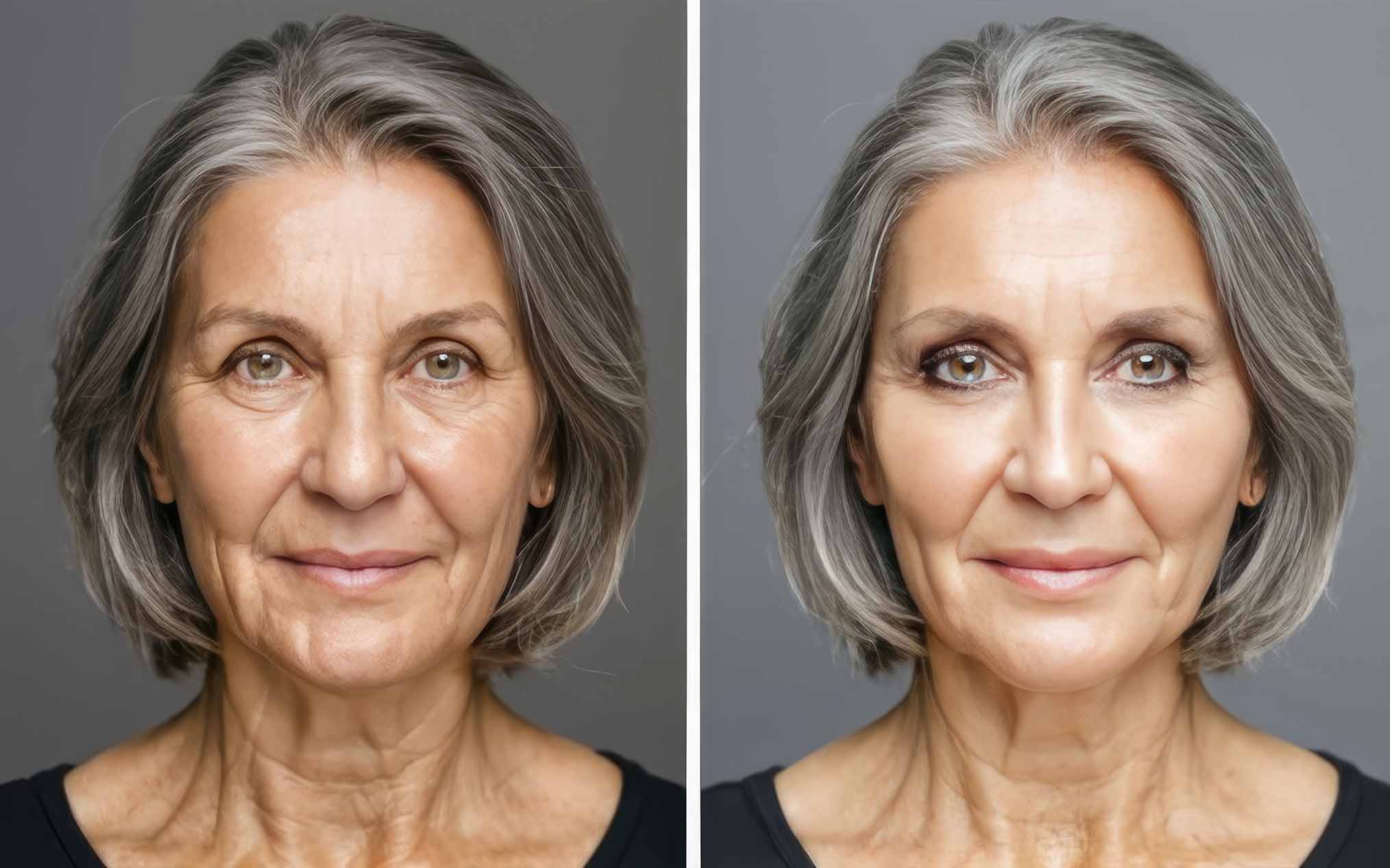
Mini facelift surgery has become an increasingly popular option for individuals seeking subtle facial rejuvenation without undergoing a full facelift procedure. By focusing on mild to moderate skin laxity and early aging changes, the technique can effectively improve jawline definition, lift sagging tissues, and restore a more youthful facial contour while maintaining natural facial expressions. With advances in surgical techniques such as SMAS mini facelifts, short-scar approaches, and endoscopic-assisted procedures, patients today have access to safer and more refined treatment options than ever before.
Vietnam’s growing reputation in medical tourism and aesthetic surgery has also made the country an attractive destination for international patients. Competitive pricing, modern medical facilities, and experienced aesthetic specialists allow patients to receive high-quality treatment while reducing overall costs compared with many Western countries.
For those considering facial rejuvenation, professional consultation is essential to determine the most appropriate approach based on individual facial anatomy and aging patterns. At BeDental Vietnam, patients can receive comprehensive facial aesthetic consultations supported by modern diagnostic technology and personalized treatment planning. This approach helps ensure that each patient achieves balanced, natural-looking results that enhance their overall facial harmony.
BeDental: Trusted Dental and Aesthetic Clinic for International Patients
Founded in 2012, BeDental is one of the leading brands in dentistry and cosmetic surgery in Vietnam, trusted by many international patients. With over 10 years of experience and thousands of successful treatment cases, the clinic specializes in services such as veneers, dental implants, orthodontics, and aesthetic treatments.
Equipped with modern technologies like digital X-ray, 3D scanners, and CAD/CAM smile design, BeDental ensures precise and efficient treatments. Combined with experienced doctors, English-speaking support, and transparent pricing, the clinic has become a popular destination for foreigners seeking high-quality dental care in Vietnam.
 TS.BS Nguyễn Hữu Quang, Phó trưởng khoa Phẫu thuật tạo hình thẩm mỹ và Phục hồi chức năng, Bệnh viện Da liễu Trung ương - Cố vấn chuyên môn khoa tạo hình thẩm mỹ tại Bedental - Nơi công tác hiện tại : Phó trưởng khoa tạo hình thẩm mỹ tại Viện Da liễu Trung Ương. Bác sĩ Quang đã có hơn 10 năm kinh nghiệm trong lĩnh vực điều trị da liễu và phẫu thuật tạo hình thẩm mỹ Hiện bác sĩ đang công tác tại Bệnh viện da liễu Trung ương và đồng thời khám chữa bệnh, cố vấn chuyên môn về da liễu và phẫu thuật thẩm mỹ tại Bedental