

 English
 한국어
한국어 日本語
日本語 中文 (中国)


In recent years, Mewing method in Vietnam have gained widespread attention, especially among young adults interested in facial aesthetics, jawline definition, and non-surgical methods to improve appearance. Originating from orthodontic concepts developed in the UK, Mewing is often promoted as a simple habit that may influence facial development over time.
But how effective is Mewing really? Can it truly change facial structure, or is it just another online trend? This article provides a scientifically grounded, balanced analysis of the Mewing method, how it is practiced, its potential benefits, limitations, and risks—particularly relevant for people practicing the Mewing method in Vietnam.
1. What Is the Mewing Method?
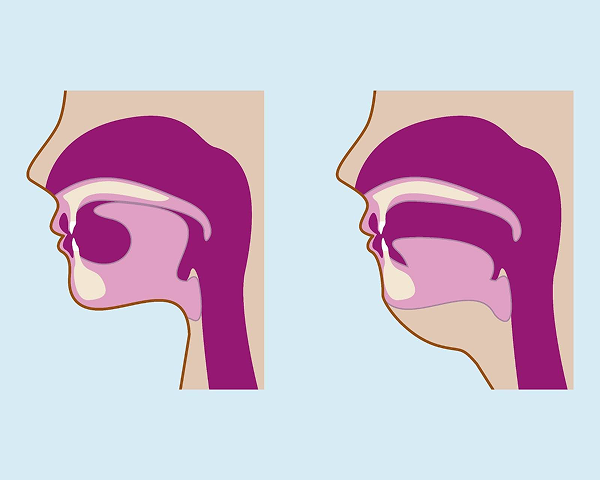
The Mewing method is based on the concept of correct tongue posture. It was introduced by Professor Mike Mew, an orthodontist and co-founder of the Orthotropics philosophy, which emphasizes guiding facial growth through posture and function rather than surgery alone.
Mewing focuses on:
- Keeping the tongue flat against the roof of the mouth (palate)
- Maintaining nasal breathing
- Encouraging proper head, neck, and jaw posture
The core idea is that consistent muscular forces, especially from the tongue, may influence facial bone positioning over time, particularly during growth years.
In Vietnam, Mewing methods are increasingly discussed on social media, fitness forums, and aesthetic communities as a non-invasive, low-cost approach to facial improvement.
See more: Does getting braces hurt? Which stage is the most painful?
2. How to Practice Mewing Method in Vietnam Correctly
Practicing the mewing method requires consistency, correct posture, and awareness of tongue and jaw positioning. The goal is not to apply force, but to maintain proper oral posture at rest. When done correctly, mewing can support oral function and complement orthodontic treatment, rather than replace it.
Step-by-Step Guide to Proper Mewing
First, gently close your lips and keep them relaxed. Your teeth should be either lightly touching or separated by a very small space. Avoid clenching or grinding, as this creates unnecessary tension. A proper lip seal naturally promotes nasal breathing, which is a key component of healthy oral posture.
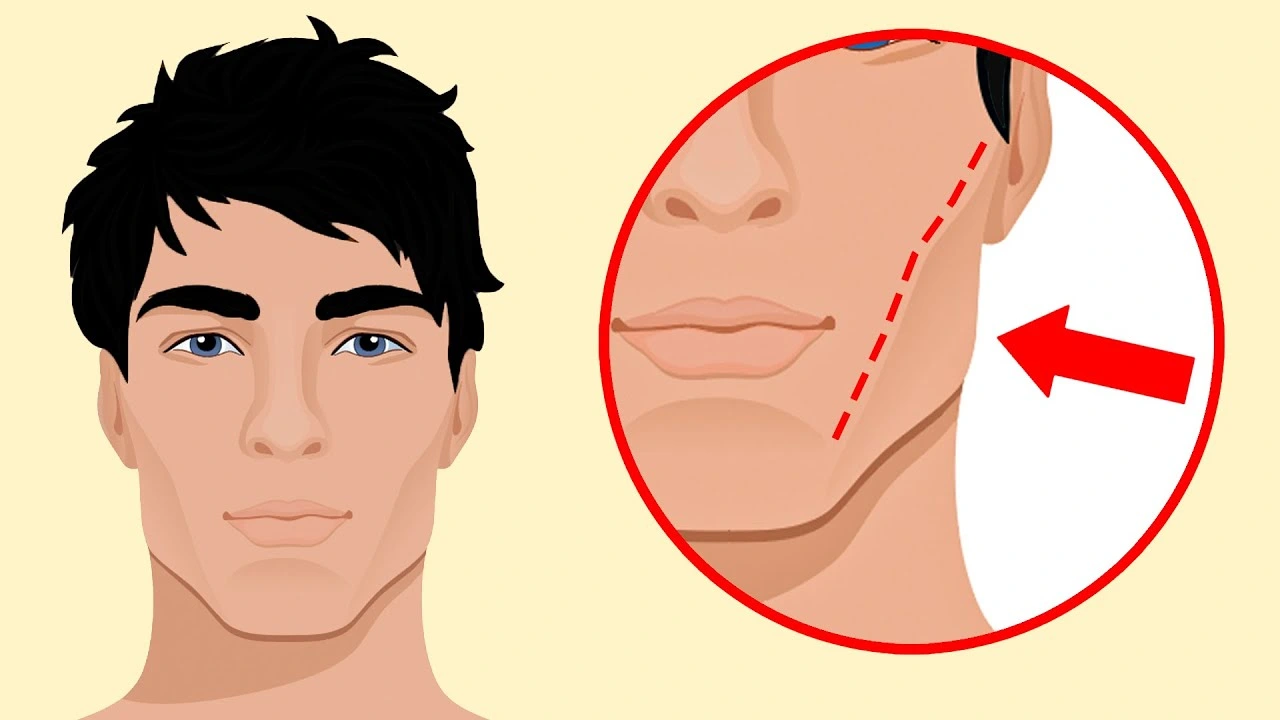
Next, allow your lower jaw to rest in a neutral and comfortable position, slightly behind the upper jaw. Do not push your jaw forward or force it backward, as this may strain the Temporomandibular Joint (TMJ) and lead to discomfort or dysfunction over time.
Then, raise your entire tongue to the roof of your mouth (the palate). This is the most critical step. The tongue should lie flat against the palate from front to back—not just the tip. Apply gentle, even pressure, as excessive force does not accelerate results and may cause strain.
Position the tip of your tongue lightly against the gum ridge just behind your upper front teeth, without touching the teeth themselves. This helps guide correct tongue posture while avoiding unnecessary pressure on the incisors, which could otherwise contribute to unwanted tooth movement.
Professional Guidance and Clinical Integration in Vietnam
While many people practice mewing on their own, professional supervision significantly improves both safety and effectiveness.
In Vietnam, modern dental clinics are increasingly incorporating oral posture training into orthodontic care. Instead of relying solely on self-practice, patients can receive structured guidance from trained professionals.
Orthodontists or specialists may:
- Assess tongue posture, breathing patterns, and jaw alignment
- Provide personalized exercises based on individual conditions
- Combine mewing-related techniques with treatments such as braces or clear aligners
- Monitor progress and adjust exercises over time
Some clinics also introduce approaches similar to Myofunctional Therapy, where patients are guided through specific tongue, lip, and breathing exercises. This is particularly beneficial for:
- Children and teenagers (during growth stages)
- Patients with mouth breathing habits
- Individuals with bite issues or mild facial imbalance
| Criteria | Vietnam | Other Countries (US, UK, Australia, etc.) |
| Approach | Often integrated into orthodontic or dental treatment | More commonly offered as independent myofunctional therapy programs |
| Level of Guidance | Increasing availability, but still developing | More standardized with certified specialists |
| Personalization | Varies by clinic | Highly individualized with structured protocols |
| Combination with Treatment | Frequently combined with braces/aligners | May be standalone or combined depending on the case |
See more: Orthodontic Treatment in Vietnam
3. Why Vietnamese People Want to Practice Mewing
In Vietnam, people are drawn to mewing mainly due to aesthetic goals, social media influence, and interest in oral health. The table below summarizes the most common motivations and how realistic each expectation is:
| Reason | Estimated % of People | Description of Motivation | Notes |
| Improve Facial Aesthetics | ~40–50% | Desire for a slimmer, more balanced face that fits beauty standards | Minor posture improvements are possible; significant bone changes (especially in adults) are unlikely |
| Achieve a Sharper Jawline (V-line) | ~20–30% | Influenced by Korean beauty standards, aiming for a defined jawline | Often confused with fat loss or genetics; mewing alone has limited impact |
| Follow Social Media Trends | ~15–25% | Influenced by TikTok and YouTube “before–after” transformations | Many claims are not evidence-based and may create unrealistic expectations |
| Correct Tongue Posture / Oral Health | ~10–15% | Interest in proper tongue placement for better oral development | This is the most valid and evidence-supported reason |
| Improve Breathing (Nasal Breathing) | ~5–10% | Aim to reduce mouth breathing and improve sleep quality | Can help when combined with good habits; not a standalone medical solution |
| Maintain Orthodontic Results | ~5–10% | Want to prevent teeth from shifting after braces | May support stability, but cannot replace retainers or professional care |
| Avoid Braces or Surgery | ~5–10% | Seeking a natural, low-cost alternative to dental treatment | Mewing cannot replace orthodontics or jaw surgery |
| Boost Confidence / Self-Image | ~10–20% | Believe facial improvement will increase confidence | Psychological benefits may occur even with minimal physical change |
Around 70–80% of Vietnamese people practice mewing primarily for appearance, heavily influenced by beauty standards and social media. Meanwhile, health-related reasons (such as tongue posture and breathing) are fewer but more scientifically grounded.
4. Complications of Practicing Mewing Incorrectly
Practicing mewing (proper tongue posture) can be beneficial when done correctly, but doing it wrong—especially with force or misunderstanding—can lead to several complications. Here’s a clear breakdown of what can go wrong and why:
| Complication | What Happens | Common Causes | Severity Level | Why This Level? | Estimated % in Vietnam* |
| Jaw Pain & TMJ Disorders | Pain, clicking, or stiffness in the jaw joint | Clenching teeth, pushing jaw forward unnaturally | ? High | TMJ issues can become chronic and affect eating, speaking, and daily comfort | ~15–25% of people practicing incorrectly report symptoms |
| Tooth Misalignment (Malocclusion) | Teeth shift forward, bite worsens (overbite/underbite) | Tongue pressing against front teeth instead of palate | ? High | Can permanently alter bite and may require orthodontic correction | ~10–20% show noticeable bite changes over time |
| Facial Muscle Strain | Tightness in cheeks, jaw fatigue, headaches | Overusing facial muscles, forcing posture | ? Moderate | Usually reversible but uncomfortable if prolonged | ~20–35% experience mild to moderate strain |
| Breathing Difficulties | Shortness of breath, improper nasal breathing | Forcing tongue position without proper airway support | ? Moderate | Can disrupt normal breathing habits but often fixable | ~10–15% report breathing discomfort |
| Psychological Effects | Frustration, obsession with appearance, unrealistic expectations | Expecting fast or dramatic results | ? Low → Moderate | Not physically harmful, but can affect mental well-being over time | ~25–40% feel dissatisfaction or pressure |
The most serious risks are bite changes and TMJ problems—these overlap strongly with orthodontics, which is something you’ve been exploring. Unlike muscle strain, these don’t always “go away” on their own.
5. Alternative Profession Dental Treatments Replace to Mewing Method in Vietnam
In recent years, mewing has gained popularity as a “natural” approach to improving facial aesthetics, jawline definition, and oral posture. However, as discussed in previous sections, its effectiveness—especially in adults—is limited and highly inconsistent. Many of the outcomes people expect from mewing, such as significant facial changes, improved bite alignment, or better breathing, are closely related to underlying dental and skeletal structures that typically require professional intervention rather than habit-based adjustments alone.
In Vietnam, the rapid development of dental services and orthodontic technologies has made a wide range of evidence-based treatments more accessible to the public. From orthodontics (braces and clear aligners) to cosmetic dentistry and even orthognathic surgery, these treatments are designed to address specific functional and aesthetic concerns with greater precision, predictability, and long-term stability. Unlike mewing—which relies heavily on self-practice and lacks standardized clinical guidance—professional dental treatments are supported by diagnosis, personalized planning, and continuous monitoring by specialists.
| Customer Demand | Professional Treatment Options in Vietnam | How It Works | Effectiveness Level |
| Improve Facial Aesthetics | – Orthodontics (braces, clear aligners) – Porcelain veneers / crowns | Align teeth & reshape smile for facial harmony | ? High |
| Achieve a Sharper Jawline | – Orthodontics (bite correction) – Orthognathic (jaw) surgery | Correct jaw alignment → improves facial profile | ? High (surgery) / ? Moderate (braces) |
| Correct Tongue Posture / Oral Health | – Myofunctional therapy (with dentist) – Orthodontics | Retrains tongue + fixes bite structure | ? Moderate → High |
| Improve Breathing (Nasal Breathing) | – Orthodontics (expand arch) – ENT treatment (airway, nasal) | Expands airway or treats obstruction | ? Moderate |
| Enhance Orthodontic Stability | – Retainers (fixed/removable) – Clear aligner refinement | Maintain teeth position after treatment | ? High |
| Avoid Braces or Surgery | – Invisalign / clear aligners – Lingual braces (hidden) | Invisible or less noticeable correction | ? Moderate |
| Boost Confidence / Self-Image | – Teeth whitening – Veneers / smile design | Immediate cosmetic improvement | ? High (short-term) |
6. The Cost Of Profession Dental Treatments in Vietnam
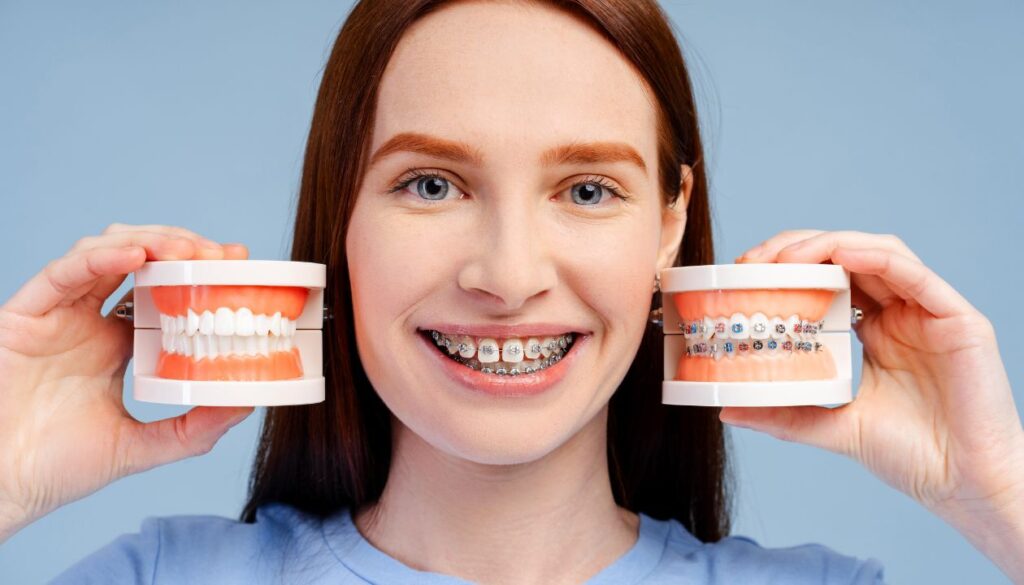
In Vietnam, professional dental care has become increasingly accessible, offering a wide range of treatments that address both aesthetic and functional concerns more effectively than self-practiced methods like mewing. However, one of the biggest factors influencing a patient’s decision is cost. Prices can vary depending on the clinic, technology used, case complexity, and the dentist’s expertise.
Understanding the cost structure is essential not only for financial planning but also for evaluating value for money—since some treatments provide long-term, stable results, while others focus on short-term cosmetic improvements. The table below compares common professional dental treatments in Vietnam based on cost, effectiveness, and suitability for different customer needs.
| Treatment | Vietnam (USD) | USA (USD) | UK / Europe (USD) | Australia (USD) | Savings vs USA |
| Metal Braces | $800 – $2,000 | $3,500 – $7,000 | $3,000 – $6,000 | $4,000 – $8,000 | ? 60–80% cheaper |
| Ceramic Braces | $1,000 – $3,200 | $4,000 – $8,500 | $3,500 – $7,000 | $4,500 – $9,000 | ? 50–75% cheaper |
| Clear Aligners (Invisalign) | $2,500 – $5,000 | $5,000 – $8,000 | $4,500 – $7,500 | $6,000 – $9,000 | ? 40–60% cheaper |
| Lingual Braces | $2,000 – $3,500 | $8,000 – $13,000 | $7,000 – $12,000 | $8,000 – $13,000 | ? 60–75% cheaper |
| Porcelain Veneers (per tooth) | $200 – $450 | ~$1,800 | $1,000 – $1,500 | $1,200 – $2,000 | ? 70–85% cheaper |
| Teeth Whitening | $150 – $250 | $300 – $800 | $250 – $600 | $400 – $1,000 | ? 40–70% cheaper |
| Dental Implant (single) | $800 – $1,500 | $3,000 – $6,000 | $2,500 – $5,000 | $3,000 – $6,500 | ? 60–75% cheaper |
| Jaw Surgery (Orthognathic) | $3,000 – $8,000 | $20,000 – $40,000 | $15,000 – $30,000 | $20,000 – $35,000 | ? 70–85% cheaper |
From a global perspective, Vietnam provides a high-value dental care market, where patients can achieve similar clinical outcomes at a significantly lower cost. While treatments in countries like the USA, UK, or Australia are often associated with advanced infrastructure and strict regulatory systems, Vietnam has rapidly closed the gap by adopting modern technologies and international standards in many clinics.
7. Where to Get Profession Dental Treatments in Vietnam?
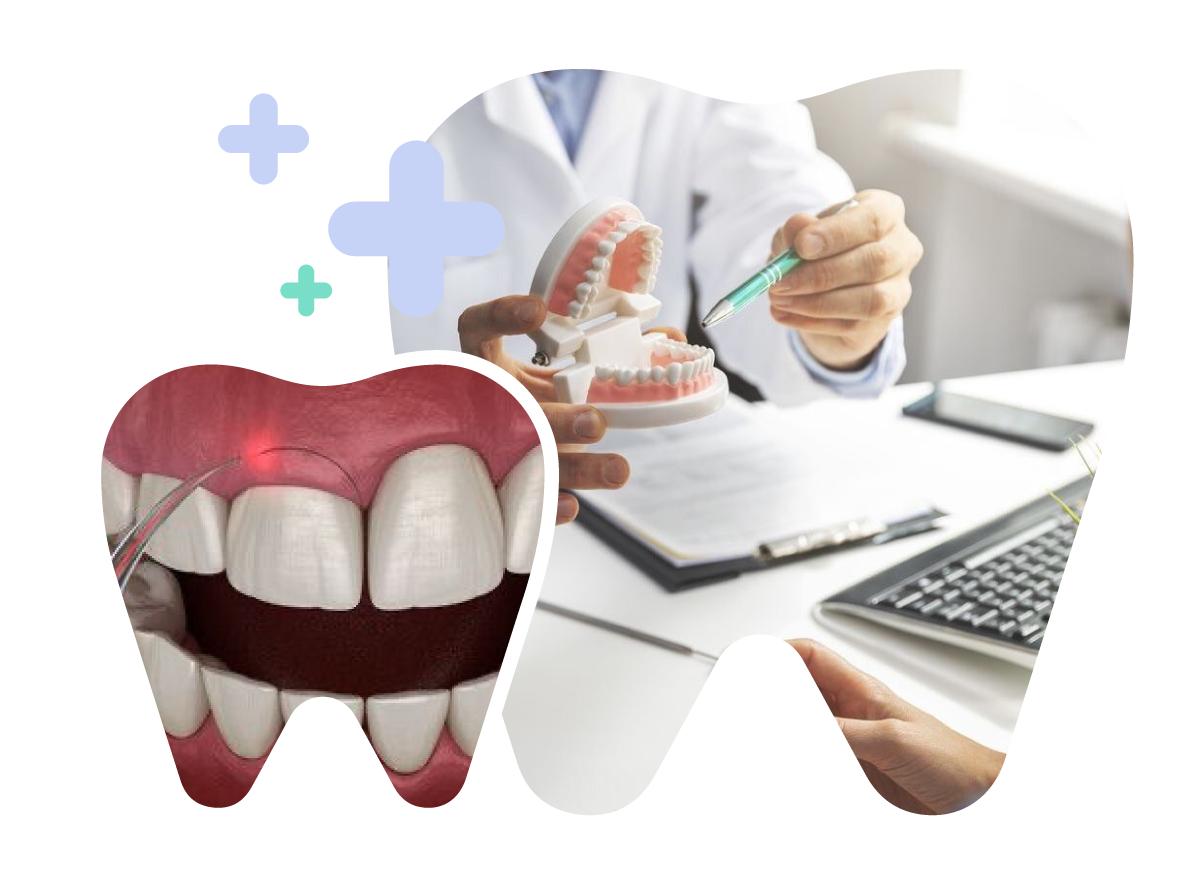
Founded in 2012, BeDental has become one of Vietnam’s reputable dental systems specializing in orthodontic treatment, with clinics in both Hanoi and Ho Chi Minh City. Over 12 years of operation, the clinic has treated more than 5,000 patients, including over 1,500 orthodontic cases. Approximately 70% of braces patients are adults, and overall treatment completion rates exceed 95%.
From the first consultation, patients undergo comprehensive oral examinations, including enamel assessment, gum evaluation, bite analysis, and jaw structure review. More than 85% of orthodontic cases are planned using 3D intraoral scanning and digital simulations, supported by Cone Beam CT imaging when indicated. This digital workflow has improved treatment precision by an estimated 25–30% and, in selected cases, reduced treatment time by 3–5 months.
Each treatment plan is fully customized, outlining the type of braces, orthodontic techniques, estimated duration, and staged progress expectations. Complex malocclusion cases account for nearly 40% of treated patients, reflecting the clinic’s experience in managing advanced orthodontic conditions.
BeDental emphasizes transparent pricing, with all costs clearly explained upfront and no hidden fees. Flexible 0% interest installment plans are available to improve financial accessibility. Internal surveys show patient satisfaction rates above 94%, particularly in communication clarity and treatment transparency.
During treatment, supportive procedures such as periodontal therapy or enhanced hygiene protocols may be recommended to optimize outcomes. Follow-up adherence exceeds 90%, and in cases of inflammation or delayed tooth movement, orthodontists proactively adjust strategies and inform patients promptly.
With experienced specialists, standardized medical protocols, and continuous investment in modern technology, BeDental positions itself as a reliable and clinically accountable destination for professional orthodontic care in Vietnam.
By seeking professional guidance first, you ensure that any effort to improve jaw or facial appearance is medically sound, personalized, and effective, helping you avoid unnecessary risks while achieving the best long-term outcome.
See more: Braces near me in Vietnam