


 English
 한국어
한국어 日本語
日本語 中文 (中国)


Methods to Cure Bad Breath in Vietnam: Bad breath, medically known as halitosis, is a widespread concern affecting millions of people worldwide. In Vietnam, bad breath is one of the most common reasons patients seek dental care, ranking just behind tooth decay and gum disease. While many people attempt to manage the condition with mouthwash or chewing gum, these methods often provide only temporary relief.
This article provides a comprehensive, evidence-based guide to the most effective methods to cure bad breath in Vietnam, explaining dental, medical, and lifestyle solutions, when to seek professional care, and why Vietnam has become a trusted destination for advanced halitosis treatment.
Understanding Bad Breath (Halitosis)
It is estimated that approximately 25–30% of the global population experiences chronic bad breath (halitosis) at some point in their lives. In Vietnam, the prevalence is estimated to be around 10–15% higher than the global average, largely due to a higher incidence of gum disease, dietary habits, smoking rates, and the tendency to delay professional dental visits until symptoms become severe.
Bad breath is recognized as the third most common reason patients seek dental treatment in Vietnam, following tooth decay and periodontal disease. Clinical studies indicate that over 85–90% of halitosis cases originate from oral causes, including plaque accumulation, gum inflammation, tongue coating, untreated cavities, and oral infections.
As a result, dental clinics in Vietnam have developed extensive clinical expertise and specialized treatment protocols to address halitosis at its root cause. Rather than providing temporary masking solutions, Vietnamese dental professionals focus on comprehensive periodontal therapy, advanced oral hygiene management, preventive dentistry, and patient education. This integrated approach not only eliminates bad breath effectively but also helps maintain long-term oral health stability and lasting fresh breath.
See more: Bleeding gums and 9 ways to cure at home
Common Causes of Bad Breath in Vietnam
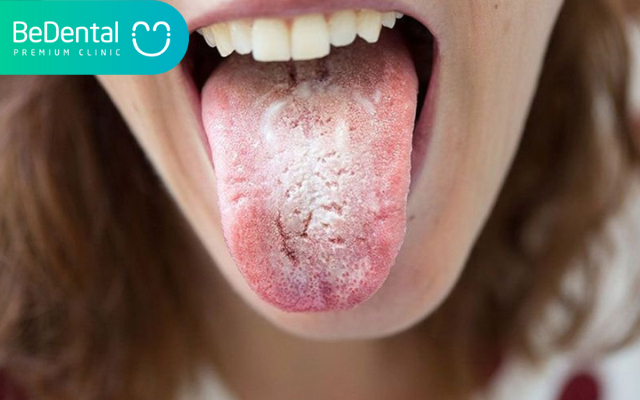
| Cause | Mechanism of Odor Production | Prevalence / Clinical Data | Contribution to Halitosis |
| Poor Oral Hygiene (Primary Cause) | Food debris → bacterial protein breakdown → volatile sulfur compounds (VSCs) such as hydrogen sulfide | Halitosis affects 20–30% of adults globally; 80–90% of cases are oral in origin | Primary cause in majority of cases |
| Gum Disease (Periodontitis) | Periodontal pockets harbor anaerobic bacteria producing methyl mercaptan and other VSCs | Periodontitis affects 10–15% of adults (severe form); gingivitis affects up to 50–70% of adults | Strong association with persistent halitosis |
| Tongue Coating | Anaerobic bacteria accumulate on posterior tongue surface | Tongue coating present in 40–60% of adults; major VSC source | One of the most significant odor sources |
| Dry Mouth (Xerostomia) | Reduced saliva → decreased natural cleansing → bacterial overgrowth | Affects 10–30% of adults; higher in elderly (>30%) | Increases halitosis risk significantly |
| Tooth Decay & Dental Infections | Cavities, abscesses trap bacteria and necrotic tissue | Dental caries affects 60–90% of adults worldwide | Causes localized foul odor; severe in abscess cases |
Methods to Cure Bad Breath in Vietnam
In Vietnam, bad breath treatment focuses on eliminating the root cause rather than masking symptoms. Depending on the severity and origin of halitosis, treatment may involve professional dental care, medical intervention, and supportive home or traditional remedies.
Professional Treatments
| Treatment Category | Vietnam – Current Practice | US / Europe / Japan – Standard Practice | Key Differences & Clinical Value |
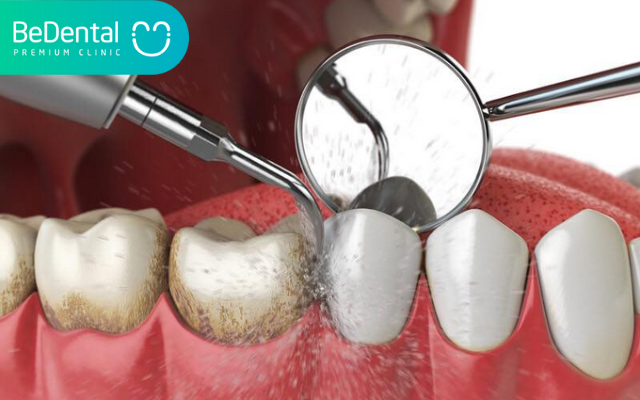
| Professional Dental Cleaning | Scaling & polishing widely available. Ultrasonic scalers commonly used. Cost-effective (60–80% lower than Western countries). | Ultrasonic + airflow polishing (e.g., EMS AirFlow®) frequently used. More emphasis on maintenance recall every 3–6 months. | Clinical effectiveness is comparable. Main difference lies in maintenance frequency and preventive culture. |
| Periodontal Therapy (Scaling & Root Planing) | Performed manually or with ultrasonic devices. Advanced clinics use laser-assisted periodontal therapy. | Often combined with periodontal charting software, bacterial testing, and adjunctive laser or localized antibiotic therapy. | Western protocols may include microbiological testing; Vietnam increasingly adopting similar technologies in major clinics. |
| Tongue Bacterial Control | Mechanical tongue scraping + antibacterial gels. Patient education emphasized. | Use of VSC measurement devices (Halimeter®) to quantify sulfur compounds. Some clinics perform bacterial culturing. | Western clinics quantify odor objectively; Vietnam focuses more on clinical observation and symptom-based evaluation. |
| Treatment of Caries & Infections | Fillings, root canal therapy, abscess drainage, extraction. Modern clinics use CBCT and rotary endodontics. | Similar procedures with higher integration of digital dentistry, microscope-assisted endodontics. | Success rates comparable when modern equipment is used. Cost difference significant (Vietnam 60–80% lower). |
| Dry Mouth (Xerostomia) Management | Hydration guidance, saliva stimulants, lifestyle counseling. Limited availability of prescription saliva substitutes. | Prescription saliva substitutes, sialogogues (e.g., pilocarpine), salivary gland imaging if needed. | Western countries may provide broader pharmacologic management. Vietnam focuses more on lifestyle-based solutions. |
| Extra-Oral Cause Management (GERD, H. pylori, ENT issues) | Referral to gastroenterology or ENT specialists. Increasing collaboration in major cities. | Integrated multidisciplinary approach; breath tests and endoscopy more routinely available. | Diagnostic access may be faster in developed countries, but Vietnam’s private hospitals now offer similar testing at lower cost. |
| Objective Halitosis Measurement | Not widely standardized; mostly clinical assessment. | Gas chromatography or portable VSC analyzers used in specialized clinics. | Western countries more likely to quantify halitosis with measurable data. |
| Preventive Education Culture | Growing awareness, but many patients seek treatment only after symptoms appear. | Strong preventive dentistry culture; routine hygiene visits common. | Prevention frequency is a major difference impacting recurrence rates. |
Home Treatments
Home care plays a supportive role in maintaining fresh breath after professional treatment. While these methods alone rarely cure chronic halitosis, they are effective in preventing recurrence.
1. Proper Daily Oral Hygiene
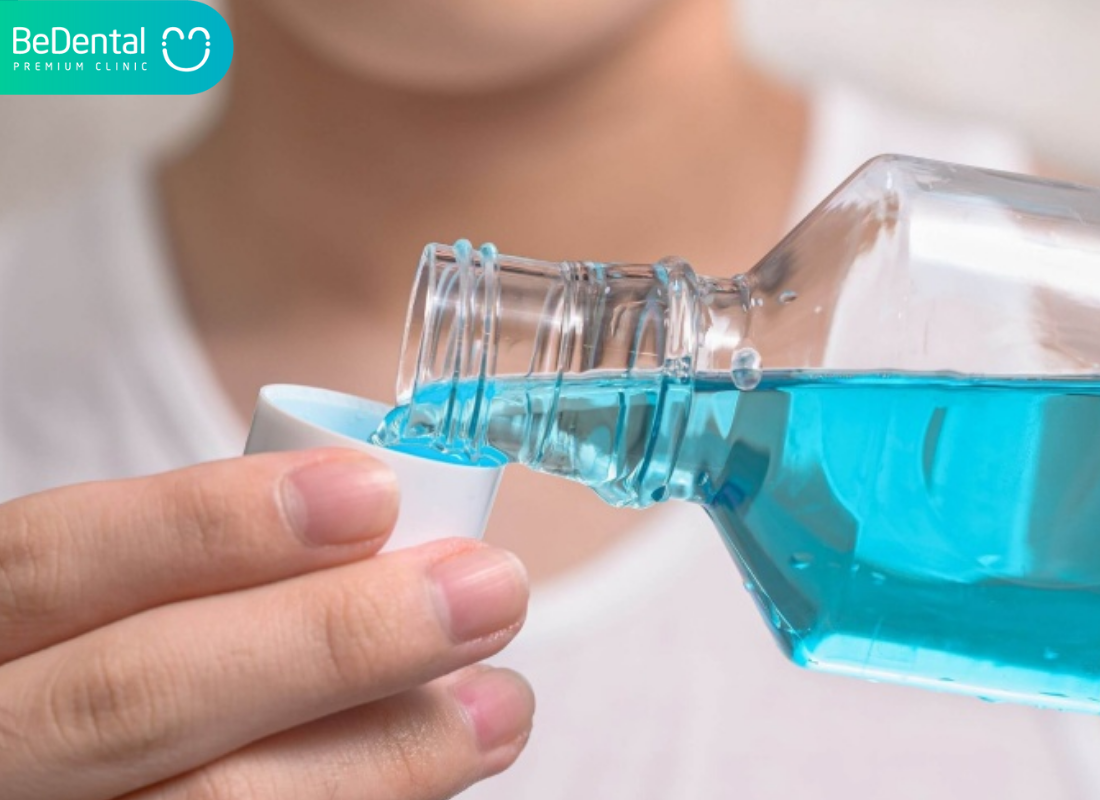
Maintaining consistent and correct oral hygiene is the foundation of preventing and controlling bad breath. Teeth should be brushed at least twice a day using fluoride toothpaste, with particular attention to the gumline where bacteria tend to accumulate. Flossing or using interdental brushes once daily is essential to remove food debris and plaque trapped between teeth—areas that a toothbrush cannot reach and a common source of odor-causing bacteria.
In addition, daily tongue cleaning with a tongue scraper or the back of a toothbrush is highly recommended, as the tongue—especially the back portion—harbors a large concentration of anaerobic bacteria responsible for sulfur-related odors.
2. Adequate Hydration
Drinking sufficient water—around 2 liters per day for most adults—plays a crucial role in controlling bad breath. Proper hydration stimulates saliva production, which acts as the mouth’s natural cleansing system by washing away bacteria, food particles, and acids.
A well-hydrated mouth is less likely to develop dry mouth (xerostomia), a condition that allows odor-causing bacteria to multiply rapidly. Sipping water throughout the day, especially after meals or coffee, helps maintain a balanced oral environment and fresher breath.
3. Traditional Herbal Mouth Rinses

In Vietnam, natural remedies are commonly used alongside dental care:
- Green tea is one of the most commonly recommended natural options. It contains catechins—powerful antioxidants with antibacterial properties—that help neutralize volatile sulfur compounds responsible for unpleasant odors. Regularly drinking unsweetened green tea or using it as a mouth rinse may temporarily freshen breath and reduce bacterial activity on the tongue and gums.
- Saltwater rinses are widely used for daily oral care. Warm saltwater helps limit bacterial growth, reduce gum inflammation, and promote healing of irritated oral tissues. This method is particularly beneficial for people with mild gingivitis, sore gums, or after dental procedures, as it supports a healthier oral environment.
- Guava leaf or mint leaf decoctions are traditional remedies in many Vietnamese households. Guava leaves contain natural antibacterial compounds that can inhibit odor-causing bacteria, while mint leaves provide a cooling sensation and temporary freshness. These herbal rinses may help reduce surface bacteria and improve breath comfort for short periods.
These methods provide temporary odor control but should not replace professional treatment.
See more: What is tongue scraping? 10 things you need to know
4. Dietary Adjustments
Reducing foods that promote odor—such as garlic, onions, alcohol, and excessive sugar—helps maintain fresh breath. Increasing fiber-rich foods supports saliva production and oral cleansing.
5. Avoid Smoking and Tobacco Products
Smoking dries the mouth, promotes gum disease, and introduces persistent odor. Quitting tobacco is one of the most effective lifestyle changes for long-term breath improvement.
Why Clinics Like BeDental Are Trusted for Bad Breath Treatment
BeDental is a reputable dental clinic in Vietnam specializing in comprehensive oral health care, including the diagnosis and treatment of chronic bad breath (halitosis). Rather than masking symptoms, BeDental focuses on identifying and treating the root causes of bad breath, whether they originate from dental, periodontal, or oral hygiene–related conditions.
Why Patients Choose BeDental for Bad Breath Treatment
Experienced dental specialists

BeDental’s dentists have 10+ years of clinical experience managing complex oral conditions linked to halitosis. Studies show that over 80–90% of chronic bad breath cases originate from oral causes, particularly gum disease and bacterial plaque.
The team prioritizes accurate diagnosis and long-term treatment rather than temporary solutions like mouthwash alone.
Advanced diagnostic technology
The clinic is equipped with modern diagnostic systems, including digital X-rays and Cone Beam CT (CBCT), allowing dentists to detect hidden dental infections, bone loss, impacted food debris, and periodontal issues that commonly cause persistent bad breath but are often missed during routine examinations.
High-quality restorative solutions
For halitosis caused by decayed teeth or leaking fillings, BeDental applies modern restorative techniques with precision sealing.
Proper restorations reduce bacterial retention and can lower recurrence of odor-related infections by up to 60–70% when combined with professional cleaning and periodontal care.
Premium, biocompatible materials
All materials are FDA- and ISO-certified, imported from Germany, the United States, and Japan. High-grade restorative materials demonstrate over 99% tissue compatibility and improved resistance to bacterial accumulation, supporting long-term freshness and oral stability.
Multilingual patient support
Approximately 25–30% of patients are expatriates or international visitors. English-speaking dentists and coordinators provide clear explanations and personalized care plans, ensuring patients fully understand treatment options and prevention strategies.
Long-term oral health focus
Rather than short-term relief, BeDental emphasizes professional cleaning, periodontal therapy, and hygiene education. Patients who follow recommended 6-month maintenance visits show over 85–90% improvement in halitosis control within the first year.
Whether your bad breath is caused by gum disease, dental infections, dry mouth, or underlying oral conditions, BeDental delivers safe, evidence-based, and patient-centered care designed to address the cause, not just the symptom, of halitosis.
Bad breath is not just a cosmetic concern, it is often a signal from your body. In Vietnam, where dental care is increasingly accessible and affordable, there is no reason to live with chronic halitosis.
See more: Bad Breath and 6 Common Questions
Patient Stories at BeDental
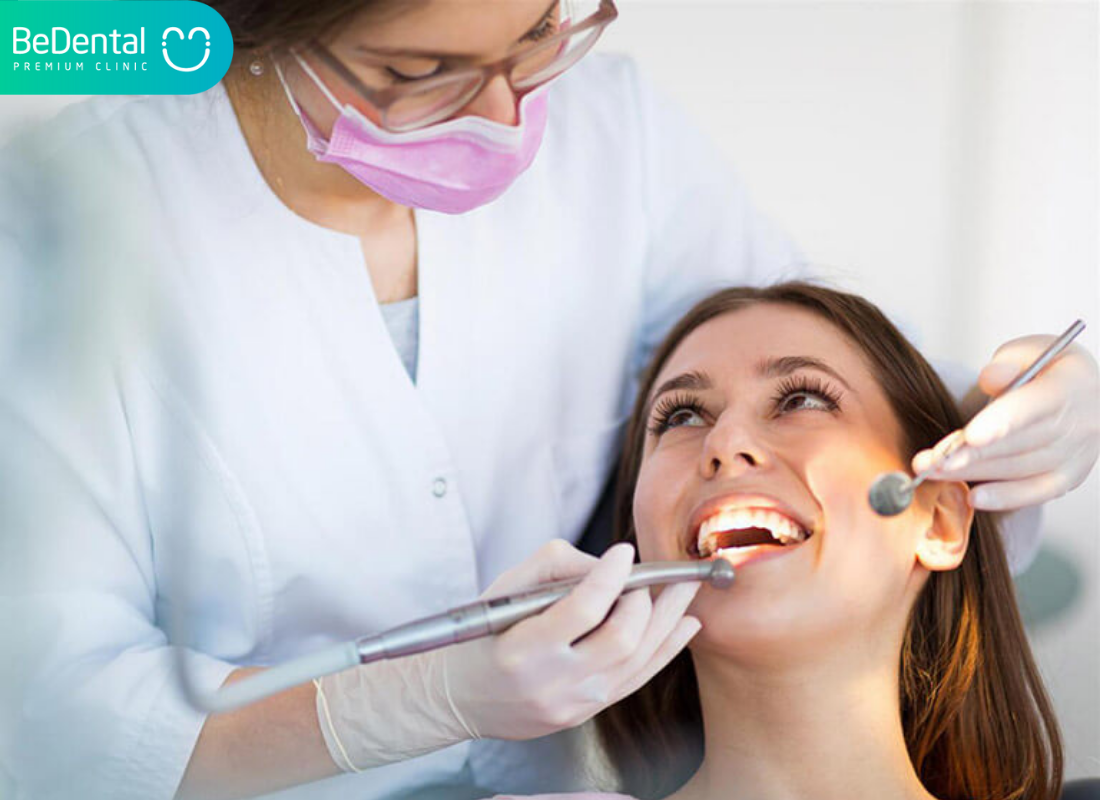
Patient Story 1: Chronic Bad Breath Caused by Hidden Gum Disease
Patient: Michael T., 34, Australia
Michael struggled with persistent bad breath for nearly three years despite good oral hygiene. The condition began affecting his confidence and work interactions.
At BeDental, examination revealed:
- Periodontal pockets of 5–6 mm
- Heavy tartar buildup below the gum line
- Early-stage periodontitis
He underwent scaling and root planing over two visits, along with personalized oral hygiene guidance.
Results:
Within two weeks, inflammation reduced significantly and breath improved. At his three-month follow-up, pocket depth decreased to 3 mm, and his confidence fully returned. He described proper diagnosis as the key turning point in resolving the issue.
Patient Story 2: Persistent Odor from Hidden Tooth Infection
Patient: Linh N., 29, Vietnam
Linh experienced chronic unpleasant taste and recurring bad breath that did not improve with mints or mouthwash.
Digital X-rays at BeDental revealed:
- Deep decay beneath an old filling
- Pulp infection with early abscess formation
She received root canal therapy and a CAD/CAM crown restoration.
Results:
Within one week, the unpleasant taste disappeared. At her one-month review, healing was complete and breath freshness was restored. She felt relieved knowing the root cause had been permanently treated.
If bad breath persists, a dentist is your first and most important point of contact.

Tư vấn chuyên môn bài viết:
BÁC SĨ DƯƠNG THỊ THÙY NGA
Tại BeDental, khách hàng có thể an tâm điều trị với dịch vụ bảo lãnh viện phí nha khoa nhanh chóng và tiện lợi. BeDental hiện liên kết với nhiều công ty bảo hiểm uy tín, hỗ trợ thanh toán trực tiếp chi phí các dịch vụ nha khoa như nhổ răng, trám răng, điều trị tủy, phục hình răng sứ... Quy trình linh hoạt, minh bạch giúp tiết kiệm thời gian và tối ưu chi phí. Hãy liên hệ BeDental để được tư vấn chi tiết và tận hưởng trải nghiệm chăm sóc răng miệng chuyên nghiệp, không lo gánh nặng tài chính.
? Các đơn vị nha khoa chấp nhận bảo lãnh bao gồm : Hùng Vương Insurance, Bảo Long Insurance, BSH (Bảo hiểm BSH), FWD Insurance Cathay Life Fubon Insurance, Tokio Marine Insurance Group VNI (Bảo hiểm Hàng không), HD Insurance MSIG AAA Insurance PTI (Bảo hiểm Bưu điện), BIDV MetLife, PJICO, Techcom, Insurance, AIA, Dai-ichi Life MIC GIC DBV Insurance VBI (Bảo hiểm VietinBank)
? Các công ty bảo hiểm BeDental có thể xuất hóa đơn: Manulife Dai-ichi Life Prudential AIA Hanwha Life PVI VCLI (Bảo hiểm nhân thọ Vietcombank - Cardif) BIC (Bảo hiểm BIDV), Bảo Việt Insurance và PVI