

 English
 한국어
한국어 日本語
日本語 中文 (中国)


Lingual Braces in Vietnam: Orthodontic treatment is one of the most effective ways to improve both smile aesthetics and long-term oral health. However, not everyone feels comfortable wearing visible braces during daily communication, work, or social interactions. This is why lingual braces in Vietnam, also known as inner braces, behind-the-teeth braces, or lingual orthodontics, have become a modern orthodontic trend for patients who prioritize aesthetics.
Unlike traditional braces that are attached to the front surface of the teeth, lingual braces are bonded to the inner (tongue-facing) surface of the teeth. This makes them virtually invisible when speaking, smiling, or laughing, allowing patients to undergo orthodontic treatment discreetly without affecting their appearance.
Why Is Vietnam a Top Destination for Orthodontic Treatment?
Vietnam’s growing reputation as a global hub for orthodontics, especially braces, is no coincidence. It is the result of strong medical education, advanced technology, and exceptional value for long-term treatments.
Highly Trained Orthodontic Specialists
Orthodontists in Vietnam undergo extensive training, including 6–8 years of dental education followed by specialized orthodontic programs. Many senior doctors at leading clinics such as BeDental have completed advanced training or certifications in countries like the USA, Germany, South Korea, or Japan. This international exposure ensures treatment protocols, biomechanics, and case planning are on par with global standards.
Significant Cost Advantages for Long-Term Braces
Braces require long-term follow-up, adjustments, and careful monitoring, making cost a major concern for patients. Thanks to lower operational and living costs, orthodontic treatment in Vietnam is far more affordable without compromising quality.
For example, comprehensive metal braces that may cost USD 4,000–7,000 in the US or Australia can be done in Vietnam for USD 800–1,500, using the same high-quality brackets and wires from global brands such as 3M Unitek, Ormco, or GC.
| Item | Vietnam (USD) | U.S. / Australia (USD) | Estimated Savings |
| Comprehensive Metal Braces (Full Case) | 800 – 1,500 | 4,000 – 7,000 | 60–75% lower |
| Average Monthly Adjustment Fee | Often included in package | 100 – 300 per visit | Significant cumulative savings |
| Total Estimated Cost Over 24 Months | 800 – 1,500 (package-based) | 5,000 – 8,000+ (including visits) | 4,000 – 6,500+ saved |
Advanced Orthodontic Technology
Vietnam’s top orthodontic clinics are fully equipped with modern diagnostic and treatment systems, including 3D CBCT imaging, digital intraoral scanners, and AI-assisted treatment planning. CBCT technology provides three-dimensional images with sub-millimeter accuracy (as precise as 0.1–0.2 mm), allowing orthodontists to evaluate bone structure, airway space, and root positioning before moving teeth.
Digital intraoral scanners can capture up to 5,000–6,000 images per second, producing highly accurate 3D models without traditional impression materials. Compared to conventional methods, digital workflows can reduce adjustment errors and may shorten overall treatment time by approximately 10–20% in selected cases. These technologies are particularly important for complex malocclusions, which account for roughly 25–35% of orthodontic cases in major urban clinics.
Wide Range of Braces Options
Patients in Vietnam can choose from a comprehensive range of orthodontic solutions, including metal braces, ceramic braces, self-ligating braces, lingual braces, and clear aligners. Globally, metal braces still account for approximately 50–60% of orthodontic treatments, while aesthetic options (ceramic and aligners) have increased steadily, now representing 35–45% of adult cases.
Self-ligating systems may reduce chair time by approximately 20–30% per visit, and clear aligners are especially popular among working professionals, with adults making up nearly 30–40% of orthodontic patients in urban areas. This flexibility makes Vietnam particularly attractive to both younger patients and adults seeking discreet orthodontic care.
Patient-Centered Care and Hospitality
Vietnamese clinics are known for attentive follow-up, clear communication, and personalized treatment plans. Standard orthodontic care typically involves follow-up visits every 4–6 weeks over an average treatment duration of 18–24 months, ensuring continuous monitoring and timely adjustments.
Many leading clinics in major cities report that 10–20% of their orthodontic patients are international or overseas Vietnamese, reflecting growing trust in service quality. English-speaking staff, transparent pricing, and structured treatment plans contribute to high patient satisfaction rates—often reported above 90% in internal clinic surveys.
Combined with Vietnam’s welcoming culture and competitive healthcare costs, this patient-centered approach makes long-term orthodontic treatment both clinically reliable and financially accessible.
See more: Braces near me in Vietnam
What Are Lingual Braces?
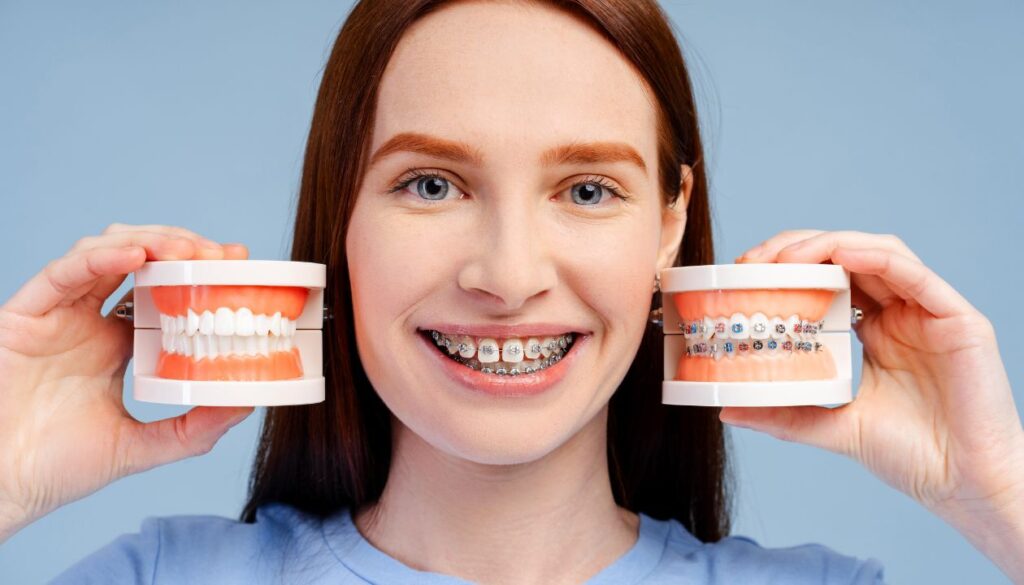
Lingual braces are a type of fixed orthodontic appliance in which brackets and wires are attached to the inner surfaces of the teeth, facing the tongue. From the outside, they are completely hidden, making them one of the most aesthetic orthodontic solutions available today.
In Vietnam, lingual braces are increasingly popular among professionals, public figures, and adults who want effective teeth straightening without visible braces. Despite being hidden, lingual braces use the same biomechanical principles as traditional braces and are capable of correcting a wide range of orthodontic issues.
Advantages of Lingual Braces
1. Superior Aesthetics
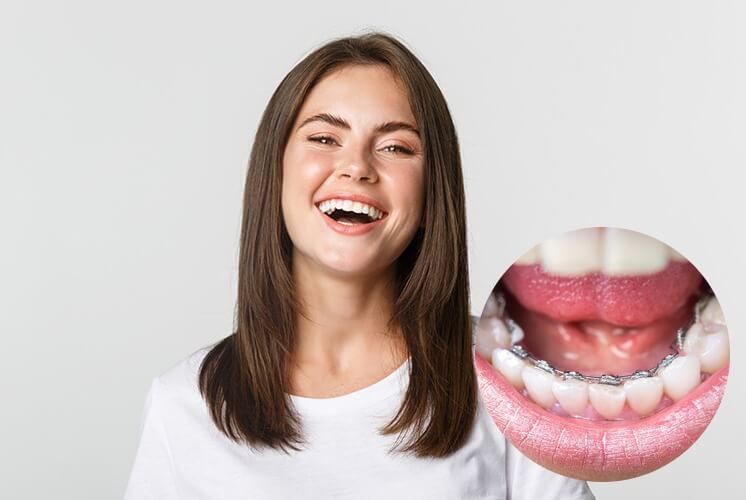
One of the biggest advantages of lingual braces in Vietnam is their exceptional aesthetic appeal. Because the brackets are placed on the inner surfaces of the teeth, they are virtually invisible to others.
This allows patients to:
- Smile confidently without worrying about visible metal brackets
- Speak and interact naturally in professional and social settings
- Appear brace-free in photos, meetings, and public appearances
For this reason, lingual braces are often chosen by celebrities, business professionals, teachers, customer-facing employees, and individuals who value discretion.
2. High Orthodontic Effectiveness
Although they are placed on the inside of the teeth, lingual braces are just as effective as traditional braces in correcting orthodontic problems such as:
- Protruding teeth (overbite)
- Underbite
- Crowded teeth
- Gaps between teeth
- Misaligned bite and jaw discrepancies
With customized brackets and precisely calculated archwire forces, teeth gradually move into their correct positions on the dental arch. When performed by an experienced orthodontist, lingual braces can successfully treat even complex cases.
See more: Does getting braces hurt? Which stage is the most painful?
Disadvantages of Lingual Braces
Despite their many benefits, lingual braces also come with certain limitations that patients should carefully consider before choosing this treatment option.
1. More Challenging Oral Hygiene

One of the biggest challenges of lingual braces is maintaining proper oral hygiene.
Because the brackets are placed on the inner surfaces of the teeth:
- They are difficult to see when brushing or flossing
- Food particles easily get trapped between brackets and wires
- Plaque buildup is more likely if cleaning is not thorough
Without proper care, patients may experience:
- Gum inflammation
- Tooth decay
- Bad breath during orthodontic treatment
To maintain oral health, patients wearing lingual braces should:
- Use interdental brushes and water flossers
- Learn proper brushing techniques specific to lingual braces
- Spend more time cleaning their teeth (approximately 10–15 minutes per session instead of the usual 3–5 minutes)
2. Higher Cost Compared to Other Braces
In Vietnam, the cost of lingual braces typically ranges from 85 to 125 million VND, depending on:
- The severity of dental misalignment
- Treatment complexity
- The clinic’s reputation and technology
This is significantly higher than other orthodontic options:
- Metal braces: 25–45 million VND
- Ceramic braces: 45–65 million VND
The higher cost is due to several factors:
- Complex technique: Lingual orthodontics requires highly skilled orthodontists
- Difficult manipulation: Adjustments are more time-consuming and technically demanding
- Personalized treatment: Brackets are often custom-made for each tooth, increasing production and material costs
3. Initial Discomfort and Speech Issues
Lingual braces often cause noticeable discomfort during the early stages of treatment.
Because the brackets are in direct contact with the tongue, patients may experience:
- Tongue irritation or soreness
- A feeling of bulkiness or obstruction
- Temporary speech difficulties, especially with sounds that involve tongue contact (such as “t”, “l”, “n”, “d”, “th”)
This adaptation period usually lasts 1–2 weeks, after which the tongue gradually adjusts. Patients with sensitive oral tissues may require a longer adjustment period.
Dental wax can be applied to bracket surfaces to reduce friction and protect the tongue. Mild discomfort may reoccur briefly after adjustment appointments, but it is usually less severe than during the initial phase.
See more: Orthodontic Treatment in Vietnam
Popular Types of Lingual Braces in Vietnam
Lingual braces are available in several designs, each suited to different orthodontic needs, budgets, and lifestyle expectations. In Vietnam, patients most commonly choose between traditional metal lingual braces and self-ligating lingual systems, depending on treatment complexity and comfort preferences.
| Category | Traditional Metal Lingual Braces | Self-Ligating Lingual Braces |
| Overview | Traditional metal lingual braces remain the most widely used lingual option in Vietnam, particularly for patients with moderate to severe malocclusions. These braces are made from high-quality stainless steel or medical-grade alloys and are valued for their reliability and strength. | Self-ligating lingual braces are considered a premium and increasingly popular choice, especially among professionals and international patients seeking faster treatment and greater comfort. |
| How they work | Metal brackets are bonded to the inner surfaces of the teeth and connected by archwires that apply controlled, continuous force to gradually move teeth into proper alignment. | These braces use built-in clips or sliding mechanisms to hold the archwire, eliminating the need for elastic ligatures. This design allows the wire to move more freely within the bracket, reducing friction. |
| Why patients choose them | They offer high orthodontic effectiveness, are suitable for complex bite problems, and are completely hidden from view. As a result, they are often recommended for patients who prioritize treatment outcomes over treatment time or initial comfort. | Patients are drawn to shorter adjustment times, reduced discomfort, fewer follow-up visits, and more efficient tooth movement—while still maintaining the full invisibility of lingual braces. |
| Limitations | Compared to labial (front) braces, they are more expensive and may cause temporary tongue discomfort, mild speech changes, and require more effort to clean during the adaptation period. | They come at a higher cost than traditional lingual braces and require a highly skilled orthodontist. Like all lingual systems, an adaptation period for the tongue is still expected. |
Why Choose BeDental for Lingual Braces in Vietnam?
Be Dental is a reputable orthodontic clinic specializing in advanced treatments, including lingual braces in Vietnam. Clinical data show that individualized orthodontic planning can improve treatment predictability by up to 20–30% compared to non-customized approaches. All treatment costs are explained transparently before treatment begins, allowing patients to plan with confidence and avoid unexpected financial adjustments during the average 18–30 month treatment period.
The clinic is equipped with digital X-rays and Cone Beam CT 3D imaging, along with customized lingual bracket systems tailored to each patient’s dental anatomy. Modern sterilization protocols are strictly applied to meet international safety standards.
What truly sets Be Dental apart is its 24/7 patient support, ensuring that assistance is always available for urgent concerns, post-adjustment discomfort, or travel-related scheduling needs. In addition, Be Dental’s multilingual staff, fluent in English and other languages—make communication seamless for international patients, from initial consultation to long-term follow-up.
By combining advanced orthodontic technology, transparent care, and round-the-clock support, Be Dental provides a reliable and comfortable choice for lingual braces in Vietnam.
Lingual braces in Vietnam are an excellent orthodontic solution for patients who seek effective teeth straightening without compromising aesthetics. While they require higher investment, careful oral hygiene, and an adaptation period, their invisible appearance and powerful orthodontic capabilities make them an ideal choice for many adults.
If you are considering lingual braces and want professional advice tailored to your dental condition, consulting an experienced orthodontist is the first step toward achieving a confident, healthy smile.
Tại BeDental, khách hàng có thể an tâm điều trị với dịch vụ bảo lãnh viện phí nha khoa nhanh chóng và tiện lợi. BeDental hiện liên kết với nhiều công ty bảo hiểm uy tín, hỗ trợ thanh toán trực tiếp chi phí các dịch vụ nha khoa như nhổ răng, trám răng, điều trị tủy, phục hình răng sứ... Quy trình linh hoạt, minh bạch giúp tiết kiệm thời gian và tối ưu chi phí. Hãy liên hệ BeDental để được tư vấn chi tiết và tận hưởng trải nghiệm chăm sóc răng miệng chuyên nghiệp, không lo gánh nặng tài chính.
? Các đơn vị nha khoa chấp nhận bảo lãnh bao gồm : Hùng Vương Insurance, Bảo Long Insurance, BSH (Bảo hiểm BSH), FWD Insurance Cathay Life Fubon Insurance, Tokio Marine Insurance Group VNI (Bảo hiểm Hàng không), HD Insurance MSIG AAA Insurance PTI (Bảo hiểm Bưu điện), BIDV MetLife, PJICO, Techcom, Insurance, AIA, Dai-ichi Life MIC GIC DBV Insurance VBI (Bảo hiểm VietinBank)
? Các công ty bảo hiểm BeDental có thể xuất hóa đơn: Manulife Dai-ichi Life Prudential AIA Hanwha Life PVI VCLI (Bảo hiểm nhân thọ Vietcombank - Cardif) BIC (Bảo hiểm BIDV), Bảo Việt Insurance và PVI