

 English
 한국어
한국어 日本語
日本語 中文 (中国)


“How long to wear retainers in Vietnam?” is one of the most frequently asked questions by patients after completing orthodontic treatment. After a long braces journey that may last from 1 to 3 years, removing the brackets does not mean that your teeth are permanently stable.
This is exactly the stage when you enter the retention phase, which is a crucial part of orthodontic treatment and plays a decisive role in whether your results can be maintained long-term. Many people underestimate this phase and assume that once braces are removed, the treatment is finished. In reality, retention is just as important as the active orthodontic phase.
So how long to wear retainers in Vietnam is considered sufficient? The answer depends on many factors and will be explained in detail below.
How Long to Wear Retainers in Vietnam?
How long to wear retainers in Vietnam varies from person to person and depends on multiple factors such as age, the severity of the initial misalignment, type of malocclusion, orthodontic method, bone remodeling speed, and daily habits. However, orthodontists generally provide standard reference timelines as follows.
Phase 1: The First 6–12 Months After Braces Removal
This is the most critical period to keep teeth stable.
During this phase, patients are required to wear retainers almost full-time, approximately 20 to 22 hours per day. Retainers should only be removed when eating or cleaning teeth.
The purpose of this intensive wearing schedule is to prevent teeth from shifting back to their original positions. At this stage, the periodontal ligaments and surrounding bone structures are still unstable and highly prone to relapse.
This phase usually lasts from 3 to 6 months, and in many cases can extend to 12 months depending on the orthodontist’s evaluation and the patient’s condition.
Phase 2: After 12 Months
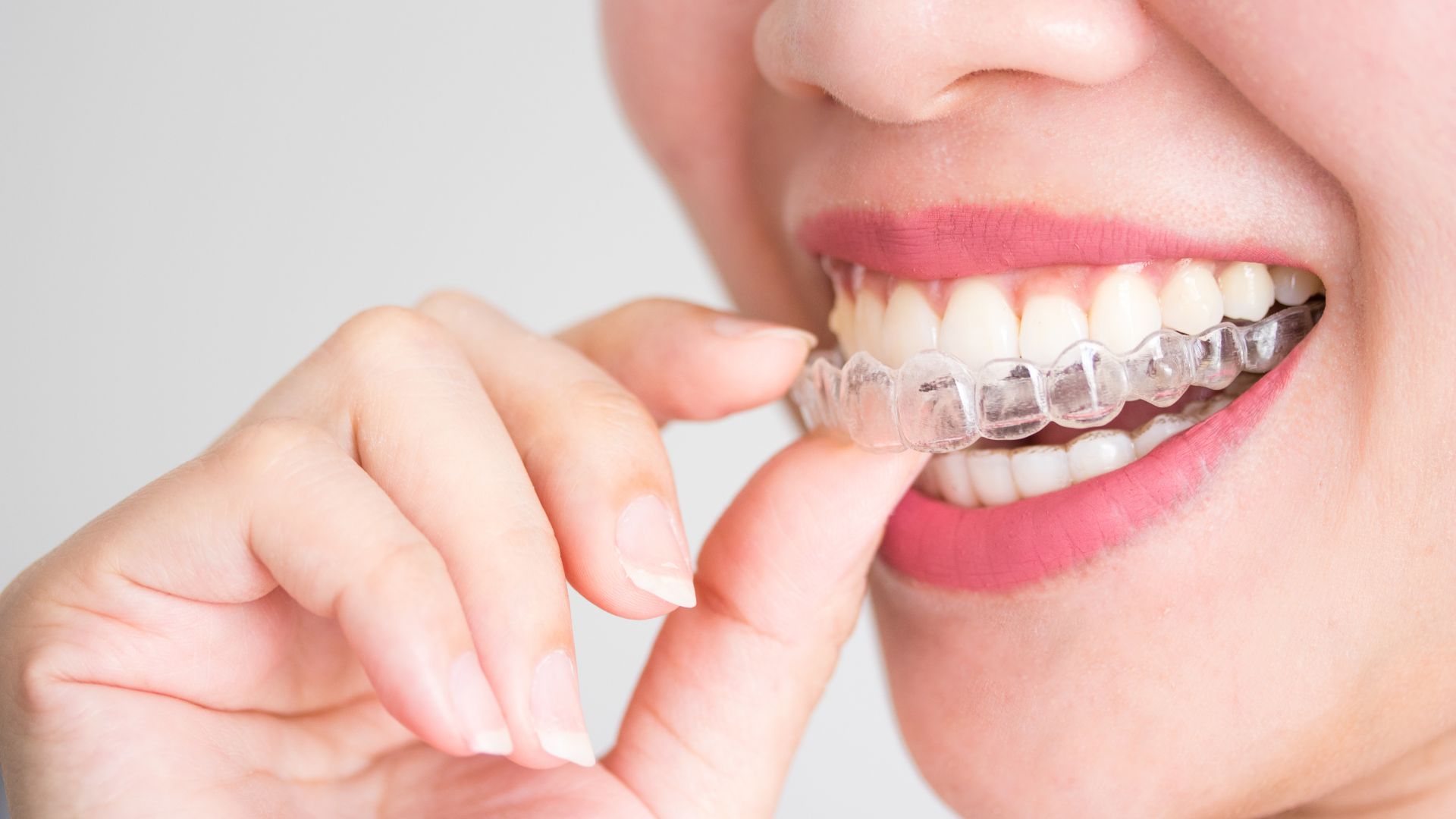
If the teeth show good stability, the orthodontist will gradually reduce the wearing time.
At this stage, most patients only need to wear retainers at night, about 8 to 10 hours per day.
The frequency may later be reduced to 3 to 5 nights per week, depending on how well the teeth remain stable and according to professional advice.
Phase 3: From 2–3 Years Onward
In many cases, teeth become relatively stable after 2 to 3 years. However, orthodontists still recommend wearing retainers at night a few times per week to minimize the risk of relapse, especially for patients who had severe misalignment initially.
Some individuals may need to wear retainers long-term or even for life, particularly if their bone structure is weak or if their teeth have a strong tendency to shift.
In modern orthodontics, the concept of “lifelong retention” is increasingly accepted, as teeth naturally move throughout life.
See more: Orthodontic Treatment in Vietnam
Factors That Affect How Long to Wear Retainers in Vietnam
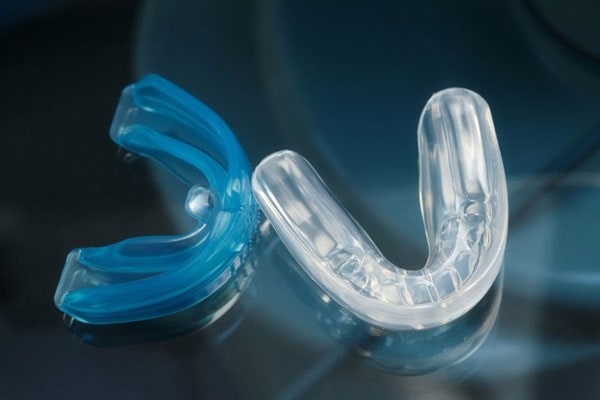
After orthodontic treatment, retainers play a key role in stabilizing teeth in their new positions. However, the retention duration is not the same for everyone. Understanding these factors will help explain why your orthodontist may recommend a longer or shorter retention period compared to others.
| Factor | Specific Condition | Why It Affects Retention | Estimated Retention Duration in Vietnam |
| Severity of Initial Misalignment | Mild misalignment (less than 2 mm crowding, minor spacing, slight rotation) | Teeth required minimal movement during orthodontic treatment. The surrounding bone and periodontal ligaments adapt relatively quickly, resulting in lower relapse risk. | 6 – 12 months of retention may be sufficient. |
| Moderate malocclusion (noticeable crowding, spacing, mild bite issues) | Teeth underwent moderate repositioning. Bone remodeling and soft tissue adaptation require additional time to stabilize new alignment. | 12 – 18 months of retention is commonly recommended. | |
| Severe crowding or complex malocclusion (protrusion, underbite, midline deviation, significant rotation) | Teeth and jaw structures were significantly altered. The greater the movement, the stronger the natural tendency for teeth to relapse to their original positions. | 18 months – 2 years or longer; in some cases, long-term or permanent retention may be advised. | |
| Age at the Time of Orthodontic Treatment | Under 18 years old | Younger patients have softer, more adaptable alveolar bone and faster cellular turnover. Periodontal tissues remodel more efficiently, allowing teeth to stabilize sooner. | 6 – 12 months in many cases, depending on complexity. |
| 18 – 30 years old | Bone density increases and remodeling slows compared to adolescents. Stabilization still occurs effectively but requires longer retention. | 12 – 18 months on average. | |
| Over 30 years old | Fully matured and denser jawbone adapts more slowly. Adults also have higher relapse tendencies due to reduced tissue elasticity. | 18 months – 2 years or longer, often combined with long-term nighttime wear. | |
| Type of Malocclusion & Treatment Method | Non-extraction treatment without jaw expansion | Tooth movement was moderate and did not significantly change arch width or jaw structure. Stability is generally easier to maintain. | 12 – 24 months of retention. |
| Extraction cases or large tooth retraction | Space closure and major repositioning create strong relapse forces. Teeth may naturally shift back toward extraction gaps. | 24 – 36 months of retention. | |
| Palatal expansion or orthognathic surgery | These treatments modify skeletal structure, not just tooth position. Long-term stabilization is essential to maintain both bite and facial balance. | 36 months or permanent retention, especially after surgery. | |
| Bone Remodeling & Periodontal Adaptation Speed | Fast biological response | Strong healing capacity and efficient bone regeneration reduce relapse risk. Orthodontists may gradually reduce wear time sooner. | 6 – 12 months (with close monitoring). |
| Average adaptation | Most patients fall into this category. Standard remodeling timeline applies. | 12 – 24 months. | |
| Slow adaptation or periodontal sensitivity | Delayed stabilization increases risk of relapse. Extended retention ensures tissues fully reorganize. | 18 – 36 months or longer. | |
| Type of Retainer Used | Removable retainers (clear plastic or Hawley) | Effectiveness depends on patient compliance. Must be worn full-time initially to allow periodontal fibers to reorganize. | Full-time wear for 3 – 6 months, then nighttime wear for at least 2 – 3 years or longer. |
| Fixed retainers (bonded wire behind teeth) | Provides continuous passive retention 24/7 without relying on patient discipline. Especially useful for lower front teeth where relapse risk is highest. | Minimum 10 years; often recommended permanently in high-risk cases. |
What Happens If You Do Not Wear Retainers Long Enough?
Failing to wear retainers as instructed can lead to serious consequences that compromise the entire orthodontic result.
Teeth Shifting Back and Crowding
After braces removal, teeth naturally tend to return toward their original positions due to elastic memory in the periodontal ligaments and soft tissues.
Clinical data indicates:
- Relapse rates without proper retention can reach 20–30% or higher
- Minor tooth movement (0.5–1 mm) can occur within the first 3–6 months without retainers
- Lower front teeth are particularly prone to relapse, affecting up to 50% of cases over long-term follow-up
Without consistent retainer use:
- Teeth may gradually shift
- Crowding can reappear
- Alignment may worsen compared to the immediate post-treatment result
This negates months or years of orthodontic effort (average treatment time: 18–24 months).
Negative Impact on Aesthetics and Bite
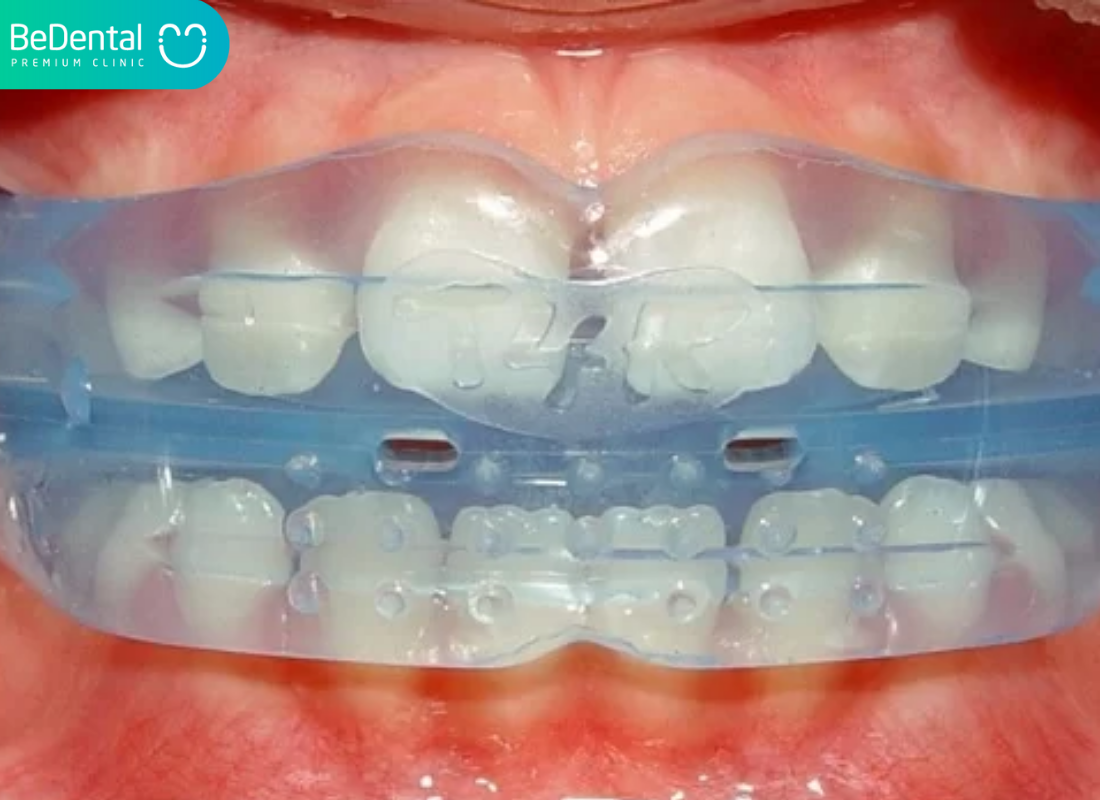
Relapsed teeth can disrupt bite balance and occlusion. Even small positional changes can affect how upper and lower teeth contact.
Possible consequences include:
- Deep bite or open bite recurrence
- Crossbite development (affects 8–23% of patients when untreated)
- Uneven occlusal contact
Improper bite alignment can reduce chewing efficiency and contribute to:
- Temporomandibular joint (TMJ) discomfort (affects 5–12% of adults)
- Jaw clicking or pain
- Headaches and muscle tension
From an aesthetic perspective, visible relapse can significantly reduce patient satisfaction and confidence.
Increased Cost and Time If Re-treatment Is Needed
If relapse becomes moderate to severe, orthodontic retreatment may be required.
Re-treatment typically involves:
- 6–18 additional months of braces or aligners
- New diagnostic imaging and appliance costs
- Additional follow-up visits
Financially, retreatment may cost 50–100% of the original treatment fee, depending on complexity.
Repeated orthodontic treatment may also increase:
- Enamel demineralization risk (white spot lesions affect 25–40% of orthodontic patients)
- Gum irritation
- Root resorption risk (clinically significant in 1–5% of cases)
Long-Term Oral Health Problems
Relapsed teeth create areas where plaque and food debris accumulate more easily, increasing the risk of cavities, gum disease, and periodontal infections.
Chronic inflammation weakens tooth support structures and may eventually lead to tooth mobility or early tooth loss.
Why Retention Is Just as Important as Braces
“How long to wear retainers in Vietnam?” is not just a technical question, but a fundamental factor determining the long-term success of orthodontic treatment.
Retention helps teeth remain in their new positions, prevents relapse, maintains bite balance, and preserves aesthetic results.
This phase is especially important for children and adolescents, as their jaws are still developing and teeth are more prone to movement.
Even in adults, retention remains essential because teeth naturally shift throughout life.
BeDental – A Trusted Dental Clinic for Braces in Vietnam
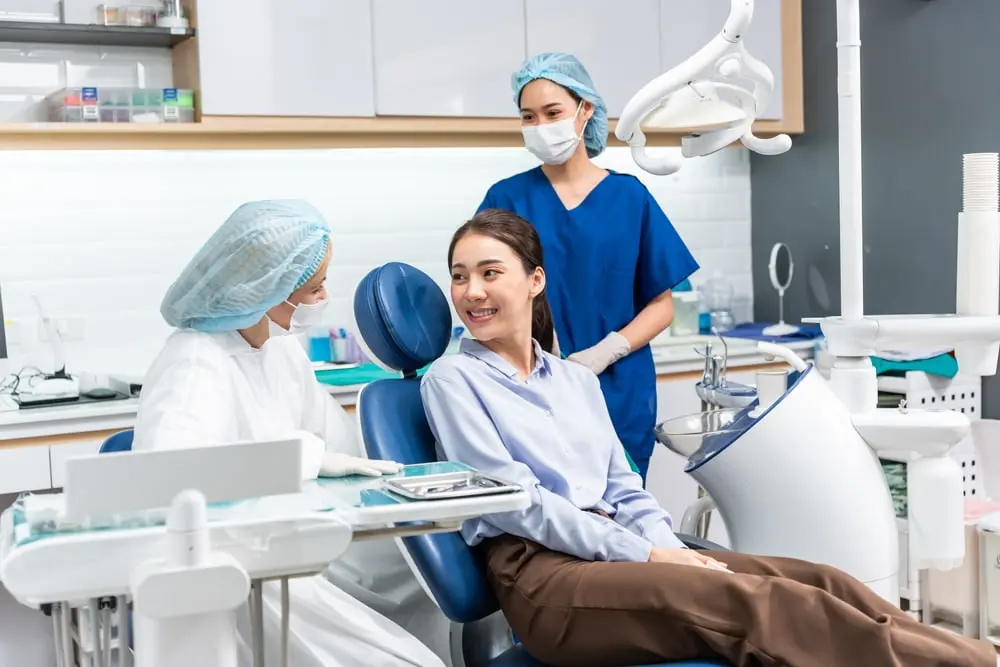
Founded in 2012, BeDental is a reputable orthodontic provider in Vietnam, with clinics in Hanoi and Ho Chi Minh City. Over 12 years, the clinic has treated more than 5,000 patients, including over 1,500 orthodontic cases, with a treatment completion rate exceeding 95%.
Because smoking can increase the risk of gum inflammation, dry mouth, and slower tissue response, BeDental places strong emphasis on comprehensive examination and monitoring. Every patient undergoes detailed enamel, gum, bite, and jaw assessments. More than 85% of orthodontic cases are digitally planned using 3D scanning and CBCT imaging, improving precision by an estimated 25–30% and allowing closer tracking of biological response.
Treatment plans are fully customized, and for patients who smoke, orthodontists may recommend enhanced hygiene protocols, periodontal support, or closer follow-up to reduce complications. Follow-up adherence exceeds 90%, and any signs of delayed tooth movement or inflammation are managed promptly.
With experienced specialists, transparent pricing, and standardized clinical protocols, BeDental provides structured and responsible orthodontic care for patients concerned about the effects of smoking during braces.
Final Conclusion: How Long to Wear Retainers in Vietnam?
So, how long to wear retainers in Vietnam? There is no single fixed answer.
In general, patients should expect to wear retainers full-time for at least 6 to 12 months, followed by nighttime wear for 1 to 3 years. In many cases, long-term or even lifelong retention is recommended, especially for severe cases or adult patients.
The key to successful orthodontic results lies not only in wearing braces but also in strict compliance with the retention phase.
If you or your child are planning orthodontic treatment, it is crucial to choose a reputable clinic with experienced orthodontists who can design a personalized retention plan.
A proper retention strategy ensures that the time, effort, and investment you put into orthodontic treatment result in a healthy, stable, and beautiful smile for many years to come.
See more: Does getting braces hurt? Which stage is the most painful?
Tại BeDental, khách hàng có thể an tâm điều trị với dịch vụ bảo lãnh viện phí nha khoa nhanh chóng và tiện lợi. BeDental hiện liên kết với nhiều công ty bảo hiểm uy tín, hỗ trợ thanh toán trực tiếp chi phí các dịch vụ nha khoa như nhổ răng, trám răng, điều trị tủy, phục hình răng sứ... Quy trình linh hoạt, minh bạch giúp tiết kiệm thời gian và tối ưu chi phí. Hãy liên hệ BeDental để được tư vấn chi tiết và tận hưởng trải nghiệm chăm sóc răng miệng chuyên nghiệp, không lo gánh nặng tài chính.
🔹 Các đơn vị nha khoa chấp nhận bảo lãnh bao gồm : Hùng Vương Insurance, Bảo Long Insurance, BSH (Bảo hiểm BSH), FWD Insurance Cathay Life Fubon Insurance, Tokio Marine Insurance Group VNI (Bảo hiểm Hàng không), HD Insurance MSIG AAA Insurance PTI (Bảo hiểm Bưu điện), BIDV MetLife, PJICO, Techcom, Insurance, AIA, Dai-ichi Life MIC GIC DBV Insurance VBI (Bảo hiểm VietinBank)
🔹 Các công ty bảo hiểm BeDental có thể xuất hóa đơn: Manulife Dai-ichi Life Prudential AIA Hanwha Life PVI VCLI (Bảo hiểm nhân thọ Vietcombank - Cardif) BIC (Bảo hiểm BIDV), Bảo Việt Insurance và PVI