


 English
 한국어
한국어 日本語
日本語 中文 (中国)


Fishy breath in Vietnam is a distressing and often misunderstood condition that affects both children and adults in Vietnam. Unlike common bad breath caused by food or poor oral hygiene, fishy-smelling breath is frequently associated with specific medical, dental, or metabolic issues that require proper diagnosis and targeted treatment. Many people attempt to mask the odor with mouthwash or gum, but these solutions rarely address the root cause.
This article provides a comprehensive guide to fishy breath in Vietnam, explaining what it is, why it happens, how it is diagnosed, and the most effective dental and medical treatments available today.
What Is Fishy Breath?
Fishy breath refers to a distinct odor resembling rotten fish or seafood that persists despite brushing, flossing, or using mouthwash. Unlike common morning breath—which affects up to 50–65% of adults upon waking and typically resolves after oral hygiene—fishy breath is uncommon and often signals an underlying medical condition.
Medically, this odor is frequently linked to the production of specific amine compounds, including:
- Trimethylamine (TMA) – a strong fish-like compound produced when gut bacteria metabolize nutrients found in fish, eggs, and organ meats. In individuals with trimethylaminuria (TMAU), a rare metabolic disorder affecting approximately 1 in 200,000–1,000,000 people worldwide, the body cannot properly break down TMA, leading to persistent fishy odor in breath, sweat, and urine.
- Dimethylamine – associated with protein decomposition and fermentation processes in the gut. Elevated levels may occur in liver or kidney dysfunction.
- Volatile sulfur compounds (VSCs) – such as hydrogen sulfide and methyl mercaptan, responsible for most halitosis cases (80–90% are oral in origin), but when combined with amines, can create a stronger fish-like smell.
These compounds are generated when bacteria or metabolic processes break down proteins in the mouth, digestive tract, or bloodstream. The human gut contains over 100 trillion microorganisms, and disturbances in gut microbiota or liver detoxification pathways can increase amine production.
Unlike temporary physiological halitosis, fishy breath is almost always pathological, particularly when it persists for more than 2–3 weeks or is accompanied by other symptoms such as excessive sweating odor, digestive discomfort, or systemic illness. Early medical evaluation is recommended to determine whether the source is oral, gastrointestinal, metabolic, or systemic in nature.
See more: Bleeding gums and 9 ways to cure at home
Distinguishing Fishy Breath from Common Halitosis
Fishy breath refers to a distinctive, persistent odor in the mouth that smells like rotten fish or seafood. While occasional bad breath is common and usually harmless, fishy breath is often linked to an underlying metabolic or oral health condition. In Vietnam, awareness of this condition is increasing, especially among individuals who notice a strong, persistent fish-like odor despite regular oral hygiene.

| Fishy Breath (TMAU-Related) | Common Halitosis (Typical Bad Breath) |
| Primary Cause A rare metabolic disorder called Trimethylaminuria (TMAU). The body lacks sufficient activity of the FMO3 enzyme, which normally converts trimethylamine (TMA) into a non-odorous compound. When this conversion fails, TMA accumulates and is released through breath, sweat, and urine. Estimated prevalence: 1 in 200,000–1,000,000 people worldwide. | Primary Cause Bacterial breakdown of food debris, plaque, and dead cells in the mouth. Anaerobic bacteria on the tongue and in gum pockets produce volatile sulfur compounds (VSCs). Accounts for 80–90% of all halitosis cases. Overall bad breath prevalence: 20–30% of the global population. |
| Biological Mechanism TMA is produced when gut bacteria metabolize choline-rich foods (fish, eggs, dairy, legumes). In healthy individuals, the liver neutralizes TMA. In TMAU, this detoxification pathway is impaired, leading to systemic odor. | Biological Mechanism Oral bacteria produce hydrogen sulfide and methyl mercaptan when proteins degrade. Poor brushing, gum inflammation, and tongue coating increase bacterial load and odor intensity. |
| Odor Characteristic Distinct, sharp fish or seafood-like smell. Often described as raw or rotten fish. The odor is noticeable even without recent food intake. | Odor Characteristic Stale, sulfur-like, sometimes similar to garlic or onions. Usually linked to recent meals, poor hygiene, or dry mouth. |
| Duration & Pattern Persistent and continuous throughout the day. Not limited to mornings. Not meal-dependent. Odor remains even after professional dental cleaning. | Duration & Pattern Often temporary. Morning breath is common due to reduced saliva (saliva flow drops 40–60% during sleep). Typically improves after brushing or hydration. |
| Response to Oral Hygiene Minimal to no improvement after brushing, flossing, tongue scraping, or mouthwash. Because the source is systemic, not oral. | Response to Oral Hygiene Significant improvement with proper brushing, flossing, and professional cleaning. Many cases resolve after scaling and plaque removal. |
| Associated Symptoms Odor may also be present in sweat and urine. Some individuals experience social anxiety or psychological distress due to constant smell. | Associated Symptoms May include bleeding gums (gingivitis affects 30–50% of children and many adults), visible plaque, dry mouth, or cavities (affecting 60–90% of people worldwide). |
How to Manage Fishy Breath
Managing fishy breath effectively requires a combination of careful dietary choices, consistent oral hygiene, lifestyle adjustments, and, in some cases, medical or pharmacological intervention. Since the odor in fishy breath is often caused by the accumulation of trimethylamine (TMA) in the body, strategies that reduce TMA production, support its metabolism, and control oral bacteria are essential.
Dietary Modifications

One of the most effective ways to manage fishy breath is through diet. Foods that are high in TMA precursors, such as choline, lecithin, and trimethylamine N-oxide, can increase the production of TMA in the digestive system. Therefore, individuals prone to fishy breath or diagnosed with trimethylaminuria (TMAU) are advised to limit certain foods. Fish and seafood, including mackerel, sardines, shellfish, and other seafood, are the primary sources. Eggs, poultry, soy products, certain legumes, and some nuts can also contribute to elevated TMA levels.
Conversely, increasing the intake of high-fiber fruits and vegetables can help manage fishy breath indirectly. Fiber supports healthy digestion, helps reduce the absorption of choline, and may promote a balanced gut microbiota, which plays a role in breaking down odor-causing compounds. Examples of beneficial foods include leafy greens, apples, carrots, cucumbers, and whole grains.
Highly processed and fried foods should also be limited, as they can exacerbate the odor by altering metabolism and affecting gut bacteria. Maintaining a diet rich in fresh, natural foods while avoiding excessive protein from high-choline sources can make a noticeable difference in controlling fishy breath.
Medical and Pharmacological Approaches
For some individuals, dietary adjustments alone are not enough, particularly in cases of genetic TMAU. Medical interventions may be necessary under the guidance of a healthcare professional.
One option is activated charcoal, which can bind TMA in the digestive tract, preventing its absorption and reducing the amount that enters the bloodstream. In some cases, physicians may also prescribe antioxidants or enzyme supplements to enhance the metabolism of TMA, helping the body convert it more efficiently into the odorless trimethylamine N-oxide.
Long-term management of severe cases often involves consultation with a metabolic specialist or clinical dietitian. Regular monitoring of TMA levels, assessment of diet, and adjustment of treatments can help individuals maintain quality of life while controlling the intensity of fishy breath.
Oral Hygiene Measures
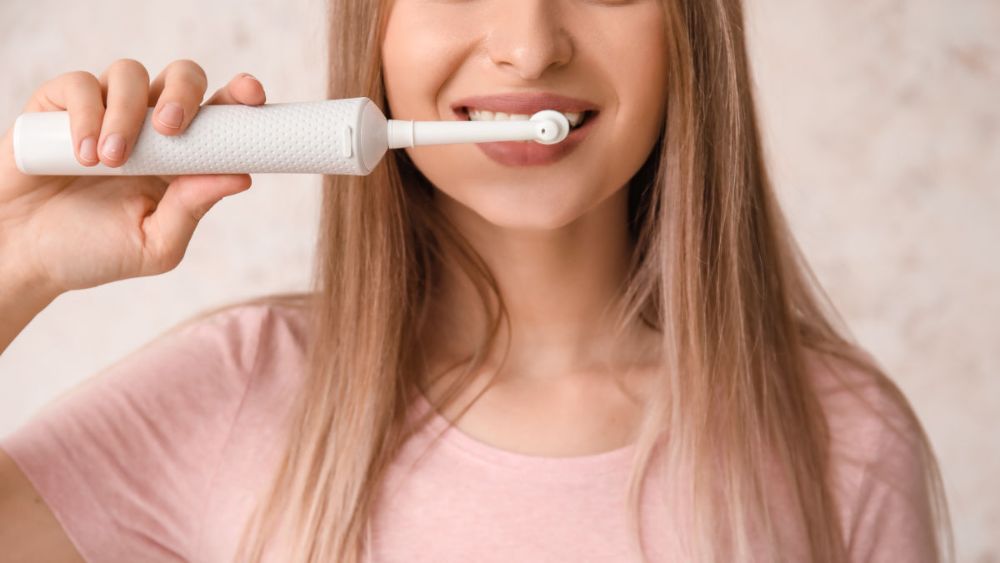
Even though fishy breath in TMAU originates from metabolic processes, excellent oral hygiene is still crucial to reduce bacterial contributions to overall odor. Brushing teeth at least twice a day with a fluoride toothpaste removes plaque and food debris that can exacerbate odor. For children or sensitive mouths, products like Colgate Kids, Sensodyne Pronamel, or Elmex can be gentle yet effective, while adults may benefit from Crest Pro-Health, Oral-B Complete, or Marvis toothpaste.
Cleaning the tongue is particularly important, as the back of the tongue can harbor bacteria that produce volatile sulfur compounds, adding to the overall smell. Using a tongue scraper or a toothbrush with a built-in scraper is recommended. Additionally, alcohol-free mouthwashes containing chlorhexidine or cetylpyridinium chloride can reduce oral bacteria without causing irritation or dryness. Examples include Listerine Zero, Crest Pro-Health Rinse, or Therabreath Fresh Breath Oral Rinse.
Routine visits to the dentist are essential for professional cleaning and monitoring. Dental scaling and polishing can remove tartar buildup that is difficult to reach with home brushing alone, further minimizing any oral bacterial contribution to the odor. These visits also allow the dentist to detect early signs of cavities, gum disease, or other oral conditions that might worsen breath odor if left untreated.
Lifestyle and Behavioral Adjustments
In addition to diet and oral hygiene, lifestyle changes can help manage fishy breath. Staying well-hydrated supports saliva production, which naturally helps flush bacteria and odor-causing compounds from the mouth. Regular exercise, sufficient sleep, and stress management are also beneficial, as overall metabolic health influences how the body processes compounds like TMA.
Some individuals may also benefit from tracking triggers. Keeping a food diary to identify specific items that exacerbate the odor can help tailor dietary strategies more effectively. Combining dietary awareness with consistent oral care creates a holistic approach that addresses both metabolic and oral contributors to fishy breath.
See more: What is tongue scraping? 10 things you need to know
Why Patients Choose BeDental for Curing Fishy Breath in Vietnam
Experienced dental specialists

BeDental’s dental team has over 10 years of clinical experience managing complex oral conditions that can contribute to fishy breath, such as gum disease, deep plaque accumulation, untreated cavities, and bacterial buildup on the tongue.
Clinical research shows that approximately 85–90% of chronic bad breath cases originate in the oral cavity, with periodontal disease alone accounting for nearly 30–50% of persistent halitosis cases.
Dentists focus on identifying the root cause of persistent fishy odors and providing long-term solutions rather than temporary measures like mouthwash alone, which typically masks odor for only 1–3 hours without addressing bacterial sources.
Advanced diagnostic technology
The clinic is equipped with state-of-the-art diagnostic tools, including digital X-rays and Cone Beam CT (CBCT). These allow dentists to detect hidden dental infections, impacted food debris, early-stage gum disease, and other oral conditions that may intensify fishy breath, yet are often overlooked during routine examinations.
High-quality restorative solutions
For fishy breath linked to decayed teeth, leaking fillings, or old restorations that trap odor-causing bacteria, BeDental employs advanced restorative techniques. Studies indicate that defective restorations can increase bacterial retention by up to 2–3 times compared to properly sealed surfaces.
Using premium dental materials, the clinic effectively seals teeth, restores their function, and eliminates bacterial reservoirs that contribute to persistent odors. Proper restorative treatment can reduce odor-causing volatile sulfur compounds (VSCs) by over 60% in affected patients.
Premium, biocompatible materials
All materials used at BeDental are FDA- and ISO-certified and imported from Germany, the United States, and Japan. These materials are not only safe and durable but also designed to reduce bacterial retention—a critical factor in preventing recurring fishy breath.
Multilingual patient support

BeDental provides English-speaking dentists and dedicated patient coordinators to ensure clear communication and thorough explanations for both local and international patients seeking fishy breath treatment in Vietnam. Clear patient education has been associated with up to 30% improvement in long-term oral hygiene compliance, supporting sustained breath freshness after treatment.
Long-term oral health focus
BeDental emphasizes preventive care and oral hygiene education to maintain fresh breath over time. The clinic provides follow-up care and personalized strategies to help patients manage contributing factors, whether from oral bacteria, tongue coating, dental issues, or metabolic conditions like trimethylaminuria.
Fishy breath is more than just an unpleasant odor—it can indicate underlying metabolic or oral health issues. In Vietnam, where modern dental care is increasingly accessible and affordable, there is no reason to live with persistent fishy breath. BeDental offers safe, evidence-based, and patient-centered care to address the root cause, restore confidence, and promote long-term oral health.
See more: Bad Breath and 6 Common Questions

Tư vấn chuyên môn bài viết:
BÁC SĨ DƯƠNG THỊ THÙY NGA
Tại BeDental, khách hàng có thể an tâm điều trị với dịch vụ bảo lãnh viện phí nha khoa nhanh chóng và tiện lợi. BeDental hiện liên kết với nhiều công ty bảo hiểm uy tín, hỗ trợ thanh toán trực tiếp chi phí các dịch vụ nha khoa như nhổ răng, trám răng, điều trị tủy, phục hình răng sứ... Quy trình linh hoạt, minh bạch giúp tiết kiệm thời gian và tối ưu chi phí. Hãy liên hệ BeDental để được tư vấn chi tiết và tận hưởng trải nghiệm chăm sóc răng miệng chuyên nghiệp, không lo gánh nặng tài chính.
? Các đơn vị nha khoa chấp nhận bảo lãnh bao gồm : Hùng Vương Insurance, Bảo Long Insurance, BSH (Bảo hiểm BSH), FWD Insurance Cathay Life Fubon Insurance, Tokio Marine Insurance Group VNI (Bảo hiểm Hàng không), HD Insurance MSIG AAA Insurance PTI (Bảo hiểm Bưu điện), BIDV MetLife, PJICO, Techcom, Insurance, AIA, Dai-ichi Life MIC GIC DBV Insurance VBI (Bảo hiểm VietinBank)
? Các công ty bảo hiểm BeDental có thể xuất hóa đơn: Manulife Dai-ichi Life Prudential AIA Hanwha Life PVI VCLI (Bảo hiểm nhân thọ Vietcombank - Cardif) BIC (Bảo hiểm BIDV), Bảo Việt Insurance và PVI