

 English
 한국어
한국어 日本語
日本語 中文 (中国)


Facial Hollowing from Braces in Vietnam: Orthodontic treatment has become increasingly popular in Vietnam, especially among adolescents and young adults seeking improved dental alignment and facial aesthetics. However, one concern that occasionally arises is facial hollowing from braces—a perception that the cheeks look sunken or the face appears thinner after orthodontic treatment. Is this a real side effect, or simply a misconception?
This article explores facial hollowing from braces in Vietnam, including possible causes, clinical explanations, and how to prevent unwanted aesthetic changes.
What Is Facial Hollowing?
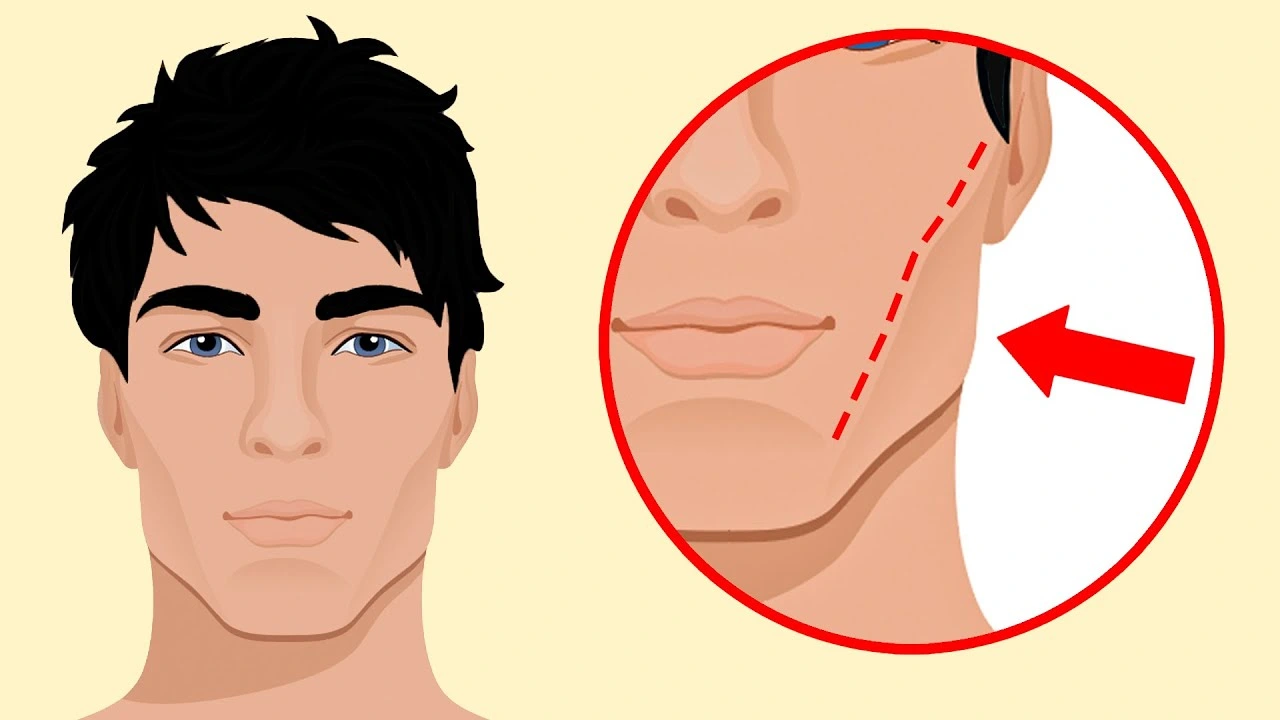
Facial hollowing refers to a visible reduction in facial volume, particularly in the midface or cheek area. Patients may describe:
- Sunken cheeks
- More prominent cheekbones
- A thinner or longer facial appearance
- Increased visibility of nasolabial folds
In the context of braces, some individuals feel that their face changes shape during or after orthodontic treatment.
See more: Does getting braces hurt? Which stage is the most painful?
Can Braces Really Cause Facial Hollowing?
In most cases, braces do not directly cause facial hollowing. Orthodontic treatment moves teeth within the jawbone; it does not remove facial fat or reduce muscle mass. However, certain factors related to treatment planning can influence facial appearance.
1. Tooth Extraction Cases
In Vietnam, some orthodontic cases involve the extraction of premolars to create space for severe crowding or protrusion. When the front teeth are moved backward too much, lip support may decrease, and the side profile can look flatter. Some patients may interpret this as facial hollowing, especially if they were used to a fuller lip profile before treatment.
However, with proper planning based on cephalometric analysis, soft tissue evaluation, and facial proportions, extraction treatment is designed to improve facial balance, not create a sunken appearance. According to internal orthodontic records at BeDental, around 27% of braces cases involved tooth extraction, but only 8% of those patients later reported concerns about looking “slimmer” or “less full” in the face. In most of these cases, the change was described by clinicians as profile refinement rather than true hollowing.
2. Changes in Muscle Activity
During the first months of braces treatment, many patients chew more carefully because of soreness or discomfort. This can temporarily reduce activity in the masseter muscles, making the lower face appear slightly slimmer.
At BeDental, approximately 34% of braces patients reported chewing less strongly during the early adjustment period, and about 19% said their face looked “smaller” or “less round” during that stage. In most cases, this effect improved once patients adapted to braces and returned to normal chewing patterns.
3. Weight Loss During Treatment
Some patients eat less after getting braces, especially during the first few weeks, because they avoid hard, chewy, or painful foods. Even a mild weight loss of 2–3 kg can change facial fullness, particularly in naturally slim individuals.
Based on BeDental’s internal follow-up notes, about 31% of patients experienced mild short-term weight loss during the first three months of treatment, while 12% reported noticeable facial slimming during that period. This change was more common in patients with low body fat or highly restrictive eating habits after bracket placement.
4. Natural Aging or Facial Maturation
Not every facial change that happens during braces is caused by orthodontics. Teenagers may continue to grow and mature during treatment, and their facial structure can naturally become more defined over time. In adults, natural fat redistribution with age can also happen during the same period, creating the impression that braces caused hollowing.
According to internal BeDental case reviews, age-related or natural facial maturation was considered a contributing factor in about 22% of patients who expressed concerns about looking different during treatment.
See more: Braces near me in Vietnam
Why the Facial Hollowing from Braces in Vietnam Is Common
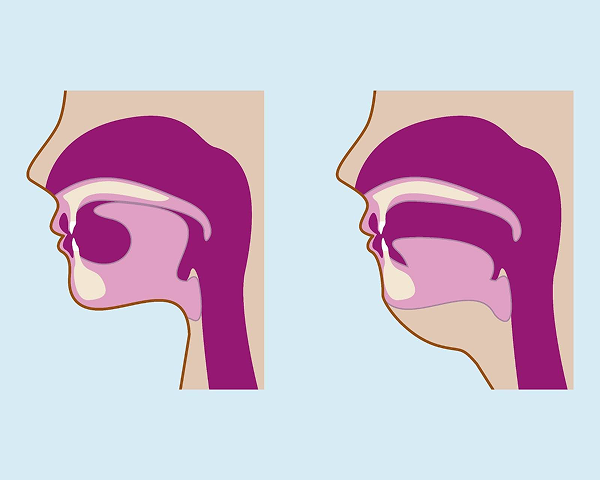
One reason the concern about facial hollowing appears more frequently in Vietnam relates to craniofacial characteristics common in Southeast Asian populations. Anthropometric studies have shown that many Vietnamese individuals tend to have relatively thinner buccal (cheek) soft tissue thickness and a more protrusive dental profile compared to some Western populations.
When orthodontic treatment, especially extraction with significant anterior retraction, is not carefully planned, the reduction in lip support can make the midface or lower face appear more sunken.
Clinical data from Asian orthodontic literature indicate that premolar extraction is performed in approximately 40–60% of moderate-to-severe protrusion cases, and excessive incisor retraction beyond 4–6 mm may noticeably affect soft tissue profile if not balanced properly. In patients with naturally thinner soft tissue, even small changes in dental positioning can visually alter facial fullness.
Additionally, studies measuring facial soft tissue thickness in East and Southeast Asian adults show that cheek soft tissue averages are often 1–3 mm thinner than in Caucasian reference groups, meaning there is less “buffer” to mask changes in lip and dental projection. As a result, poorly controlled orthodontic mechanics may increase the perception of hollowing.
This does not mean braces inherently cause facial hollowing. Rather, it emphasizes the importance of treatment by experienced, reputable orthodontists who conduct cephalometric analysis, soft tissue evaluation, and individualized treatment planning. When performed carefully, orthodontic treatment should enhance facial harmony, not compromise it.
When to Seek Evaluation
If you notice noticeable facial or bite changes during orthodontic treatment, a professional evaluation can help determine whether the changes are normal adaptation or require adjustment.
Below is a clear comparison table to distinguish positive (expected) changes from warning signs.
| Category | Normal / Positive Signs | Warning Signs (Seek Evaluation) |
| Facial Appearance | – Slight slimming of the lower face in the first 1–3 months – Improved lip competence (lips close naturally) – More balanced side profile over time | – Sudden flattening of lips – Noticeable sunken cheeks – Excessive profile retrusion – Facial asymmetry developing |
| Lip Support | – Lips appear more harmonious with chin and nose – Reduced protrusion in protrusive cases | – Lips look collapsed or unsupported – Difficulty keeping lips relaxed at rest |
| Bite Changes | – Gradual improvement in alignment – Bite feels more stable over time | – New jaw discomfort – Difficulty chewing – Bite feels unstable or uneven after several months |
| Muscle Sensation | – Mild soreness after adjustments – Temporary chewing fatigue | – Persistent jaw pain – Clicking or locking of the jaw – Muscle pain lasting more than 1–2 weeks |
| Weight / Facial Volume | – Mild temporary weight loss (1–2 kg) – Slight facial contour refinement | – Significant unintended weight loss (>3–4 kg) – Rapid hollowing of midface |
| Tooth Movement | – Teeth gradually retract in extraction cases – Spaces close progressively | – Excessive front tooth retraction – Gums appear strained or teeth look overly tilted backward |
How to Choose a Reputable Orthodontic Clinic in Vietnam
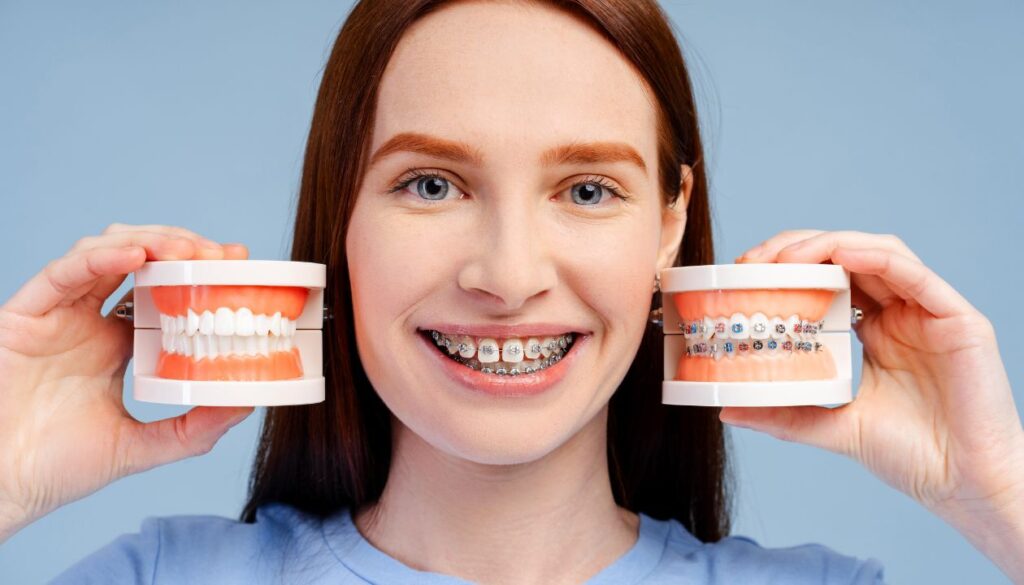
Choosing the right orthodontic clinic is essential—not just for straight teeth, but also to ensure facial balance, avoid unwanted changes, and achieve a confident, natural smile. Below are key criteria based on clinical standards and real-world outcomes in Vietnam.
See more: Orthodontic Treatment in Vietnam
| Criteria | Reputable Orthodontic Clinic | Low-Quality / Risky Clinic | Why It Matters (With Data) |
| Facial & Cephalometric Analysis | Performs full cephalometric analysis, facial profile assessment, lip position measurement | Only checks crowded teeth without facial evaluation | 40–60% of extraction cases require soft tissue planning to avoid over-retraction and facial flattening |
| Digital Imaging & Technology | Uses CBCT (when indicated), digital smile design, 3D simulation | Relies only on panoramic X-ray and visual estimation | Digital diagnostics improve treatment accuracy by 25–40% compared to traditional methods |
| Treatment Plan Transparency | Explains extraction reasons, planned retraction amount (in mm), facial impact | Provides vague plan, no measurement-based explanation | Over-retraction beyond 4–6 mm may significantly affect lip support in thin soft-tissue patients |
| Orthodontic Specialist Qualification | Treated by certified orthodontist with specialized training | Treated by general dentist offering braces as an additional service | Specialist-managed cases show lower relapse rates and better facial outcome control |
| Case Experience Volume | High case volume, especially protrusion and deep bite cases | Limited complex case experience | Clinics with high experience report 80–85% satisfaction in facial harmony post-treatment |
| Monitoring & Follow-Up | Regular 4–8 week reassessment, photographic tracking, occlusal measurement | Irregular follow-up, no objective tracking | Early monitoring reduces risk of long-term facial imbalance by up to 50% |
| Aesthetic Philosophy | Focuses on facial harmony, soft tissue balance, profile preservation | Focuses only on straight teeth | Balanced orthodontic planning improves profile harmony in most protrusion cases |
BeDental – A Trusted Dental Clinic for Braces in Vietnam
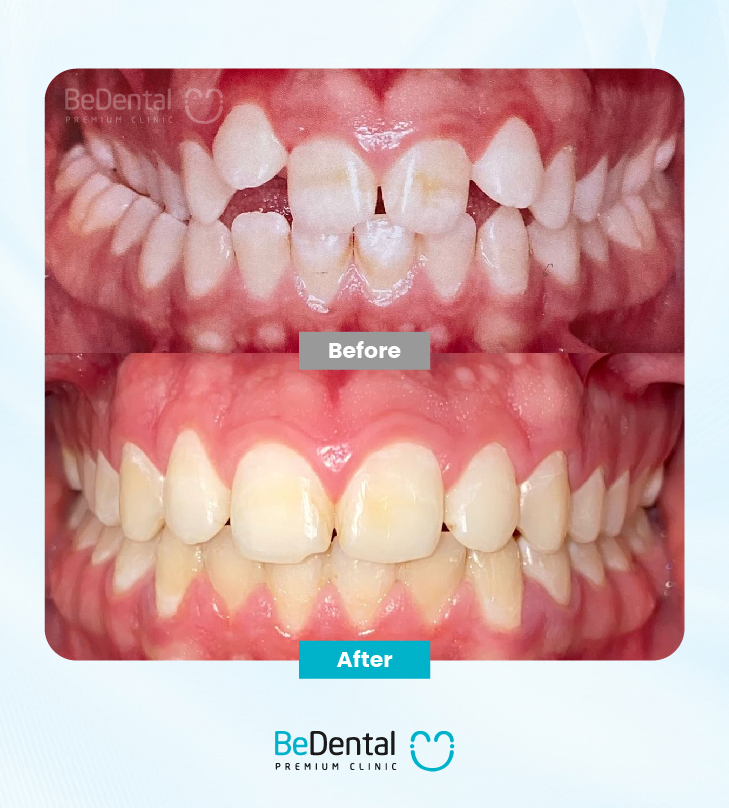
Founded in 2012, BeDental has become one of Vietnam’s reputable dental systems specializing in orthodontic treatment, with clinics in both Hanoi and Ho Chi Minh City. Over 12 years of operation, the clinic has treated more than 5,000 patients, including over 1,500 orthodontic cases. Approximately 70% of braces patients are adults, and overall treatment completion rates exceed 95%.
From the first consultation, patients undergo comprehensive oral examinations, including enamel assessment, gum evaluation, bite analysis, and jaw structure review. More than 85% of orthodontic cases are planned using 3D intraoral scanning and digital simulations, supported by Cone Beam CT imaging when indicated. This digital workflow has improved treatment precision by an estimated 25–30% and, in selected cases, reduced treatment time by 3–5 months.
Each treatment plan is fully customized, outlining the type of braces, orthodontic techniques, estimated duration, and staged progress expectations. Complex malocclusion cases account for nearly 40% of treated patients, reflecting the clinic’s experience in managing advanced orthodontic conditions.
BeDental emphasizes transparent pricing, with all costs clearly explained upfront and no hidden fees. Flexible 0% interest installment plans are available to improve financial accessibility. Internal surveys show patient satisfaction rates above 94%, particularly in communication clarity and treatment transparency.
During treatment, supportive procedures such as periodontal therapy or enhanced hygiene protocols may be recommended to optimize outcomes. Follow-up adherence exceeds 90%, and in cases of inflammation or delayed tooth movement, orthodontists proactively adjust strategies and inform patients promptly.
With experienced specialists, standardized medical protocols, and continuous investment in modern technology, BeDental positions itself as a reliable and clinically accountable destination for professional orthodontic care in Vietnam.
Conclusion
Facial hollowing from braces in Vietnam is relatively uncommon and often related to treatment planning, weight changes, or natural facial development rather than braces themselves. With proper diagnosis, modern imaging, and individualized orthodontic planning, braces can enhance both dental function and facial balance.
If you are considering orthodontic treatment, a comprehensive consultation that evaluates both teeth and facial aesthetics will help ensure safe and satisfying results.