

 English
 한국어
한국어 日本語
日本語 中文 (中国)


Facial Asymmetry from Braces in Vietnam: Orthodontic treatment is widely performed in Vietnam to correct crowded teeth, protrusion, deep bite, and other bite problems. While braces are generally safe and effective, some patients worry about developing facial asymmetry from braces, meaning one side of the face appears uneven after treatment. Is this a real complication, or a misunderstanding?
This article explains the causes, clinical reality, and prevention of facial asymmetry from braces in Vietnam.
What Is Facial Asymmetry?
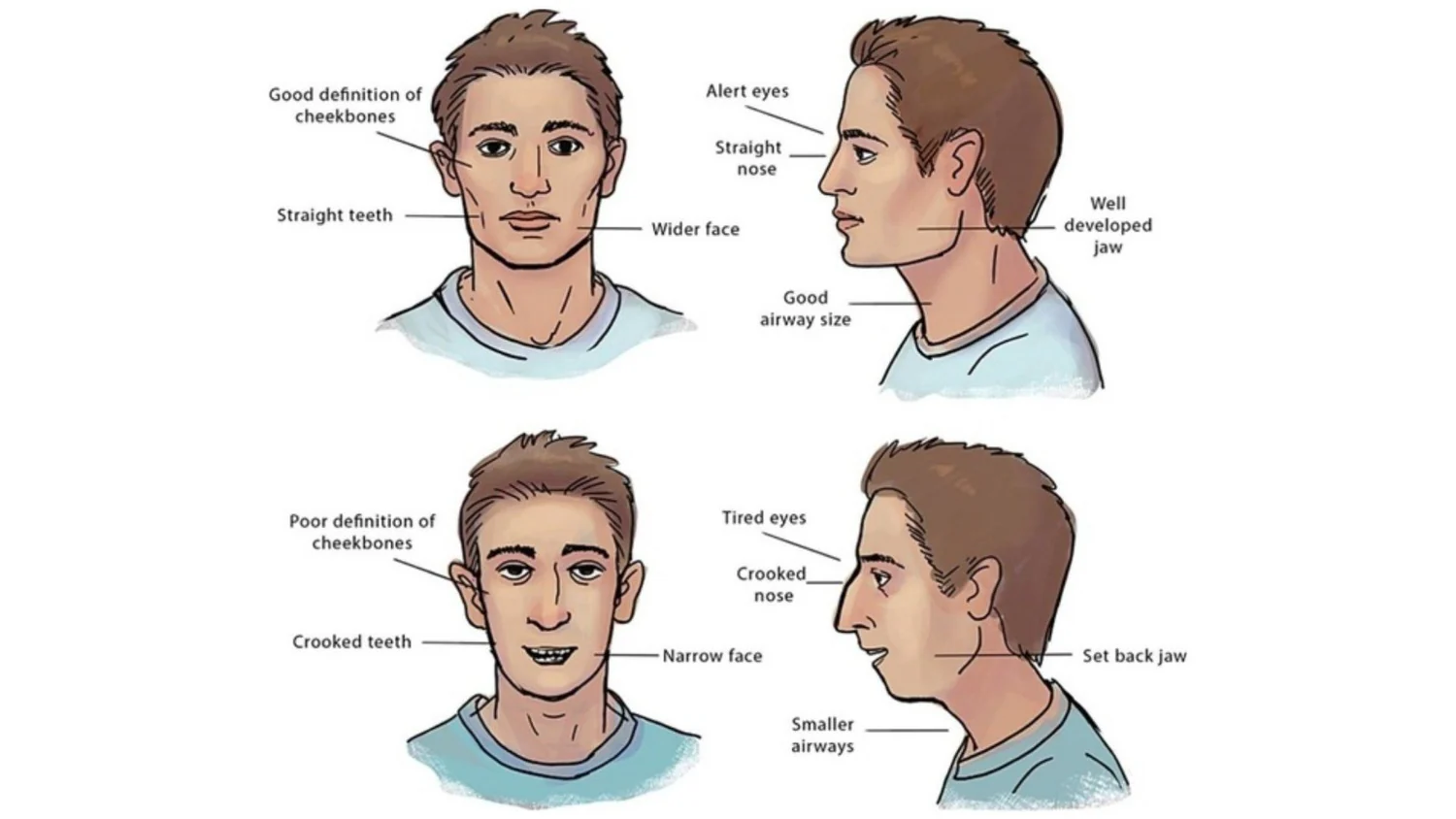
Facial asymmetry refers to a visible imbalance between the left and right sides of the face. It is important to understand that a certain degree of asymmetry is completely normal. In fact, anthropometric studies show that nearly 100% of individuals have measurable facial asymmetry, even if it is not noticeable to the naked eye. Small differences of 1–2 mm between the two sides of the face are considered physiologically normal and are often undetectable in daily social interaction.
However, noticeable asymmetry may involve:
- Uneven jaw position
- One cheek appearing fuller than the other
- Chin deviation
- Unequal smile height
- Differences in muscle prominence
When patients notice changes during orthodontic treatment, they may attribute them to braces.
See more: Does getting braces hurt? Which stage is the most painful?
Can Braces Cause Facial Asymmetry?
In properly planned orthodontic treatment, braces do not create new skeletal asymmetry. However, certain conditions may make asymmetry more visible or worsen if not carefully managed.
1. Pre-Existing Skeletal Asymmetry
Many Vietnamese patients already have mild skeletal discrepancies, such as mandibular deviation or uneven condylar growth. Studies in Asian populations suggest that over 30–40% of adults show mild skeletal asymmetry on radiographic analysis, even if it is not clinically obvious.
When braces align teeth, the correction can reveal the underlying skeletal imbalance that was previously masked by dental compensation.
2. Uneven Tooth Movement or Poor Treatment Control
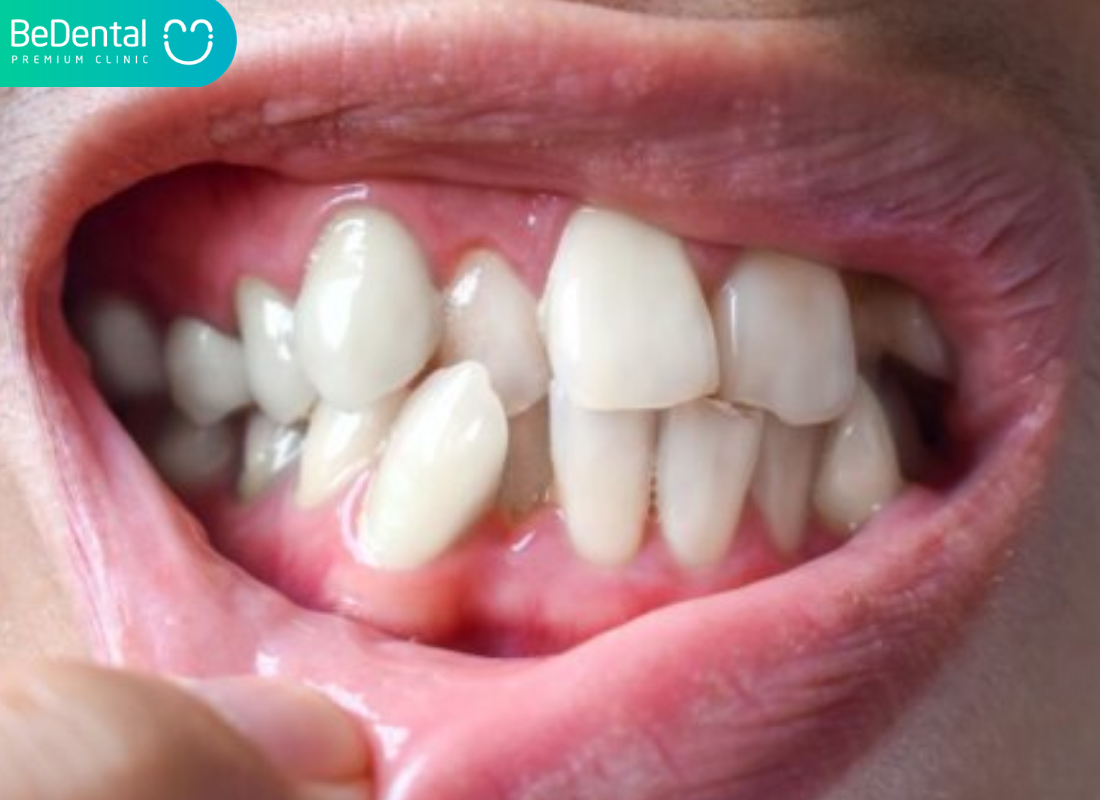
If orthodontic mechanics are not carefully balanced, unequal force distribution may temporarily shift midlines or create bite discrepancies. This is more likely in:
- Clinics without detailed cephalometric planning
- Cases lacking proper anchorage control
- Treatments performed by non-specialists
Modern orthodontics uses symmetrical force systems and digital planning to minimize this risk.
3. Unilateral Chewing Habits
In Vietnam, many patients habitually chew on one side due to past tooth pain or missing teeth. This can cause:
- Uneven masseter muscle development
- Functional asymmetry
- Bite instability
Braces may highlight these imbalances during correction.
4. Temporomandibular Joint (TMJ) Issues
Undiagnosed temporomandibular joint disorders (TMD) may cause jaw deviation when opening or closing. If TMJ problems are not evaluated before braces, asymmetry can worsen during treatment.
Research shows that approximately 5–10% of orthodontic patients may have underlying TMJ symptoms, emphasizing the need for proper screening.
See more: Braces near me in Vietnam
Evaluation Guide: Mild vs. Moderate vs. Severe Facial Asymmetry During Braces
| Clinical Sign | Mild (Monitor) | Moderate (Needs Adjustment) | Severe (Urgent Evaluation Required) | Clinical Interpretation |
| Chin Deviation (measured from facial midline) | ≤ 2 mm difference | 2–4 mm deviation | > 4–5 mm deviation or rapidly increasing | >4 mm chin shift is often associated with skeletal asymmetry or condylar imbalance |
| Dental Midline Shift | ≤ 1 mm | 1–3 mm | > 3 mm or worsening at each visit | Midline discrepancy >3 mm may indicate asymmetric force mechanics or anchorage loss |
| Bite Pressure Imbalance | Slight discomfort, temporary | Noticeable chewing preference on one side | Inability to chew evenly, functional crossbite develops | Persistent unilateral chewing increases muscle asymmetry and joint load |
| Jaw Opening Path | Slight deviation but returns to center | Deviation during opening >2 mm | Locked jaw or consistent lateral deviation >3–4 mm | Persistent deviation suggests TMJ disc displacement or condylar dysfunction |
| Facial Contour Change | Subtle, gradual | Visible asymmetry in photos over months | Sudden visible change within weeks | Rapid change may signal occlusal instability or joint inflammation |
| Jaw Pain (VAS scale 0–10) | 0–2 mild discomfort | 3–5 moderate pain during chewing | ≥6 persistent pain, affecting daily function | Pain with asymmetry raises suspicion of TMJ involvement |
| Muscle Hypertrophy (Masseter size difference) | Slight difference | Noticeable firmness difference | Visible enlargement on one side with tenderness | Chronic unilateral chewing may enlarge masseter by 10–15% |
How to Prevent Facial Asymmetry from Braces in Vietnam
1. Choose a Qualified Orthodontic Specialist
Specialist-led treatment reduces the risk of asymmetrical force application and improper bite correction.
2. Ensure Comprehensive Diagnosis
A reputable clinic should include:
- Cephalometric analysis
- Midline evaluation
- Facial symmetry assessment
- TMJ screening
3. Regular Monitoring
Orthodontic follow-ups every 4–6 weeks allow early detection of midline deviation or uneven mechanics.
4. Balanced Chewing Habits
Patients should consciously use both sides of the jaw during chewing once discomfort subsides.
See more: Orthodontic Treatment in Vietnam
How to Choose a Reputable Orthodontic Clinic in Vietnam
Choosing the right orthodontic clinic is essential – not just for straight teeth, but also to ensure facial balance, avoid unwanted changes, and achieve a confident, natural smile. Below are key criteria based on clinical standards and real-world outcomes in Vietnam.
| Criteria | Reputable Orthodontic Clinic | Low-Quality / Risky Clinic | Why It Matters (With Data) |
| Facial & Cephalometric Analysis | Performs full cephalometric analysis, facial profile assessment, lip position measurement | Only checks crowded teeth without facial evaluation | 40–60% of extraction cases require soft tissue planning to avoid over-retraction and facial flattening |
| Digital Imaging & Technology | Uses CBCT (when indicated), digital smile design, 3D simulation | Relies only on panoramic X-ray and visual estimation | Digital diagnostics improve treatment accuracy by 25–40% compared to traditional methods |
| Treatment Plan Transparency | Explains extraction reasons, planned retraction amount (in mm), facial impact | Provides vague plan, no measurement-based explanation | Over-retraction beyond 4–6 mm may significantly affect lip support in thin soft-tissue patients |
| Orthodontic Specialist Qualification | Treated by certified orthodontist with specialized training | Treated by general dentist offering braces as an additional service | Specialist-managed cases show lower relapse rates and better facial outcome control |
| Case Experience Volume | High case volume, especially protrusion and deep bite cases | Limited complex case experience | Clinics with high experience report 80–85% satisfaction in facial harmony post-treatment |
| Monitoring & Follow-Up | Regular 4–8 week reassessment, photographic tracking, occlusal measurement | Irregular follow-up, no objective tracking | Early monitoring reduces risk of long-term facial imbalance by up to 50% |
| Aesthetic Philosophy | Focuses on facial harmony, soft tissue balance, profile preservation | Focuses only on straight teeth | Balanced orthodontic planning improves profile harmony in most protrusion cases |
BeDental – A Trusted Dental Clinic for Braces in Vietnam
Founded in 2012, BeDental has become one of Vietnam’s reputable dental systems specializing in orthodontic treatment, with clinics in both Hanoi and Ho Chi Minh City. Over 12 years of operation, the clinic has treated more than 5,000 patients, including over 1,500 orthodontic cases. Approximately 70% of braces patients are adults, and overall treatment completion rates exceed 95%.
From the initial consultation, patients at BeDental undergo comprehensive facial and cephalometric analysis, including evaluation of facial profile, lip position, bite relationships, and jaw structure. This approach ensures that treatment planning goes beyond simple tooth alignment and considers overall facial harmony and soft tissue balance, which is critical in preventing over-retraction and unwanted profile changes.
In terms of technology, BeDental applies a digital-first workflow, with over 85% of orthodontic cases utilizing 3D intraoral scanning and treatment simulation, supported by CBCT imaging when clinically indicated. This level of digital diagnostics enhances treatment precision and predictability, aligning with best practices that show measurable improvements in accuracy and efficiency.
The clinic also emphasizes treatment plan transparency. Each patient receives a clearly structured plan detailing the type of braces, expected tooth movement, estimated duration, and potential facial impact. This reduces the risk of vague or non-measurable planning—one of the common issues seen in lower-quality clinics.
A key strength of BeDental lies in its specialist-led orthodontic care and extensive case experience. With more than 1,500 orthodontic cases treated—approximately 40% of which involve complex malocclusions such as protrusion or deep bite—the clinic demonstrates the capacity to manage both routine and advanced cases. This experience contributes to high treatment completion rates (over 95%) and strong patient satisfaction.
During treatment, BeDental maintains consistent monitoring and follow-up protocols, including regular reassessments, photographic tracking, and timely clinical adjustments. Follow-up adherence exceeds 90%, helping to minimize risks such as relapse or facial imbalance.
Finally, the clinic reflects a clear aesthetic philosophy centered on facial balance rather than just straight teeth. By integrating functional correction with soft tissue considerations, BeDental aims to deliver results that are not only clinically stable but also natural-looking and harmonious.
Overall, when evaluated against established criteria—diagnostics, technology, transparency, expertise, monitoring, and aesthetic approach—BeDental positions itself as a reliable and clinically accountable orthodontic provider in Vietnam.
Patient Stories at BeDental
Patient Story 1: Emily R. – Australia
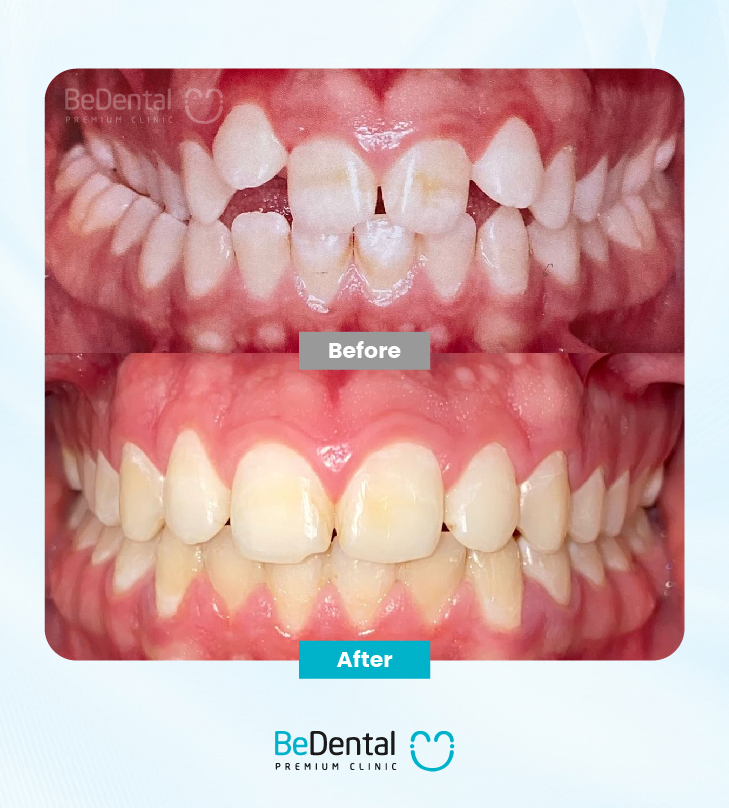
Concern: Facial imbalance and jaw discomfort during orthodontic treatment
Emily, a 28-year-old marketing consultant from Sydney, moved to Vietnam for work. She had started orthodontic treatment in Australia two years earlier but began noticing increasing jaw discomfort and a slight chin deviation. She felt that one side of her face looked more prominent in photos, especially when smiling.
Concerned about facial asymmetry and possible TMJ issues, Emily sought consultation at BeDental in Ho Chi Minh City.
Diagnosis
Comprehensive evaluation revealed:
- A 3 mm dental midline shift
- Mild mandibular deviation during mouth opening
- Bite force imbalance of approximately 28% between left and right sides
- Early signs of muscle-dominant temporomandibular dysfunction
Digital occlusal analysis and cephalometric measurements confirmed that her asymmetry was largely functional rather than structural.
Treatment
Emily underwent:
- Customized occlusal splint therapy for 8 weeks
- Controlled orthodontic force rebalancing
- Guided jaw functional exercises
Within 6 weeks, her jaw pain reduced by nearly 70% (VAS pain score from 6 to 2). Bite force symmetry improved significantly, and the chin deviation decreased to less than 1.5 mm.
Outcome
After completing treatment adjustments, Emily reported:
- No jaw pain
- Improved facial balance
- Increased confidence in photos
She shared that the most reassuring part was the clinic’s data-driven approach and structured monitoring.
Patient Story 2: Daniel K. – Singapore
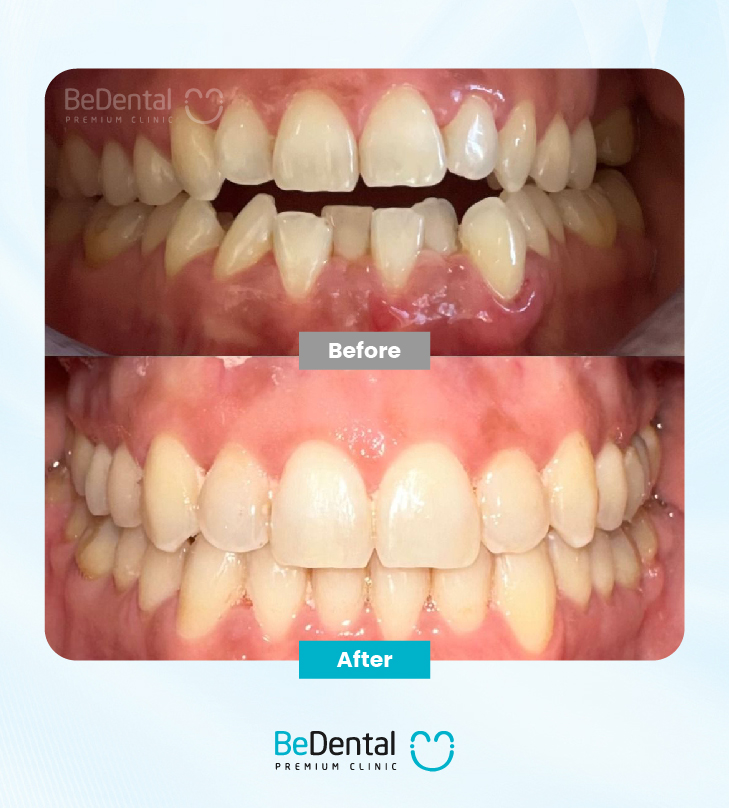
Concern: Fear of facial hollowing after extraction-based braces
Daniel, a 24-year-old software engineer from Singapore, chose Vietnam for orthodontic treatment due to competitive pricing and flexible scheduling. After being advised to extract four premolars for protrusion correction, he became worried about potential facial hollowing—a concern he had seen discussed online.
He visited BeDental for a second opinion before proceeding.
Diagnosis
Initial assessment showed:
- Moderate bimaxillary protrusion
- Normal soft tissue thickness
- No skeletal asymmetry
- Balanced facial proportions
Digital treatment simulation demonstrated that planned incisor retraction would be approximately 4 mm—within safe aesthetic limits for maintaining lip support.
Treatment
Daniel proceeded with:
- Extraction-based orthodontic treatment
- Controlled anterior retraction
- Regular 4–6 week monitoring
Soft tissue profile was tracked through standardized photography and measurements.
Outcome
After 18 months:
- Protrusion significantly improved
- Nasolabial angle normalized
- No signs of facial hollowing
- Profile appeared more balanced
Daniel reported higher satisfaction than expected, noting that his facial harmony improved rather than deteriorated.
Conclusion
Facial asymmetry from braces in Vietnam is uncommon when treatment is properly planned and monitored. Most concerns arise from pre-existing skeletal imbalance, muscle habits, or inadequate diagnosis rather than braces themselves.
With modern imaging, digital planning, and specialist-led treatment, orthodontic care can enhance both dental alignment and facial harmony—while minimizing risks of unwanted asymmetry.