

 English
 한국어
한국어 日本語
日本語 中文 (中国)


Effects of smoking during braces: Don’t let smoking ruin your orthodontic results. Discover how it affects braces, delays progress, impacts gum health, and how to protect your smile.
Can you smoke with braces?
If you’re wearing braces, you might be wondering: Can you smoke with braces?
Technically, yes — but it is strongly discouraged by orthodontists worldwide.
Smoking while wearing braces can stain your teeth and brackets, increase plaque buildup, slow down tooth movement, and significantly raise your risk of gum disease. Over time, this can compromise orthodontic results and even prolong treatment duration.
For many patients, braces are a long-term investment lasting 18–24 months on average. Lifestyle habits like smoking can directly interfere with the biological processes required for safe and efficient tooth movement.
See more: Orthodontic Treatment in Vietnam
Effects of smoking during braces
1. Increased plaque and Tartar buildup
One of the most common effects of smoking during braces is excessive plaque accumulation.
Smoking changes the oral environment, making it easier for bacteria to thrive. Combined with brackets and wires, which already trap food particles, this leads to:
- Faster plaque buildup
- Hardened tartar deposits
- Increased risk of cavities
- Bad breath
Smokers may experience up to 70% more plaque buildup compared to non-smokers.
With braces, maintaining oral hygiene is already more demanding. Smoking makes it significantly harder.
2. Higher risk of gum disease
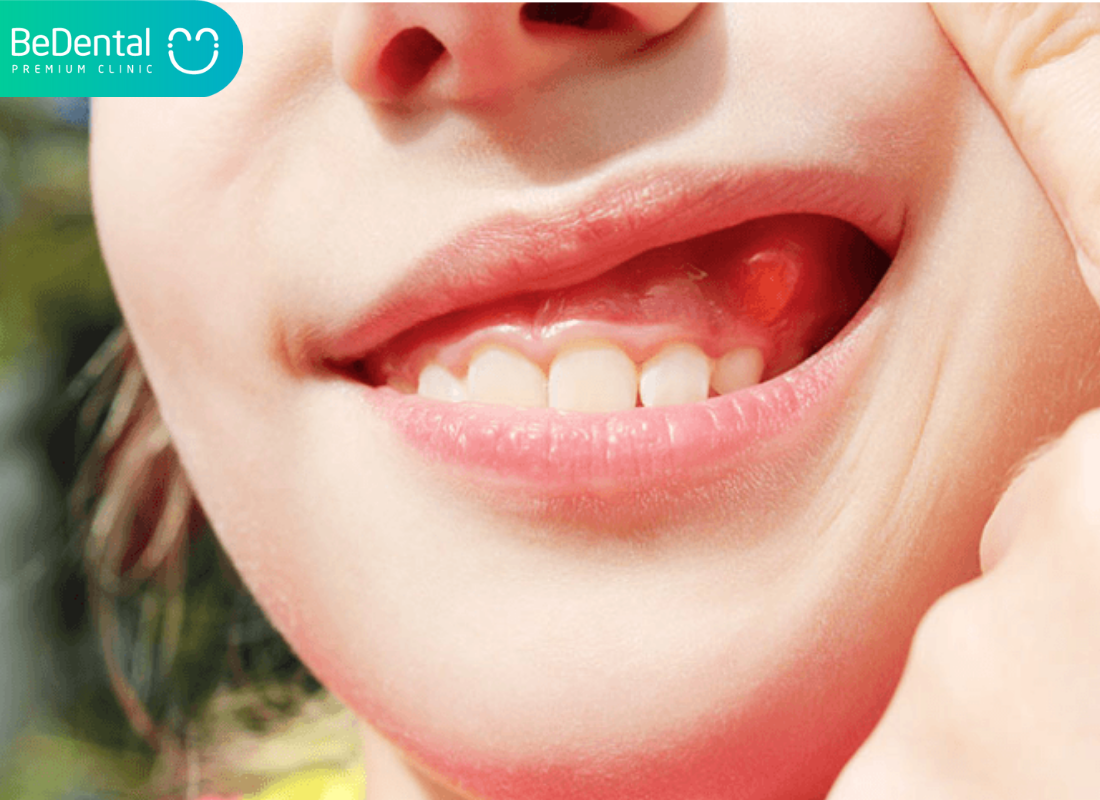
Another serious effect of smoking during braces is the increased likelihood of gum disease.
Healthy gums are critical for orthodontic success because teeth move through bone and gum tissue. Smoking:
- Restricts blood flow to the gums
- Reduces oxygen supply
- Weakens immune response
- Delays healing
Smokers are twice as likely to develop gum disease. If gum inflammation becomes severe, orthodontic treatment may need to pause until the issue is controlled.
Untreated gum disease can even lead to bone loss, directly affecting the stability of your teeth.
3. Delayed tooth movement and longer treatment time
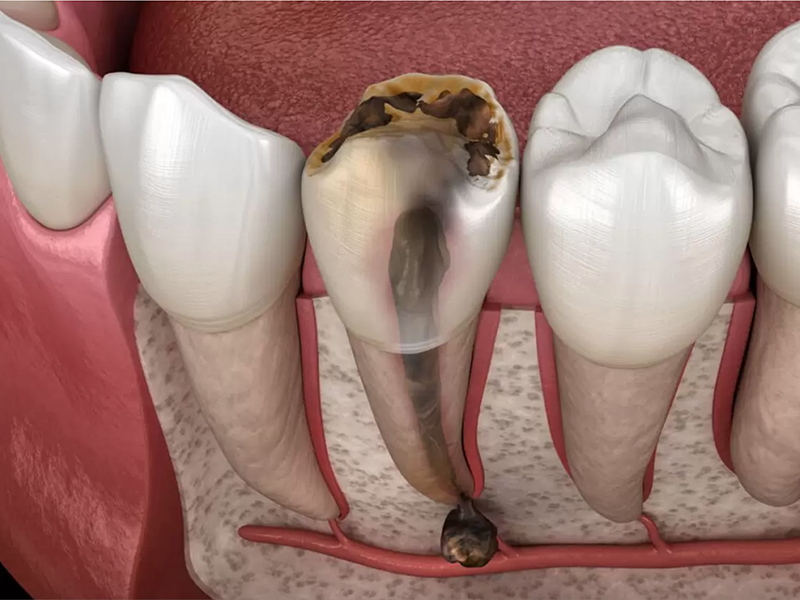
A major biological effect of smoking during braces is slower tooth movement.
Nicotine constricts blood vessels, reducing circulation to gum tissue. Orthodontic tooth movement relies on healthy blood supply and bone remodeling. When circulation is impaired:
- Teeth shift more slowly
- Treatment progress becomes unpredictable
- Total treatment time may increase by up to 30%
This means you may need to wear braces significantly longer than planned.
4. Staining of brackets and teeth
Smoking causes visible staining, especially around:
- Clear or ceramic brackets
- Elastic bands (ligatures)
- The edges of teeth near brackets
Even if you maintain good brushing habits, smoke residue and tar can cause yellowing or dark patches.
After braces are removed, uneven colouring may remain, affecting the final aesthetic result.
5. Increased risk of oral infections
The effects of smoking during braces also include a higher risk of:
- Oral infections
- Delayed healing after orthodontic adjustments
- Increased gum sensitivity
- More discomfort during treatment
Smoking weakens your body’s ability to fight bacteria, which can complicate orthodontic care.
Effects of smoking weed or vaping during braces
Patients often assume alternatives like cannabis or vaping are safer. However, similar risks apply.
| Category | Smoking Weed During Braces | Vaping During Braces |
| Basic Mechanism | Involves combustion → exposure to heat, smoke, tar, and by-products | No combustion → aerosolized vapor from e-liquid |
| Primary Oral Risk | Significant dry mouth (xerostomia) due to reduced saliva production | Mild to moderate dry mouth (depending on nicotine content) |
| Impact on Saliva | Strong reduction in saliva → decreased acid neutralization, reduced cleansing, weaker enamel protection | Moderate saliva reduction → increased plaque retention risk |
| Plaque & Decay Risk | High risk of plaque accumulation around brackets and wires → increased cavities and white spot lesions | Increased plaque buildup possible, especially with sweetened/acidic e-liquids |
| Gum Health Impact | Heat + chemical irritation → inflamed gums, bleeding tendency, unpredictable tissue response to orthodontic force | Nicotine (if present) constricts blood vessels → reduced blood flow and slower tissue healing |
| Effect on Orthodontic Tooth Movement | Chronic gum irritation may compromise bone and periodontal support, affecting stability | Reduced circulation may slow bone remodeling → potentially extended treatment time |
| Staining Risk | High – tar and combustion residues can discolor ceramic brackets, ligatures, and enamel | Lower staining risk compared to cannabis smoke |
| Biological Impact | Primarily surface irritation + dryness + staining | More direct vascular effect when nicotine is involved |
| Overall Risk During Braces | Higher cosmetic and inflammatory risk | Potentially slower healing and biological response, especially with nicotine |
Can you reduce the effects of smoking during braces?
The most effective way to protect your orthodontic results is to quit smoking completely. This allows your gums to heal properly, improves blood circulation, and supports faster tooth movement.
However, if quitting immediately isn’t possible, there are practical steps you can take to minimise the effects of smoking during braces and reduce the risk of complications.
1. Schedule regular professional cleanings
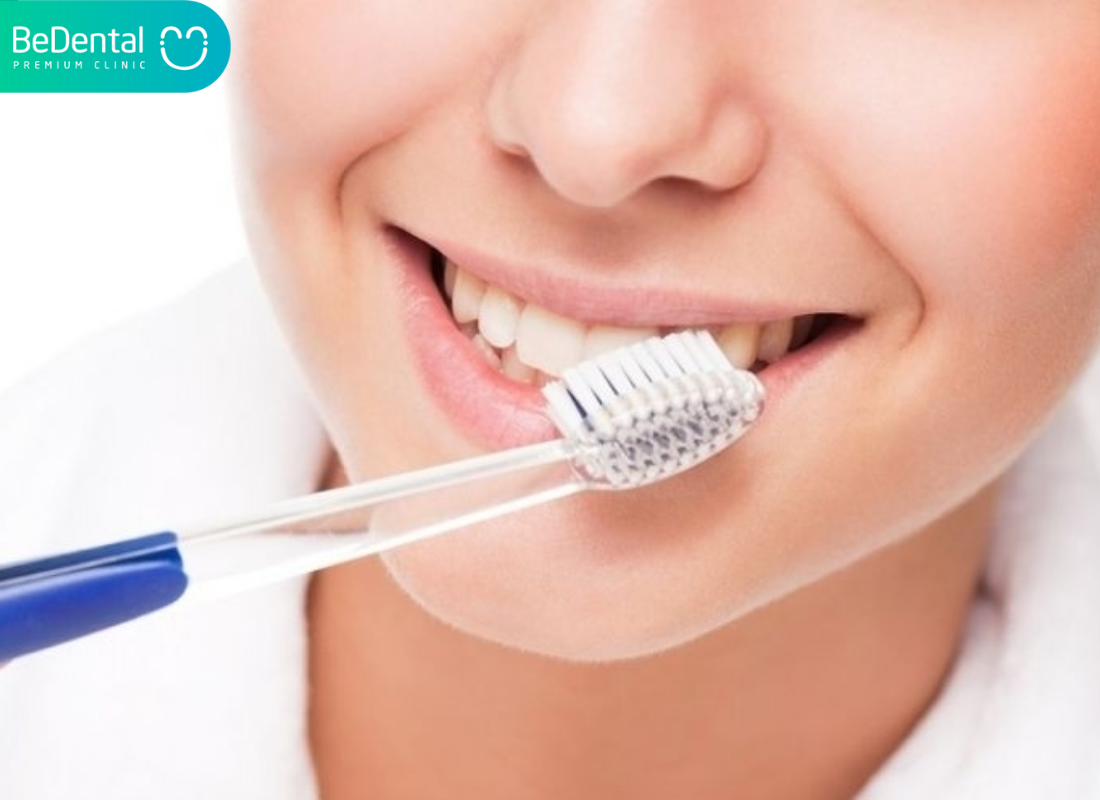
Smokers are more prone to plaque and tartar buildup, especially around brackets and wires. Professional dental cleanings every 3–6 months help:
- Remove hardened tartar that brushing cannot eliminate
- Reduce staining around brackets
- Prevent gum inflammation
- Detect early signs of gum disease
Early intervention can prevent small issues from delaying your orthodontic treatment.
2. Use an Antibacterial mouthwash daily
Smoking increases harmful bacteria in the mouth. Using an antibacterial mouthwash can help:
- Reduce bacterial load
- Control gum inflammation
- Freshen breath
- Support overall gum health
Look for alcohol-free formulas if you experience dry mouth, as smoking already reduces saliva production.
3. Brush after smoking
Brushing after smoking helps reduce nicotine residue and tar accumulation around brackets. Ideally:
- Wait 20–30 minutes before brushing to avoid damaging softened enamel
- Use a soft-bristled toothbrush
- Pay close attention to the gumline and bracket edges
Electric toothbrushes can be especially effective for orthodontic patients.
4. Use interdental brushes around brackets
Standard brushing often misses tight spaces around orthodontic wires. Interdental brushes or orthodontic flossers help:
- Remove trapped debris
- Reduce plaque buildup between teeth
- Prevent gum irritation
This step is especially important for smokers, as plaque accumulates more quickly.
BeDental – A Trusted Dental Clinic for Braces in Vietnam

Founded in 2012, BeDental is a reputable orthodontic provider in Vietnam, with clinics in Hanoi and Ho Chi Minh City. Over 12 years, the clinic has treated more than 5,000 patients, including over 1,500 orthodontic cases, with a treatment completion rate exceeding 95%.
Because smoking can increase the risk of gum inflammation, dry mouth, and slower tissue response, BeDental places strong emphasis on comprehensive examination and monitoring. Every patient undergoes detailed enamel, gum, bite, and jaw assessments. More than 85% of orthodontic cases are digitally planned using 3D scanning and CBCT imaging, improving precision by an estimated 25–30% and allowing closer tracking of biological response.
Treatment plans are fully customized, and for patients who smoke, orthodontists may recommend enhanced hygiene protocols, periodontal support, or closer follow-up to reduce complications. Follow-up adherence exceeds 90%, and any signs of delayed tooth movement or inflammation are managed promptly.
With experienced specialists, transparent pricing, and standardized clinical protocols, BeDental provides structured and responsible orthodontic care for patients concerned about the effects of smoking during braces.
Patient Story At BeDental
Patient 1
Patient Profile:
Ms. H., 29 years old, office professional in Hanoi
Initial Concern:
Ms. H. presented with moderate crowding and protrusion of the upper front teeth. She was particularly concerned about the aesthetic impact of braces and admitted to being a social smoker, worried about the potential effects of smoking during braces.
Clinical Assessment:
A comprehensive examination revealed mild gum inflammation and early plaque accumulation. Digital 3D scanning and bite analysis confirmed moderate malocclusion without skeletal discrepancy.
Treatment Plan:
BeDental recommended clear self-ligating ceramic braces to balance aesthetics and biomechanical control. Because of her smoking habit, the orthodontist implemented:
- Enhanced periodontal cleaning before bracket placement
- More frequent hygiene monitoring
- Counseling on reducing smoking frequency
Outcome:
Treatment lasted 20 months. Despite initial gum sensitivity, careful monitoring maintained tissue stability. Ms. H. completed treatment with improved alignment, balanced bite function, and no permanent enamel damage. She reported high satisfaction with both aesthetics and clinical transparency throughout the process.
Patient Story 2
Patient Profile:
Mr. T., 34 years old, entrepreneur from Ho Chi Minh City
Initial Concern:
Mr. T. sought treatment for crowding, deep bite, and noticeable lower jaw misalignment. He had a history of vaping with nicotine and was concerned about prolonged treatment time.
Clinical Assessment:
CBCT imaging and digital simulation revealed a complex malocclusion requiring precise three-dimensional control. Mild gum recession was observed in posterior areas.
Treatment Plan:
Metal self-ligating braces were selected for maximum biomechanical efficiency. Due to lifestyle risk factors, the clinic scheduled:
- Periodontal stabilization prior to orthodontic force application
- Closer interval follow-ups
- Monitoring of bone response through periodic imaging
Outcome:
Although early stages showed slightly slower tooth movement, force adjustments and compliance monitoring allowed steady progress. Total treatment time was 24 months. The final result achieved stable occlusion, improved facial balance, and healthy periodontal support.
Mr. T. emphasized that consistent guidance and proactive communication helped him stay disciplined throughout treatment.
Final thoughts
The effects of smoking during braces are significant and well-documented. From delayed tooth movement to increased gum disease risk, smoking can compromise both your oral health and orthodontic outcomes.
While it is possible to smoke with braces, doing so increases the likelihood of complications and extended treatment time.
If you are wearing braces and concerned about how smoking may affect your treatment, speak to your dentist or orthodontist for personalised advice.
See more: Does getting braces hurt? Which stage is the most painful?
Tại BeDental, khách hàng có thể an tâm điều trị với dịch vụ bảo lãnh viện phí nha khoa nhanh chóng và tiện lợi. BeDental hiện liên kết với nhiều công ty bảo hiểm uy tín, hỗ trợ thanh toán trực tiếp chi phí các dịch vụ nha khoa như nhổ răng, trám răng, điều trị tủy, phục hình răng sứ... Quy trình linh hoạt, minh bạch giúp tiết kiệm thời gian và tối ưu chi phí. Hãy liên hệ BeDental để được tư vấn chi tiết và tận hưởng trải nghiệm chăm sóc răng miệng chuyên nghiệp, không lo gánh nặng tài chính.
🔹 Các đơn vị nha khoa chấp nhận bảo lãnh bao gồm : Hùng Vương Insurance, Bảo Long Insurance, BSH (Bảo hiểm BSH), FWD Insurance Cathay Life Fubon Insurance, Tokio Marine Insurance Group VNI (Bảo hiểm Hàng không), HD Insurance MSIG AAA Insurance PTI (Bảo hiểm Bưu điện), BIDV MetLife, PJICO, Techcom, Insurance, AIA, Dai-ichi Life MIC GIC DBV Insurance VBI (Bảo hiểm VietinBank)
🔹 Các công ty bảo hiểm BeDental có thể xuất hóa đơn: Manulife Dai-ichi Life Prudential AIA Hanwha Life PVI VCLI (Bảo hiểm nhân thọ Vietcombank - Cardif) BIC (Bảo hiểm BIDV), Bảo Việt Insurance và PVI