

 English
 한국어
한국어 日本語
日本語 中文 (中国)


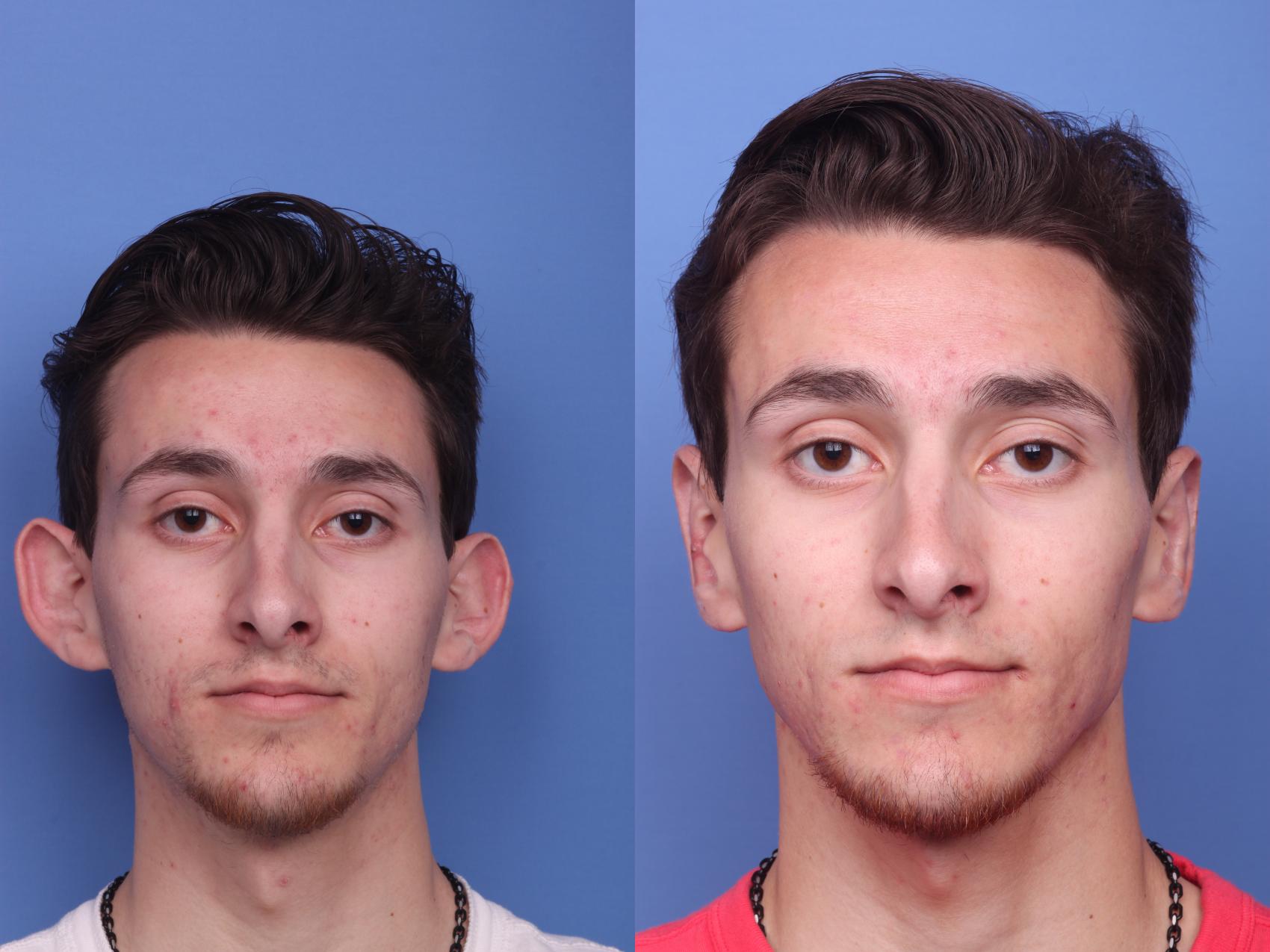
Ear Surgery (Otoplasty) in Vietnam: Ear surgery (otoplasty) is a cosmetic or reconstructive surgical procedure designed to reshape, reposition, or reduce the size of the external ear (auricle) to create a more balanced facial appearance. The procedure mainly focuses on correcting ear shape, symmetry, or projection from the head without affecting hearing function. Globally, otoplasty has become increasingly popular as awareness of facial aesthetics grows. The global otoplasty market was valued at around USD 378 million in 2025 and is projected to reach over USD 771 million by 2032, reflecting a strong growth trend in cosmetic ear correction procedures.
I. What Is Ear Surgery (Otoplasty)? About Ear Surgery (Otoplasty) in Vietnam
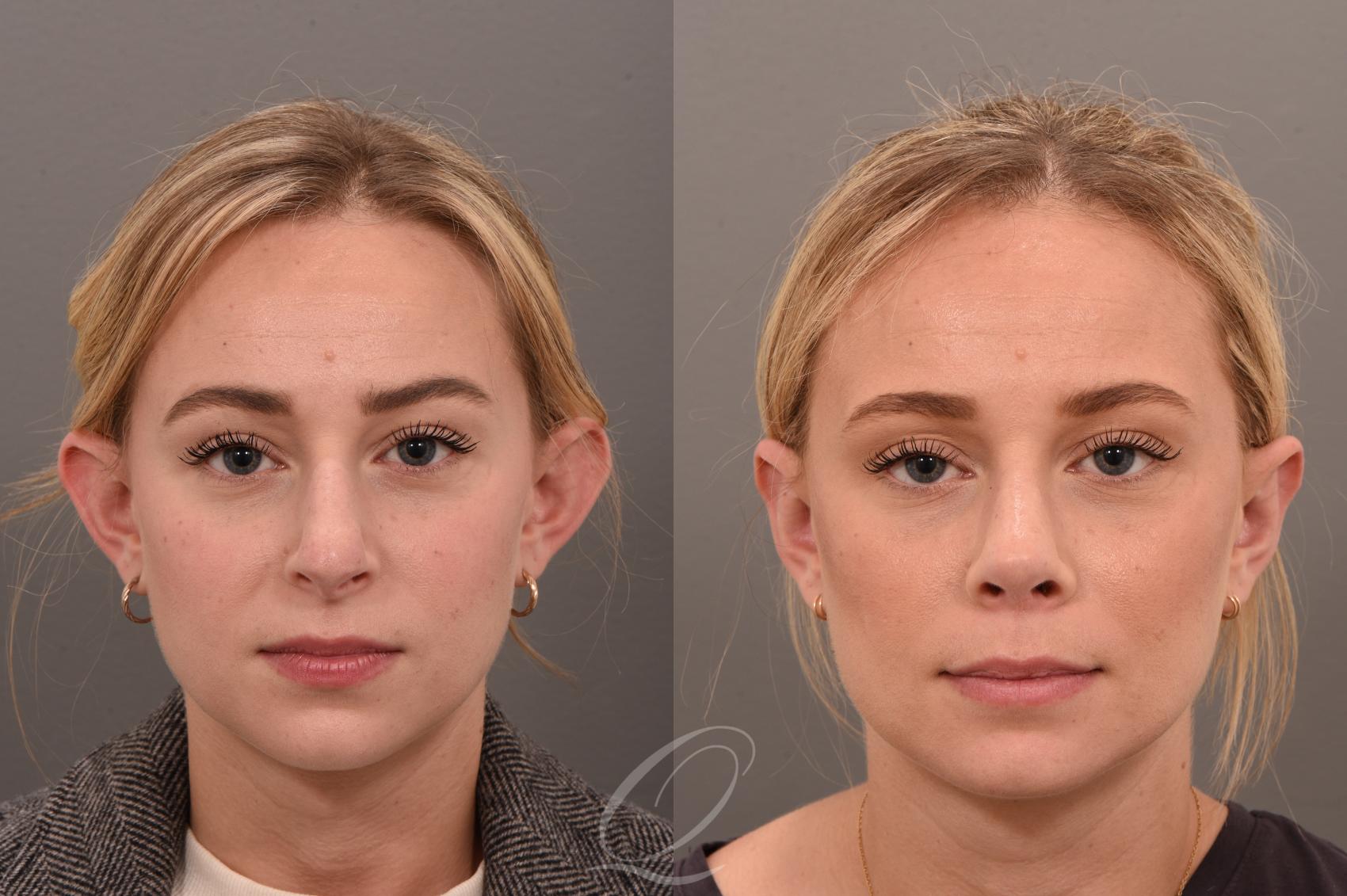
Ear correction procedures are performed for both cosmetic and reconstructive purposes. Studies estimate that about 5% of the population has prominent or protruding ears, making it one of the most common aesthetic ear concerns treated with otoplasty. In fact, cosmetic motivations account for around 80% of ear correction procedures, while the remaining cases involve congenital deformities or trauma-related ear reconstruction.
There are several types of ear correction procedures used in modern otoplasty:
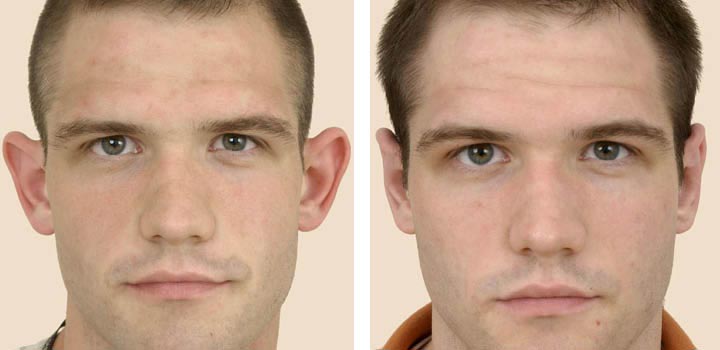
- Ear pinning (for protruding ears) This is the most common type of otoplasty. The surgeon reshapes the ear cartilage and positions the ear closer to the head to reduce the appearance of protruding ears. Ear pinning procedures account for about 48% of global otoplasty surgeries, reflecting their high demand.
- Ear reshaping or cartilage remodeling This technique modifies the cartilage structure of the ear to improve its contour and symmetry. It is commonly used when the antihelical fold of the ear is underdeveloped or when the ear shape appears irregular.
- Earlobe repair or reduction This procedure corrects stretched, torn, or oversized earlobes, often caused by heavy earrings, trauma, or aging. Earlobe correction accounts for around 20% of otoplasty cases worldwide.
>> See more: Cupid’s Bow Lip Surgery in Vietnam: Define Elegant and Well-Shaped Lips
Ideal candidates for ear surgery include individuals who have protruding ears, asymmetrical ear shape, congenital ear deformities, or damaged earlobes. Many patients undergo the procedure during childhood once the ears have nearly reached adult size (usually around 5–6 years old), although adults also commonly choose otoplasty to improve facial harmony and confidence.
II. Common Reasons Patients Choose Otoplasty
Otoplasty is performed to correct ear shape abnormalities and improve facial balance. As aesthetic awareness increases worldwide, the number of ear correction procedures continues to grow. According to international aesthetic surgery statistics, more than 363,000 ear surgery procedures were performed globally in 2024, showing steady growth compared with previous years.
The global otoplasty market is estimated to reach around USD 1.15 billion in 2025 and may exceed USD 1.73 billion by 2032, reflecting strong demand for cosmetic ear correction procedures worldwide.
In terms of regional distribution, North America accounts for about 50% of otoplasty procedures, followed by Europe (around 25%) and Asia-Pacific (approximately 20%), with Asia becoming one of the fastest-growing markets due to rising cosmetic surgery demand and medical tourism. Several key concerns motivate patients to choose otoplasty.
| Region / Country | Year | Estimated Cases | Avg Cost / Case | Estimated Revenue |
| Global | 2020 | 254,931 | ~$3,500 | ~$892 million |
| Asia (estimated total) | 2020 | ~50,000 | ~$2,000 | ~$100 million |
| India | 2020 | 10,752 | ~$1,500 | ~$16.1 million |
| Thailand | 2020 | 1,818 | ~$2,200 | ~$4.0 million |
| Japan | 2020 | 317 | ~$3,000 | ~$0.95 million |
| Malaysia | 2023 | 347 | ~$2,000 | ~$0.7 million |
| Iran | 2023 | 4,050 | ~$1,800 | ~$7.3 million |
| Chinese Taipei (Taiwan) | 2023 | ~1,000 (est.) | ~$2,500 | ~$2.5 million |
| Vietnam (estimated) | 2024 est. | ~800–1,200 cases | ~$1,200–1,800 | ~$1–2 million |
Sources: ISAPS Global Survey (2020–2023)
Correcting Protruding Ears
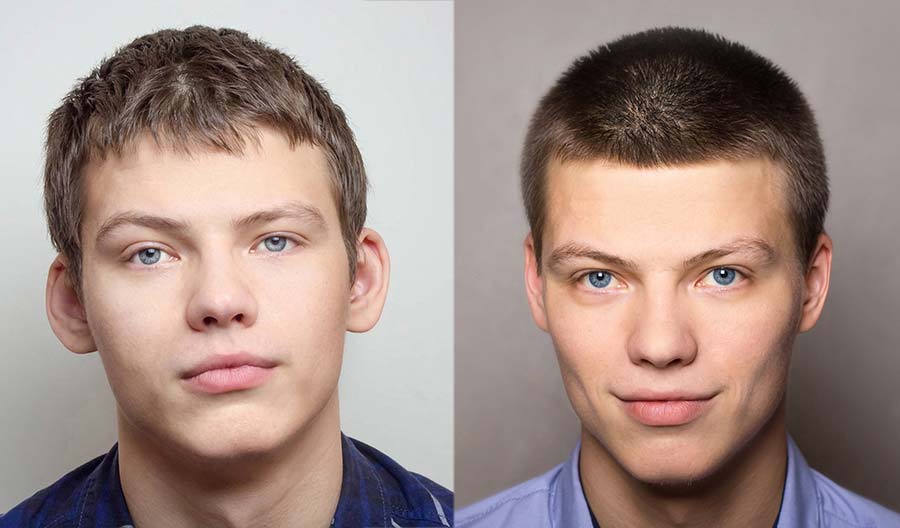
Protruding ears are the most common reason for ear surgery. Studies suggest that around 5% of the global population has prominent ears, making it one of the most frequent congenital ear shape concerns. Ear pinning procedures used to correct protruding ears account for nearly 48% of all otoplasty surgeries worldwide.
Improving Ear Symmetry
Ear asymmetry may occur naturally or result from injury. Even minor differences in ear position can affect facial harmony. Cosmetic surgeons report that symmetry correction is one of the most frequent motivations for adult patients seeking otoplasty.
Repairing Torn or Stretched Earlobes
Earlobe repair procedures are increasingly common due to fashion trends involving heavy earrings or ear gauges. Globally, ear reduction and earlobe correction procedures represent roughly 20–25% of otoplasty cases.
Correcting Congenital Ear Deformities
Some patients undergo otoplasty to correct congenital conditions such as lop ear, constricted ear, or microtia. Pediatric patients represent about 40–45% of otoplasty cases worldwide, as many parents choose early treatment once ear development is nearly complete.
Enhancing Overall Facial Balance
The ears contribute significantly to facial proportions. When ears appear overly prominent or asymmetrical, they may draw attention away from other facial features. Otoplasty helps restore a more balanced facial profile, which is why many patients also combine the procedure with other facial aesthetic surgeries.
III. Popular Otoplasty Techniques
Modern ear surgery includes several techniques designed to reshape ear cartilage, reduce protrusion, and improve symmetry. According to international aesthetic surgery reports, ear pinning and cartilage reshaping techniques together account for nearly 70–80% of all otoplasty procedures worldwide, while minimally invasive approaches are gradually increasing due to shorter recovery time.
Traditional Cartilage Reshaping Surgery
Traditional cartilage reshaping is one of the most established otoplasty techniques. The surgeon creates a small incision behind the ear to access the cartilage and reshape it by folding, scoring, or partially removing cartilage tissue.
This method is particularly effective for patients with underdeveloped antihelical folds or excessive conchal cartilage, two of the most common causes of protruding ears. Clinical studies show that cartilage reshaping techniques are used in approximately 35–40% of otoplasty cases worldwide, especially in patients with more significant ear deformities.
The procedure typically takes 60–90 minutes, and patients can return to normal activities within 1–2 weeks. Long-term satisfaction rates for traditional otoplasty are reported to be over 90%, with low recurrence rates.
Suture-Based Ear Pinning Technique
The suture-based ear pinning technique is one of the most commonly performed ear surgeries globally. Instead of removing cartilage, the surgeon uses permanent internal sutures to create or enhance the antihelical fold and reposition the ear closer to the head.
This method accounts for approximately 45–50% of otoplasty procedures worldwide, making it the leading technique for correcting protruding ears. Because the cartilage is preserved rather than removed, the surgery is generally less invasive.
The average surgical time is 45–60 minutes, and most patients recover within 5–10 days. Studies report success rates above 92–95%, with complication rates below 5% in experienced surgical centers.
Non-Incision or Minimally Invasive Techniques
Minimally invasive otoplasty techniques have gained popularity in recent years, particularly in aesthetic clinics focusing on shorter recovery and minimal scarring. These methods may involve needle-based cartilage shaping or limited suture techniques without a full incision.
Currently, minimally invasive approaches account for around 10–15% of otoplasty procedures globally, but their adoption is increasing due to patient demand for less invasive cosmetic procedures.
Recovery time is typically 3–7 days, which is significantly shorter than traditional surgery. However, these techniques are generally recommended for mild ear protrusion or minor asymmetry, as severe deformities may still require conventional surgical correction.
Comparison of Otoplasty Techniques
| Technique | Global Usage | Procedure Type | Recovery Time | Success Rate |
| Traditional cartilage reshaping | ~35–40% | Surgical cartilage modification | 1–2 weeks | ~90–94% |
| Suture-based ear pinning | ~45–50% | Cartilage folding with sutures | 5–10 days | ~92–95% |
| Minimally invasive techniques | ~10–15% | Limited incision or needle technique | 3–7 days | ~85–90% |
Overall, the choice of technique depends on the patient’s ear anatomy and the severity of the condition. A personalized surgical plan allows surgeons to achieve natural ear contours, improved symmetry, and long-lasting aesthetic results.
IV. Otoplasty Procedure: Step-by-Step
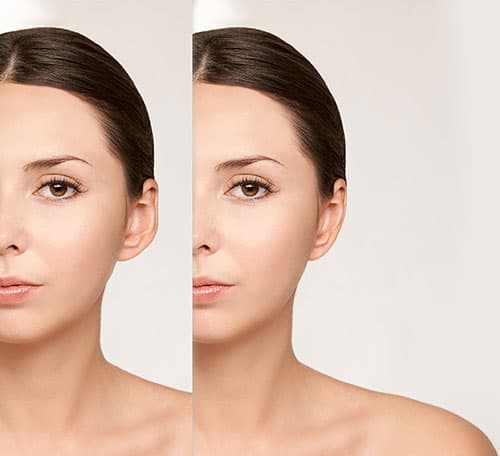
Otoplasty is a relatively straightforward cosmetic procedure that typically takes 45–90 minutes, depending on the level of correction required. According to international aesthetic surgery reports, over 90% of patients are discharged on the same day, and overall patient satisfaction rates exceed 92% when performed by experienced surgeons.
>>> See more: Lip Corner Lift in Vietnam: Turn Downturned Lips into a Pleasant Smile
Below is the standard step-by-step process of an otoplasty procedure.
1. Consultation and Facial Analysis
The process begins with a detailed consultation with the surgeon. During this stage, the doctor evaluates the shape of the ears, degree of protrusion, symmetry, and how the ears relate to the overall facial structure.
Key factors typically assessed include:
- The ear-to-head angle (ideally around 20–30 degrees)
- Development of the antihelix fold
- Size and contour of the auricle (outer ear)
- Condition of the earlobes
In Vietnam, many aesthetic clinics now use 3D imaging or digital simulation technology to help patients visualize potential results before surgery.
2. Local or General Anesthesia
Depending on the patient’s age and the complexity of the procedure, the surgeon will choose the most appropriate anesthesia method.
- Local anesthesia is commonly used for adults and teenagers
- General anesthesia is more often used for children
Approximately 70–75% of adult otoplasty procedures are performed under local anesthesia, which helps reduce risks and shortens recovery time.
3. Incision Placement Behind the Ear
Once anesthesia takes effect, the surgeon makes a small incision behind the ear, usually within the natural crease to minimize visible scarring. This incision allows the surgeon to access the ear cartilage, which will be reshaped or repositioned. Typically, the incision measures about 2–4 cm, and once healed, the scar is almost invisible from the front.
4. Cartilage Reshaping and Repositioning
This is the most important stage of the surgery. Depending on the chosen technique, the surgeon may:
- Create a new cartilage fold using permanent sutures
- Trim or weaken the cartilage
- Fold cartilage to reduce ear protrusion
- Reposition the ear closer to the head
In roughly 60% of protruding ear cases, the primary cause is an underdeveloped antihelix fold, so surgeons often use suturing techniques to recreate a natural ear contour.
5. Suturing and Protective Bandaging
After the reshaping is completed, the surgeon will:
- Close the incision using cosmetic sutures
- Apply a protective head bandage to support the ears
This bandage helps maintain the new ear position and reduce swelling during the early healing phase.
6. Recovery Timeline
Recovery from otoplasty is generally faster than many other cosmetic surgeries.
| Recovery Stage | Average Time |
| Mild swelling and bruising | 3–7 days |
| Main bandage removal | 5–7 days |
| Return to light work | 5–10 days |
| Resume sports activities | 3–4 weeks |
| Final results stabilize | 2–3 months |
According to aesthetic surgery data in Asia, over 85% of patients return to normal daily activities within one week, especially when proper post-operative care instructions are followed.
V. Why Choose BeDental Vietnam for Ear Surgery
Vietnam’s cosmetic surgery market has grown rapidly in recent years, with the aesthetic medical sector expanding at an estimated 8–10% annually. Facial procedures—including ear correction—are increasingly popular as more patients seek improved facial balance. Within this growing market, BeDental Vietnam offers otoplasty performed by experienced specialists trained in facial aesthetics and cartilage reshaping techniques. With modern surgical methods such as cartilage remodeling and suture-based ear pinning, the clinic aims to deliver natural-looking results with patient satisfaction rates for otoplasty globally exceeding 90%.
In addition to clinical expertise, BeDental Vietnam focuses on personalized treatment planning and transparent consultation to help patients understand their options clearly. Cosmetic procedures in Vietnam are also generally 40–70% more affordable than in countries such as the United States or Australia, which has contributed to the rise of medical tourism in the region. To support this trend, BeDental provides consultation and assistance for international patients, helping them access high-quality ear surgery with professional care and modern facilities.
| Country | Average Otoplasty Cost (USD) |
| Vietnam | $800 – $2,000 |
| Thailand | $1,200 – $3,000 |
| South Korea | $1,100 – $5,500 |
| United States | $4,600 – $7,000+ |
Typical Ear Surgery Pricing at BeDental Vietnam
The cost of otoplasty in Vietnam is significantly lower than in many developed countries while still maintaining modern medical standards. In major Vietnamese cities such as Hanoi and Ho Chi Minh City, ear correction surgery typically ranges from $800 to $2,000 depending on the complexity of the procedure.
At BeDental Vietnam, pricing is designed to remain transparent and competitive while ensuring access to experienced surgeons and modern surgical techniques.
Estimated Service Price List
| Service | Estimated Price (USD) | Estimated Price (VND) |
| Ear Pinning (Protruding Ear Correction) | $900 – $1,500 | 22 – 37 million VND |
| Ear Reshaping / Cartilage Remodeling | $1,000 – $1,800 | 25 – 45 million VND |
| Earlobe Repair (Torn or Stretched) | $300 – $700 | 7 – 17 million VND |
| Complex Otoplasty / Reconstruction | $1,500 – $2,200 | 37 – 55 million VND |
Prices may vary depending on the surgical technique, anesthesia type, and post-operative care requirements.
Conclusion
Ear surgery (otoplasty) has become an increasingly popular cosmetic procedure for individuals seeking to improve ear shape, symmetry, and overall facial balance. With modern surgical techniques such as cartilage reshaping and suture-based ear pinning, the procedure is now safer, more precise, and capable of delivering natural-looking results with patient satisfaction rates exceeding 90% worldwide. In addition, most patients experience relatively short recovery times, allowing them to return to normal activities within one to two weeks.
As the aesthetic medicine market continues to expand across Asia, Vietnam is emerging as a competitive destination for cosmetic procedures, offering high-quality treatment at significantly lower costs compared with many Western countries. Clinics like BeDental Vietnam combine experienced specialists, modern surgical technologies, personalized treatment planning, and transparent pricing to help patients achieve balanced and harmonious facial aesthetics. For both local and international patients, otoplasty in Vietnam represents a safe, effective, and affordable option for correcting ear shape and enhancing confidence.
BeDental: Trusted Dental and Aesthetic Clinic for International Patients
Founded in 2012, BeDental is one of the leading brands in dentistry and cosmetic surgery in Vietnam, trusted by many international patients. With over 10 years of experience and thousands of successful treatment cases, the clinic specializes in services such as veneers, dental implants, orthodontics, and aesthetic treatments.
Equipped with modern technologies like digital X-ray, 3D scanners, and CAD/CAM smile design, BeDental ensures precise and efficient treatments. Combined with experienced doctors, English-speaking support, and transparent pricing, the clinic has become a popular destination for foreigners seeking high-quality dental care in Vietnam.
 TS.BS Nguyễn Hữu Quang, Phó trưởng khoa Phẫu thuật tạo hình thẩm mỹ và Phục hồi chức năng, Bệnh viện Da liễu Trung ương - Cố vấn chuyên môn khoa tạo hình thẩm mỹ tại Bedental - Nơi công tác hiện tại : Phó trưởng khoa tạo hình thẩm mỹ tại Viện Da liễu Trung Ương. Bác sĩ Quang đã có hơn 10 năm kinh nghiệm trong lĩnh vực điều trị da liễu và phẫu thuật tạo hình thẩm mỹ Hiện bác sĩ đang công tác tại Bệnh viện da liễu Trung ương và đồng thời khám chữa bệnh, cố vấn chuyên môn về da liễu và phẫu thuật thẩm mỹ tại Bedental