

 English
 한국어
한국어 日本語
日本語 中文 (中国)


Does Braces Treatment Hurt in Vietnam? Braces treatment is one of the most popular dental solutions for correcting crooked teeth, crowding, gaps, and bite misalignment. However, one of the most common concerns among patients, especially first-time orthodontic patients, is: Does braces treatment hurt in Vietnam, and how painful is it really?
In this article, we will explain in detail when braces may cause discomfort, how intense the pain usually is, and practical ways to reduce pain effectively during orthodontic treatment in Vietnam.
1. Does Braces Treatment Hurt in Vietnam?
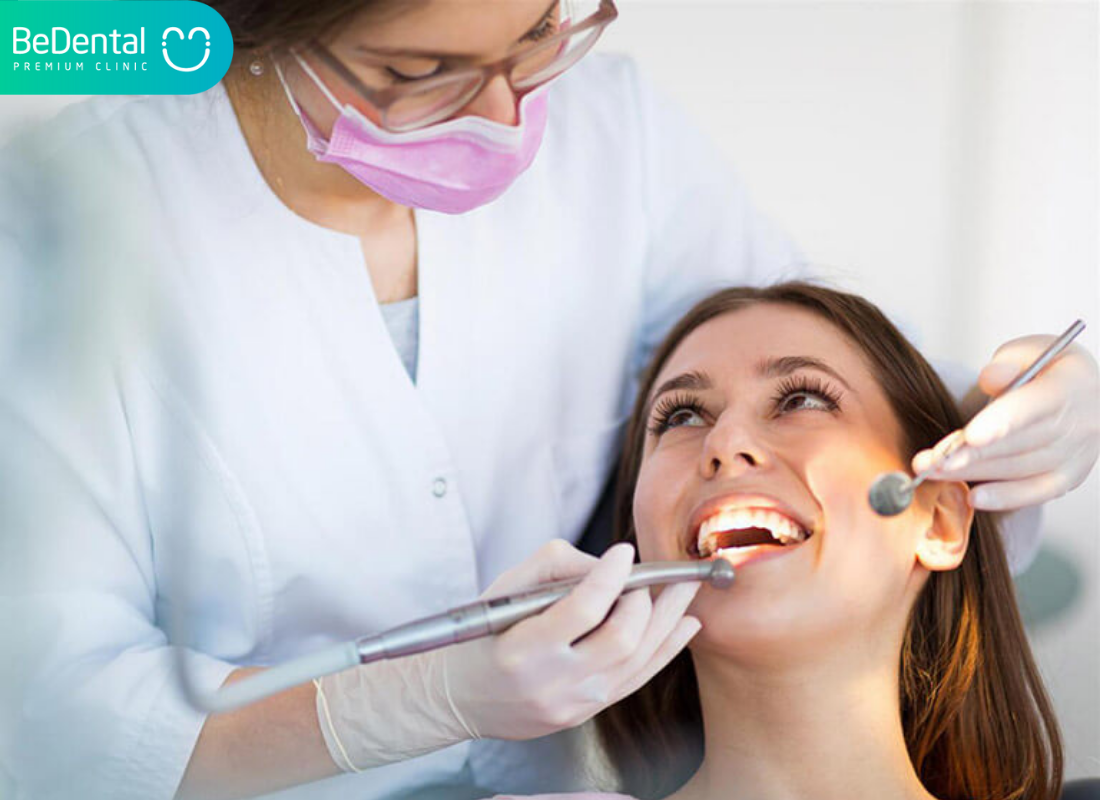
The short answer is yes, but the discomfort is usually mild and completely manageable. This sensation is not unique to Vietnam; it is a normal and unavoidable part of braces treatment anywhere in the world.
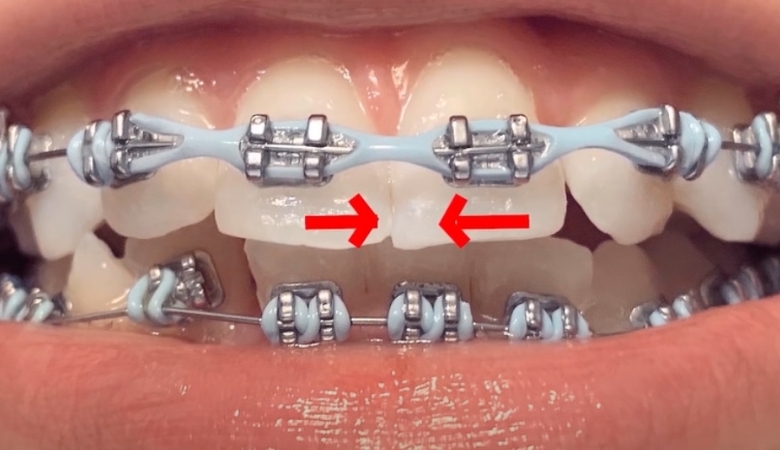
Pain or discomfort occurs because braces apply controlled orthodontic force to move teeth from their current positions into proper alignment. During this process, patients may experience temporary soreness, pressure, or tooth sensitivity, especially at certain stages of treatment.
Thanks to modern orthodontic techniques widely used in Vietnam, pain levels today are significantly lower than in the past. Orthodontists carefully calculate and adjust the force applied to each patient, ensuring it is gentle, safe, and effective, while minimizing unnecessary discomfort.
Most importantly, braces do not cause constant pain throughout the entire treatment. Discomfort usually appears only for a short time—such as after braces are first placed or adjusted, and gradually fades as the teeth and surrounding tissues adapt. Many patients report that after the first few weeks, pain becomes minimal or barely noticeable.
See more: Braces near me in Vietnam
2. Stages of Braces Treatment That May Cause Discomfort
Discomfort during braces treatment does not occur randomly. It usually appears at specific stages, when orthodontic force is introduced or adjusted. Understanding these stages helps patients prepare mentally and manage sensations more effectively.
| Treatment Stage | Why It Happens | Common Sensations | Typical Duration | How to Manage Effectively |
| 1. Tooth Separation (Spacer Placement) | Small elastic spacers are inserted between molars to create space for bands or appliances. | • Mild to moderate pressure
• Soreness between teeth • Tight or achy feeling when chewing |
3–5 days | • Eat soft foods (soup, porridge, yogurt, smoothies)
• Avoid hard, sticky, or chewy foods • Do not attempt to remove spacers |
| 2. Initial Braces Placement | Brackets and archwires begin applying orthodontic force to move teeth. | • Tightness across multiple teeth
• Tooth sensitivity • Lips/cheeks/tongue irritation from new appliances |
5–7 days (most noticeable phase) | • Use orthodontic wax to reduce friction
• Apply cold compress if needed • Eat soft foods • Use mild pain relievers if advised by orthodontist |
| 3. Tooth Extraction (If Required) | Space is created to correct severe crowding or protrusion. | During procedure: minimal discomfort with anesthesia After anesthesia:
• Mild soreness • Slight swelling |
1–2 days after extraction | • Follow post-extraction care instructions
• Avoid straws, spitting forcefully, or smoking • Avoid hard foods • Take prescribed medication if needed |
| 4. Regular Adjustment Visits (Every 3–6 Weeks) | Wires tightened, replaced, or elastics adjusted to continue tooth movement. | • Mild aching or pressure
• Less intense than initial placement |
1–3 days after each visit | • Soft diet temporarily
• Inform orthodontist if pain is unusually strong or prolonged |
| 5. Interproximal Reduction (IPR – Tooth Shaving) | Small amount of enamel is gently reduced to create space without extraction. | • Slight temporary sensitivity | A few hours to 1 day | • Usually no special care required
• Sensitivity resolves naturally |
See more: Does getting braces hurt? Which stage is the most painful?
3. Does Clear Aligner Treatment Hurt?
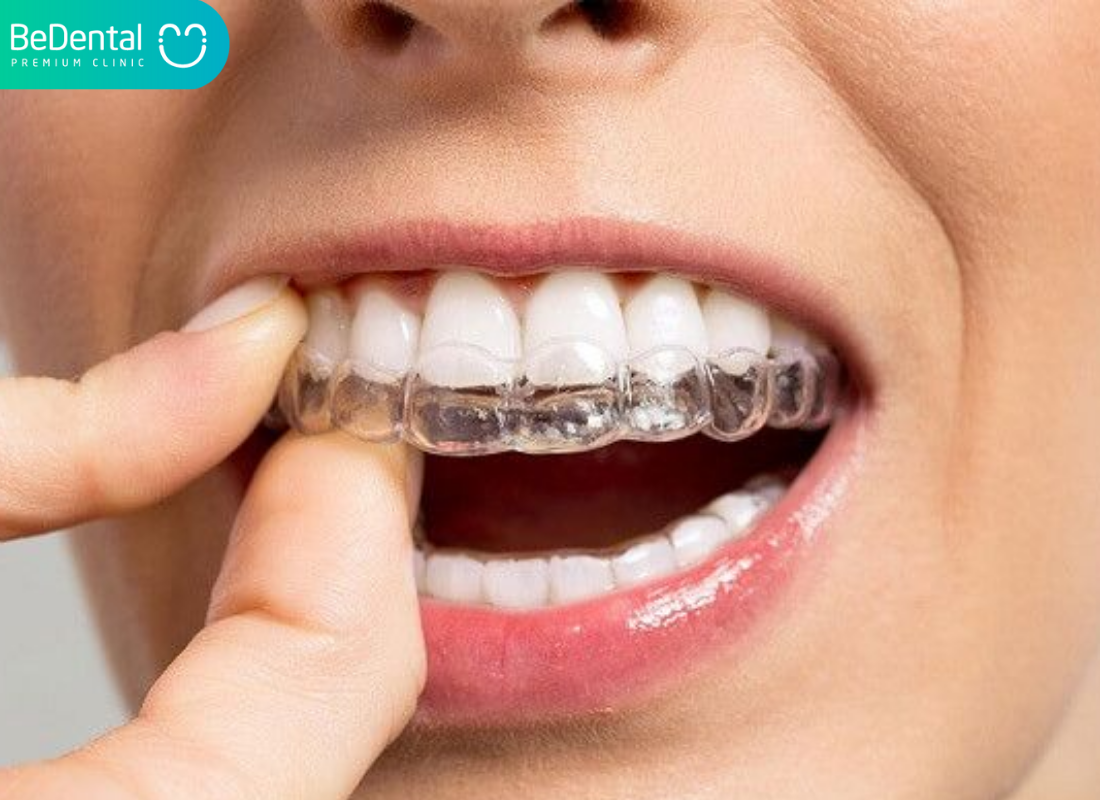
Clear aligners (such as Invisalign or equivalent systems) are widely regarded as the least painful orthodontic option.
Why clear aligners are more comfortable:
- No brackets or wires, reducing soft tissue irritation
- Gentle, gradual force applied through customized aligner stages
- Removable design, allowing breaks during eating and oral hygiene
Some patients may experience mild tightness for 1–2 days after switching to a new aligner tray. This sensation is generally mild and does not require pain medication.
At BeDental, clear aligners are designed using advanced 3D digital scanning, ensuring precise fit, controlled movement, and maximum comfort throughout treatment.
4. Effective Ways to Reduce Pain During Braces Treatment
4.1. Use Pain Relievers Properly
Over-the-counter medications such as Paracetamol or Ibuprofen can help during peak discomfort periods. Always follow your orthodontist’s instructions and avoid overuse.
4.2. Choose Soft Foods
Eat soft, easy-to-chew foods like yogurt, soups, mashed vegetables, and smoothies. Avoid hard, crunchy, or sticky foods that increase pressure on teeth.
4.3. Rinse with Warm Salt Water
Saltwater rinses soothe gums, reduce inflammation, and prevent mouth sores. Rinse 2–3 times daily, especially after meals.
4.4. Use Orthodontic Wax
Dental wax protects cheeks, lips, and tongue from irritation caused by brackets or wires—especially helpful in the early stages.
4.5. Rest and Relax
Adequate sleep, hydration, and stress reduction help the body adapt faster, reducing pain perception.
See more: Orthodontic Treatment in Vietnam
5. Is Braces Pain Ever Unbearable?

According to data from the American Association of Orthodontists (AAO), over 90% of orthodontic patients rate braces discomfort as “manageable,” while only 5–10% experience pain lasting longer than one week.
At BeDental, orthodontic discomfort is actively minimized through a clinically controlled, patient-centered approach, rather than a one-size-fits-all protocol. Specifically, BeDental orthodontists:
- Customize orthodontic force for each stage of treatment, based on the patient’s age, bone density, tooth movement response, and pain sensitivity, instead of applying standardized force levels.
- Use low-force, biologically compatible archwires that deliver continuous but gentle pressure, reducing inflammation of the periodontal ligament.
- Apply digital treatment planning (3D analysis and simulation) to predict tooth movement accurately, helping avoid excessive force or unnecessary adjustments.
- Schedule progressive, shorter activation intervals when needed, allowing teeth and surrounding tissues to adapt gradually rather than abruptly.
- Provide immediate post-adjustment support, including pain-management guidance and 24/7 consultation access if discomfort exceeds normal expectations.
By combining precision orthodontics, advanced materials, and continuous monitoring, BeDental ensures that braces treatment remains effective, safe, and as comfortable as possible, even for patients with higher pain sensitivity.
Patient Stories: Real Experiences with Braces Pain at BeDental
Patient Story 1: Emma R. (UK)
Emma, a 29-year-old marketing consultant from the United Kingdom, chose BeDental for her braces treatment while living and working in Ho Chi Minh City.
“I was honestly nervous about the pain before getting braces, especially since I was doing it abroad. The first few days after my braces were placed, I did feel tightness and soreness when biting, particularly around my front teeth. However, it was not sharp pain—more like pressure.”
Emma shared that the discomfort peaked during the first week and again briefly after her first adjustment appointment.
“What surprised me the most was how attentive the orthodontists were. They explained exactly why the discomfort happened and reassured me it was temporary. I was also given clear instructions on what to eat and how to manage soreness. After about 5–6 days, I barely noticed the pain at all.”
She highlighted BeDental’s English-speaking staff and 24/7 support, which helped her feel confident throughout the process.
“Knowing I could contact the clinic anytime if something felt wrong made a huge difference. Compared to what my friends experienced back home, the pain level was very manageable.”
Patient Story 2: Anh Minh (Vietnam)
Anh Minh, a 22-year-old university student from Vietnam, started braces treatment at BeDental to correct severe crowding.
“I was very afraid of pain before braces, especially because I needed tooth extraction. But during the extraction itself, I felt almost nothing because of the anesthesia.”
After braces placement, Minh experienced soreness for a few days.
“The first 3–4 days were uncomfortable when eating, especially after wire tightening. My teeth felt sore, and chewing was difficult. But the dentist had warned me beforehand, so I wasn’t shocked.”
What helped Minh most was the gradual force adjustment strategy used at BeDental.
“The orthodontist said they used lighter force because my teeth were moving fast. After one week, the pain was gone. Now, after several months, I only feel slight soreness for one or two days after adjustments.”
Minh emphasized that the pain was temporary and worth the result.
“Looking back, the pain was not as bad as I imagined. It was something I could handle, and the doctors were always careful not to make it worse.”
Braces treatment at BeDental may cause temporary discomfort, but it is carefully controlled, predictable, and manageable with professional care.
Through personalized force adjustment, clear communication, and continuous patient support, BeDental ensures that pain never becomes a barrier to achieving a healthy, confident smile.