

 English
 한국어
한국어 日本語
日本語 中文 (中国)


Clear Braces in Vietnam: Over the past decade, Vietnam has emerged as one of Asia’s most trusted destinations for modern orthodontic care. Among the wide range of orthodontic solutions available, clear braces in Vietnam have become a top choice for patients who want effective teeth straightening without compromising aesthetics.
Unlike traditional metal braces, clear braces offer a discreet appearance while delivering reliable, predictable results. Combined with Vietnam’s advanced dental technology, highly trained orthodontists, and competitive pricing, clear braces provide an ideal balance between appearance, performance, and affordability.
In this article, we explore why Vietnam excels in clear orthodontic treatments, the types of clear braces available, who they are best suited for, and why BeDental is a leading provider of clear braces for both local and international patients.
1. Why Vietnam Is a Top Destination for Clear Braces
Vietnam’s reputation in orthodontics is built on a strong foundation of professional education, digital innovation, and extensive clinical experience.
International-Level Orthodontic Training
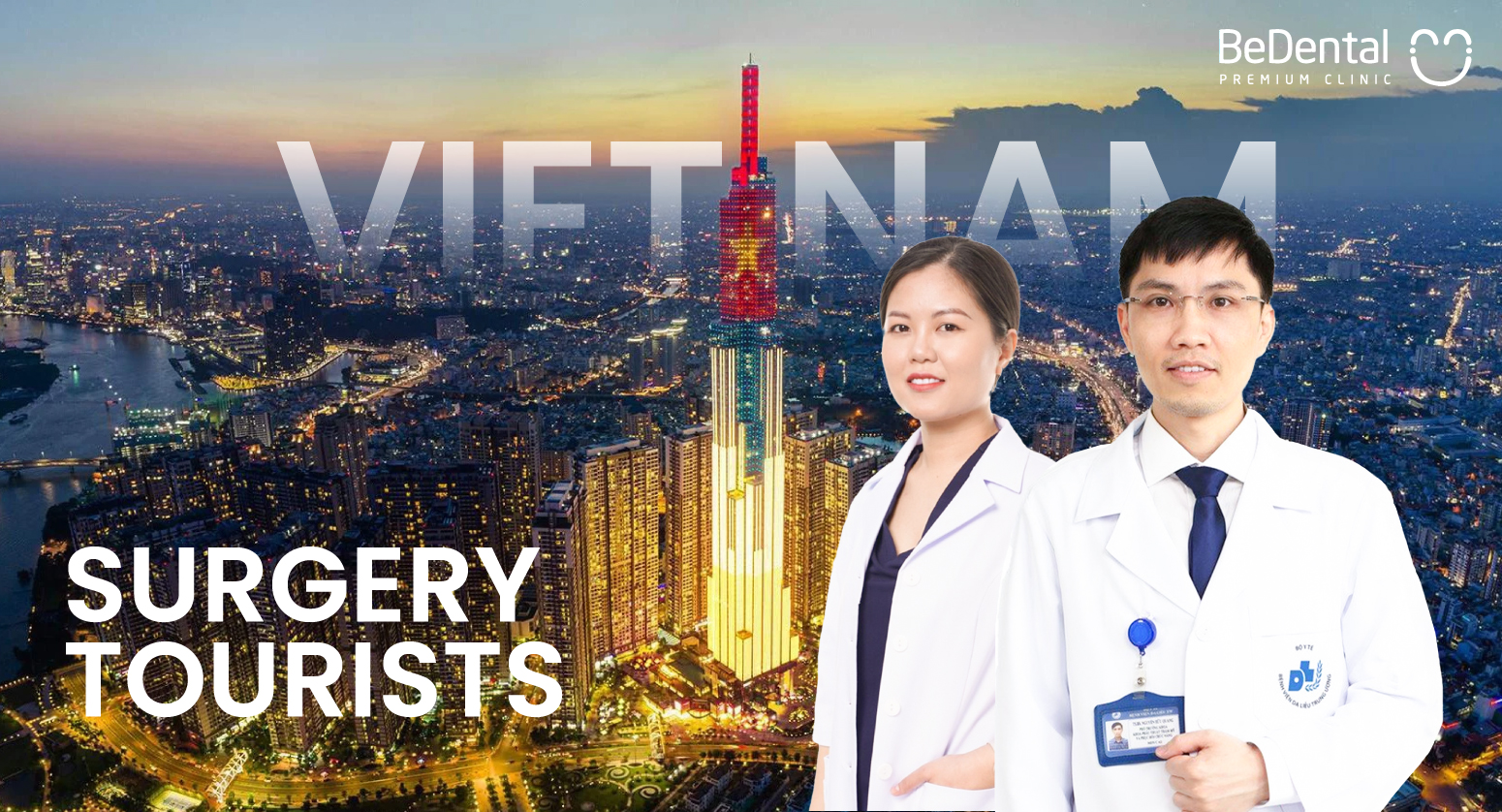
Orthodontists in Vietnam typically complete 6–8 years of formal dental education, followed by postgraduate specialization in orthodontics. Many senior orthodontists at premium clinics have received advanced training or certifications in countries such as:
- South Korea
- Japan
- Germany
- The United States
This international exposure is particularly important for clear braces, as successful treatment requires precise diagnosis, biomechanical planning, and long-term bite stability, not just cosmetic alignment.
Vietnamese orthodontists are experienced in treating a wide range of cases, including:
- Crowded or overlapping teeth
- Protrusion (buck teeth)
- Overbite, underbite, and crossbite
- Spacing and midline discrepancies
See more: Braces near me in Vietnam
Cost Advantage Without Quality Compromise
One of the biggest reasons patients choose clear braces in Vietnam is the significant cost savings. Thanks to lower operational and labor costs, patients can save 40–60% compared to Western countries—without sacrificing material quality or clinical standards.
| Treatment Type | Vietnam (USD) | U.S. / Europe / Australia (USD) | Estimated Savings |
| Clear Ceramic Braces | 1,200 – 2,500 | 3,500 – 6,500 | 40–60% lower |
| Clear Aligners (Invisalign-type) | 1,800 – 3,500 | 4,000 – 7,000+ | 40–55% lower |
Importantly, reputable clinics in Vietnam use FDA- and ISO-certified orthodontic systems, ensuring safety, predictability, and long-term results.
Advanced Digital Orthodontic Infrastructure
Top orthodontic clinics in Vietnam operate as fully digital dental centers, equipped with:
- 3D intraoral scanners
- Digital cephalometric analysis
- AI-assisted treatment simulation
- CAD/CAM orthodontic planning software
These technologies allow orthodontists to simulate tooth movement, predict treatment duration, and customize clear braces with exceptional precision—greatly improving patient comfort and outcomes.
2. Common Types of Clear Braces in Vietnam
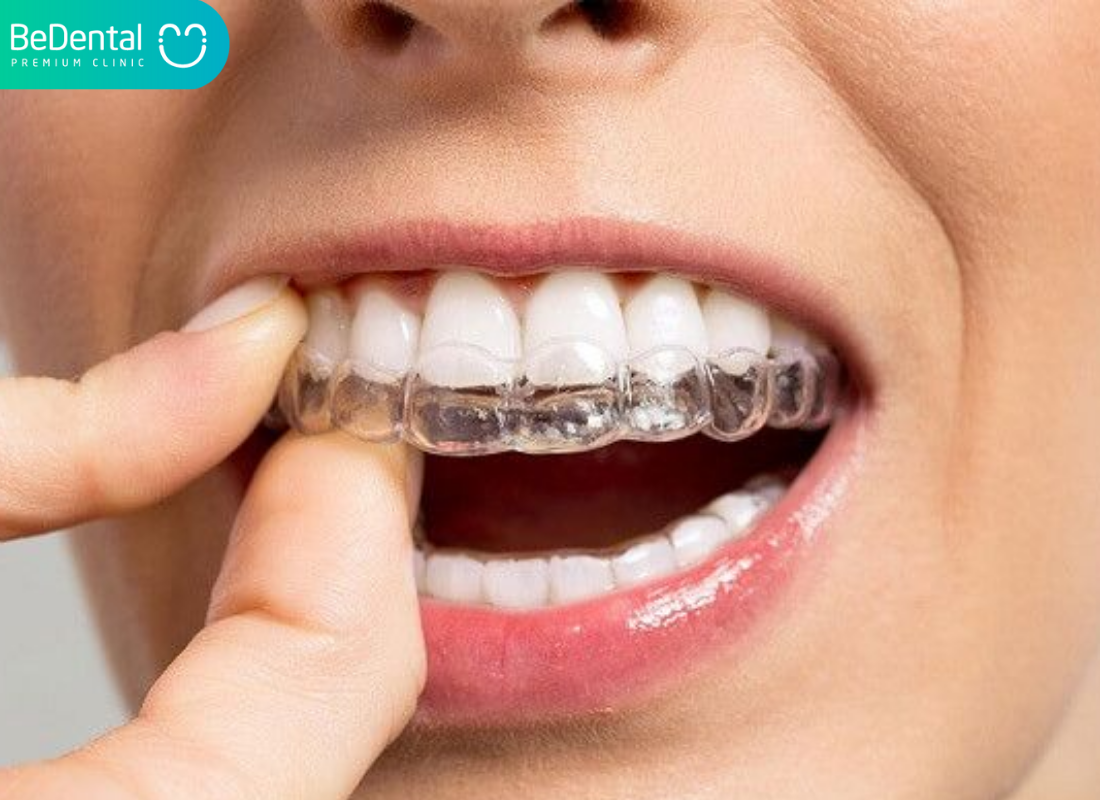
Clear orthodontic treatment in Vietnam has advanced significantly over the past decade, offering patients multiple aesthetic solutions that balance appearance, effectiveness, and cost. The most common options include ceramic braces, clear self-ligating braces, and clear aligner systems. Each method serves different clinical needs and lifestyle preferences.
| Category | Ceramic | Clear Self-Ligating | Clear Aligners |
| Core Concept | Ceramic braces function on the same biomechanical principles as conventional fixed orthodontics. The key difference lies in the material: ceramic brackets are tooth-colored or translucent, allowing them to blend naturally with enamel. | Clear self-ligating braces represent a technological refinement of ceramic braces. Instead of elastic ligatures, these brackets incorporate a built-in sliding mechanism to hold the archwire. | Clear aligners differ fundamentally from braces. They are removable, digitally planned orthodontic devices that move teeth through a sequence of programmed aligners. |
| Clinical Characteristics | • Fixed appliance bonded to the labial (front) surface of teeth
• Ceramic brackets paired with metal or aesthetic archwires • Continuous force delivery independent of patient compliance |
• Ceramic or translucent self-locking brackets
• Reduced friction compared to conventional ceramic braces • More efficient force transmission |
• Removable transparent trays
• Movement based on staged digital simulations • Highly dependent on patient compliance (20–22 hours/day) |
| Dentist’s Rationale for Use | Orthodontists favor ceramic braces when: • Precise three-dimensional tooth control is required
• Rotations, vertical movements, or bite correction cannot be reliably achieved with aligners • Aesthetic concerns exist, but treatment predictability remains a priority While ceramic brackets generate slightly more friction than metal, experienced clinicians compensate through wire selection, force modulation, and treatment staging. |
From a seasoned orthodontist’s viewpoint, self-ligating ceramic systems are selected when:
• Treatment efficiency needs to be improved without sacrificing aesthetics • Reduced chair time and fewer adjustments are desirable • Oral hygiene maintenance is a concern (no elastic ties to trap plaque) These systems allow for gentler forces, which can improve comfort and reduce root resorption risk in adult patients. |
Experienced orthodontists prescribe clear aligners when:
• Tooth movement requirements fall within predictable limits • The patient demonstrates high responsibility and discipline • Aesthetic invisibility and lifestyle flexibility are top priorities However, aligners have mechanical limitations, particularly for: • Severe rotations • Vertical movements • Complex bite correction In such cases, fixed clear braces provide superior control. |
| Best Indicated For | • Mild to moderate crowding and spacing
• Protrusion or flaring of anterior teeth • Adult patients seeking discreet but fixed orthodontic control |
• Moderate orthodontic cases
• Patients seeking premium clear braces • Adults prioritizing comfort, hygiene, and reduced visit frequency |
• Mild to moderate alignment issues
• Relapse cases after previous orthodontic treatment • Patients prioritizing removability and minimal visibility |
See more: Does getting braces hurt? Which stage is the most painful?
3. Why Patients Choose Clear Braces in Vietnam
Clear braces have become one of the most requested orthodontic treatments in Vietnam, especially among adults and international patients. Their popularity is driven by three key benefits: aesthetics, effectiveness, and comfort.
3.1 Discreet Appearance for Professional & Social Confidence
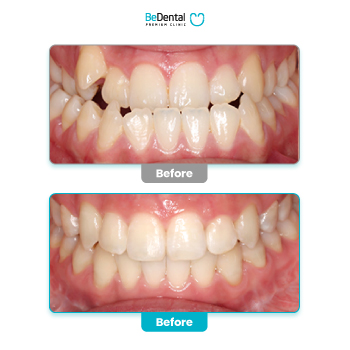
The most obvious advantage of clear braces is their low visual impact. Ceramic brackets are color-matched to natural teeth and can reduce bracket visibility by approximately 50–70% compared to traditional metal braces, depending on lighting and archwire type.
Clear braces are especially popular among:
- Working professionals
- University students
- Public-facing individuals (sales, education, media)
- Adults who delayed orthodontic treatment earlier in life
Globally, adults now represent nearly 30–40% of orthodontic patients, and many prefer aesthetic systems to maintain professional confidence during the average 18–24 months of treatment.
In Vietnam, orthodontists pay close attention to:
- Bracket placement symmetry (precision within 0.5 mm can influence final alignment accuracy)
- Archwire selection (light continuous forces of approximately 20–150 grams per tooth)
- Smile line harmony and facial balance
This ensures that even during treatment, the smile remains natural and proportionate rather than bulky or overly clinical.
3.2 Effective Correction of Complex Bite Issues
Despite their subtle appearance, clear braces are highly effective in correcting moderate to complex orthodontic problems. Clinical studies indicate that treatment outcomes with ceramic braces are comparable to metal braces in over 90% of routine orthodontic cases, when properly planned.
Clear braces are suitable for:
- Crowding and rotation (commonly affecting 40–60% of orthodontic patients)
- Protrusion and retrusion
- Vertical and horizontal bite discrepancies
- Long-term occlusal correction
Vietnamese orthodontists emphasize functional bite correction, not just cosmetic alignment. Since untreated malocclusion can increase the risk of uneven tooth wear and temporomandibular discomfort—conditions affecting approximately 5–12% of adults—treatment planning considers jaw position, chewing efficiency, speech, and long-term stability.
3.3 Improved Comfort and Oral Health
Modern clear brace systems are designed with smoother bracket contours and rounded edges, which can reduce soft tissue irritation by approximately 20–30% compared to older ceramic systems.
Additional benefits include:
- Improved oral hygiene accessibility with proper brushing and flossing
- With good care, plaque accumulation can be reduced to near baseline levels within 4–6 weeks of hygiene instruction
- Gradual, controlled tooth movement using biologically optimal forces, which helps minimize discomfort during the first 3–7 days after adjustments
When combined with professional monitoring every 4–6 weeks, consistent oral hygiene guidance, and individualized treatment planning, clear braces support both aesthetic improvement and long-term oral health stability.
See more: Orthodontic Treatment in Vietnam
4. Who Is the Ideal Candidate for Clear Braces?
Clear braces are especially suitable for patients who:
Desire Discreet Orthodontic Treatment
Patients who want to straighten their teeth without drawing attention during daily interactions often prefer clear braces. Ceramic brackets blend naturally with tooth color, making them an excellent option for adults, professionals, and patients concerned about smile aesthetics—particularly when correcting front teeth.
Have Mild to Moderate Orthodontic Issues
Clear braces are effective for correcting common issues such as:
- Mild to moderate crowding
- Tooth spacing
- Minor bite discrepancies
Patients with more complex skeletal or jaw-related problems may require metal braces or combined orthodontic–surgical treatment.
Healthy Gums and Strong Enamel
Dentists prefer clear braces for patients with:
- Healthy periodontal conditions
- Strong, intact enamel
This reduces the risk of staining, inflammation, or enamel damage during bonding and debonding.
5. Why Choose BeDental for Clear Braces in Vietnam?
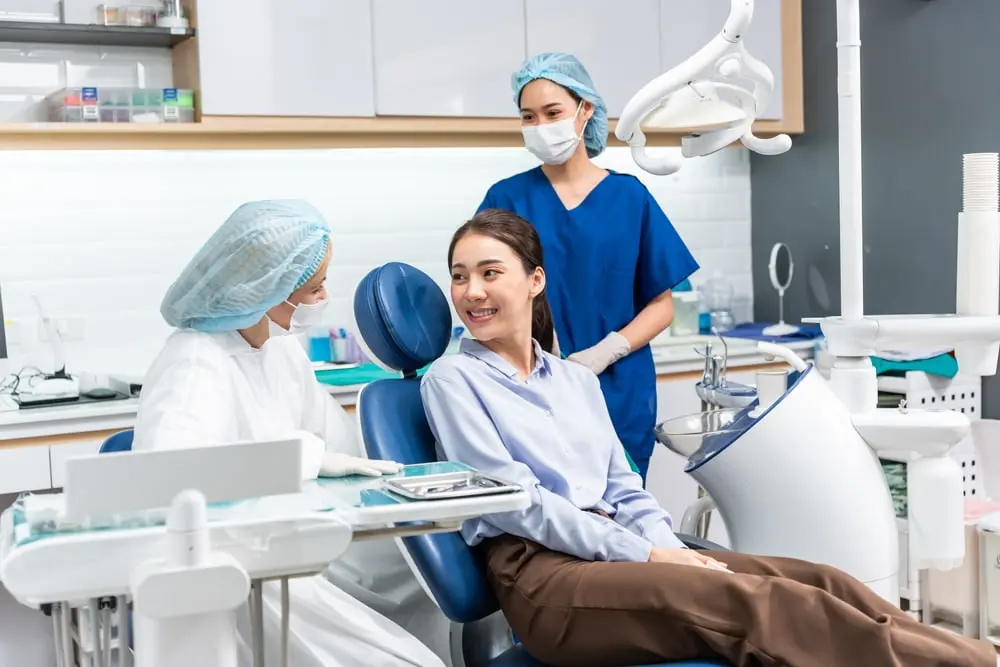
BeDental is widely recognized for its precision-driven orthodontic care, particularly in aesthetic and adult orthodontics.
Specialized Orthodontic Expertise
At BeDental, treatment is managed by:
- 100% cases supervised by certified orthodontic specialists
- Dentists trained in digital orthodontics and biomechanical planning
- Multidisciplinary collaboration (orthodontics – prosthodontics – oral surgery when needed)
Clinical Performance Indicators:
- Over 1,000+ orthodontic cases completed
- More than 70% adult patients
- Complex malocclusion cases (overbite, underbite, crossbite) account for 40–50% of treated cases
- Treatment success rate above 95% (stable occlusion after retention phase)
Each case begins with full bite analysis, including skeletal assessment and occlusal evaluation — not just cosmetic alignment.
Advanced Digital Planning
BeDental uses:
- 3D scans instead of traditional molds
- Predictive simulations
- Custom bracket positioning
This shortens treatment time and improves results.
Transparent Pricing and Long-Term Support
BeDental prioritizes financial clarity and long-term outcomes.
Patients receive:
- A clear treatment roadmap from consultation to retention
- Written quotation with 0 hidden fees
Flexible installment plans (0% interest options available) - Customized retention plan (fixed or removable retainers)
- Warranty policies up to 3–5 years depending on treatment type
Retention Monitoring:
- Follow-up compliance rate above 90%
- Remote monitoring options for international or out-of-province patients
International Patient Care
BeDental serves both local and overseas patients.
Services include:
- Online consultation before arrival
- English-speaking clinical coordinators
- Flexible appointment scheduling (weekend support)
- Post-treatment remote guidance
International Service Metrics:
- Patients from 10+ countries
- Average response time for online consultation: within 24 hours
- Over 80% patient satisfaction rate in aesthetic orthodontic cases.
6. Real Patient Stories at BeDental
Customer Story 1: Emily (Australia)
Emily, a 29-year-old marketing consultant, wanted to correct crowding in her front teeth but was hesitant about visible braces. After choosing clear braces at BeDental in Ho Chi Minh City, she underwent a digitally planned orthodontic treatment using ceramic brackets.
Within 18 months, Emily achieved a balanced, natural smile without feeling self-conscious during meetings or presentations. She appreciated the professional planning, transparent costs, and ongoing remote support after returning to Australia.
Customer Story 2: Quang (Vietnam)
Quang, a 35-year-old engineer, suffered from a deep bite and uneven teeth. Concerned about aesthetics and long-term bite health, he opted for clear self-ligating braces at BeDental.
Thanks to precise digital planning and regular monitoring, his bite improved significantly, reducing jaw strain and improving chewing efficiency. Today, Quang enjoys a healthier bite and a confident smile.
Conclusion
Clear braces in Vietnam represent a powerful combination of modern orthodontic science, discreet aesthetics, and outstanding value. With highly trained specialists, advanced digital systems, and patient-centered care, Vietnam offers world-class orthodontic treatment at a fraction of Western costs.
For patients seeking a refined, confident smile without the visibility of metal braces, clear braces in Vietnam—especially at BeDental—are a smart, future-proof investment in both appearance and oral health.
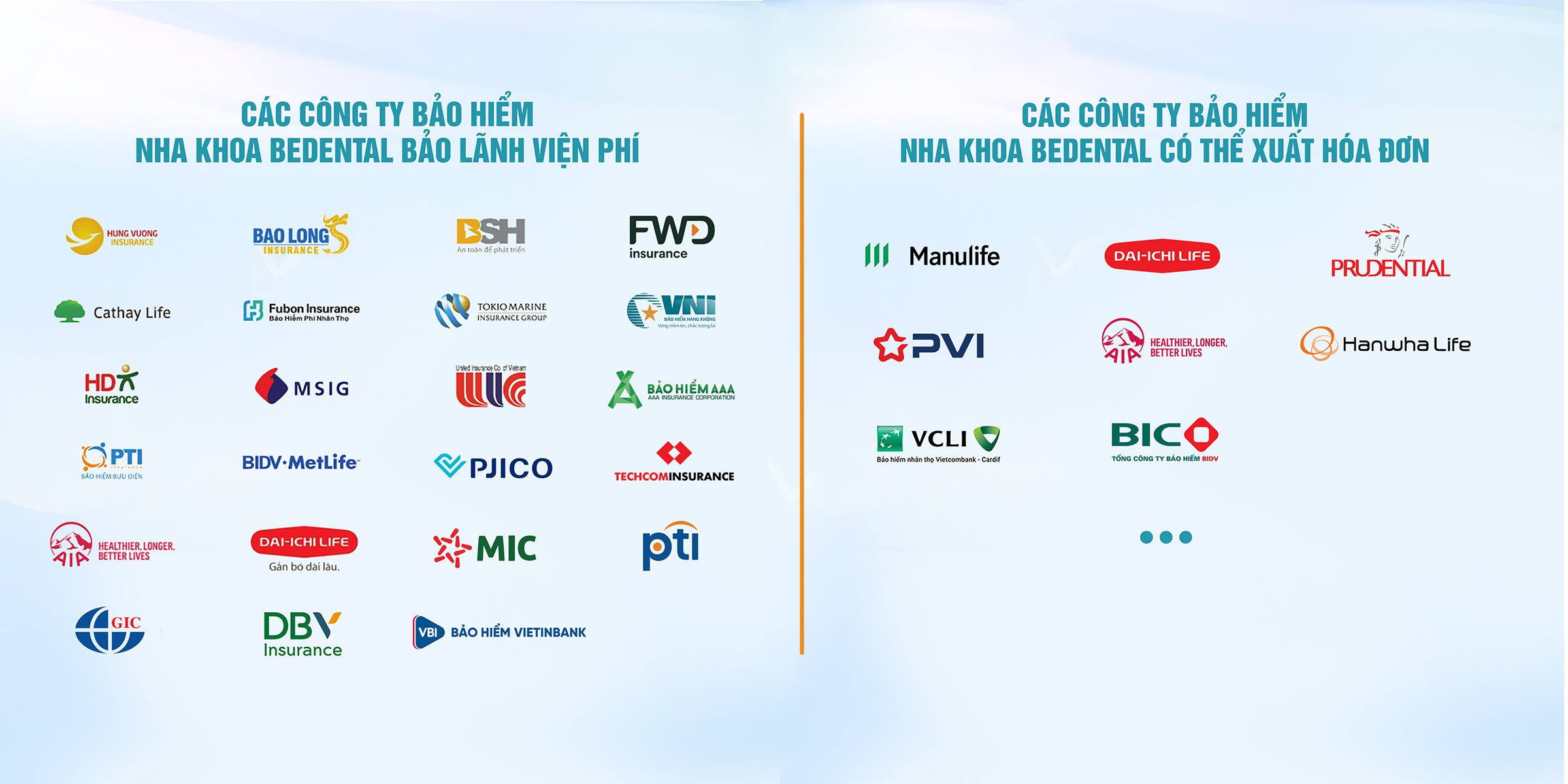
Tại BeDental, khách hàng có thể an tâm điều trị với dịch vụ bảo lãnh viện phí nha khoa nhanh chóng và tiện lợi. BeDental hiện liên kết với nhiều công ty bảo hiểm uy tín, hỗ trợ thanh toán trực tiếp chi phí các dịch vụ nha khoa như nhổ răng, trám răng, điều trị tủy, phục hình răng sứ... Quy trình linh hoạt, minh bạch giúp tiết kiệm thời gian và tối ưu chi phí. Hãy liên hệ BeDental để được tư vấn chi tiết và tận hưởng trải nghiệm chăm sóc răng miệng chuyên nghiệp, không lo gánh nặng tài chính.
? Các đơn vị nha khoa chấp nhận bảo lãnh bao gồm : Hùng Vương Insurance, Bảo Long Insurance, BSH (Bảo hiểm BSH), FWD Insurance Cathay Life Fubon Insurance, Tokio Marine Insurance Group VNI (Bảo hiểm Hàng không), HD Insurance MSIG AAA Insurance PTI (Bảo hiểm Bưu điện), BIDV MetLife, PJICO, Techcom, Insurance, AIA, Dai-ichi Life MIC GIC DBV Insurance VBI (Bảo hiểm VietinBank)
? Các công ty bảo hiểm BeDental có thể xuất hóa đơn: Manulife Dai-ichi Life Prudential AIA Hanwha Life PVI VCLI (Bảo hiểm nhân thọ Vietcombank - Cardif) BIC (Bảo hiểm BIDV), Bảo Việt Insurance và PVI