

 English
 한국어
한국어 日本語
日本語 中文 (中国)


Children’s braces in Vietnam are not only a matter of aesthetics but also play a crucial role in the overall development of the jaws, chewing function, and long-term oral health. With so many orthodontic options available today, many parents feel confused and wonder: Which method is the most suitable, safe, and effective for my child? Let’s explore this topic together with BeDental in the article below.
Why should children get braces early?
Getting children’s braces in Vietnam at an early age provides significant advantages due to the unique biological characteristics of jaw growth and dental development during childhood.
According to orthodontic specialists, the ideal age for initial orthodontic evaluation is around 6–7 years old, when children enter the mixed dentition stage (a combination of baby and permanent teeth). The most favorable window for interceptive treatment is typically 6 to 12 years old, when jawbones are still developing.
Studies indicate that 60–75% of children worldwide show some form of malocclusion, but early intervention can reduce the severity of future orthodontic problems in many of these cases.
At ages 6–12:
- Jawbones are still soft and flexible
- Bone remodeling cycles occur efficiently (approximately 3–4 weeks per activation)
- Teeth move more predictably at a rate of 0.5–1 mm per month
In contrast, adult orthodontic treatment often takes 20–30% longer due to denser, fully developed bone structure.
Early treatment may shorten overall orthodontic duration by several months and reduce the need for complex mechanics later.
Children generally experience:
- Faster tissue adaptation
- Lower levels of discomfort compared to adults
- Shorter soreness duration (typically 2–3 days after adjustments)
Because bone turnover is higher in children, orthodontic forces can be lighter and more biologically efficient.
Additionally, regular visits every 4–6 weeks help children become accustomed to dental care, reducing long-term dental anxiety.
When jaw discrepancies are detected early, orthopedic appliances can guide growth before skeletal maturity. After puberty (around 15–18 years in females, 17–21 years in males), jaw sutures begin to stabilize, making non-surgical correction more difficult.
If the growth window is missed, severe skeletal problems may later require orthognathic surgery, which is more invasive and costly.
5 common mistakes parents make when choosing children’s braces in Vietnam
1. Choosing the cheapest option without proper research
Cost is important, but prioritizing the lowest price without evaluating quality can lead to serious consequences.
Studies show that improper orthodontic force application (optimal range: 20–150 grams per tooth) can result in:
- Inefficient tooth movement
- Increased risk of root resorption (clinically significant in 1–5% of cases, higher when poorly controlled)
- Extended treatment time beyond the typical 12–24 months
Low-quality appliances may:
- Deliver unstable or excessive force
- Increase soft tissue irritation
- Raise the likelihood of bracket failure (occurs in 10–15% of cases, higher with substandard bonding)
Incorrect early treatment often leads to retreatment, potentially increasing total cost by 20–50% compared to properly planned initial care.
Key takeaway: Parents should choose certified orthodontists, clinics with digital diagnostics (CBCT accuracy up to 0.1–0.2 mm), and appliances from reputable manufacturers.
2. Not following the dentist’s instructions
Orthodontic success depends heavily on cooperation.
Children typically require follow-up visits every 4–6 weeks, aligned with the bone remodeling cycle of 21–28 days. Missing multiple appointments can delay treatment by 2–6 months on average.
Failure to follow oral hygiene instructions increases risks such as:
- Gingivitis (affects up to 50–70% of orthodontic patients with poor hygiene)
- White spot lesions (seen in 25–40% of patients without proper brushing)
- Plaque accumulation, which increases significantly around brackets
Inconsistent appliance use (e.g., elastics or functional appliances) can reduce correction efficiency by 30–40%, depending on case severity.
See more: Orthodontic Treatment in Vietnam
3. Delaying treatment because “they can get braces later”
Many parents postpone orthodontics due to concerns about pain or cost. However:
- The “golden age” for orthodontic evaluation is 6–7 years old
- Active growth phase for interceptive treatment: 7–12 years old
- Bone flexibility is significantly higher during this stage
Research indicates that early intervention can reduce the need for permanent tooth extraction by 20–40% in moderate crowding cases.
If treatment is delayed until adulthood:
- Treatment duration may increase by 20–30%
- Skeletal discrepancies may require jaw surgery after growth completion (around 15–18 years for girls, 17–21 years for boys)
Delaying care may also allow crossbite-related asymmetry to worsen. Studies show untreated unilateral crossbite can lead to facial asymmetry in up to 60–70% of growing children.
4. Choosing the wrong orthodontic method for the child’s age and condition
Not all appliances are suitable for every age group.
| Appliance Type | Ideal Age | Effectiveness Notes |
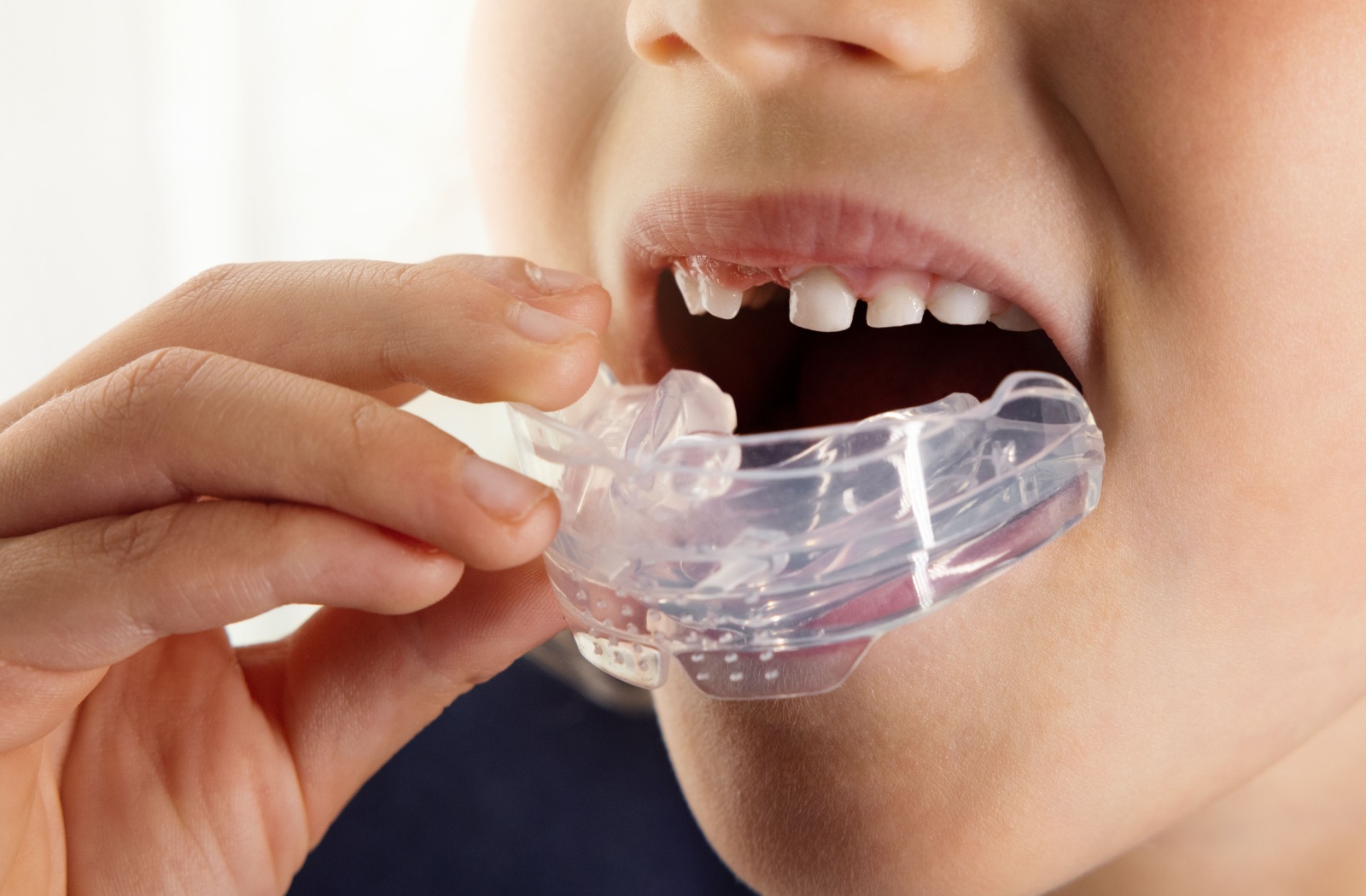
| Trainer appliances | 5–10 years | Effective for habit correction; reduced impact after age 11 |
| Metal braces | 8+ years | Strong, stable forces; cost-effective; widely used (50–60% of cases globally) |
| Clear aligners | Older children / teens | Require high compliance (20–22 hours/day wear) |
| Functional appliances | Growth phase only | Best results before puberty |
Choosing an unsuitable method can reduce treatment effectiveness and may extend duration by several months.
For example, aligners require 20–22 hours of daily wear. Non-compliance can significantly slow progress.
5. Fear of tooth extraction affecting health
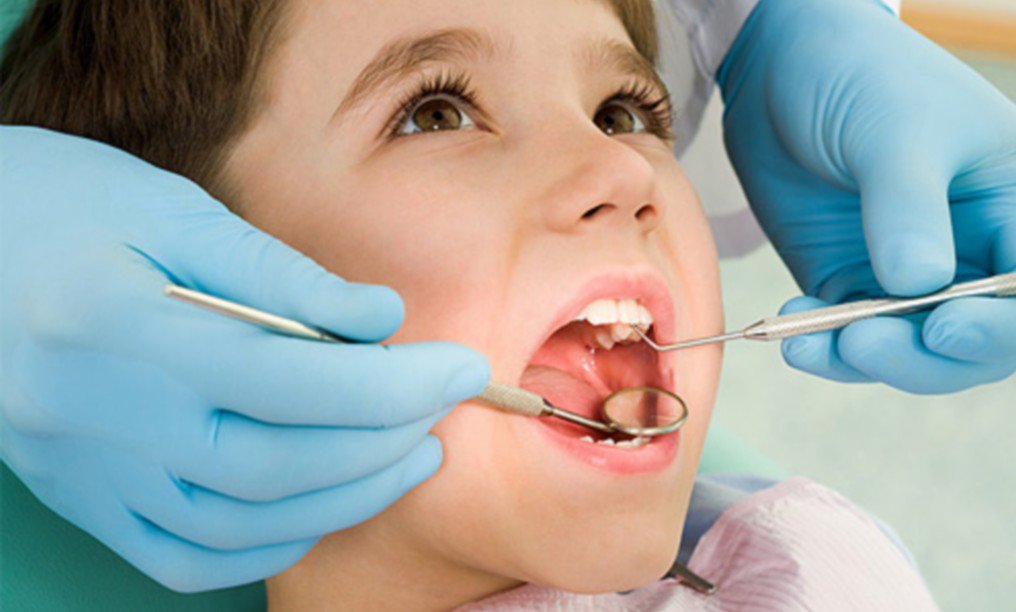
Many parents worry that orthodontic extraction harms facial structure or general health.
In reality:
- Orthodontic extraction is carefully planned and only recommended when space deficiency is severe
- Approximately 15–25% of orthodontic cases may require extraction, depending on crowding and jaw size
- When performed correctly, extraction does not negatively affect systemic health
- Proper space management reduces relapse risk (relapse rates can reach 20–30% without adequate space control and retention)
Avoiding necessary extraction may result in:
- Protrusive facial profile
- Unstable alignment
- Prolonged treatment
Orthodontists evaluate facial proportions, bite relationships, and long-term stability before recommending extraction.
What should parents keep in mind when choosing children’s braces in Vietnam?
When considering children’s braces in Vietnam, parents should pay attention to the following important points to ensure safe, effective, and successful orthodontic treatment.
Choosing the right timing
The ideal time is within two years after the child enters puberty, usually between 7 and 12 years old. During this period, the jawbone is still flexible, and teeth are developing, making orthodontic treatment easier, faster, and more effective.
Preparing a suitable diet
Parents should provide soft and easy-to-chew foods such as porridge, soup, and finely chopped vegetables. Hard, sticky, spicy, or extremely hot or cold foods should be limited to avoid damaging braces and causing discomfort.
Supporting proper oral hygiene
Children often struggle with cleaning their teeth properly while wearing braces, which increases the risk of cavities, gum inflammation, and enamel demineralization. Parents should guide children to brush correctly, use soft toothbrushes, dental floss, and mouthwash regularly.
Helping eliminate bad habits
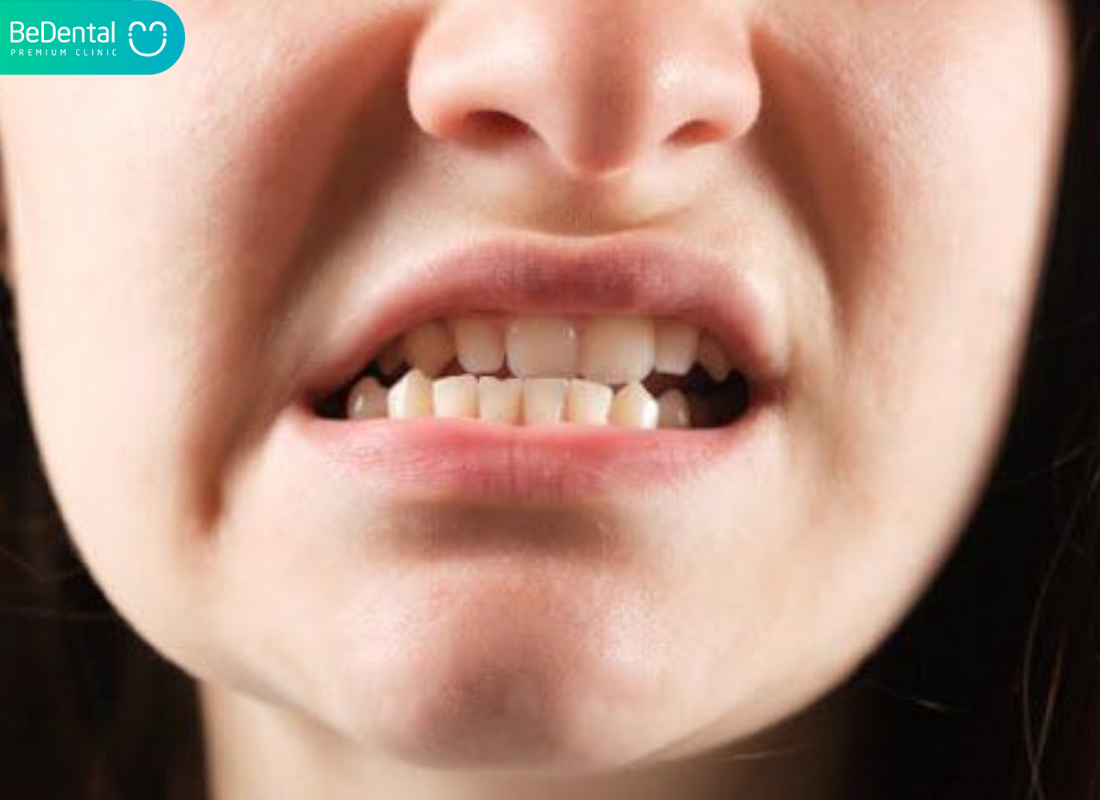
Habits such as thumb sucking, tongue thrusting, mouth breathing, or nail biting can negatively affect orthodontic results. Parents should work with dentists to help children overcome these habits.
Regular follow-up visits
Dental check-ups every six months or as recommended by the dentist help monitor tooth movement, adjust appliances, and detect problems early.
Paying attention to the child’s psychology
Braces may cause discomfort or self-consciousness. Parents should encourage and support their children emotionally, helping them stay confident and motivated throughout the treatment.
Using supportive tools when necessary
Orthodontic wax can reduce irritation from brackets, and mouth guards can protect braces when children play sports.
BeDental – A Trusted Dental Clinic for Children’s Braces in Vietnam
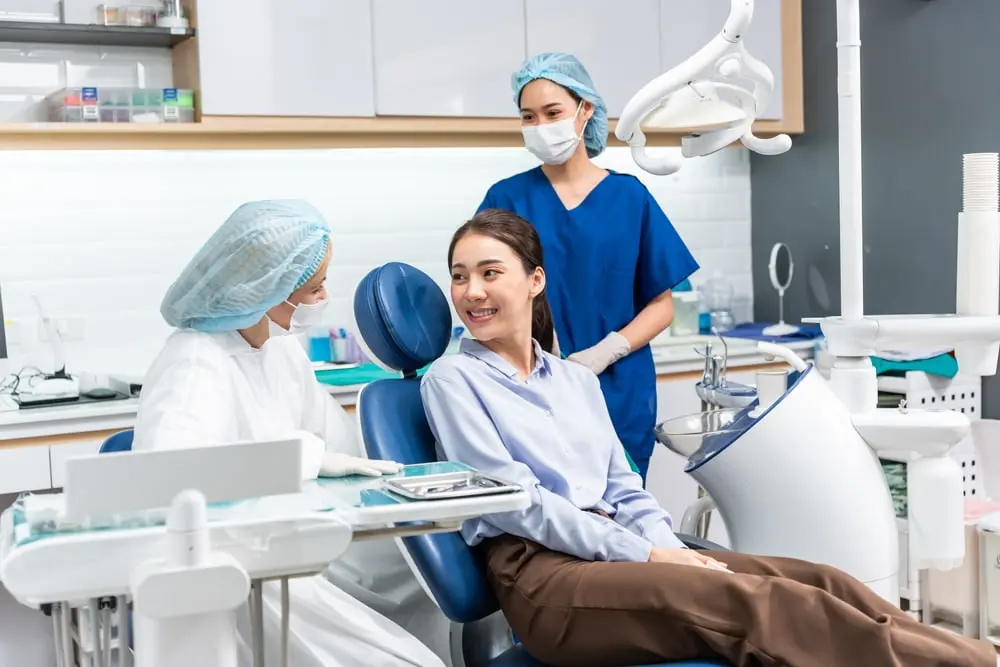
BeDental is proud to be one of the most reputable dental systems specializing in orthodontic treatment in Vietnam, with clinics in both Hanoi and Ho Chi Minh City. The clinic is well known for providing safe, effective, and highly personalized orthodontic services.
Over the past years, BeDental has successfully treated more than 5,000 orthodontic cases, with a 98% patient satisfaction rate and over 70% of new patients coming from referrals. These figures reflect the clinic’s strong professional reputation and consistent treatment quality.
From the very first consultation, patients undergo comprehensive oral examinations, including evaluation of enamel condition, gum health, bite relationships, and jaw structure. BeDental uses modern digital X-ray systems and advanced 3D scanning technology to collect precise diagnostic data. Thanks to this systematic diagnostic protocol, 100% of orthodontic cases are planned using detailed imaging analysis, helping minimize risks and improve treatment predictability.
Based on detailed analysis, orthodontists at BeDental design customized treatment plans, including the type of braces, orthodontic techniques, estimated treatment duration, and step-by-step progress expectations. On average, treatment time ranges from 12 to 24 months, depending on the complexity of the case.
One major advantage of choosing BeDental for the braces procedure in Vietnam is transparent pricing. All treatment costs are clearly explained upfront, with no hidden fees. More than 60% of patients choose 0% interest installment plans, making high-quality orthodontic care more financially accessible.
During the treatment process, if necessary, BeDental orthodontists may recommend supportive procedures such as gum disease treatment, periodontal therapy, or additional oral hygiene care to ensure optimal orthodontic results. Approximately 30% of orthodontic patients receive supportive periodontal care prior to or during braces treatment to enhance long-term stability.
If complications arise, such as recurrent inflammation or delayed tooth movement, the clinic proactively informs patients and adjusts treatment strategies accordingly. With a structured follow-up system and scheduled monitoring every 4–6 weeks, BeDental maintains a low complication rate below 3%, ensuring patients feel accompanied and supported throughout the entire braces procedure in Vietnam.
Conclusion
Children’s braces in Vietnam are an effective solution to help children achieve a well-aligned smile, proper bite, and healthy oral development from an early age. Early orthodontic intervention reduces the need for complex treatments later and ensures long-term benefits for both function and aesthetics.
If you are unsure whether your child needs braces or which method is most suitable, consulting a reputable dental clinic is the best step. At BeDental, our experienced orthodontic specialists are ready to assess your child’s dental condition and provide a personalized treatment plan based on age, oral health, and your family’s financial situation.
Investing in children’s braces in Vietnam today means giving your child a healthier, more confident smile for the future.
See more: Does getting braces hurt? Which stage is the most painful?
Tại BeDental, khách hàng có thể an tâm điều trị với dịch vụ bảo lãnh viện phí nha khoa nhanh chóng và tiện lợi. BeDental hiện liên kết với nhiều công ty bảo hiểm uy tín, hỗ trợ thanh toán trực tiếp chi phí các dịch vụ nha khoa như nhổ răng, trám răng, điều trị tủy, phục hình răng sứ... Quy trình linh hoạt, minh bạch giúp tiết kiệm thời gian và tối ưu chi phí. Hãy liên hệ BeDental để được tư vấn chi tiết và tận hưởng trải nghiệm chăm sóc răng miệng chuyên nghiệp, không lo gánh nặng tài chính.
🔹 Các đơn vị nha khoa chấp nhận bảo lãnh bao gồm : Hùng Vương Insurance, Bảo Long Insurance, BSH (Bảo hiểm BSH), FWD Insurance Cathay Life Fubon Insurance, Tokio Marine Insurance Group VNI (Bảo hiểm Hàng không), HD Insurance MSIG AAA Insurance PTI (Bảo hiểm Bưu điện), BIDV MetLife, PJICO, Techcom, Insurance, AIA, Dai-ichi Life MIC GIC DBV Insurance VBI (Bảo hiểm VietinBank)
🔹 Các công ty bảo hiểm BeDental có thể xuất hóa đơn: Manulife Dai-ichi Life Prudential AIA Hanwha Life PVI VCLI (Bảo hiểm nhân thọ Vietcombank - Cardif) BIC (Bảo hiểm BIDV), Bảo Việt Insurance và PVI