

 English
 한국어
한국어 日本語
日本語 中文 (中国)


Braces for gaps in teeth in Vietnam: Gaps between teeth, medically known as diastema, are a common dental condition affecting many people in Vietnam and around the world. While some individuals consider small gaps a unique aesthetic feature, larger or uneven spaces between teeth can affect both oral health and smile appearance.
Orthodontic treatment using braces is one of the most effective ways to close gaps between teeth and restore proper dental alignment. In Vietnam, braces treatment for tooth gaps has become increasingly popular thanks to affordable costs, modern orthodontic technology, and experienced dental specialists.
This article explains why gaps occur, how braces can fix them, the treatment process in Vietnam, and the typical costs involved.
Common Causes of Tooth Gaps
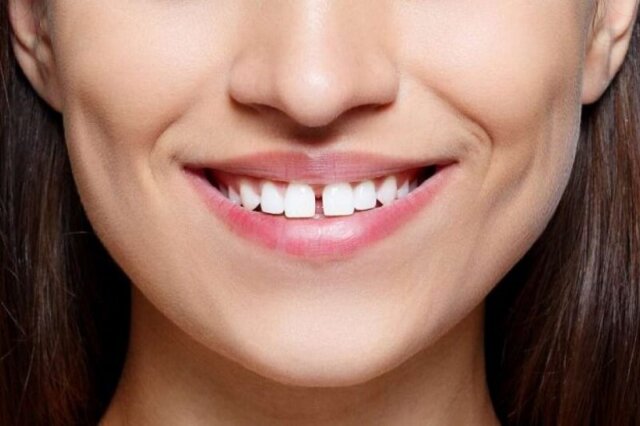
Several factors can lead to spaces between teeth. Understanding the cause helps orthodontists determine the most appropriate treatment plan.
See more: Does getting braces hurt? Which stage is the most painful?
| Cause | Description | How It Creates Gaps |
| Jaw and Tooth Size Mismatch | Occurs when the jaw is relatively larger than the teeth, leaving extra space in the dental arch. This condition is often genetic. | The teeth cannot fully occupy the dental arch, so spaces appear between teeth. |
| Missing Teeth | A tooth may be lost due to extraction, trauma, or congenital absence. | Adjacent teeth gradually shift toward the empty space, creating gaps and misalignment. |
| Abnormal Frenum Attachment | The labial frenum (tissue connecting the upper lip to the gum) may be unusually thick or positioned too low. | The frenum may push the front teeth apart, causing a noticeable gap between the upper incisors. |
| Thumb Sucking or Tongue Thrusting | Certain childhood habits can apply pressure to the front teeth over time. | Continuous pressure pushes teeth forward and apart, gradually creating spaces between them. |
| Gum Disease (Periodontal Disease) | Severe gum infection damages the bone that supports teeth. | As bone support weakens, teeth may loosen and shift, leading to new gaps between teeth. |
Benefits of Fixing Tooth Gaps with Braces
Closing gaps between teeth with orthodontic braces can provide several long-term functional and aesthetic benefits. While many patients initially seek treatment to improve the appearance of their smile, correcting spaces between teeth can also contribute to better oral health, improved bite function, and increased confidence in daily interactions. Below are some of the key advantages of treating tooth gaps with braces.
Improved Smile Aesthetics
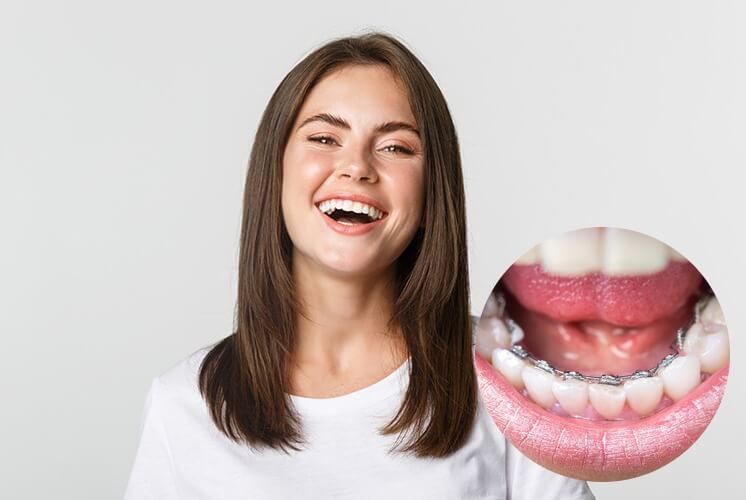
One of the most noticeable benefits of closing gaps between teeth is the improvement in overall smile appearance. Large or uneven spaces can make the smile look unbalanced, especially when the gaps occur between the front teeth. Orthodontic treatment gradually brings the teeth closer together and aligns them within the dental arch, creating a more symmetrical and harmonious smile.
A well-aligned smile can also enhance facial aesthetics by improving the proportions between the teeth, lips, and facial structure. Many patients report feeling more comfortable showing their teeth when smiling after orthodontic treatment.
Better Bite Alignment
Gaps between teeth can sometimes disrupt the natural way the upper and lower teeth meet when biting or chewing. When teeth are not positioned properly, certain teeth may carry more pressure than others, which can lead to uneven wear or discomfort over time.
By closing these spaces and aligning the teeth correctly, braces help create a more balanced bite relationship. This allows chewing forces to be distributed more evenly across the teeth, improving overall chewing efficiency and supporting better jaw function. In some cases, correcting spacing issues may also help reduce strain on the jaw joints.
Easier Oral Hygiene
Teeth that are properly aligned are generally easier to clean than teeth with irregular spacing or positioning. Large gaps or misaligned teeth can create areas where food particles and plaque accumulate more easily.
When braces close these spaces and align the teeth, patients often find it easier to maintain good oral hygiene through brushing and flossing. Improved tooth alignment can therefore help reduce the risk of plaque buildup, tooth decay, and gum inflammation, contributing to better long-term oral health.
Enhanced Confidence
For many people, visible gaps between teeth can affect their confidence when speaking, smiling, or interacting with others. Orthodontic treatment can have a positive impact not only on dental health but also on self-esteem and social confidence.
After treatment, patients often feel more comfortable expressing themselves, smiling in photographs, and participating in social or professional settings. This boost in confidence can be especially meaningful for individuals who previously felt self-conscious about the appearance of their teeth.
See more: Braces near me in Vietnam
Treatment Duration for Closing Tooth Gaps
The time required to close gaps between teeth depends on several factors, including:
- Size of the gap
- Number of teeth involved
- Type of braces used
- Patient age and bone response
In Vietnam, typical treatment timelines include:
- Small gaps: 6–12 months
- Moderate spacing: 12–18 months
- Complex orthodontic cases: 18–24 months
Orthodontists usually schedule adjustment appointments every 4–6 weeks to monitor progress and continue closing the spaces.
Types of Braces Used for Closing Gaps in Vietnam
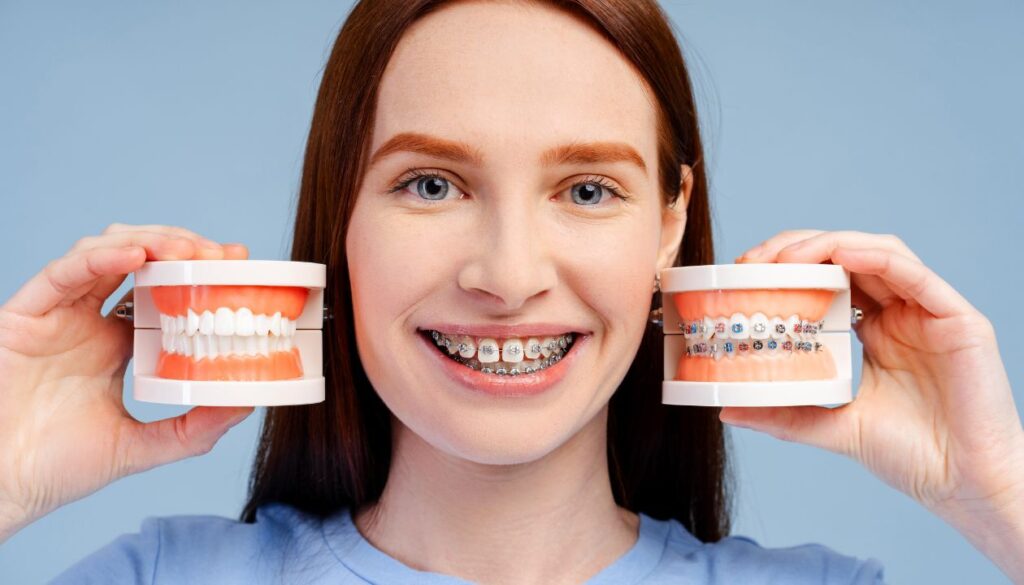
Vietnamese dental clinics offer several orthodontic options for treating tooth gaps, allowing patients to choose based on budget and aesthetic preferences.
| Type of Braces | Description | Effectiveness for Closing Gaps* | Best for Gap Severity | Key Advantages | Limitations |
| Metal Braces | Traditional braces using stainless-steel brackets and archwires to move teeth into position. | 95–98% effectiveness in moderate–severe spacing cases | Mild, moderate, and severe gaps | Precise control of tooth movement, highly durable, most affordable option | More visible than other types |
| Ceramic Braces | Tooth-colored brackets that function similarly to metal braces but blend with natural teeth. | 90–95% effectiveness in mild–moderate spacing cases | Mild to moderate gaps | Less noticeable appearance, effective space closure, similar mechanics to metal braces | Slightly more fragile and usually more expensive than metal braces |
| Clear Aligners | Removable transparent trays that gradually shift teeth using a series of customized aligners. | 80–90% effectiveness in mild–moderate spacing cases | Mild to moderate gaps | Nearly invisible, removable for eating and brushing, comfortable with minimal irritation | May be less suitable for complex or large gaps; requires patient compliance |
Cost of Braces for Gaps in Vietnam
One of the main advantages of orthodontic treatment in Vietnam is its significantly lower cost compared with many Western countries, while still maintaining modern treatment standards. Many dental clinics in Vietnam use advanced orthodontic technology, digital diagnostics, and internationally recognized materials, allowing patients to receive high-quality care at a more accessible price.
The table below compares the average cost of braces for closing tooth gaps in Vietnam with estimated prices in countries such as the United States, Australia, and the United Kingdom.
| Type of Braces | Average Cost in Vietnam | Average Cost in Western Countries | Estimated Savings |
| Metal Braces | $1,000 – $2,000 | $4,000 – $7,000 | About 60–75% cheaper |
| Ceramic Braces | $1,500 – $3,000 | $5,000 – $8,000 | About 50–70% cheaper |
| Clear Aligners | $2,500 – $5,000 | $6,000 – $9,000 | About 40–60% cheaper |
See more: Orthodontic Treatment in Vietnam
Why Choose BeDental for Braces for Gaps in Teeth in Vietnam
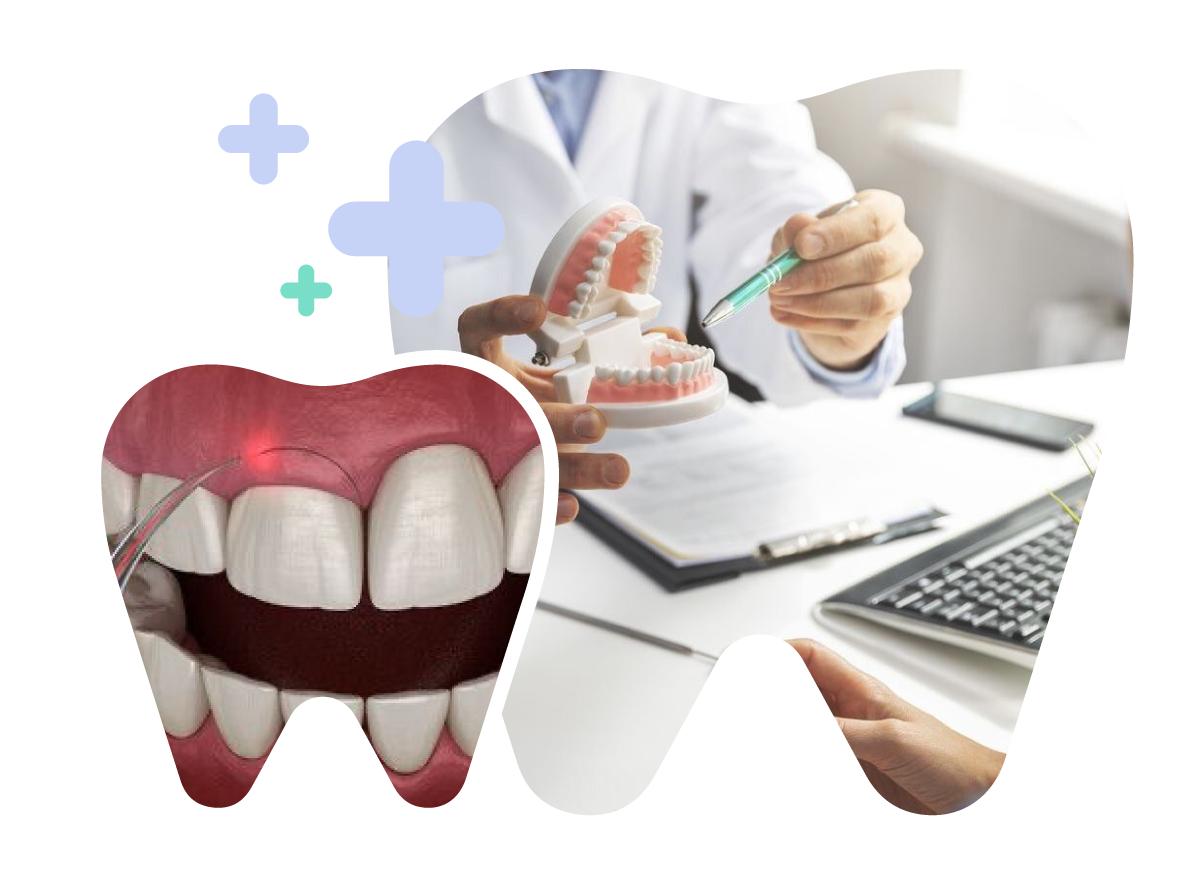
Specialized Orthodontic Expertise at BeDental
Orthodontic treatment at BeDental is led by certified specialists experienced in both routine alignment and complex bite correction. Each treatment plan is customized based on facial structure, dental condition, bite function, and lifestyle needs—rather than applying a one-size-fits-all approach.
Malocclusion affects approximately 60–75% of adolescents worldwide, with 20–30% requiring comprehensive orthodontic care. BeDental’s team is trained to manage cases ranging from mild crowding to severe malocclusion, including deep bite, open bite, and crossbite.
Transparent Pricing and Long-Term Treatment Support
BeDental applies an international-standard cost management model, helping patients clearly plan their orthodontic investment. Most services are eligible for dental insurance coverage (depending on individual policies).
The clinic also offers interest-free installment plans, making long-term orthodontic treatment more financially accessible—especially for students and working professionals.
After treatment, structured retention programs are provided. Regular follow-ups and professional retainer guidance help prevent relapse, ensuring long-term stability of results.
Dedicated Care for International Patients
BeDental supports overseas patients through online consultations and multilingual assistance throughout the treatment process.
Flexible scheduling allows patients to coordinate appointments with travel plans while maintaining continuity of care. With cross-border dental demand increasing by 15–20% annually, BeDental’s organized coordination system ensures predictable treatment outcomes for both local and international patients.
Dental Patient Stories
- A Teenager Worried About Loose Teeth During Braces
Huy, a 17-year-old student, became worried when he noticed slight tooth mobility a few weeks after one of his braces adjustment appointments. He was afraid that braces might be damaging his teeth or even causing tooth loss.
When he returned to BeDental, the orthodontist explained that mild temporary tooth movement can happen as part of the normal orthodontic process, because teeth are being guided through the bone in a controlled way. His gums, roots, and bone support were examined carefully, and no serious problem was found.
After receiving advice on brushing more effectively around the brackets and attending regular follow-up visits, Huy felt reassured and continued his treatment with much more confidence.
- An Adult Patient with Gum Problems Before Braces
Lan, a 29-year-old office worker, wanted braces to correct crowded teeth and improve her smile, but she was also concerned because she had experienced bleeding gums for a long time.
During her first consultation at BeDental, the dentist found early gum inflammation and explained that braces themselves do not cause tooth loss, but untreated gum problems can increase the risk of complications during treatment.
Before starting braces, Lan received professional cleaning and periodontal care to improve her gum health. Once her condition became stable, she began orthodontic treatment with regular monitoring at each visit.
Over time, her teeth became more aligned, and she felt more confident knowing her treatment was being managed safely and carefully.
Conclusion
Gaps between teeth are a common dental concern that can affect both appearance and oral health. Fortunately, orthodontic treatment with braces offers a reliable and effective solution.
With affordable costs, experienced orthodontists, and modern dental technology, Vietnam has become an attractive destination for patients seeking treatment for tooth gaps.
Whether using metal braces, ceramic braces, or clear aligners, orthodontic treatment in Vietnam can help patients achieve a healthier bite and a more confident smile.