

 English
 한국어
한국어 日本語
日本語 中文 (中国)


Best cafes in Hanoi: Hanoi is one of Asia’s most distinctive coffee cities, where café culture is deeply woven into everyday life rather than treated as a separate lifestyle trend. From small sidewalk stalls to beautifully designed modern cafés, coffee in Hanoi reflects a unique balance between tradition, creativity, and urban rhythm. What makes the city special is not only the variety of drinks, but also the diversity of spaces and experiences that surround them—from slow mornings with phin coffee to late-night conversations in hidden alley cafés.
Unlike many global cities where cafés are primarily functional or highly commercialized, Hanoi cafés carry emotional and cultural layers. They are places to meet, work, think, or simply observe the flow of the city. Whether you are drawn to iconic egg coffee shops, scenic lakeside cafés, aesthetic Instagrammable spaces, or quiet study-friendly corners, Hanoi offers a coffee experience that adapts to every mood and lifestyle.
1. Hanoi Coffee Culture Overview- Best Cafes in Hanoi
1.1 The Roots: Central Highlands Coffee (Cà phê Tây Nguyên)- Best Cafes in Hanoi
The foundation of Hanoi’s coffee culture begins far from the capital, in the fertile highlands of Vietnam’s Central region. Known as cà phê Tây Nguyên, this area produces the majority of Vietnam’s coffee, especially Robusta beans that are bold, strong, and naturally bitter. This intensity is not accidental—it comes from the volcanic soil, high altitude, and tropical climate of the region. When these beans reach Hanoi, they bring with them a deep, earthy flavor that defines what Vietnamese coffee is known for today. Without Tây Nguyên coffee, the identity of Hanoi coffee culture would not exist in its current form.
1.2 Traditional Brewing Method: Phin Filter Coffee
The most iconic brewing method in Hanoi is the phin filter, a small metal drip device that requires patience and time. Unlike modern coffee machines that produce coffee instantly, the phin allows hot water to slowly pass through the grounds, drop by drop. This process creates a thick, concentrated coffee that is both strong and aromatic. More importantly, it shapes the way people experience coffee in Hanoi. Instead of rushing, people sit, wait, and observe—turning a simple cup of coffee into a slow ritual that reflects a more mindful way of living in the middle of a busy city.
1.3 Famous Coffee Variations in Hanoi- Best cafes in Hanoi:
Hanoi has developed a wide range of coffee variations that go beyond traditional black or milk coffee, each reflecting creativity and local adaptation. Egg coffee (cà phê trứng) is perhaps the most famous, originally created during times when milk was scarce. The combination of whipped egg yolk, sugar, and condensed milk forms a rich, creamy layer that feels closer to a dessert than a drink. Another modern evolution is salt coffee (cà phê muối), where a subtle salty cream layer enhances the bitterness of the coffee, creating a surprisingly balanced flavor profile. Alongside these, iced milk coffee (cà phê sữa đá) remains the everyday staple for most locals, while coconut coffee offers a smoother, tropical sweetness that appeals to younger generations and tourists alike.
1.4 Hot vs. Iced Drinking Style- Best Cafes in Hanoi
One of the most interesting aspects of Vietnamese coffee culture is its flexibility in temperature and mood. Hot coffee is often associated with early mornings, quiet moments, and stronger sensory focus. Drinks like black coffee or egg coffee are traditionally enjoyed hot to fully appreciate their aroma and depth. In contrast, iced coffee dominates daily consumption, especially in Vietnam’s tropical climate. The addition of ice and condensed milk not only makes the drink refreshing but also transforms its texture and sweetness. This duality between hot and iced reflects a broader cultural balance—between tradition and modern lifestyle, intensity and refreshment.
1.5 Café Culture in Daily Life- Best Cafes in Hanoi
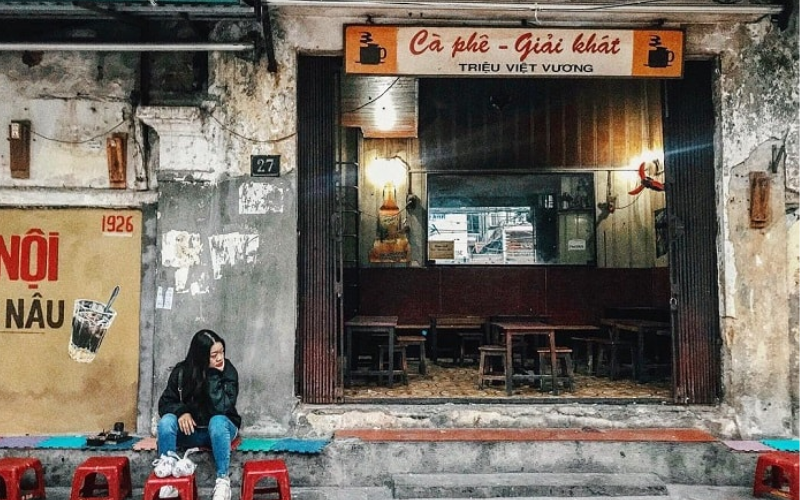
In Hanoi, cafés function as much more than places to drink coffee—they are social and cultural spaces embedded in everyday life. People come to cafés not only to meet friends or colleagues but also to think, observe, and simply exist in the flow of the city. Some use cafés as informal offices, while others treat them as quiet retreats from Hanoi’s busy streets. What makes this culture unique is its diversity: from small sidewalk cafés with plastic stools to beautifully designed modern spaces, each café offers a different atmosphere. Together, they form a layered social ecosystem where coffee becomes a bridge between people, time, and the rhythm of urban life.
1.6 Coffee Culture Identity: Hanoi in a Global Context
Hanoi’s coffee culture is best understood as a hybrid cultural space between tradition and everyday urban life, where coffee is not simply a drink but a social rhythm embedded in how people live, think, and interact. Unlike many global coffee cultures that focus on speed or branding, Hanoi coffee culture is defined by slowness, depth, and flexibility. A cup of coffee here is rarely consumed in isolation—it is part of a larger moment of pause within a busy city.
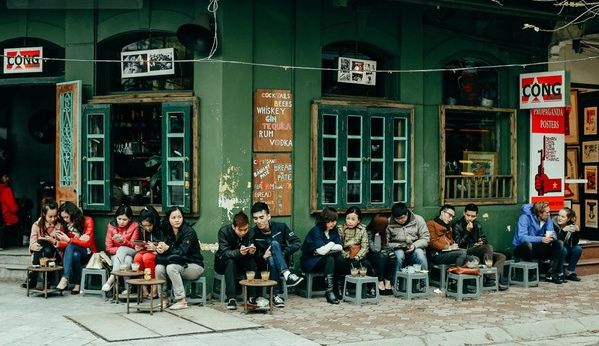
At its core, Hanoi coffee culture reflects three key values: patience, informality, and reflection. The use of the phin filter encourages patience, as coffee slowly drips over several minutes. This waiting time is not seen as inconvenience but as part of the experience itself. Informality is reflected in the physical spaces—plastic stools on sidewalks, small alley cafés, or tightly packed tables where strangers and friends sit side by side. Reflection comes from the way people use cafés: to think, to work, to talk, or sometimes simply to sit quietly without pressure to consume quickly.
When compared to Japanese tea culture, the contrast is clear. Japanese tea ceremony is highly structured, symbolic, and almost ritualistic, where every gesture has meaning and discipline. Hanoi coffee culture, on the other hand, is fluid and unformalized. There is no strict ceremony—yet there is still mindfulness, just expressed through everyday habits rather than formal tradition.
In contrast with the British pub culture, which is social, loud, and centered around alcohol-driven interaction, Hanoi cafés operate on a more subdued emotional tone. People do meet and talk, but the environment is generally quieter, more personal, and less performative. Instead of collective celebration, Hanoi cafés often encourage parallel coexistence—people sharing the same space while engaging in individual activities such as reading, working, or observing the street life.
What makes Hanoi unique is that it does not fully belong to either extreme. It is not ritualized like Japanese tea culture, nor purely social like British pubs. Instead, it forms a third cultural model—everyday reflective sociability, where coffee becomes a medium that connects people to time, space, and themselves in a very natural, unforced way. This is why Hanoi coffee culture feels both deeply local and universally relatable at the same time.
Coffee & Beverage Culture in Thailand, Indonesia, and the Philippines
Across Southeast Asia, coffee and beverage cultures reflect very different social logics shaped by history, urbanization, and lifestyle. In Hanoi, coffee culture is slow, reflective, and deeply embedded in everyday street life, where a cup of coffee becomes a personal pause within the rhythm of the city. Thailand, by contrast, leans toward a highly aesthetic and lifestyle-driven café culture, where design, visual appeal, and social media presence play a central role alongside the drink itself. Indonesia develops a more communal and conversational coffee culture, centered around warung kopi as informal public spaces for social interaction, discussion, and daily gathering. Meanwhile, the Philippines reflects a more modern and globalized café culture, where coffee is closely tied to productivity, co-working spaces, and urban work life.
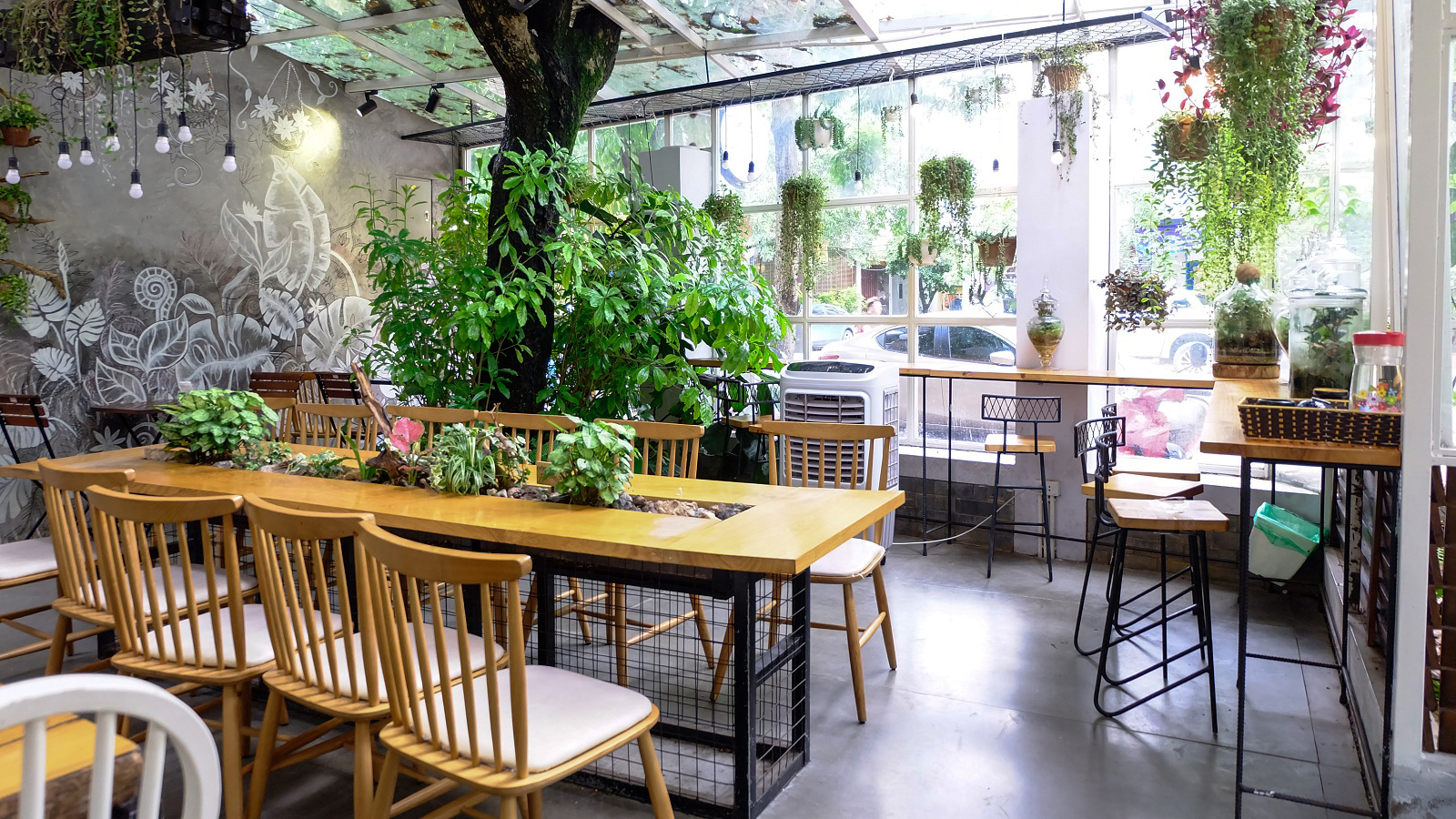
What makes Hanoi distinctive in this regional landscape is its balance: it is not overly aesthetic like Thailand, not primarily social and talk-driven like Indonesia, and not purely functional like the Philippines. Instead, it preserves a unique everyday rhythm where coffee exists as both a cultural habit and a quiet form of reflection, deeply connected to the lived experience of the city.
2. Best Traditional Cafes in Hanoi (Iconic Coffee Spots)- Best Cafes in Hanoi
Hanoi’s traditional cafés are more than just places to drink coffee—they are living pieces of the city’s cultural memory, where history, atmosphere, and flavor come together in a uniquely local experience. These iconic coffee spots are often small, modest in appearance, but deeply rich in identity and storytelling.
- Giảng Café at 39 Nguyễn Hữu Huân, Hoàn Kiếm (Best cafes in Hanoi) is widely regarded as the birthplace of egg coffee. This café carries a strong historical connection to Hanoi’s post-war creativity, when milk was scarce and egg yolk was used as a substitute. The result is a creamy, dessert-like coffee that has now become one of Vietnam’s most famous signature drinks, attracting both locals and international visitors.
- Đinh Café at 13 Đinh Tiên Hoàng (Best cafes in Hanoi) offers one of the most nostalgic coffee experiences in the city. Hidden above a small shop overlooking Hoan Kiem Lake, this café is known for its vintage atmosphere, dim lighting, and slow-paced environment. Sitting here feels like stepping back into old Hanoi, where time moves more gently and conversations linger longer than usual.
- Café Phố Cổ at 11 Hàng Gai is another hidden gem, famous for its rooftop view of Hoan Kiem Lake. Tucked away inside a narrow alley, the café reveals a surprising multi-level space filled with plants, wooden furniture, and quiet corners. It offers a rare combination of central location and peaceful escape, making it a favorite for those seeking both scenery and solitude.
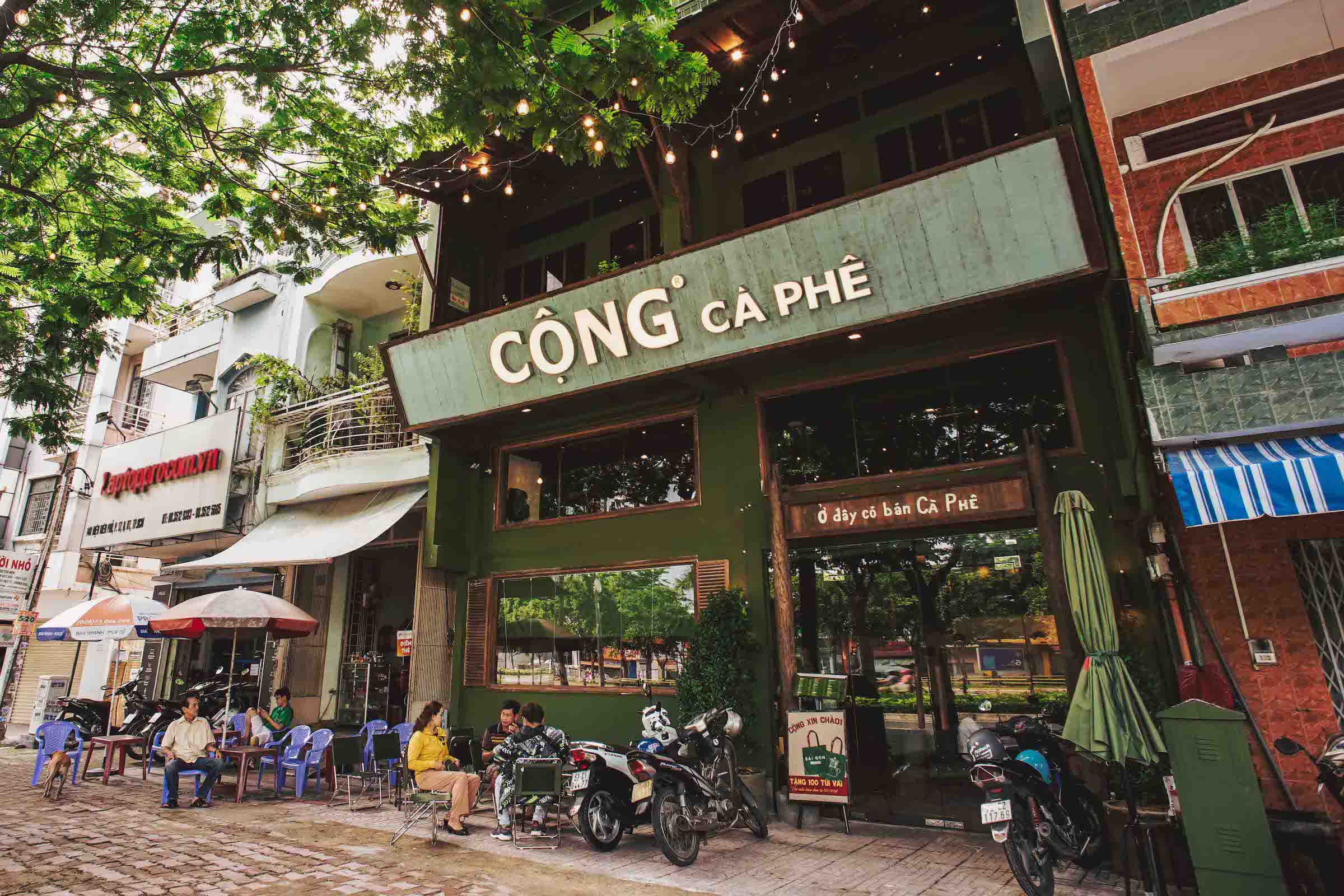
- Cong Caphe at 27 Nhà Thờ, Hoàn Kiếm represents a modern reinterpretation of nostalgia. Inspired by Vietnam’s subsidized period, the café chain uses military-style décor, green tones, and vintage objects to create a strong sense of collective memory. Despite being a chain, it successfully maintains a distinct identity that blends history with contemporary café culture.
In essence, these cafés represent different layers of Hanoi’s coffee identity—from historical innovation and nostalgic spaces to hidden architectural gems and curated retro experiences—together forming a rich and deeply textured café culture.
3. Cafes with the Best Views in Hanoi
Hanoi’s café culture is not only defined by its coffee but also by its unique relationship with urban scenery. Many cafés are designed around their surroundings, turning the act of drinking coffee into a visual experience that captures the rhythm and beauty of the city from different perspectives.
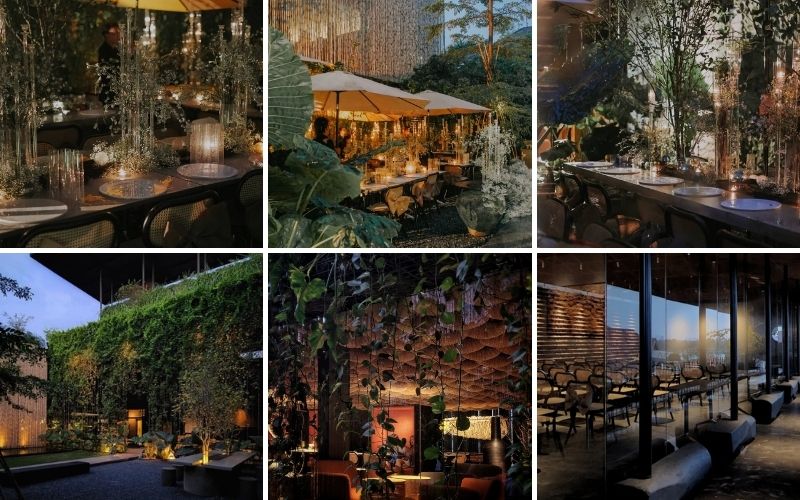
- Cafés around Hoan Kiem Lake are among the most iconic, offering rare lakeside views in the heart of the city. From early morning sunrise moments to golden-hour sunsets, these cafés allow visitors to observe the slow transformation of Hanoi’s most historic landmark. Sitting by the lake with a cup of coffee creates a sense of calm contrast against the city’s constant movement.
- In the Old Quarter, especially around the Hàng Gai and Tạ Hiện areas, rooftop cafés provide a completely different perspective. Hidden above narrow streets and busy alleys, these spots open up small but charming views of the dense urban fabric below. The experience here is less about grandeur and more about intimacy—watching the layered life of Hanoi unfold from above while remaining connected to its energy.
- Moving toward the west, cafés in the West Lake (Tây Hồ) area offer some of the most scenic and modern views in the city. With wide-open water horizons and long sunsets, this area has become a favorite for those seeking a more relaxed, lifestyle-oriented café experience. The combination of lake breeze, open space, and contemporary café design creates a strong sense of escape from the dense urban core.
- Finally, hidden balcony cafés scattered throughout the city—often tucked inside old buildings or narrow alleyways—offer some of the most surprising perspectives of Hanoi. These small spaces overlook tight street scenes, French colonial architecture, or quiet residential corners, giving visitors a more personal and layered view of the city’s everyday life.
In short, Hanoi’s view cafés transform simple coffee drinking into a visual journey, where each location offers a different window into the city—from iconic lakes and sunset horizons to hidden urban textures above the streets.
4. Trendy & Instagrammable Cafes- Best cafes in Hanoi
Hanoi’s trendy and Instagrammable café scene has grown rapidly in recent years, especially around the Old Quarter, where design, aesthetics, and coffee culture intersect. Cafés such as The Hanoi Café showcase a refined mix of vintage nostalgia and modern styling, creating spaces that feel both artistic and emotionally familiar. Meanwhile, C.O.C Legacy Specialty Coffee represents a more minimalist and specialty-focused direction, where clean design and high-quality coffee craftsmanship take center stage rather than decoration.
- The Hanoi Café (Best cafes in Hanoi) – 2D Yên Thái, Hoàn Kiếm – aesthetic vintage-modern mix
- C.O.C Legacy Specialty Coffee – 84 Hàng Bạc, Hoàn Kiếm – minimalist specialty coffee style
- Hidden Gem Coffee – 1 Hàng Mắm, Hoàn Kiếm – colorful, artistic interior
- Modern Korean-style and minimalist cafés around the Old Quarter
Alongside these, places like Hidden Gem Coffee bring a more playful and expressive atmosphere, with colorful interiors designed for creativity and photography. In addition, many modern Korean-style and minimalist cafés across the Old Quarter reflect global design trends, featuring soft lighting, neutral tones, and carefully curated spaces. Overall, this café segment highlights how Hanoi is evolving—blending traditional urban texture with modern aesthetic lifestyles, where coffee becomes part of both visual culture and social expression.
5. Cafes for Working & Relaxing- Best cafes in Hanoi
Hanoi also has many cafés designed for focus, comfort, and longer stays, where the experience is less about trends and more about calm productivity and relaxation. Sóng Sánh Café & Roastery (Best cafes in Hanoi) at 48 Ngọc Hà, Ba Đình is a quiet specialty café with a roastery-style approach, ideal for deep work, reading, or slow coffee appreciation in a minimal, low-noise environment. Meanwhile, Hanoi Egg Coffee at 8 Gia Ngư, Hoàn Kiếm offers a small and calm space in the Old Quarter, suitable for short working sessions or quiet breaks despite its central location.
- Sóng Sánh Café & Roastery (Best cafes in Hanoi)– 48 Ngọc Hà, Ba Đình – quiet, specialty coffee focus
- Hanoi Egg Coffee (Best cafes in Hanoi) – 8 Gia Ngư, Hoàn Kiếm – small, calm workspace vibe
- Tranquil cafés near West Lake (Tây Hồ area)
- Book cafés and quiet study-friendly spaces in Đống Đa
Beyond individual spots, the Tây Hồ (West Lake) area is well known for tranquil cafés with open views and a relaxed atmosphere, making it popular for remote work and unwinding. Similarly, Đống Đa features many book cafés and study-friendly spaces, often favored by students and freelancers. Overall, this category reflects a quieter side of Hanoi café culture—focused on comfort, stability, and mental space rather than aesthetics or social buzz.
Conclusion
Exploring Hanoi’s café scene is ultimately more than just a food and drink experience—it is a way to understand the city itself. Each café category reveals a different side of Hanoi: traditional spots preserve history and identity, view cafés highlight the city’s landscape, trendy cafés reflect modern creativity, and quiet work cafés show the slower, more reflective rhythm of urban life.
Together, they form a complete ecosystem where coffee acts as a bridge between people, space, and time. Whether you are sitting by Hoan Kiem Lake, relaxing in West Lake, or hiding in a narrow Old Quarter alley, every cup of coffee becomes part of Hanoi’s story. For visitors, café hopping is not just an activity—it is one of the most authentic ways to feel the soul of the city.
BeDental – A Leading Dental Clinic for International Travelers in Vietnam
BeDental offers high-quality dental services for international travelers visiting Vietnam, combining modern technology with experienced dentists. Our services include general and cosmetic dentistry, dental implants, teeth whitening, and smile makeovers, all performed to international standards.
Designed for tourists, BeDental provides flexible appointments, English-speaking staff, and personalized treatment plans that fit travel schedules. With competitive pricing and convenient locations, BeDental allows visitors to improve their smile while enjoying their trip to Vietnam.