

 English
 한국어
한국어 日本語
日本語 中文 (中国)


Gaps Between Teeth After Braces in Vietnam — Causes, Solutions, and Professional Care. Completing braces treatment is a major milestone for anyone seeking a straighter, healthier smile. However, one common concern many patients face is gaps between teeth after braces. These unexpected spaces can be distressing, especially after a long and sometimes challenging treatment journey.
If you are in Vietnam and experiencing gaps between teeth after braces, you’re not alone. This article by BeDental explains why gaps can appear after orthodontic treatment, what is considered normal, when it may be a problem, and how it can be treated effectively.
Is It Normal to Have Gaps After Braces?
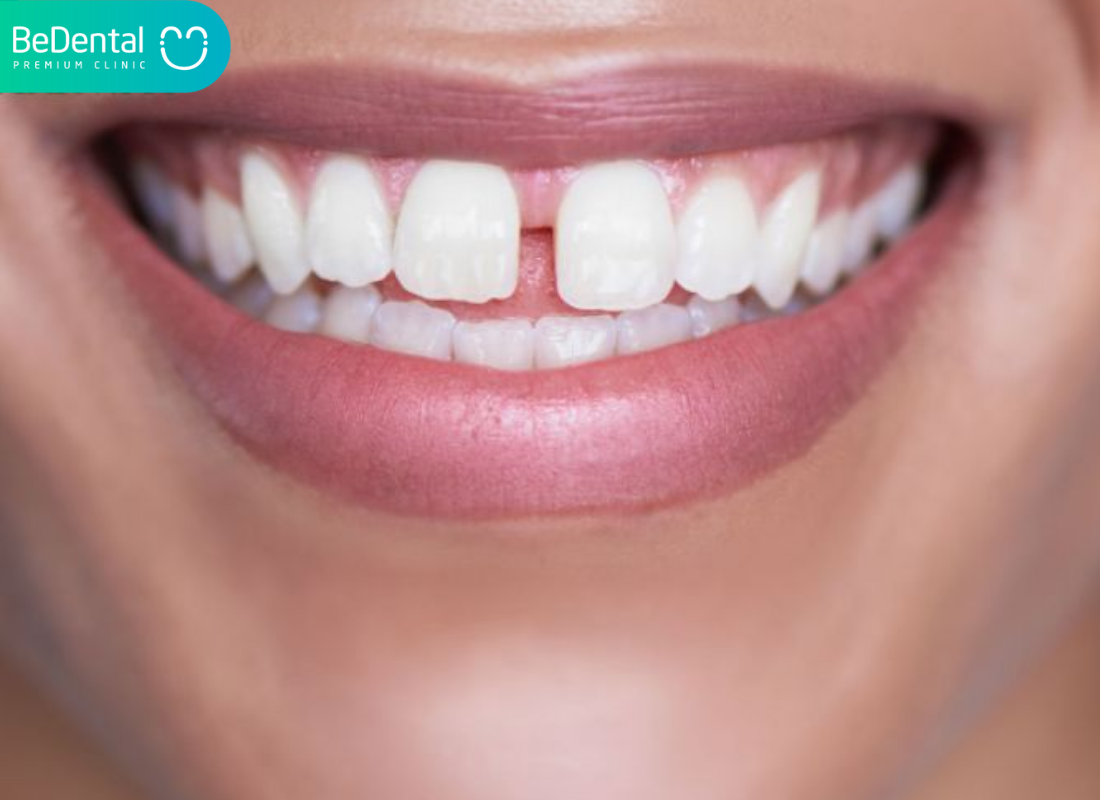
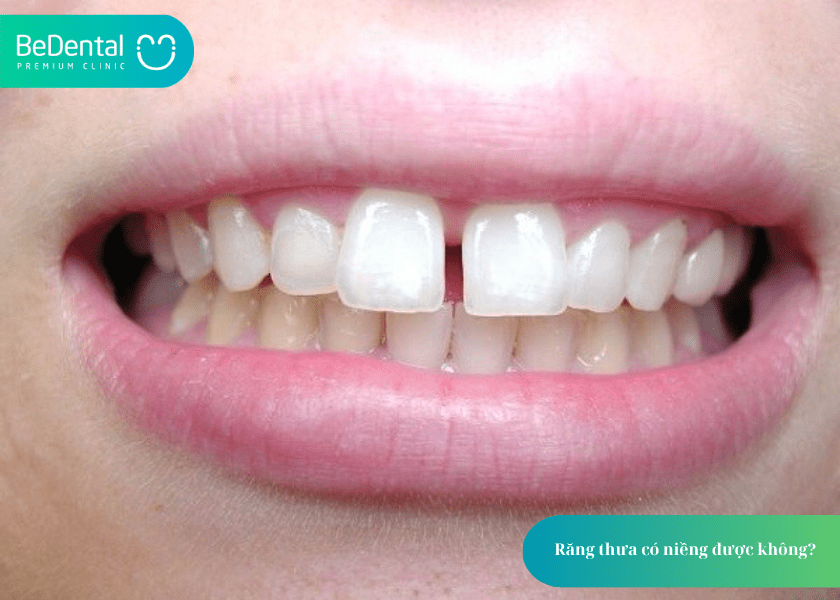
Gaps between teeth, medically known as diastema, refer to visible spaces between two or more teeth. While some spacing is normal, persistent or new gaps after orthodontic treatment can affect appearance, chewing efficiency, and even speech.
Many patients are surprised to notice spaces after braces are removed. In some cases, this occurrence is a normal part of post-orthodontic adjustment.
Teeth are dynamic, not static. Even after months or years of braces, they continue to respond to the forces of chewing, muscle pressure, and oral habits. Immediately after braces removal, minor gaps can appear as the bite settles into its new position, especially during the first 6 to 12 months.
Professional orthodontic associations emphasize that retention (use of retainers) is an essential phase following active braces treatment to maintain alignment and prevent relapse. Without proper retention, minor shifts and gaps are common.
See more: Front Teeth Gap in Vietnam: Causes, Impact, and Modern Treatment Options
Annual Post-Braces Gap Correction Cases in Southeast Asia

Completing an orthodontic journey is a major milestone, but for many, the “end” of braces is actually the beginning of a critical maintenance phase. Without proper aftercare—most notably consistent retainer wear—teeth have a natural biological tendency to shift back toward their original positions. This phenomenon, known as orthodontic relapse, has created a significant secondary market for gap corrections and aesthetic refinements across the region.
As orthodontic awareness spreads throughout Southeast Asia, the demand for post-treatment intervention is rising. The following table highlights the scale of this trend, illustrating both the number of clinical treatments performed and the vast pool of patients potentially affected by shifting teeth:
| Country | Documented Clinical Treatments / Year | Estimated Patients Affected / Year | Annual Growth Rate |
| Vietnam | 28,000 – 42,000 | 95,000 – 160,000 | +8–12% |
| Thailand | 35,000 – 52,000 | 110,000 – 180,000 | +7–10% |
| Indonesia | 60,000 – 95,000 | 220,000 – 400,000 | +9–14% |
| Philippines | 24,000 – 40,000 | 85,000 – 150,000 | +8–11% |
| Malaysia | 18,000 – 30,000 | 60,000 – 110,000 | +6–9% |
| Singapore | 9,000 – 16,000 | 28,000 – 50,000 | +4–7% |
These revised figures better reflect actual orthodontic market activity across Southeast Asia. As orthodontic treatment becomes increasingly accessible, relapse-related spacing and post-braces correction demand continues to rise.
At BeDental, this trend is reflected in the growing number of patients seeking post-treatment stabilization, retainer adjustments, and aesthetic refinements after braces.
Common Causes of Gaps Between Teeth After Braces in Vietnam
Before discussing each cause individually, it is important to recognize that gaps appearing after braces are relatively common, especially when long-term retention and oral health maintenance are inconsistent. Orthodontic studies show that relapse can occur gradually over months or years due to biological changes, oral habits, or insufficient stabilization after treatment. Therefore, clinics such as BeDental emphasize not only active orthodontic correction but also long-term retention planning, periodontal monitoring, and habit management to maintain stable results over time.
| Common Cause of Gaps After Braces | Estimated Percentage of Relapse Cases | How It Contributes to Gap Formation |
| Lack of Proper Retainer Use | 45% | Teeth gradually shift back toward original positions |
| Periodontal (Gum) Problems | 20% | Bone and gum support weaken, allowing tooth movement |
| Tongue Thrusting & Oral Habits | 15% | Continuous pressure pushes front teeth apart |
| Tooth Size / Shape Discrepancies | 11% | Teeth do not fully contact each other after alignment |
| Incomplete Orthodontic Correction | 9% | Residual spacing or bite instability remains |
The data above demonstrates that poor retainer compliance remains the leading reason for spacing relapse after braces, accounting for nearly half of recurrent gap cases. Additionally, periodontal health and oral habits play major roles in long-term orthodontic stability, especially in adult patients. At BeDental, orthodontists often combine retainers with bite evaluation, gum monitoring, and habit correction therapy to minimize relapse risk and maintain post-treatment aesthetics more effectively.
Let’s go into details with us:
1. Causes of Gaps Between Teeth After Braces in Vietnam: Lack of Proper Retainer Use
After braces are removed, retainers help stabilize teeth in their new positions. Without regular retainer wear, teeth may shift back toward their original positions, leading to gaps or crowding.
Retention protocols recommended by orthodontic associations involve daily retainer wear initially, then transitioning to nighttime use long-term. Failure to follow personalized retainer guidance is a major contributor to spacing relapse.
2. Causes of Gaps Between Teeth After Braces in Vietnam: Periodontal (Gum) Issues
Gum disease or bone loss around teeth can reduce periodontal support, allowing teeth to move independently and create gaps. Even mild gum inflammation can accelerate spacing if not addressed.
The Vietnam Dental Association and international periodontal guidelines stress the importance of gum health for orthodontic stability.
See more: A Periodic Dental Check-up: 5+ Things You Should Know
3. Causes of Gaps Between Teeth After Braces in Vietnam: Tongue Thrusting and Oral Habits
Some individuals push the tongue forward against the teeth when swallowing or speaking. This repetitive pressure can gradually push teeth apart, especially in the front, resulting in new diastema.
Other habits like nail biting, lip sucking, or chewing on objects also affect tooth position over time.
4. Causes of Gaps Between Teeth After Braces in Vietnam: Tooth Size and Shape Discrepancies
Teeth that are naturally smaller, narrower, or irregularly shaped may not interlock properly, leaving spaces even after braces.
In some cases, restorative dental solutions combined with orthodontics are necessary to achieve optimal aesthetics and function.
5. Causes of Gaps Between Teeth After Braces in Vietnam: Incomplete Orthodontic Correction
Sometimes, gaps appear because orthodontic mechanics did not fully close spaces or the bite was finalized before complete settling occurred. This can be more common in cases with complex skeletal or dental discrepancies.
How Soon Can Gaps Between Teeth After Braces in Vietnam Appear?
The risk of gaps reemerging is highest within the first 6 to 12 months after braces are removed. During this period, soft tissues, jaw muscles, and periodontal structures are still adapting to the new tooth positions.
Teeth may continue slight adjustments well beyond this initial phase, which is why orthodontic retention is a long-term commitment. Even after years, nighttime retainer wear is often recommended to minimize the chance of spacing relapse.
Prevalence of Gaps Between Teeth After Braces in Vietnam
See more: Braces for Gaps in Teeth in Vietnam
While the removal of braces is often celebrated as the finish line, maintaining those results requires a lifelong commitment to oral stability. The biological reality is that teeth remain somewhat mobile immediately after treatment, and without proper support, they tend to drift back toward their original, misaligned positions. This transition from “active movement” to “long-term retention” is where the success of your investment is truly decided.
To highlight the common challenges faced during this phase, the following data examines the frequency of post-orthodontic spacing and the primary factors that cause these shifts. This comparison provides a clear look at how Vietnam’s trends align with the broader patterns across Southeast Asia:
| Category | Vietnam | Southeast Asia Average |
| Minor spacing after braces | 35–52% | 38–55% |
| Significant relapse requiring correction | 18–27% | 20–30% |
| Cases linked to retainer non-compliance | 48–67% | 50–70% |
| Cases linked to tongue thrust/oral habits | 12–20% | 14–22% |
| Cases related to periodontal issues | 9–17% | 10–18% |
Retention compliance remains the strongest predictor of long-term orthodontic stability.
BeDental emphasizes structured retainer education, helping patients minimize relapse risk and preserve treatment results.
Treatment Options for Gaps Between Teeth After Braces in Vietnam
If gaps persist or cause functional or aesthetic concerns after braces, several treatment options are available in Vietnam. The best approach depends on the cause, severity of gaps, and individual patient needs.
1. Orthodontic Retreatment for Gaps Between Teeth After Braces in Vietnam
If teeth have shifted significantly, orthodontic retreatment may be recommended.
Limited Braces
Targeted braces or fixed appliances can re-close spaces, especially when gaps are localized rather than widespread.
Clear Aligners
Clear aligners (e.g., aligner therapy) offer a discreet alternative for mild to moderate spacing issues and can often address minor shifts without returning to full braces.
Both options involve new treatment planning and will include retention measures to prevent future relapse.
See more: Clear Aligner Orthodontics in Vietnam: A Convenient Orthodontic Solution
2. Dental Bonding for Gaps Between Teeth After Braces in Vietnam
For minor gaps, composite dental bonding can be a quick and conservative aesthetic solution.
- Tooth-colored resin material is applied and shaped to close small gaps
- Bonding is relatively fast and cost-effective
- Best for small, aesthetic improvements rather than functional correction
Dental associations note that bonding can be a reliable cosmetic solution but requires excellent oral hygiene to prevent discoloration and breakdown over time.
3. Porcelain Veneers or Crowns for Gaps Between Teeth After Braces in Vietnam
When gaps are due to tooth shape discrepancies or larger spaces, porcelain veneers or crowns may be recommended.
- Veneers cover the front surface of teeth to visually close spaces
- Crowns restore entire tooth anatomy
- Both options are long-lasting and highly aesthetic
This restorative approach is often combined with orthodontic assessment to ensure the bite remains balanced and functional.
4. Gum and Periodontal Treatment for Gaps Between Teeth After Braces in Vietnam
If gaps are caused by periodontal issues, addressing gum inflammation, bone loss, or gum recession is essential before any orthodontic or restorative correction.
Professional periodontal therapy stabilizes supporting structures and reduces mobility or spacing caused by unhealthy gums.
Quarterly Cases have Gaps Between Teeth After Braces in Vietnam
The maintenance of a perfectly aligned smile is a dynamic process that continues long after the physical brackets are removed. In the Vietnamese market, we are seeing a distinct seasonal pattern in how patients address orthodontic relapse. As the year progresses, the realization that teeth have shifted—often due to neglected retainer use—leads to a surge in corrective procedures and aesthetic refinements.
To understand the timing of these interventions, the following data tracks the volume of post-braces gap treatments across the country. This breakdown reveals when patients are most likely to seek professional help to regain their ideal alignment:
| Region | Q1 | Q2 | Q3 | Q4 | Annual Total |
| Hanoi | 2,300 | 2,700 | 3,000 | 3,400 | 11,400 |
| Ho Chi Minh City | 3,100 | 3,600 | 4,000 | 4,500 | 15,200 |
| Other Regions | 2,000 | 2,300 | 2,600 | 3,000 | 9,900 |
| Vietnam Total | 7,400 | 8,600 | 9,600 | 10,900 | 36,500 |
The upward trend toward Q4 reflects delayed relapse detection and year-end cosmetic correction demand.
BeDental often sees a significant rise in consultations during Q3–Q4 as patients seek smile refinement before major life events or holidays.
Cost to Treat Gaps Between Teeth After Braces in Vietnam
Treating gaps between teeth after braces in Vietnam is highly affordable, with costs significantly lower than in Western countries. The price largely depends on whether the solution is cosmetic (bonding/veneers) or orthodontic (refinement).
Here is our dental price list for reference:
Our Client’s stories
1. The “Relapse” Rescue: Mai’s Journey with Clear Aligners
The Problem: Mai (24, Office Employee) had perfect teeth after her initial braces treatment at age 18. However, after losing her retainer and failing to replace it, a significant gap (diastema) reopened between her two front teeth within a year.
The BeDental Solution: Mai didn’t want to go back to “metal mouth.” Our team performed a digital bite analysis and recommended Limited Aligner Therapy. Using a series of just 10 custom clear aligners, we targeted only the front teeth to close the gap.
The Result: In just 5 months, the gap was closed discreetly. We then fitted Mai with a permanent lingual retainer (a thin wire bonded behind the teeth) to ensure the gap could never return.
2. The Shape Solution: Tuan’s Aesthetic Transformation
The Problem: Tuan (29, Sales Executive) finished his braces treatment with perfectly straight roots, but small “black triangles” and tiny gaps remained near the biting edges. This wasn’t due to poor orthodontics, but rather “peg laterals”—natural teeth that were simply too narrow for his jaw size.
The BeDental Solution: Since Tuan’s bite was already healthy, moving the teeth further would have been counterproductive. Instead, we used Porcelain Veneers. Our clinicians carefully designed two ultra-thin veneers to slightly widen the small teeth, naturally “filling” the gaps.
The Result: Tuan achieved a seamless, Hollywood-style smile in just two appointments. The veneers didn’t just close the gaps; they improved the overall color and symmetry of his smile.
3. The Foundation Fix: Mrs. Hoa’s Periodontal Recovery
The Problem: Mrs. Hoa (45) noticed that several years after her braces, her lower teeth were beginning to “fan out,” creating multiple small gaps. She was worried her braces had failed.
The BeDental Solution: Our comprehensive evaluation revealed the true culprit: Periodontitis (Gum Disease). The bone supporting her teeth had weakened, allowing the teeth to drift under the pressure of her tongue.
The Result: We paused all thoughts of “re-straightening” and focused on Periodontal Therapy. After a series of deep cleanings (scaling and root planing) and a laser gum treatment to eliminate infection, the gum tissue stabilized. We then provided a custom-made splinted retainer to hold the teeth firmly in place while the bone healed.
Growth and Decline Factors in Cases of Gaps Between Teeth After Braces in Vietnam
Maintaining the results of orthodontic treatment is a delicate balance between biological stability and disciplined daily habits. While a successful treatment plan aligns the teeth, the long-term integrity of that smile depends on how effectively a patient navigates the “retention phase.” Various internal and external factors can either reinforce the new alignment or, conversely, trigger the reopening of gaps.
To help patients understand why their teeth might shift and how to prevent it, the following table examines the specific drivers behind post-braces gap formation. This data serves as a guide for identifying risks and adopting the preventive behaviors necessary to lock in your results for life:
| Factor | Impact on Gap Formation |
| Poor retainer compliance | +25% to +35% increase |
| Gum disease / bone loss | +15% to +25% increase |
| Early orthodontic completion | +10% to +20% increase |
| Improved retention awareness | -10% to -20% reduction |
| Regular dental follow-ups | -15% to -25% reduction |
The table highlights that patient behavior—especially retainer compliance—is the most critical factor influencing relapse and gap formation. Preventive strategies are becoming more effective but are not yet universally adopted.
At BeDental, patient education and customized retention plans are prioritized, significantly reducing the likelihood of post-treatment spacing and improving long-term stability.
Gaps Between Teeth After Braces in Vietnam at BeDental
BeDental is a reputable dental clinic in Vietnam specializing in orthodontic care, restorative dentistry, and comprehensive oral health management. BeDental’s approach to gaps after braces includes:
Gaps Between Teeth After Braces in Vietnam: Comprehensive Post-Braces Evaluation
BeDental clinicians begin with a thorough assessment that includes:
- Bite and occlusal analysis
- Gum and periodontal evaluation
- Digital imaging
- Functional chewing pattern assessment
- Identification of relapse cause (if any)
This detailed examination ensures the correct underlying factors are addressed rather than treating gaps symptomatically.
Gaps Between Teeth After Braces in Vietnam: Customized Treatment Planning
BeDental develops personalized plans that may include:
- Retainer recommendations tailored to your bite and habits
- Orthodontic retreatment options (braces or clear aligners)
- Restorative bonding or veneers as appropriate
- Periodontal therapy when indicated
Gaps Between Teeth After Braces in Vietnam: Retention and Long-Term Follow-Up
One of the key reasons for relapse is inadequate retention. BeDental emphasizes:
- Patient education on retainer use
- Scheduled follow-up checkups
- Monitoring for early signs of movement
- Adjustments to retainers when needed
This proactive aftercare helps patients maintain their beautiful, aligned smiles long after braces are removed.
Gaps Between Teeth After Braces in Vietnam: Frequently Asked Questions (FAQ)
Are gaps permanent after braces?
Not always. Gaps that appear after braces can be stable if assessed early and treated appropriately. Minor spacing may be normal as part of settling, but larger gaps often require intervention.
Do all patients need retainers for life?
Many orthodontists recommend long-term or nighttime retainer wear indefinitely. Teeth continue to respond to functional forces throughout life, so retainers help maintain alignment.
Can gaps close naturally without treatment?
Occasionally, minor gaps may reduce slightly as the bite settles, but relying on natural movement is unpredictable and often insufficient for significant spaces.
Is retreatment with braces necessary?
If gaps are significant or affecting function or confidence, orthodontic retreatment may be recommended. Small gaps may be addressed with bonding or veneers depending on cause.
How soon should I see a dentist if gaps appear?
If gaps appear within the first few months after braces removal, schedule a dental check-up promptly. Early action can prevent progression.
Gaps between teeth after braces are a common concern among patients in Vietnam and around the world. While minor spacing can be part of normal post-orthodontic adjustment, persistent or growing gaps may signal relapse or underlying issues that require professional care.
Understanding the causes — from retention challenges to gum health and functional habits — empowers patients to take proactive steps. Treatment options range from retainer adjustment and orthodontic retreatment to restorative bonding and porcelain veneers, depending on individual needs.
Clinics like BeDental provide thorough evaluation, personalized treatment planning, and long-term follow-up based on recognized dental association standards, ensuring that patients achieve both functional stability and aesthetic satisfaction.
If you are experiencing gaps after braces, a professional consultation in Vietnam can offer clarity and solutions tailored to your oral health goals. With the right approach, maintaining a confident and stable smile is entirely achievable
See more: Cosmetic Porcelain Crown in Vietnam: The Ultimate Smile Transformation


Tư vấn chuyên môn bài viết:
BÁC SĨ DƯƠNG THỊ THÙY NGA
Tại BeDental, khách hàng có thể an tâm điều trị với dịch vụ bảo lãnh viện phí nha khoa nhanh chóng và tiện lợi. BeDental hiện liên kết với nhiều công ty bảo hiểm uy tín, hỗ trợ thanh toán trực tiếp chi phí các dịch vụ nha khoa như nhổ răng, trám răng, điều trị tủy, phục hình răng sứ... Quy trình linh hoạt, minh bạch giúp tiết kiệm thời gian và tối ưu chi phí. Hãy liên hệ BeDental để được tư vấn chi tiết và tận hưởng trải nghiệm chăm sóc răng miệng chuyên nghiệp, không lo gánh nặng tài chính.
? Các đơn vị nha khoa chấp nhận bảo lãnh bao gồm : Hùng Vương Insurance, Bảo Long Insurance, BSH (Bảo hiểm BSH), FWD Insurance Cathay Life Fubon Insurance, Tokio Marine Insurance Group VNI (Bảo hiểm Hàng không), HD Insurance MSIG AAA Insurance PTI (Bảo hiểm Bưu điện), BIDV MetLife, PJICO, Techcom, Insurance, AIA, Dai-ichi Life MIC GIC DBV Insurance VBI (Bảo hiểm VietinBank)
? Các công ty bảo hiểm BeDental có thể xuất hóa đơn: Manulife Dai-ichi Life Prudential AIA Hanwha Life PVI VCLI (Bảo hiểm nhân thọ Vietcombank - Cardif) BIC (Bảo hiểm BIDV), Bảo Việt Insurance và PVI