


 English
 한국어
한국어 日本語
日本語 中文 (中国)


Many patients worry about pain when removing porcelain crowns, especially if the crown has been in place for many years. In Vietnam, porcelain crown removal is a common dental procedure, typically performed when a crown is damaged, poorly fitted, causes gum problems, or needs replacement due to changes in oral health.
According to clinical guidance recognized by the American Dental Association and the World Dental Federation, porcelain crown removal is considered a safe and minimally invasive procedure when performed by trained professionals using appropriate techniques and anesthesia. Pain is generally minimal and well controlled.
At BeDental, crown removal is performed with a strong focus on patient comfort, tooth preservation, and safety, using modern equipment and internationally accepted clinical protocols.
About BeDental – International-Standard Dental Care in Vietnam
BeDental is a modern dental system in Vietnam specializing in restorative, cosmetic, and preventive dentistry following international clinical standards. The clinic is known for its patient-centered approach, conservative treatment philosophy, and advanced dental technology.
BeDental’s dentists are experienced in managing complex crown removal cases, including long-term porcelain crowns, crowns over root-canal-treated teeth, and crowns placed many years earlier. Using digital diagnostics and precision tools, BeDental ensures crown removal is performed efficiently while protecting the underlying natural tooth.
With strict sterilization protocols, transparent consultation, and comprehensive aftercare, BeDental is a trusted choice for patients needing porcelain crown removal in Vietnam.
Why Porcelain Crowns Need to Be Removed
Porcelain crowns may need removal for several reasons, including:
Cracked, chipped, or worn crowns
While modern porcelain is incredibly durable, it is not indestructible. Over time, the repeated pressure from chewing or habits like teeth grinding can lead to structural failure. Small chips may be purely aesthetic, but deep cracks can compromise the crown’s integrity and irritate the soft tissues of the mouth. When the material is significantly worn or fractured, removal and replacement are necessary to restore full protection to the underlying tooth.
Severity Level of Crown Problems
| Condition Severity | Description | Recommended Action |
| Mild | Minor discomfort, slight wear | Monitor or minor adjustment |
| Moderate | Gum irritation, loose crown | Removal and replacement |
| Severe | Decay under crown, fracture | Immediate removal and treatment |
| Critical | Infection or structural damage | Urgent intervention required |
Poor crown fit causing gum inflammation
A crown must sit flush against the gum line to maintain oral health. If a crown was poorly designed or if the gums have receded over time, “micro-gaps” can form. These gaps become breeding grounds for bacteria, leading to chronic gum inflammation (gingivitis) or even periodontal disease. Removing the ill-fitting crown allows the dentist to treat the gum tissue and prepare a new, precisely fitted restoration.
Recurrent decay under the crown
One of the most critical reasons for removal is “secondary” decay. Even though the crown itself cannot rot, the natural tooth structure underneath is still susceptible to cavities if bacteria seep through a compromised seal. If left untreated, this decay can reach the nerve or destroy the tooth’s foundation. Removing the crown is the only way for a dentist to clear the infection and salvage the remaining tooth.
Bite discomfort or misalignment
If a crown is even slightly too high or improperly angled, it can disrupt your entire “occlusion” (how your teeth meet). This imbalance often causes sharp pain when biting, chronic jaw soreness, or headaches. In cases where the crown cannot be simply adjusted through polishing, it must be removed and redesigned to ensure it harmonizes with your natural bite and prevents long-term TMJ issues.
Replacement with a new crown or bridge
Dental restorations have a typical lifespan of 10 to 15 years. As materials age, they may lose their luster or the seal may weaken. Furthermore, if a patient loses an adjacent tooth and requires a dental bridge, existing crowns may need to be removed to accommodate the new multi-tooth restoration. This ensures the entire bridge system is structurally sound and aesthetically uniform.
Preparation for further dental treatment
In some clinical scenarios, a crown must be removed to facilitate other essential treatments. This might include gaining access for a necessary root canal, performing gum surgery, or adjusting the dental arch for orthodontic work. Once the primary health issue is addressed, a new restoration is placed to complete the treatment plan.
>> See more: Tooth Preparation Pain for Crowns in Vietnam: What to Expect and How to Stay Comfortable
Dental associations emphasize that timely crown removal can prevent more serious complications such as infection or tooth damage.
Is Removing a Porcelain Crown Painful?
In most cases, removing a porcelain crown is not painful. According to dental associations, discomfort is kept to an absolute minimum when proper local anesthesia and modern clinical techniques are utilized. The procedure is typically non-invasive for the underlying tooth; the dentist focuses on breaking the adhesive seal or carefully sectioning the old porcelain to lift it away. While the idea of “removing” a fixed part of your smile may sound intimidating, it is a routine procedure designed with patient comfort as a priority.
What Patients Usually Feel
While pain is rarely an issue, patients will experience several physical sensations during the appointment:
Pressure or vibration during the procedure: To safely remove the crown, dentists often use a specialized high-speed handpiece to section the porcelain into pieces. You will feel the vibration of the instrument and some light pressure as the dentist gently pries the sections apart. This is a mechanical sensation, not a painful one.
Mild discomfort rather than sharp pain: Some patients may feel a slight “tugging” sensation as the old dental cement is detached from the natural tooth. However, because the area is usually numbed, this is typically described as a strange sensation of movement rather than acute distress.
Temporary sensitivity after removal in some cases: Once the crown is off, the underlying tooth (the “abutment”) may be sensitive to air or temperature changes for a short period. This is because the dentin is temporarily exposed before the new temporary or permanent crown is placed. This sensitivity usually fades quickly once the new restoration is seated.

How Dentists Remove Porcelain Crowns Safely
1. Local Anesthesia for Comfort
Before the procedure begins, the dentist ensures the area is fully desensitized. This is particularly crucial if the underlying tooth still has its pulp (nerve) intact or if there is inflammation in the surrounding gum tissue. By applying a localized anesthetic, we block all pain receptors, ensuring that you won’t feel the mechanical forces required to break the dental cement seal.
2. Precision Removal Techniques
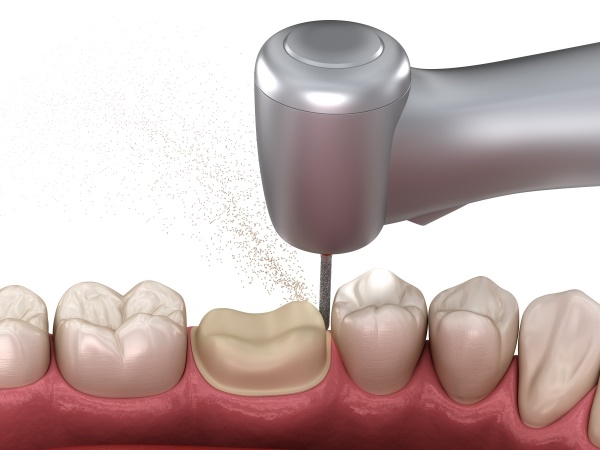
Modern dentistry has moved away from simply “prying” crowns off, which could fracture the tooth. Instead, BeDental specialists use a sectioning technique. Using high-precision, water-cooled burs, the dentist carefully cuts a thin channel through the porcelain. This relieves the tension and allows the crown to be separated into sections and lifted away gently, minimizing the vibration felt by the patient.
3. Tooth-Preserving Approach
The primary goal of any removal is to protect the “abutment,” or the natural tooth structure underneath. Our dentists use a conservative approach, ensuring that the specialized tools only interact with the porcelain and the old bonding agent. By avoiding aggressive drilling, we maintain the maximum amount of healthy enamel and dentin, which is vital if the tooth is to support a new, high-quality replacement crown.
4. Immediate Evaluation After Removal
The moment the old crown is removed provides a vital “diagnostic window.” Our specialists immediately inspect the newly exposed tooth for signs of hidden decay, microscopic fractures, or gum recession that was previously obscured. This evaluation is essential to ensure that the foundation is healthy and sterile before any further restorative or cosmetic treatment is initiated.
Factors That May Affect Pain Level
While most patients experience minimal discomfort, pain levels can vary depending on:
Tooth vitality (whether the tooth has a nerve)
The presence or absence of the dental pulp (the nerve) is the most significant factor in potential sensitivity. If a tooth has previously undergone root canal treatment, it is “non-vital” and has no sensation, making the removal process almost entirely feel-free. However, if the tooth is “vital” (the nerve is still alive), it may be more reactive to the vibrations of the dental handpiece or temperature changes. In these cases, we use a deeper level of local anesthesia to ensure total comfort.
Presence of decay or infection under the crown
If a crown is being removed because of “secondary caries” (decay underneath) or a gum infection, the surrounding tissues may already be tender or inflamed. Inflamed tissue has a lower pain threshold and can be more sensitive to touch. If an infection is present, our dentists may provide pre-treatment care or use specialized numbing techniques to ensure that the inflammation does not interfere with your comfort during the procedure.
Duration the crown has been in place
The age of the restoration can affect how easily it is removed. Older crowns were often attached with traditional zinc-phosphate cements, which can become brittle over time and may “snap” off easily. Modern crowns are often bonded with high-strength resin cements that create a very tight seal. Removing a newer, more strongly bonded crown may require more precision sectioning and time, though this does not necessarily increase pain if the area is properly anesthetized.

Individual pain sensitivity
Every patient has a unique physiological and psychological response to dental work. Factors such as past dental experiences, anxiety levels, and natural pain thresholds play a role. We take the time to discuss your concerns beforehand. For patients with high sensitivity or dental anxiety, we can offer supplemental comfort measures or adjusted anesthetic dosages to ensure a stress-free experience.
BeDental dentists evaluate these factors before treatment and adjust the procedure accordingly.
Factors Influencing Pain Perception
| Factor | Impact Level | Explanation |
| Tooth vitality | High | Teeth with nerves are more sensitive |
| Infection presence | Medium–High | Inflamed tissue increases discomfort |
| Crown age | Medium | Stronger bonding may require more effort |
| Patient sensitivity | Variable | Depends on individual tolerance |
What Happens After the Crown Is Removed?
After removal, the dentist may:
Place a temporary crown
The underlying tooth structure (the “abutment”) is often sensitive to temperature and pressure because its protective enamel was removed during the original crown preparation. To shield the tooth while your permanent crown is being fabricated, we place a custom-fitted temporary crown. This temporary restoration allows you to eat and speak normally while maintaining the space between your teeth so that the neighbors don’t shift.
Treat decay or gum inflammation
The most critical step after removal is a thorough inspection of the exposed tooth and surrounding tissue. If the old crown failed due to “leaking,” there may be hidden cavities or bacterial growth. Our dentists will meticulously remove any decay and, if necessary, treat inflamed gums with specialized cleaning or medication. We ensure the foundation is 100% healthy before a new crown is even considered.
Prepare the tooth for a new porcelain crown
If the previous tooth preparation was uneven or if new decay had to be removed, the dentist will slightly refine the shape of the tooth. This involves smoothing the edges and ensuring the “stump” is the optimal shape to provide maximum mechanical support for the new porcelain. This step is essential for achieving a seamless, long-lasting fit.
Take digital impressions for replacement
Instead of using messy, uncomfortable traditional molds, BeDental uses high-speed intraoral scanners to capture a 3D digital map of your mouth. These digital impressions are incredibly accurate and are sent directly to our CAD/CAM laboratory. This technology ensures that your new porcelain crown will align perfectly with your bite and match the aesthetics of your surrounding teeth.
Patients may experience mild sensitivity for a short time, which usually resolves quickly with proper care.
Who May Need Porcelain Crown Removal?
You may need crown removal if you:
Feel pain or pressure under an existing crown
Pain is often the first indicator that something is wrong. If you experience a dull ache, sharp pain when biting, or a feeling of “fullness” under the crown, it may signal an underlying infection or nerve inflammation. In these cases, removal is necessary to access the tooth’s internal chambers and address the root cause, such as the need for a root canal.
Notice gum swelling or bleeding around the crown
Healthy gums should be firm and pink. If you notice localized swelling, redness, or bleeding specifically around the base of a crown, it often indicates a “margin” problem. If the crown no longer fits perfectly, bacteria can accumulate at the gum line, leading to gingivitis or periodontal pockets. Removing the crown allows the dentist to treat the soft tissue and replace the restoration with a better fit.
Have a cracked or loose crown
A crown that feels “wiggly” or moves when you chew has lost its adhesive seal. This is dangerous because food and bacteria can become trapped underneath, leading to rapid decay. Similarly, a cracked or chipped crown loses its structural integrity. Even if it doesn’t hurt yet, a compromised crown must be removed and replaced to prevent the natural tooth from fracturing.
>> See more: Reducing Protruding Front Teeth in Vietnam: Safe, Natural, and Beautiful Results
Need crown replacement for cosmetic or functional reasons
As dental technology evolves, older crowns—especially Porcelain-Fused-to-Metal (PFM) types—may begin to look unnatural or show a dark metal line at the gums. Many patients choose to remove older restorations in favor of modern, all-ceramic, or zirconia crowns that offer superior translucency and a more youthful, natural appearance.
Require further dental treatment under the crown
Sometimes, the crown itself is in good condition, but the tooth underneath requires attention. This might include treating a new cavity that has formed at the root or performing a “retrograde” root canal. In these clinical scenarios, the crown acts as a barrier and must be safely removed to allow the dentist to perform the necessary life-saving treatment for the tooth.
A professional dental examination is essential to determine the appropriate approach.
FAQ – Pain When Removing Porcelain Crowns in Vietnam
1. Does removing a porcelain crown hurt?
Most patients experience little to no pain. Local anesthesia ensures comfort during the procedure.
2. Is anesthesia always required?
Not always, but it is commonly used to ensure patient comfort, especially if the tooth is sensitive.
3. How long does crown removal take?
Typically 10–30 minutes, depending on the crown type and condition.
4. Will my tooth be damaged during removal?
When performed by experienced dentists, the natural tooth is usually preserved.
5. Is pain normal after crown removal?
Mild sensitivity may occur but usually resolves within a short period.
6. Can a new crown be placed immediately?
In many cases, yes. A temporary or permanent crown may be placed depending on the condition of the tooth.
7. Is crown removal safe in Vietnam?
Yes, especially at reputable clinics following international standards, such as BeDental.
8. Why choose BeDental for porcelain crown removal in Vietnam?
BeDental combines experienced dentists, modern technology, comfort-focused care, and adherence to international dental standards, ensuring safe and minimally painful crown removal.

Tư vấn chuyên môn bài viết:
BÁC SĨ DƯƠNG THỊ THÙY NGA