


 English
 한국어
한국어 日本語
日本語 中文 (中国)


Enamel loss is a growing oral health concern in Vietnam, affecting both young and adult populations. Tooth enamel is the hard, protective outer layer of the teeth, and once it is damaged or worn away, it cannot regenerate naturally. According to clinical guidance from the American Dental Association and the World Dental Federation, enamel loss significantly increases the risk of tooth sensitivity, decay, discoloration, and long-term structural damage.
In Vietnam, enamel erosion is becoming more common due to dietary habits, lifestyle changes, and delayed dental check-ups. Early diagnosis and professional management are essential to prevent further deterioration. At BeDental, patients receive comprehensive evaluation and modern treatment solutions designed to slow enamel loss, protect teeth, and restore oral health according to international dental standards.
About BeDental – International-Standard Dental Care in Vietnam
BeDental is a well-established dental system in Vietnam, known for delivering preventive, restorative, and cosmetic dental care aligned with international clinical guidelines. With a strong focus on early diagnosis, conservative treatment, and patient education, BeDental plays a proactive role in addressing enamel loss and other common dental conditions.
BeDental clinics are equipped with advanced diagnostic tools, including digital intraoral scanners and modern imaging systems, allowing dentists to detect early signs of enamel erosion that may not be visible to the naked eye. The dental team includes experienced clinicians trained in preventive dentistry, minimally invasive restorations, and enamel-protective treatments.
By combining professional expertise, modern technology, and strict sterilization protocols, BeDental provides safe and effective solutions for managing enamel loss in both local and international patients.
What Is Enamel Loss?
Enamel loss refers to the gradual erosion or wearing away of tooth enamel, the hardest substance in the human body. Despite its strength, enamel can be damaged by acids, mechanical wear, and certain medical conditions.
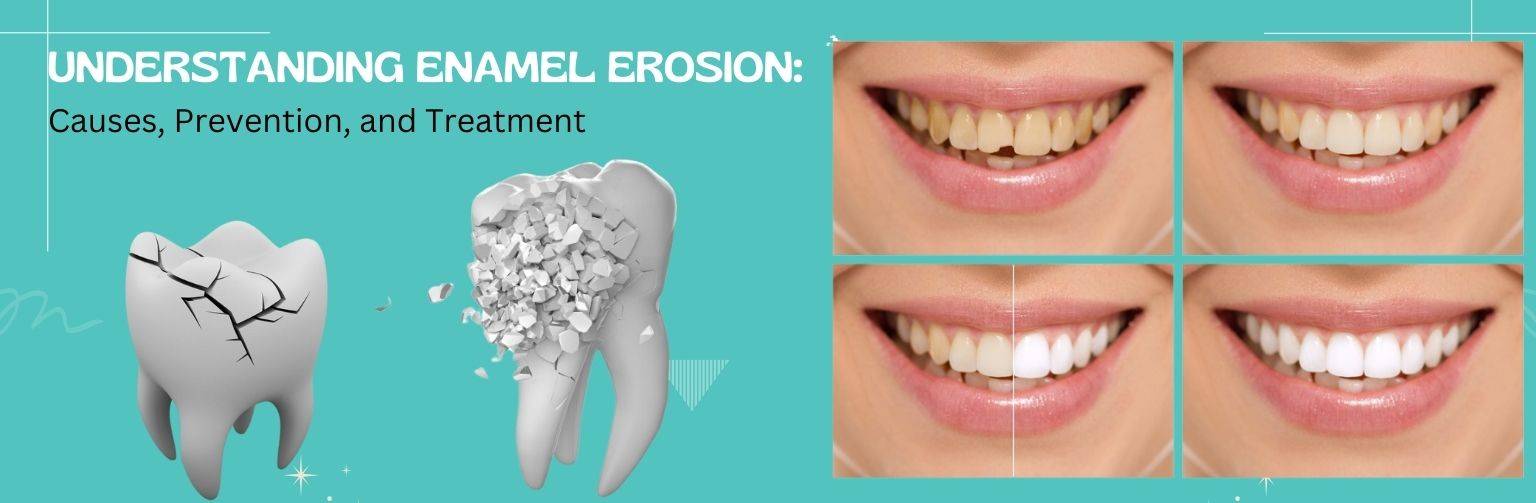
Dental associations emphasize that once enamel is lost, it cannot regrow. Therefore, early intervention is crucial to protect the underlying dentin and prevent complications such as cavities, fractures, and chronic sensitivity.
Common Causes of Enamel Loss in Vietnam
Tooth enamel is the hardest substance in the human body, yet it is highly susceptible to chemical and mechanical wear. In Vietnam, a combination of traditional dietary habits, modern lifestyle shifts, and dental care perceptions has led to an increase in enamel-related issues.
1. The Prevalence of an Acidic Diet
A significant driver of enamel erosion in Vietnam is the frequent consumption of high-acid foods and beverages.
Traditional Flavors: Many Vietnamese dishes rely heavily on citrus (lime) and vinegar-based dipping sauces. While delicious, the citric acid can soften enamel over time.
Modern Trends: There is a growing trend toward carbonated soft drinks, sugary milk teas, and energy drinks, particularly among the youth. These beverages not only contain high levels of sugar (fueling bacteria) but are also highly acidic, leading to “acid wear” that dissolves the tooth’s protective surface.
>> See more: Tooth Preparation Pain for Crowns in Vietnam: What to Expect and How to Stay Comfortable
2. Improper Oral Hygiene Techniques
While awareness of oral hygiene is rising, many individuals in Vietnam still use counterproductive methods.
Mechanical Abrasion: There is a common misconception that “scrubbing harder” means “cleaner teeth.” Using hard-bristled toothbrushes or applying excessive pressure can physically strip away the enamel.
Abrasive Products: Some traditional or low-quality whitening pastes contain harsh abrasives that wear down the tooth surface faster than the enamel can remineralize.
3. Stress-Induced Bruxism (Teeth Grinding)
As Vietnam’s urban centers like Hanoi and Ho Chi Minh City become more fast-paced, stress-related conditions are on the rise.
- Unconscious Grinding: Many people subconsciously grind or clench their teeth (bruxism) during sleep due to work-related stress or anxiety.
- Structural Damage: This constant friction causes the enamel to thin on the biting surfaces, eventually exposing the more sensitive dentin layer underneath and leading to tooth sensitivity and even fractures.
4. Gastroesophageal Reflux Disease (GERD) & Health Issues
Medical conditions are often overlooked as a source of dental problems.
Chemical Erosion: Acid reflux (GERD) is increasingly common due to late-night eating habits and a diet rich in spicy or oily foods. When stomach acid travels back up the esophagus and into the mouth, it is far more corrosive than food-based acids, causing rapid and severe enamel dissolution.

Morning Sickness: In pregnant women, frequent morning sickness can also expose teeth to harmful gastric acids, necessitating specialized dental care during pregnancy.
5. Cultural Barriers to Preventive Dentistry
The “treatment-over-prevention” mindset remains a challenge in Vietnam.
Delayed Intervention: Many people only visit a dentist when they experience acute pain. By this stage, enamel loss is usually advanced, and the protective layer cannot be naturally restored.
Lack of Screening: Regular professional cleanings and fluoride treatments are essential for strengthening enamel. Without these routine check-ups, early signs of erosion—such as transparency at the edges of the teeth or slight yellowing—go unnoticed until they become serious functional problems.
Signs and Symptoms of Enamel Loss
Enamel loss is often a gradual process. Because enamel contains no living cells, the body cannot regrow it once it is gone. Recognizing these early warning signs is crucial for preventing permanent damage.
1. Heightened Tooth Sensitivity
This is often the first sign of erosion. As the protective enamel thins, the underlying dentin (which contains microscopic tubules leading to the nerve) becomes exposed.
The Sensation: You may feel a sharp, sudden twinge of pain when consuming hot coffee, ice cream, or highly acidic/sweet treats.
Progression: In early stages, the pain is fleeting; in advanced stages, the sensitivity can become a persistent ache.
2. Discoloration and Yellowing
Tooth enamel is naturally white or slightly off-white, while the dentin underneath is naturally yellowish.
The Visual Change: As the enamel wears away, it becomes more translucent, allowing the yellow dentin to show through. This results in an overall yellowing of the smile that cannot be fixed by simple whitening, as the “stain” is actually the internal structure of the tooth.
3. Structural and Surface Changes
The texture of your teeth can tell you a lot about the health of your enamel.
Roughness: You may feel rough or “jagged” spots with your tongue.
Cupping: In cases of severe erosion, small indentations or “cups” may appear on the biting surfaces of your molars.
Loss of Luster: Teeth may lose their natural shine and appear dull or “matte” because the smooth surface has been etched away.
4. Cracks and Chips
Without the hard outer shell of enamel, teeth become significantly more brittle.
Edge Wear: The edges of the front teeth may appear transparent or look “frayed.”
Fractures: Cracks or small chips may appear along the biting edges, making the teeth look uneven and aged.
5. Increased Susceptibility to Cavities
Enamel is the primary defense against plaque and bacteria.
Faster Decay: Once the enamel is breached, bacteria can reach the softer dentin much faster. This leads to the rapid development of cavities and potential infections in the tooth pulp.
At BeDental, we don’t just look for surface damage. Our experts utilize:
Clinical Examination: Visual inspection to identify early “cupping” or thinning patterns.
Digital Diagnostics: Using high-definition intraoral cameras and digital X-rays to see the extent of the thinning and check for underlying decay that isn’t visible to the naked eye. This allows us to determine if you need preventive treatments (like fluoride) or restorative solutions (like bonding or veneers).
Why Enamel Loss Should Not Be Ignored
According to international dental research, untreated enamel loss can lead to:
The progression toward rapid tooth decay is the most immediate threat when enamel is ignored. Enamel acts as a highly mineralized shield that prevents acid-producing bacteria from reaching the softer, more vulnerable layers of the tooth. Once this barrier is breached, decay moves at a significantly faster pace through the porous dentin. Without the protection of enamel, even minor exposure to sugars or acids can lead to large cavities in a remarkably short period, often affecting multiple teeth simultaneously.
Ignoring early signs leads to a transition from occasional discomfort to chronic tooth pain and persistent sensitivity. While early-stage enamel loss might cause a brief twinge when drinking cold water, advanced erosion leaves the nerve endings within the dentin permanently exposed to the oral environment. This results in a condition where the teeth are in a constant state of inflammation. Over time, this chronic irritation can lead to pulpitis—an agonizing inflammation of the tooth’s internal tissues—making simple daily activities like eating or speaking a painful ordeal.
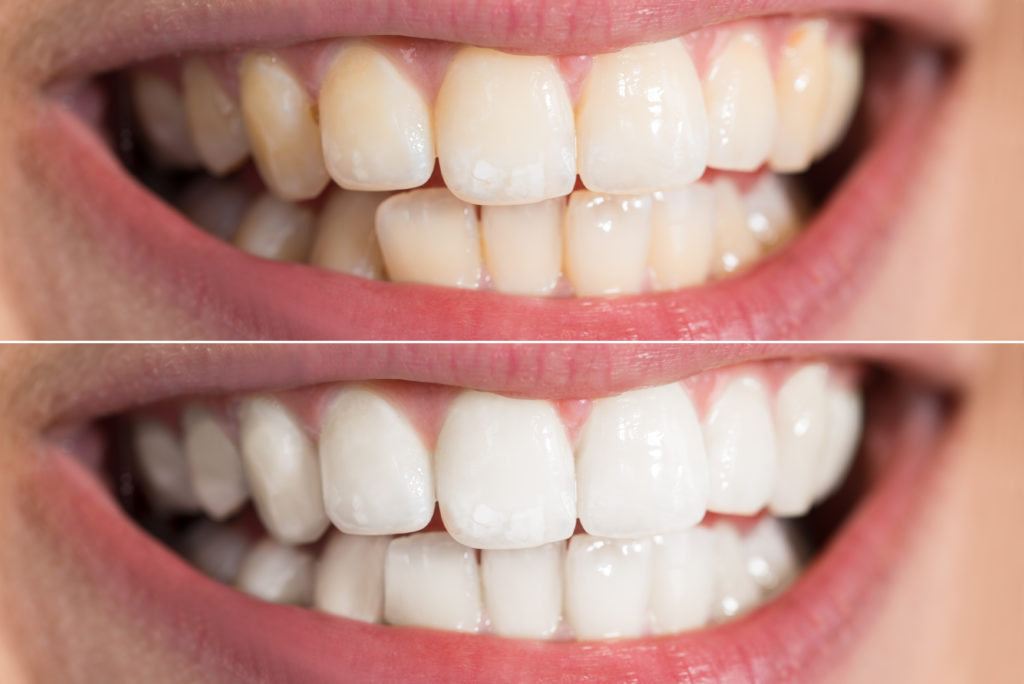
The loss of enamel significantly compromises the structural integrity of the tooth, making it prone to fractures. Enamel provides the necessary “hardness” to withstand the immense pressure of chewing, which can exceed 70 pounds per square inch. As the enamel thins, the tooth becomes brittle and loses its flexibility. This leads to the appearance of “craze lines” (small cracks) that can eventually develop into deep structural fractures. In many cases, a tooth without sufficient enamel can spontaneously chip or break while eating soft foods, often requiring complex dental crowns to restore its shape.
>> See more: Reducing Protruding Front Teeth in Vietnam: Safe, Natural, and Beautiful Results
The ultimate consequence of neglected enamel erosion is a much higher risk of requiring root canal treatment or facing total tooth loss. When the protective outer layer is gone, the path to the tooth’s central nerve (the pulp) is wide open. If bacteria infect the pulp, a root canal becomes the only way to save the tooth from a severe abscess. However, if the erosion or fracture extends below the gum line, the tooth may be deemed “non-restorable,” leaving extraction as the only option. This leads to the need for costly and invasive replacements such as dental implants or bridges to maintain the alignment of your jaw.
Dental associations strongly recommend early preventive and restorative measures to preserve remaining enamel and protect overall oral health.
How Enamel Loss Is Treated at BeDental
Treatment depends on the severity of enamel erosion and may include:
At BeDental, we understand that every patient’s smile is unique, which is why our approach to treating enamel loss is highly personalized, focusing on the specific stage of erosion and the underlying causes.
Our first line of defense involves intensive preventive care and remineralization therapy designed to save what remains of your natural enamel. For patients in the early stages of erosion, we utilize professional-grade fluoride treatments and specialized calcium-phosphate pastes that go far beyond standard over-the-counter products. These treatments work by seeping into the weakened microscopic pores of the enamel, reinforcing the mineral matrix and making the teeth significantly more resistant to future acid attacks. By strengthening the tooth at a molecular level, we can often halt the progression of erosion before it requires more invasive restorative work.
Long-term success is built on comprehensive lifestyle guidance and behavioral correction tailored to the Vietnamese lifestyle. Our experts provide detailed dietary counseling to help you identify “hidden” acids in popular local foods and beverages, teaching you how to neutralize these acids effectively. Furthermore, we focus heavily on “brushing technique correction,” as many patients unknowingly accelerate enamel loss by using improper tools or excessive force. We guide you in selecting the right soft-bristled brushes and non-abrasive toothpastes, ensuring that your daily hygiene routine protects your smile rather than harming it.
When the enamel has been significantly depleted, we utilize advanced protective restorations to rebuild both function and aesthetics. For minor wear or small chips, we perform dental bonding, using tooth-colored composite resins that blend seamlessly with your natural teeth to seal exposed dentin. In more advanced cases where the tooth’s surface is heavily compromised, we offer high-quality porcelain veneers or full-coverage dental crowns. These restorations act as a “new suit of armor” for your teeth, shielding the sensitive inner layers from heat, cold, and bacteria while restoring the natural brilliance and shape of your smile.
For patients suffering from mechanical wear, custom-engineered bite protection is essential to prevent further structural failure. If our diagnostics reveal signs of bruxism—unconscious teeth grinding—we provide custom-fitted night guards. Unlike generic, store-bought options, BeDental’s night guards are precision-molded to your unique bite. This device acts as a sacrificial barrier, absorbing the immense pressure of clenching and grinding during sleep, thereby preventing your upper and lower teeth from wearing each other down and protecting your dental work from fracturing.
Underpinning all our treatments is BeDental’s core philosophy of minimally invasive dentistry. We prioritize the preservation of as much natural tooth structure as possible, choosing conservative treatments over aggressive ones whenever viable. Our goal is not just to fix the immediate damage, but to create a sustainable environment where your natural teeth can remain strong and healthy for a lifetime. By utilizing digital diagnostics to pinpoint exactly where intervention is needed, we ensure that every procedure is as precise and gentle as possible.
BeDental prioritizes minimally invasive approaches to preserve as much natural tooth structure as possible.
Why Choose BeDental for Enamel Loss Treatment in Vietnam?
1. Early and Accurate Diagnosis
Early and accurate diagnosis is the foundation of our practice, allowing us to intervene before enamel loss becomes an irreversible crisis. While many clinics rely on traditional visual exams, BeDental utilizes high-definition intraoral cameras and 3D digital imaging to detect the earliest signs of thinning. This precision allows our specialists to see “acid etching” and microscopic wear that would otherwise go unnoticed. By identifying these issues in their infancy, we can apply remineralization treatments that strengthen your teeth, often avoiding the need for more invasive and expensive procedures later on.
2. International Treatment Standards
We take pride in upholding international treatment standards, bringing global dental excellence to our patients in Vietnam. Our clinical protocols are strictly aligned with the guidelines established by the American Dental Association (ADA) and the FDI World Dental Federation. This means that every material we use—from our high-concentration fluoride gels to our ultra-durable porcelain veneers—is sourced from world-leading manufacturers in Europe and the USA. When you choose BeDental, you are receiving the same caliber of safety, sterilization, and clinical expertise found in the world’s top dental hospitals.
3. Conservative, Tooth-Preserving Care
Our philosophy of conservative, tooth-preserving care ensures that we prioritize the health of your natural tooth structure above all else. We operate under a “minimally invasive” mandate, which means our goal is to protect and save as much of your original enamel as possible. While some providers may quickly suggest aggressive treatments like full-coverage crowns, our experts focus on conservative techniques such as dental bonding or micro-veneers. This approach not only keeps your teeth stronger and more flexible but also ensures a much more natural-looking result that stands the test of time.
4. Transparent Consultation
Transparent consultation is a core value at BeDental, as we believe every patient deserves to be a fully informed partner in their treatment. We go beyond simply telling you what needs to be done; we use digital scans to show you exactly where the erosion is occurring and explain the “why” behind every recommendation. You will receive a clear, comprehensive breakdown of all treatment pathways, including honest discussions about expected outcomes, longevity, and detailed pricing with no hidden costs. This level of honesty builds the trust necessary for a successful, long-term dental relationship.
5. Comprehensive Aftercare
Comprehensive aftercare and long-term monitoring are what truly set our enamel treatments apart from the rest. Treating the damage is only half the battle; preventing further loss is the key to a healthy future. After your initial treatment, BeDental provides a personalized “Enamel Protection Plan” that includes dietary coaching, specialized at-home care instructions, and regular follow-up screenings. We monitor your progress closely to ensure that your lifestyle changes are working, providing you with a sustainable framework to keep your smile bright, strong, and pain-free for a lifetime.
Who Is at Higher Risk of Enamel Loss?
You may be at higher risk if you:
- Frequently consume acidic foods or drinks
- Grind or clench your teeth
- Have acid reflux or eating disorders
- Brush aggressively or use hard-bristle toothbrushes
- Skip regular dental check-ups
A professional dental assessment is essential to confirm risk level and appropriate treatment.
Summary of Enamel Loss – Causes, Risks, and Treatment
| Category | Key Points | What It Means for Patients |
| Causes | Acidic diet, improper brushing, bruxism, acid reflux | Daily habits can gradually damage enamel without noticeable symptoms |
| Early Signs | Sensitivity, slight yellowing, rough surface | Indicates initial enamel thinning and should not be ignored |
| Advanced Symptoms | Cracks, chips, frequent cavities | Suggests structural damage and higher risk of infection |
| Risks if Untreated | Tooth decay, chronic pain, fractures, tooth loss | Can lead to complex and costly treatments such as root canal or implants |
| Treatment Options | Fluoride, bonding, veneers, crowns, night guards | Solutions vary depending on severity and underlying cause |
| Prevention | Proper brushing, balanced diet, regular dental check-ups | Essential for maintaining long-term enamel health |
This summary provides a clear overview of enamel loss, helping patients understand the progression from early signs to advanced complications. Early diagnosis and proper treatment are essential to protect natural teeth and maintain long-term oral health.
FAQ – Enamel Loss in Vietnam
1. Can tooth enamel grow back?
No. According to dental associations, enamel cannot regenerate naturally once it is lost. However, early treatment can protect remaining enamel and strengthen teeth.
2. Is enamel loss common in Vietnam?
Yes. Dietary habits, lifestyle changes, and limited preventive dental care have contributed to an increase in enamel erosion cases.
3. How is enamel loss diagnosed?
Dentists diagnose enamel loss through clinical examination, patient history, and digital imaging to assess surface wear and sensitivity.
4. Can enamel loss be stopped?
Yes. While lost enamel cannot be restored naturally, professional treatment and lifestyle changes can slow or stop further erosion.
5. Is enamel loss painful?
In early stages, enamel loss may not cause pain. As dentin becomes exposed, sensitivity and discomfort often increase.
6. Are cosmetic treatments safe for enamel loss?
When performed correctly, treatments such as bonding, veneers, or crowns can protect teeth and improve appearance without causing further damage.
7. Can children experience enamel loss?
Yes. Enamel erosion can affect children and teenagers, especially with high consumption of acidic drinks.
8. Why choose BeDental for enamel loss treatment in Vietnam?
BeDental combines early diagnosis, conservative treatment, modern technology, and adherence to international dental standards, making it a trusted choice for managing enamel loss.

Tư vấn chuyên môn bài viết:
BÁC SĨ DƯƠNG THỊ THÙY NGA