

 English
 한국어
한국어 日本語
日本語 中文 (中国)


A cracked tooth root in Vietnam refers to a crack or fracture that starts from the crown of the tooth and extends below the gum line into the root structure. This condition is significantly more serious than minor enamel cracks because it directly affects the tooth’s foundation. If left untreated, a cracked tooth root can allow bacteria to penetrate deep into the pulp and surrounding bone, leading to chronic infection, abscess formation, and eventual tooth loss.
Cracked tooth roots are often difficult to diagnose in the early stages, as the fracture may not be visible to the naked eye and symptoms can be intermittent. In most cases, digital X-rays or Cone Beam CT (CBCT) imaging are required to identify the exact location, direction, and severity of the crack. Treatment decisions depend on multiple factors, including the depth of the fracture, whether infection is present, and the patient’s overall oral health.
Symptoms of a Cracked Tooth Root
The symptoms of a cracked tooth root can vary widely and often develop gradually rather than suddenly. Many patients experience discomfort for months before receiving an accurate diagnosis. Common signs include:
- Pain when chewing or biting: Often sharp, sudden pain, especially when releasing pressure while chewing.
- Gum swelling or localized tenderness: Inflammation around the affected tooth may appear and disappear over time.
- Persistent discomfort or pressure: A dull, lingering ache that can be difficult to pinpoint.
- Sensitivity to hot, cold, or sweet foods: Caused by exposure of dentin or pulp tissue through the crack.
- Bleeding gums: Particularly noticeable when brushing or flossing near the affected tooth.
- Tooth looseness: As the crack compromises the root’s attachment to the jawbone.
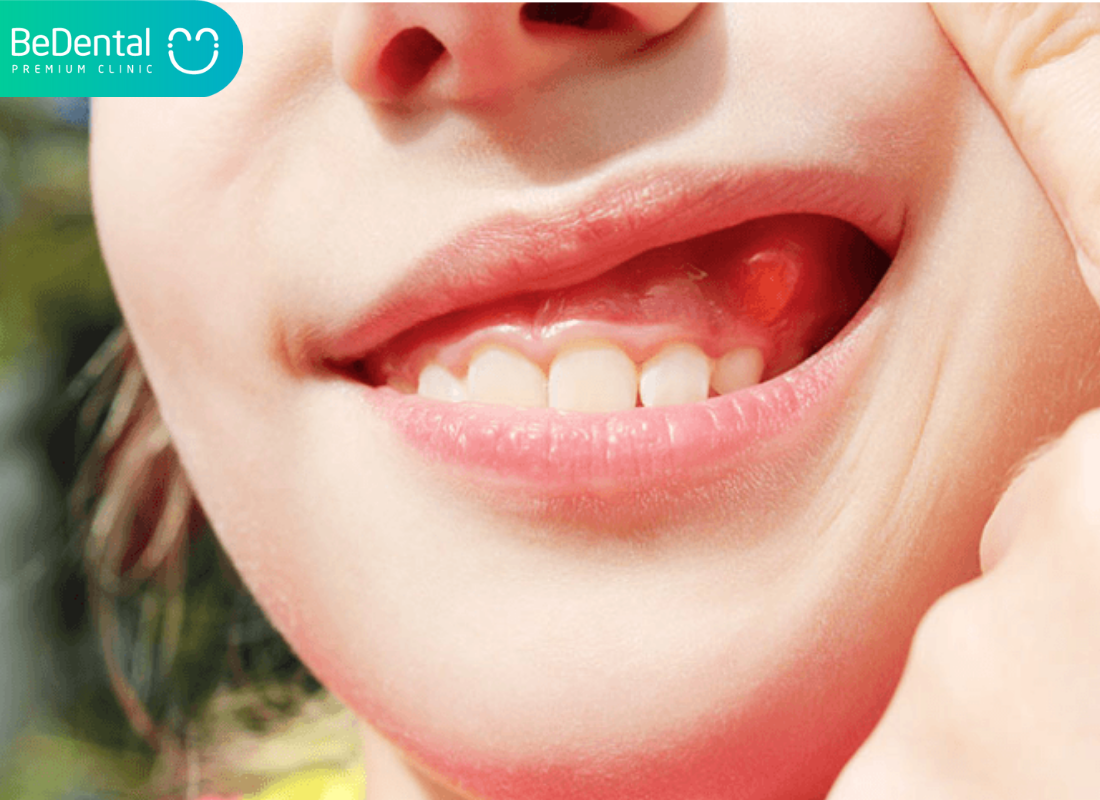
- Recurrent gum abscess or pimple-like lesion: A strong indicator of chronic infection associated with a cracked tooth root.
Because these symptoms can be mild or intermittent, many cracked tooth roots are only diagnosed after infection, bone loss, or repeated treatment failures have already occurred.
Treatment Options for a Cracked Tooth Root in Vietnam
Treatment for a cracked tooth root depends on how extensive the fracture is and whether the tooth can still be preserved. Vietnamese dental clinics offer a full range of modern treatment solutions using advanced diagnostic and restorative technology.
1. Monitoring and Observation
When appropriate:
If the crack is small, stable, and does not extend deeply into the root, or if there are no signs of infection, dentists may recommend close monitoring.
What this involves:
- Regular dental check-ups
- Periodic digital X-rays or CBCT scans
- Strict bite control and oral hygiene
This conservative approach aims to preserve the natural tooth for as long as possible.
See more: Should childen get porcelain teeth?
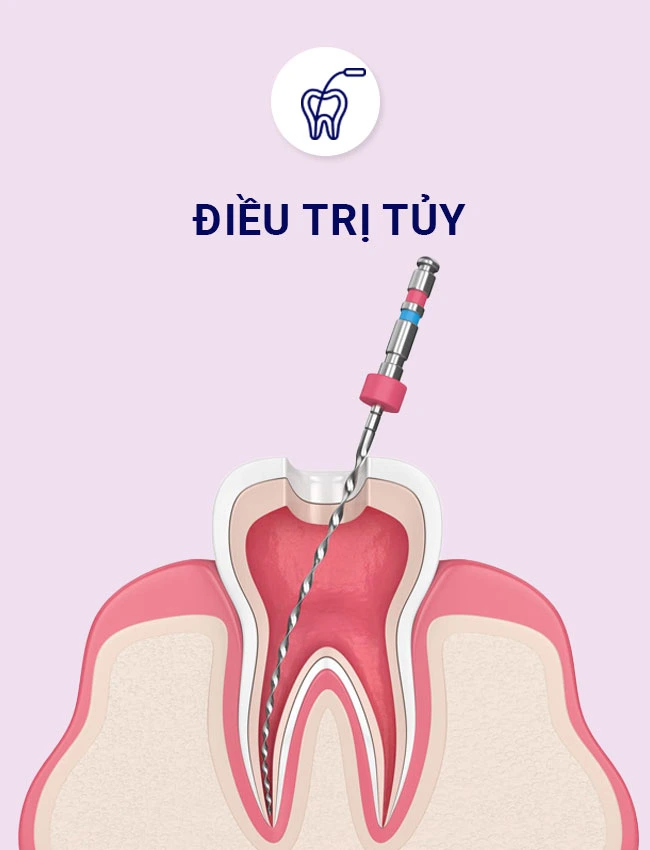
2. Root Canal Treatment
When recommended:
If bacteria have entered the pulp through the crack, causing infection or inflammation, but the tooth structure remains salvageable.
Procedure overview:
- Removal of infected pulp tissue from the root canal
- Thorough cleaning and disinfection of the canal system
- Sealing the canals to prevent reinfection
Root canal treatment eliminates pain and infection but is usually followed by crown placement to protect the weakened tooth.
Cost comparison:
- Vietnam: ≈ $100–300 per tooth
- United States: ≈ $800–1,500 per tooth
- Europe: ≈ €600–1,200 per tooth
Patients can typically save 60–80% by choosing root canal treatment in Vietnam without compromising treatment quality.
3. Dental Crown Placement
When required:
After root canal therapy or when the cracked tooth root has weakened the remaining tooth structure.
Benefits:
- Restores tooth strength and function
- Protects against further cracking
- Improves aesthetics and bite alignment
Vietnamese clinics commonly use zirconia, E.max, or porcelain crowns, often fabricated with CAD/CAM 3D technology.
Cost comparison:
- Vietnam: ≈ $200–450 per crown
- United States: ≈ $1,200–2,500 per crown
- Europe: ≈ €900–1,800 per crown
Despite the lower cost, materials are often imported from Germany, Japan, or the U.S., ensuring high durability and aesthetics.
4. Tooth Extraction
When unavoidable:
If the crack extends vertically through the entire root or causes severe infection and bone damage, saving the tooth may not be possible.
Procedure:
- Surgical removal of the tooth
- Infection control and bone preservation if needed
- Planning for tooth replacement (often with dental implants)
Cost comparison (extraction only):
- Vietnam: ≈ $30–150
- United States: ≈ $200–600
- Europe: ≈ €150–400
Even complex surgical extractions are significantly more affordable in Vietnam.
Why Choose Vietnam for Cracked Tooth Root Treatment?
Vietnam has rapidly established itself as a leading destination for advanced dental care and dental tourism, particularly for complex conditions such as cracked tooth root treatment. Compared with many developed countries, Vietnam offers a rare combination of high clinical quality, modern technology, and exceptional affordability, making it increasingly attractive to both local and international patients.
1. Significant Cost Savings Without Compromising Quality
One of the strongest reasons patients choose Vietnam is the substantial cost advantage. Dental treatments in Vietnam typically cost 50–80% less than in countries such as the United States, Canada, Australia, or Western Europe.
Unlike some low-cost destinations, Vietnam’s affordability is driven by lower operational and labor costs, not reduced treatment standards.
2. Highly Trained Dentists with International Backgrounds
Many Vietnamese dentists have received advanced training or postgraduate education in countries such as Japan, South Korea, Germany, Australia, and the U.S. They regularly attend international dental conferences and follow global treatment protocols.
In some neighboring countries, access to internationally trained specialists may be limited to only a few major cities. In Vietnam, especially in hubs like Ho Chi Minh City and Hanoi, internationally trained dentists are widely available across reputable clinics.
This ensures cracked tooth root cases are handled using evidence-based, globally accepted techniques.
3. Modern Technology on Par with Developed Countries
Top dental clinics in Vietnam are equipped with the same advanced technology found in high-end clinics in the U.S. or Europe, including:
- Cone Beam CT (CBCT) for precise diagnosis of root fractures
- Digital X-rays with low radiation exposure
- CAD/CAM 3D systems for same-day crowns and restorations
- Digital bite analysis and 3D treatment planning
While similar technology is available in countries like Japan or Singapore, treatment costs there remain among the highest in Asia. Vietnam offers this technology at a fraction of the price.
4. Short Waiting Times and Flexible Scheduling
In countries with public healthcare systems such as the UK, Canada, or parts of Europe, patients often face long waiting times, sometimes weeks or months, for specialized dental procedures.
In Vietnam:
- Appointments are typically available within 1–3 days
- Complex treatments can be completed in a few visits
- Clinics are flexible with scheduling, making it ideal for international patients on short trips
This is especially valuable for cracked tooth root cases, where early intervention is critical to prevent infection and tooth loss.
5. Strict Sterilization and Infection Control Standards
Reputable dental clinics in Vietnam adhere to international sterilization protocols, including:
- Hospital-grade autoclaves
- Single-use instruments for critical procedures
- Strict cross-infection control policies
Many clinics follow ISO and CDC-equivalent guidelines, comparable to those used in Germany, Australia, and the U.S. This reassures patients who may be concerned about safety when seeking treatment abroad.
6. Ideal Destination for Dental Tourism
Compared with other popular dental tourism countries such as Thailand, Mexico, or Turkey, Vietnam stands out for its:
- Lower overall treatment costs
- High-quality private clinics
- Safe, welcoming environment
- Affordable accommodation and transportation
Patients can combine cracked tooth root treatment with travel to destinations like Ho Chi Minh City, Hanoi, Da Nang, or Nha Trang, often spending less on the entire trip than the cost of dental treatment alone in their home country.
These factors make Vietnam a reliable and cost-effective choice for both local and international patients seeking high-quality dental care.
BeDental – A Trusted Clinic for Cracked Tooth Root Treatment in Vietnam

BeDental is a renowned dental clinic in Vietnam specializing in endodontic and restorative dentistry, including the diagnosis and treatment of cracked tooth roots.
Why patients choose BeDental:
- Highly experienced dental team with over 10 years of hands-on clinical expertise, particularly in managing complex cases such as cracked tooth roots, failed root canals, and structurally compromised teeth. Dentists are trained to preserve natural teeth whenever possible while ensuring long-term stability.
- Advanced diagnostic systems, including digital X-rays and Cone Beam CT (CBCT), allowing dentists to accurately detect micro-cracks, vertical root fractures, and hidden infections that are often missed by conventional imaging. This ensures precise diagnosis and minimizes unnecessary treatment.
- CAD/CAM 3D technology for the fabrication of high-precision crowns and restorations. This technology enables optimal bite alignment, improved aesthetics, and a faster turnaround time—often allowing crowns to be completed within the same day.
- Premium FDA- and ISO-certified dental materials, imported directly from Germany, the United States, and Japan, ensuring high biocompatibility, durability, and natural appearance. These materials meet international safety standards and are commonly used in top dental clinics worldwide.
- Multilingual patient support team, including English-speaking dentists and dedicated patient coordinators, to ensure clear communication, thorough explanations, and a smooth treatment experience for international patients.
- Transparent and ethical treatment planning, with detailed consultations, digital treatment simulations when needed, and clear cost breakdowns upfront, so patients fully understand each step of the procedure with no hidden fees.
- Long-term warranties ranging from 5 to 15 years, depending on the treatment type and materials used, reflecting the clinic’s confidence in treatment quality and its commitment to long-lasting results and patient satisfaction.
Whether your cracked tooth root requires monitoring, root canal therapy, crown restoration, or extraction with future implant planning, BeDental delivers safe, ethical, and patient-focused care tailored to long-term oral health.
A cracked tooth root in Vietnam can be treated effectively when diagnosed early and managed by experienced professionals. Ignoring symptoms may lead to infection, bone loss, and tooth loss—but with modern technology, skilled dentists, and affordable pricing, Vietnam—and especially BeDental—offers an excellent solution for preserving oral health and restoring confidence.
See more: What are crookd front teeth?
- The advantage of this method is to restore chewing ability, high aesthetics, prevent complications of tooth loss, preserve maximum real teeth, long life, suitable for many cases of tooth loss.
- Disadvantages of this method are high cost, long implementation time and high technical requirements.
- The cost of dental implants is about 26,000,000 - 45,000,000 VND (single implant) and about 170,000,000 - 325,000,000 VND (full jaw implant).
- Restoration time ranges from 3 - 6 months.
- Requires a highly qualified Doctor: The dental implant process requires a high level of expertise from the doctor to ensure success and avoid unwanted risks.
- Long treatment time: The dental implant process can take a long time, requiring patience from the patient
- Relatively high cost: Dental implants are synonymous with high cost, which is an important factor to consider when choosing a method.
- Tooth longevity: Implant teeth may not have the same lifespan as natural teeth, usually after 5 - 20 years a new porcelain tooth is needed.
- Although there are certain limitations, this method is very effective when performing dental restorations. Dental Implants have the ability to completely restore shape and function like a real tooth