

 English
 한국어
한국어 日本語
日本語 中文 (中国)


A chipped tooth in Vietnam is a common dental issue that can happen unexpectedly due to trauma, teeth grinding, or weakened enamel. In Vietnam and many East Asian cultures, however, a chipped tooth is not only viewed as a physical problem, it is sometimes believed to carry spiritual or symbolic meanings, affecting luck, wealth, and personal relationships.
So, are these beliefs rooted in reality, or are they simply traditional superstitions? From a modern dental perspective, why do teeth chip, is it dangerous, and how should it be treated properly?
In this article, BeDental explores the cultural beliefs, medical causes, effects, treatments, and prevention of chipped tooth in Vietnam, helping you understand the issue from both traditional and scientific viewpoints.
Is a Chipped Tooth a Bad Omen?
In traditional East Asian physiognomy, facial features, including teeth, are believed to reflect not only health but also fate, fortune, and emotional life. Because of this belief, many people feel anxious when they experience a chipped or broken tooth, especially if it occurs suddenly.
1. Chipped Tooth – A Sign of Financial Loss
According to folk beliefs, strong, intact teeth symbolize financial stability and prosperity, while chipped or broken teeth are thought to indicate disrupted wealth. Many people believe a chipped tooth may predict:
- Financial setbacks
- Business difficulties
- Unexpected expenses or loss of opportunities
This belief is especially common among business owners and older generations in Vietnam.
2. Chipped Tooth – Warning of Relationship Problems
In face reading, straight and evenly shaped teeth are associated with harmony in love and family life. A chipped tooth—particularly a visible front tooth—is believed to signal:
- Emotional conflicts
- Misunderstandings between partners
- Tension in romantic or marital relationships
Although widely believed, these interpretations are cultural rather than scientific.
3. Chipped Tooth – A Real Health Warning
Beyond spiritual meanings, a chipped tooth can indeed be a legitimate health warning. According to the American Dental Association (ADA), weakened enamel caused by tooth decay, mineral deficiency, or excessive force makes teeth more prone to chipping.
These spiritual interpretations have no scientific evidence. Instead of worrying about bad luck, individuals with a chipped tooth in Vietnam should focus on early dental diagnosis and treatment to prevent serious complications.
Chipped Tooth in Vietnam from a Modern Dental Perspective
From a clinical standpoint, a chipped tooth occurs when enamel and dentin are damaged, either partially or completely. Vietnamese dentists frequently encounter chipped teeth caused by the following factors.
1. Trauma or Strong Impact
Accidents such as:
- Falls
- Sports injuries without mouthguards
- Traffic accidents
can easily chip teeth, particularly the front teeth, which are more exposed and vulnerable.
2. Teeth Grinding (Bruxism)
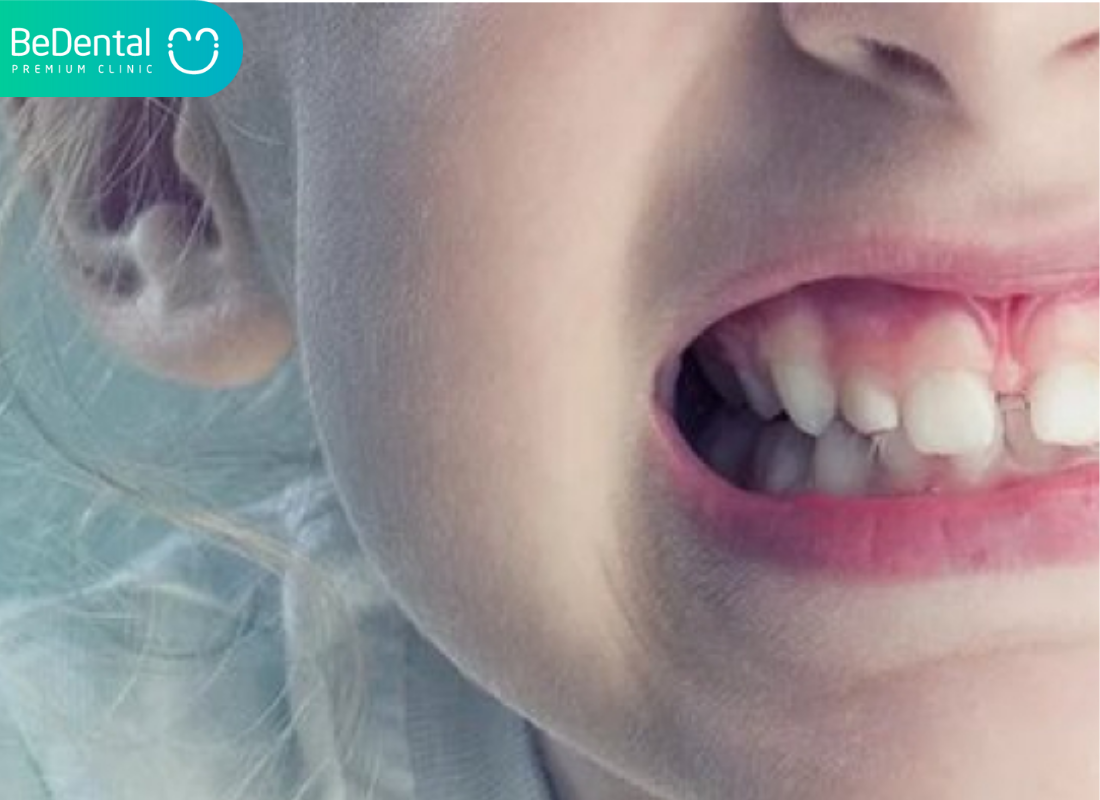
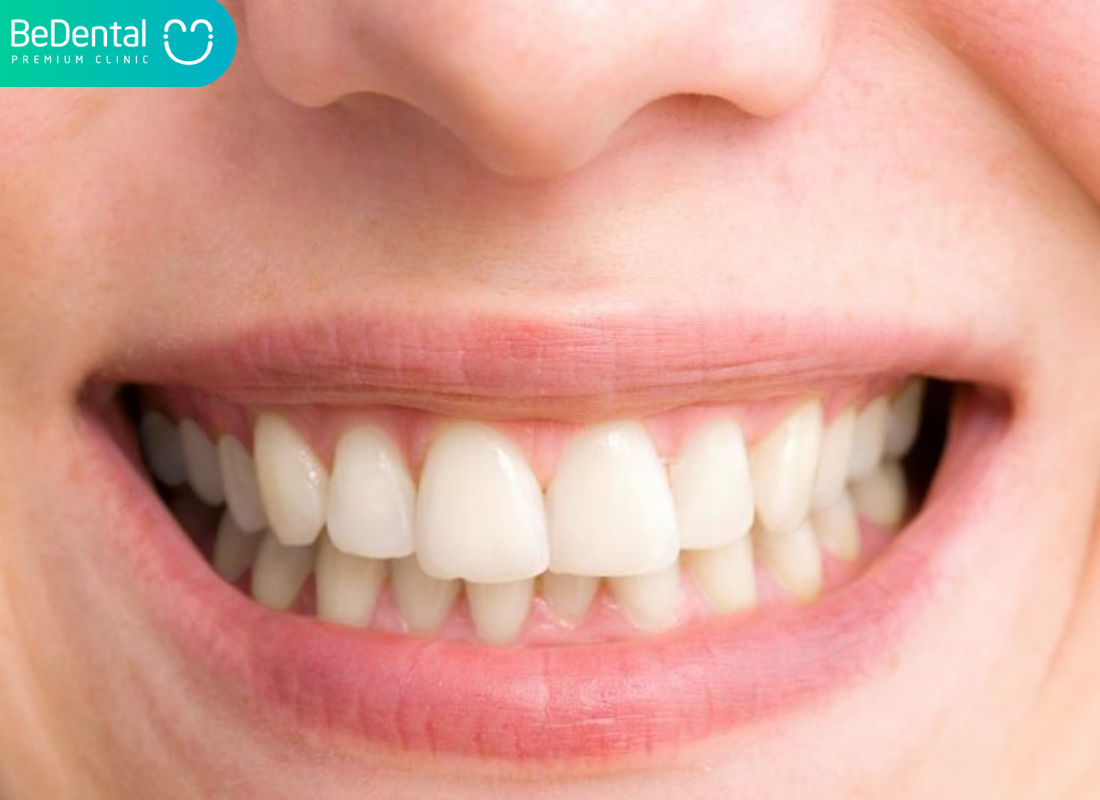
According to the ADA, 10–15% of adults grind their teeth, often unconsciously during sleep. The pressure generated during grinding can be 5–10 times stronger than normal chewing force, gradually weakening enamel and leading to chipped or cracked teeth.
3. Harmful Daily Habits
Common habits that increase the risk of chipped tooth in Vietnam include:
- Chewing ice or bones
- Opening bottles or packages with teeth
- Frequently eating very hard or sticky foods
These actions cause micro-damage to enamel that worsens over time.
4. Tooth Decay and Bacterial Damage
Bacteria such as Streptococcus mutans gradually destroy enamel and dentin. According to the World Health Organization (WHO), 60–90% of the global population experiences tooth decay, making untreated cavities a leading cause of tooth chipping.
5. Mineral Deficiency and Enamel Demineralization
Insufficient calcium, phosphorus, or vitamin D weakens enamel. Acidic foods, carbonated drinks, and alcohol further accelerate demineralization, making teeth more fragile and prone to chipping.
See more: Should childen get porcelain teeth?
Effects of a Chipped Tooth
A chipped tooth affects far more than appearance, it can seriously impact oral health, digestion, and quality of life if left untreated.
1. Aesthetic and Confidence Issues
Even a small chip on a front tooth can disrupt smile symmetry, making teeth look uneven or damaged. According to ADA surveys, over 70% of people with visible dental imperfections feel self-conscious about smiling, which can negatively affect social interactions, professional confidence, and mental well-being.
2. Difficulty Chewing
A chipped tooth may cause pain or sensitivity during biting, reducing chewing efficiency. Poor chewing places additional strain on jaw muscles and the digestive system, potentially leading to:
- Jaw fatigue
- TMJ discomfort
- Indigestion or bloating
3. Speech Problems
Front teeth and canines play a crucial role in pronunciation. Chipped teeth can affect airflow and tongue placement, causing difficulty with sounds like “s,” “x,” “ch,” or “sh”, impacting clarity in daily communication.
4. Increased Risk of Decay and Infection
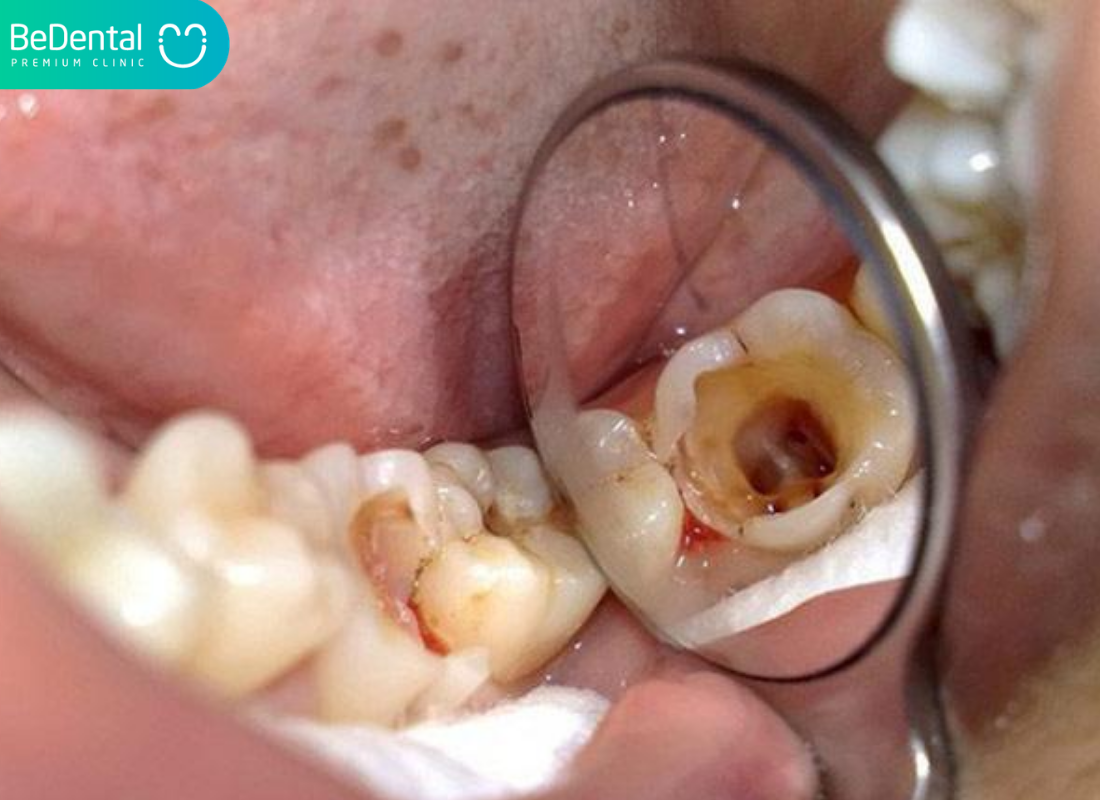
Chips create rough surfaces and micro-gaps where plaque and bacteria accumulate. Over time, this can lead to:
- Secondary tooth decay
- Pulp inflammation (pulpitis)
- Dental abscess
- Jawbone infection
Without timely treatment, a chipped tooth may eventually require root canal therapy or extraction.
Effective Treatments for Chipped Tooth in Vietnam
At BeDental, treatment is based on the severity, location, and functional impact of the chipped tooth.
1. Composite Filling
Best for: Minor chips without nerve damage
Advantages: Fast, aesthetic, affordable
Cost in Vietnam: ~300,000–800,000 VND per tooth
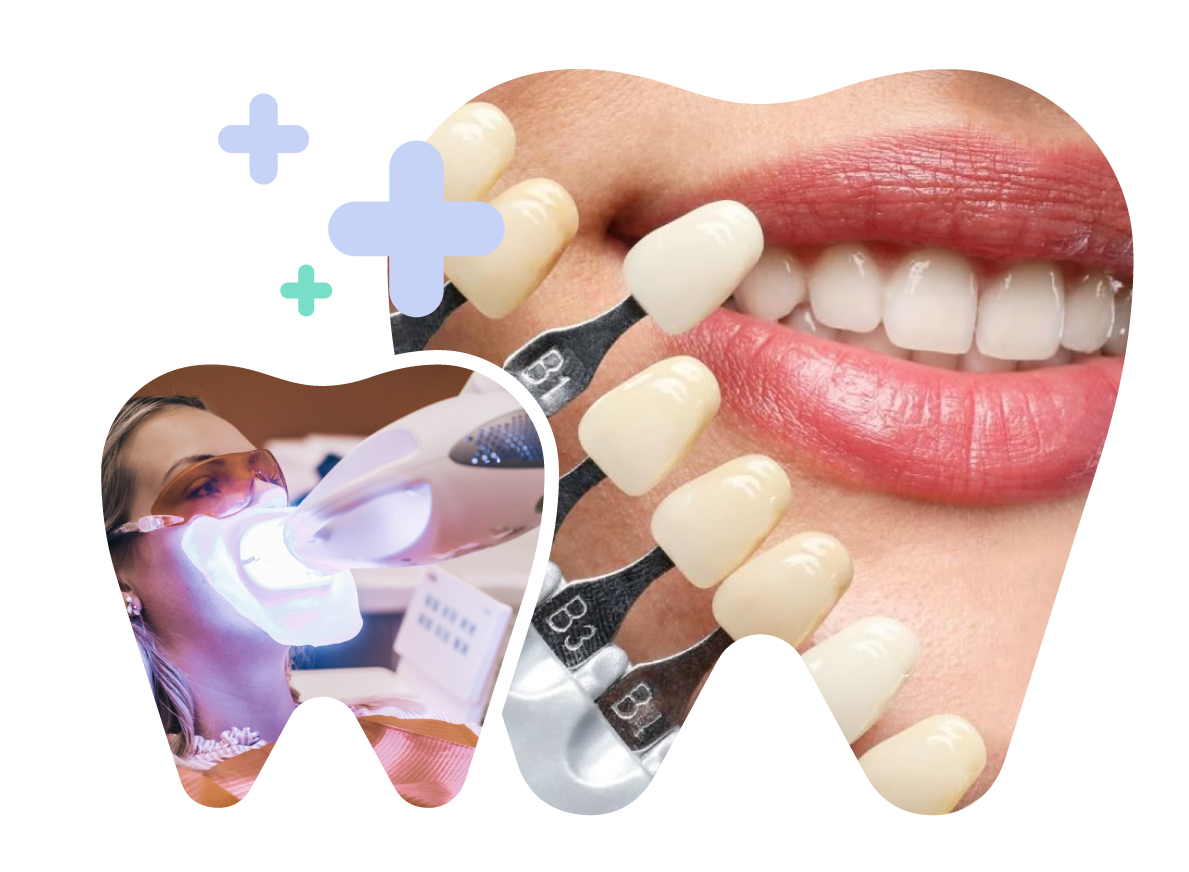
Tooth-colored composite resin is applied and hardened with curing light to restore shape and appearance naturally.
2. Porcelain Veneers
Best for: Front teeth with high aesthetic requirements
Advantages: Minimal enamel removal, 10–15 years durability
Ultra-thin veneers (0.3–0.5 mm) cover the chipped area, improving shape, color, and overall smile harmony.
3. Full Dental Crowns
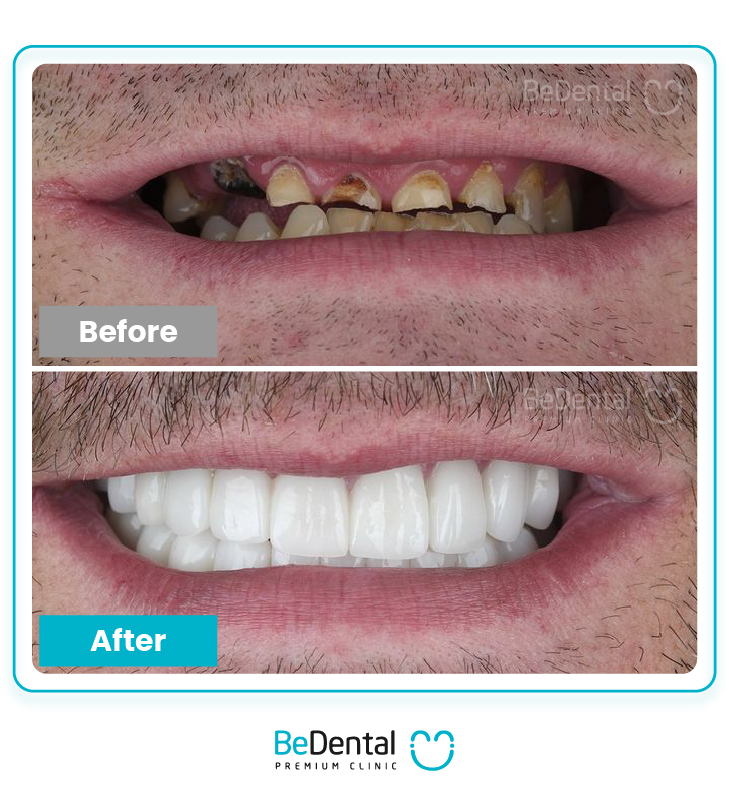
Best for: Large chips, weakened teeth, or post–root canal teeth
Advantages: High strength, 15–20 years durability
Zirconia or ceramic crowns restore up to 95% of chewing efficiency (AACD) and fully protect the damaged tooth.
4. Tooth Extraction and Dental Implants
For teeth that cannot be restored, extraction followed by dental implant placement is recommended. Titanium implants replace tooth roots and can last 25+ years with proper care.
How to Prevent Chipped Tooth in Vietnam
In traditional Vietnamese culture, oral care was closely connected to natural remedies and the concept of maintaining balance within the body. Long before modern dentistry became widely available, people relied on herbs, plants, and daily habits to protect their teeth and gums.
While these practices are not substitutes for professional dental treatment, many of them can still play a supportive role in maintaining oral hygiene when used correctly.
One of the most common traditional practices is rinsing the mouth with warm saltwater. This method has been passed down for generations and is believed to help cleanse the mouth by reducing harmful bacteria, soothing irritated gums, and preventing inflammation. Warm saltwater can be especially helpful during mild gum discomfort or after meals. However, dentists advise using a mild salt solution and avoiding excessive rinsing, as overuse may irritate oral tissues or disrupt the natural balance of the mouth. Importantly, saltwater rinsing should complement, not replace, daily brushing with fluoride toothpaste.
Another widely respected traditional remedy is green tea. Green tea contains natural catechins, compounds known for their antibacterial and anti-inflammatory properties. In Vietnamese households, drinking unsweetened green tea or using it as a gentle mouth rinse is believed to reduce plaque buildup, support gum health, and maintain fresher breath. Modern studies also suggest that green tea may help slow the growth of certain bacteria associated with tooth decay and gum disease, making it a beneficial habit when consumed without sugar.
Traditional herbal rinses made from guava leaves or betel leaves are also commonly mentioned in Vietnamese folk medicine. These leaves are typically boiled, and the cooled water is used to rinse the mouth. According to traditional beliefs, guava and betel leaves help control oral bacteria and support healthier gums. While these herbal rinses may provide mild antibacterial effects, modern dentists recommend using them cautiously and only as a supplementary practice. Improper preparation or excessive use may irritate oral tissues, and they should never replace professional dental care or proven oral hygiene methods.
BeDental – Trusted Clinic for Chipped Tooth Treatment in Vietnam
BeDental is a reputable dental clinic specializing in restorative and aesthetic dentistry, providing comprehensive solutions for chipped teeth in Vietnam.
Why patients choose BeDental:
- Highly experienced dental team with over 10 years of hands-on clinical expertise, particularly in managing complex cases such as cracked tooth roots, failed root canals, and structurally compromised teeth. Dentists are trained to preserve natural teeth whenever possible while ensuring long-term stability.
- Advanced diagnostic systems, including digital X-rays and Cone Beam CT (CBCT), allowing dentists to accurately detect micro-cracks, vertical root fractures, and hidden infections that are often missed by conventional imaging. This ensures precise diagnosis and minimizes unnecessary treatment.
- CAD/CAM 3D technology for the fabrication of high-precision crowns and restorations. This technology enables optimal bite alignment, improved aesthetics, and a faster turnaround time—often allowing crowns to be completed within the same day.
- Premium FDA- and ISO-certified dental materials, imported directly from Germany, the United States, and Japan, ensuring high biocompatibility, durability, and natural appearance. These materials meet international safety standards and are commonly used in top dental clinics worldwide.
- Multilingual patient support team, including English-speaking dentists and dedicated patient coordinators, to ensure clear communication, thorough explanations, and a smooth treatment experience for international patients.
- Transparent and ethical treatment planning, with detailed consultations, digital treatment simulations when needed, and clear cost breakdowns upfront, so patients fully understand each step of the procedure with no hidden fees.
- Long-term warranties ranging from 5 to 15 years, depending on the treatment type and materials used, reflecting the clinic’s confidence in treatment quality and its commitment to long-lasting results and patient satisfaction.
👉 View full price list: https://bedental.vn/en/dental-price-list
While a chipped tooth in Vietnam may carry negative meanings in traditional beliefs, from a medical perspective it is a sign of enamel damage that should never be ignored. Early diagnosis and professional treatment can prevent pain, infection, and tooth loss—restoring not only oral health but also confidence and peace of mind.
See more: What are crookd front teeth?
- The advantage of this method is to restore chewing ability, high aesthetics, prevent complications of tooth loss, preserve maximum real teeth, long life, suitable for many cases of tooth loss.
- Disadvantages of this method are high cost, long implementation time and high technical requirements.
- The cost of dental implants is about 26,000,000 - 45,000,000 VND (single implant) and about 170,000,000 - 325,000,000 VND (full jaw implant).
- Restoration time ranges from 3 - 6 months.
- Requires a highly qualified Doctor: The dental implant process requires a high level of expertise from the doctor to ensure success and avoid unwanted risks.
- Long treatment time: The dental implant process can take a long time, requiring patience from the patient
- Relatively high cost: Dental implants are synonymous with high cost, which is an important factor to consider when choosing a method.
- Tooth longevity: Implant teeth may not have the same lifespan as natural teeth, usually after 5 - 20 years a new porcelain tooth is needed.
- Although there are certain limitations, this method is very effective when performing dental restorations. Dental Implants have the ability to completely restore shape and function like a real tooth