

 English
 한국어
한국어 日本語
日本語 中文 (中国)


Orthodontics in Vietnam has become one of the fastest-growing segments in the dental tourism industry. In recent years, Vietnam has emerged as a top destination for international patients seeking high-quality orthodontic care at a significantly more affordable cost compared to Western countries. With modern clinics, internationally trained dentists, and advanced technology, orthodontics in Vietnam is now recognized as a reliable option for both locals and foreigners who want to improve their smile and oral health.
If you are considering getting braces abroad, this guide will provide you with everything you need to know about orthodontics in Vietnam, from how braces work and who is suitable for treatment, to costs, benefits, risks, and why Vietnam is becoming one of the most attractive orthodontic hubs in Asia.
What Is Orthodontics?
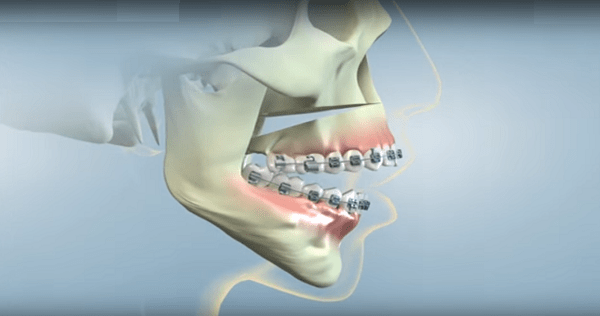
Orthodontics is a specialized branch of dentistry that focuses on diagnosing, preventing, and correcting misaligned teeth and jaws. Epidemiological studies show that 60–75% of adolescents worldwide exhibit some form of malocclusion, while approximately 30–40% of adults could clinically benefit from orthodontic treatment.
The primary goal of orthodontic treatment is not only to enhance the appearance of the smile but also to improve overall oral function, including chewing, speaking, and maintaining long-term dental health. Research indicates that untreated malocclusion can increase the risk of uneven tooth wear, periodontal stress, and temporomandibular discomfort—conditions affecting roughly 5–12% of adults.
Orthodontic appliances, most commonly braces or clear aligners, apply continuous and controlled pressure to teeth—typically between 20 and 150 grams per tooth, depending on the type of movement required. Over time, this pressure stimulates bone remodeling, allowing teeth to move approximately 0.5–1 mm per month into their ideal positions.
Orthodontics is commonly used to correct:
- Crowded teeth (affecting up to 40–60% of patients)
- Gaps or spacing
- Overbites and underbites
- Crossbites (prevalence 8–23%)
- Jaw discrepancies that may affect facial symmetry
In the context of orthodontics in Vietnam, patients have access to the same biological principles and treatment mechanics used in developed countries, often at 40–70% lower overall cost.
See more: Braces near me in Vietnam
How Does Orthodontics Work in Vietnam?
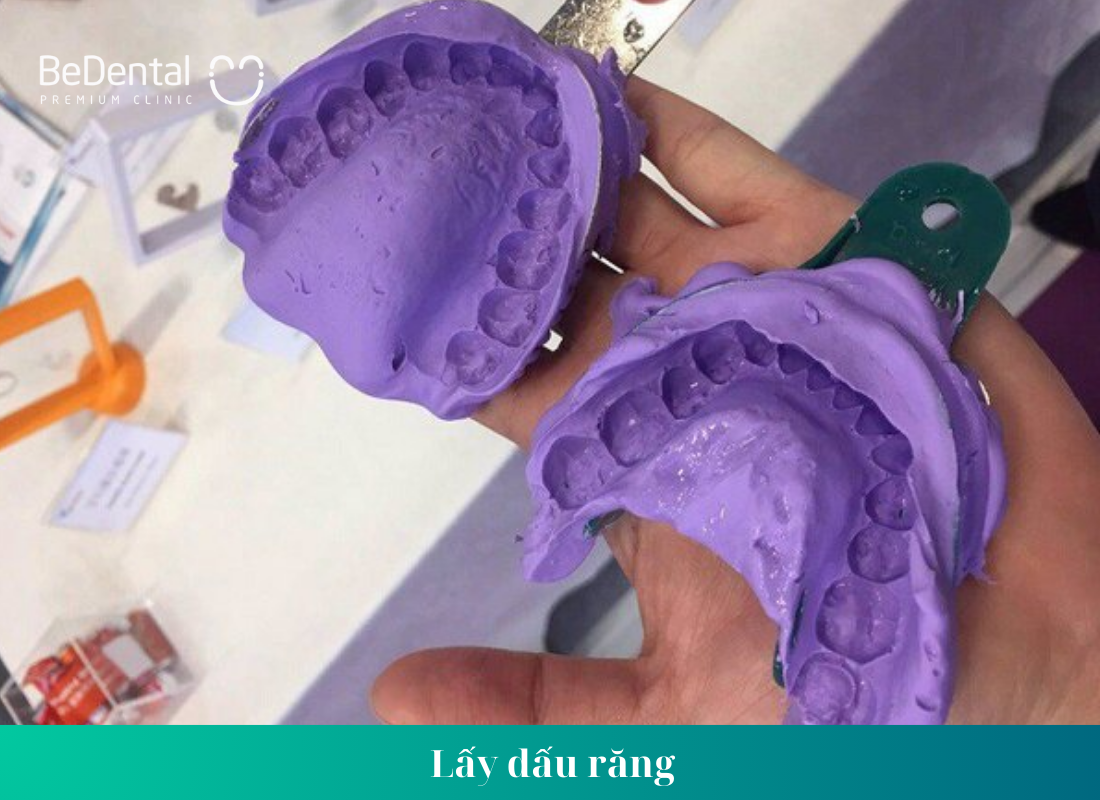
The orthodontic process in Vietnam follows international standards and protocols. The journey usually begins with a comprehensive consultation lasting 30–60 minutes, during which the orthodontist examines the patient’s teeth, bite, jaw structure, and overall oral health.
Digital diagnostics are widely used, including:
- Panoramic and cephalometric X-rays
- 3D CBCT imaging (with accuracy up to 0.1–0.2 mm)
- Intraoral scanning systems capable of capturing thousands of images per second
These tools allow clinicians to develop highly precise treatment plans and simulate tooth movement before appliances are placed.
Once the diagnosis is completed, braces or aligners are selected based on the patient’s needs and preferences. Traditional braces involve bonding brackets to the teeth and connecting them with an archwire. The archwire delivers calibrated force (typically 20–150 grams per tooth) to guide teeth gradually into alignment. Rubber bands (elastics) may be used to correct bite discrepancies, especially in cases involving overjet or crossbite.
The average treatment time for orthodontics in Vietnam typically ranges from 18 months to 3 years, depending on case complexity:
- Mild cases: 6–12 months
- Moderate cases: 12–24 months
- Severe skeletal or bite problems: 24–36 months
Patients usually attend follow-up visits every 4–6 weeks, totaling approximately 12–24 appointments over the course of treatment.
Many modern clinics in Vietnam now use digital orthodontic planning software. Studies suggest digital treatment planning may reduce mid-course corrections by approximately 10–20%, improving accuracy and predictability. Patients can often preview projected results before treatment begins, enhancing transparency and confidence.
See more: Orthodontic Treatment in Vietnam
Who Is a Suitable Candidate for Orthodontics?
Orthodontics in Vietnam is suitable for a wide range of patients, including both children and adults. The most common reasons people seek orthodontic treatment include crowded or crooked teeth, noticeable gaps between teeth, overbite, underbite, crossbite, misaligned jaws, facial asymmetry, and even speech or chewing difficulties caused by poor tooth alignment.
Children and teenagers are often ideal candidates because their jaws are still developing, making it easier to guide tooth movement. However, adults can also benefit significantly from orthodontic treatment. With modern techniques and discreet appliances, adult orthodontics has become increasingly popular in Vietnam.
As long as a patient has healthy teeth and gums, orthodontic treatment can be performed at almost any age.
Types of Orthodontic Treatments in Vietnam
One of the biggest advantages of orthodontics in Vietnam is the wide variety of treatment options available. Patients can choose from traditional and modern solutions depending on their budget, aesthetic expectations, treatment complexity, and lifestyle needs. Below is a detailed comparison table to help clarify the differences:
| Criteria | Metal Braces | Ceramic Braces | Lingual Braces | Self-Ligating Braces (e.g., Damon) | Clear Aligners (e.g., Invisalign, ClearCorrect, local brands) |
| How It Works | Stainless steel brackets and archwires attached to the front of teeth apply continuous pressure for movement. | Similar to metal braces but use tooth-colored or clear brackets. | Brackets bonded to the inner (lingual) surface of the teeth. | Built-in sliding mechanism replaces elastic ties, reducing friction. | Series of removable, transparent trays that gradually shift teeth using digital planning. |
| Aesthetic Level | Low (most noticeable) | Moderate (less noticeable than metal) | Very high (invisible from the front) | Similar to metal or ceramic versions | Very high (nearly invisible) |
| Effectiveness | Highly effective, even for severe malocclusion and complex bite issues | Effective for mild to complex cases | Effective but technique-sensitive; suitable for many cases | Effective for mild to complex cases; may reduce discomfort | Best for mild to moderate cases; some advanced systems handle complex cases |
| Treatment Time | 12–24 months (depending on case) | Similar to metal braces | May be slightly longer due to adjustment complexity | Potentially shorter by 3–6 months in some cases | 6–18 months depending on compliance |
| Cost Level | Most affordable | Higher than metal braces | High | Moderate to high | High |
| Suitable For | Teenagers, complex cases, cost-conscious patients | Adults or image-conscious patients | Professionals, public figures, high aesthetic demand | Patients seeking faster treatment and fewer adjustments | Working professionals, international patients, aesthetic-focused individuals |
Cost of Orthodontics in Vietnam Compared to Europe
One of the main reasons orthodontics in Vietnam attracts international patients is the significant cost advantage. On average, orthodontic treatment in Vietnam costs 50% to 70% less than in Europe or North America.
| Treatment Type | Vietnam (USD) | Europe (USD) | Estimated Savings |
| Metal Braces | 1,200 – 2,500 | 3,500 – 7,000 | 50–65% lower |
| Ceramic Braces | 1,500 – 3,000 | 4,000 – 8,000 | 50–60% lower |
| Lingual Braces | 2,500 – 5,000 | 7,000 – 10,000+ | 50–70% lower |
| Clear Aligners (Invisalign-type) | 2,500 – 5,500 | 4,500 – 9,000+ | 40–60% lower |
Despite these lower costs, the quality of orthodontics in Vietnam remains high due to modern equipment, international training, and strong competition among clinics.
Why Vietnam Is a Leading Destination for Orthodontic Tourism
International-Standard Technology and Clinical Protocols
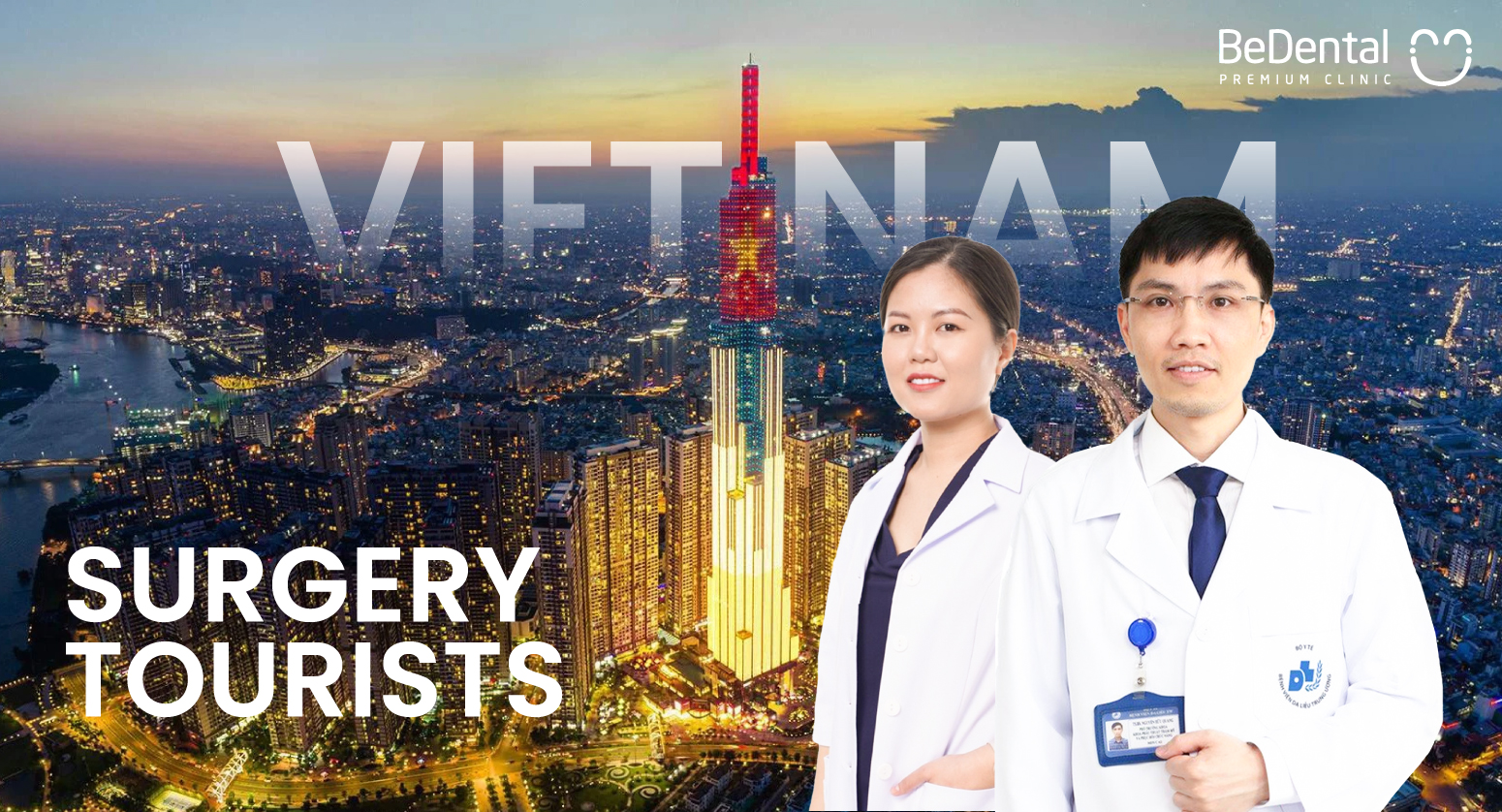
Vietnamese dental clinics—especially in major cities like Hanoi and Ho Chi Minh City—are equipped with:
- Digital panoramic and cephalometric X-rays
- 3D CBCT imaging (accuracy up to 0.1–0.2 mm)
- CAD/CAM restorative systems
- Intraoral scanners capturing thousands of images per second
- Advanced sterilization systems meeting international infection control standards
Modern orthodontic treatment relies on controlled force systems of 20–150 grams per tooth, with adjustment cycles every 4–6 weeks, consistent with global clinical protocols.
Many orthodontists in Vietnam have completed postgraduate education or continuing professional training abroad. International certifications and memberships are increasingly common among leading specialists, contributing to treatment outcomes comparable to those in developed countries.
Shorter Waiting Times Compared to Europe
In several European public healthcare systems, orthodontic waiting lists for subsidized treatment can extend from 3 to 12 months, particularly for adolescents. In contrast, private clinics in Vietnam often offer:
- Initial consultation within 1–7 days
- Treatment planning completed within 1–2 weeks
- Immediate appliance placement once diagnostics are finalized
This faster access significantly reduces treatment initiation delays.
Combined Treatment and Travel Experience
Vietnam is internationally recognized for its tourism appeal, welcoming over 18 million international visitors annually before the pandemic. Patients often combine orthodontic visits with short vacations.
Additional advantages include:
- Affordable accommodation (often 50–70% lower than Western cities)
- Lower daily living costs
- English-speaking healthcare staff in major urban clinics
- Well-developed international airports in Hanoi and Ho Chi Minh City
For patients undergoing long-term orthodontics (typically 18–24 months), scheduled visits every 1–2 months can be coordinated with planned travel.
Benefits of Orthodontics in Vietnam
Orthodontics in Vietnam offers several major advantages, making it an increasingly popular choice for both local and international patients.
1. Affordable Treatment Costs
One of the most significant benefits is cost efficiency. Orthodontic treatment in Vietnam is 40–70% lower than in many Western countries, while maintaining comparable quality standards.
In addition, many clinics provide installment payment plans, allowing patients to divide the total cost into manageable monthly payments. This makes treatment financially accessible to students, young professionals, and families.
2. Advanced Technology and Skilled Specialists

Treatment quality in Vietnam has improved significantly over the past decade. Many reputable clinics now use:
- 3D intraoral scanning
- Digital treatment simulations
- Self-ligating brace systems
- Clear aligner technology
These technologies increase treatment precision, reduce discomfort, and improve long-term stability. Furthermore, many orthodontists are internationally trained or regularly attend global dental conferences to stay updated with modern techniques.
3. Faster Access to Care
Unlike some countries where patients may wait weeks or months for orthodontic appointments, clinics in Vietnam typically offer short waiting times.
Consultations, diagnostics, and treatment initiation can often be completed quickly, allowing patients to begin their orthodontic journey without unnecessary delays.
4. Functional and Aesthetic Improvements
Orthodontic treatment does not only enhance appearance. It also provides long-term oral health benefits, including:
- Improved dental alignment
- Better chewing efficiency
- Clearer speech
- Reduced risk of tooth wear and gum disease
- Increased self-confidence
Proper bite alignment contributes to balanced jaw function and overall dental stability.
Risks of Orthodontics in Vietnam
Like any medical procedure, orthodontics in Vietnam also involves certain risks. Understanding these risks helps patients make informed decisions.
1. Temporary Pain and Discomfort

Mild pain and pressure are common during the first few days after braces are placed or following adjustment appointments. Studies show that approximately 70–95% of orthodontic patients experience some level of soreness.
This occurs because teeth are gradually moving under controlled force—typically between 20 and 150 grams per tooth. The biological response involves temporary inflammation in the periodontal ligament as bone remodeling begins (usually within 24–48 hours).
Typical timeline:
- Pain peaks within 24–48 hours
- Most discomfort lasts 2–3 days
- In some cases, mild sensitivity may persist up to 5–7 days
The discomfort is temporary and can usually be managed with over-the-counter pain relievers and soft foods. Severe or persistent pain beyond one week occurs in a small minority of cases and should be evaluated by the orthodontist.
2. Inconsistent Follow-Up for International Patients
Orthodontic treatment requires regular monitoring and adjustments, usually every 4–6 weeks. International patients who frequently travel may struggle to maintain consistent follow-up visits.
Missed appointments can result in:
- Slower tooth movement
- Extended treatment duration
- Less predictable results
Maintaining a stable treatment schedule is essential for optimal outcomes.
3. Risk of Low-Quality Clinics
While many Vietnamese clinics maintain high standards, selecting a low-quality provider increases the risk of complications. Inadequate diagnosis, improper force application, or outdated techniques can compromise results.
Potential consequences include:
- Prolonged orthodontic duration beyond the expected 18–24 months
- Unstable or relapsed results (relapse rates can reach 20–30% without proper retention protocols)
- Enamel damage due to improper bracket bonding or removal
- Gum inflammation—affecting up to 50–70% of orthodontic patients without proper hygiene and supervision
- Clinically significant root resorption (occurs in 1–5% of cases when poorly managed)
For this reason, patients should carefully select reputable clinics with certified orthodontists, modern equipment, transparent treatment plans, and positive patient reviews.
See more: Does getting braces hurt? Which stage is the most painful?
BeDental – A Reputable and Affordable Clinic for Orthodontics in Vietnam
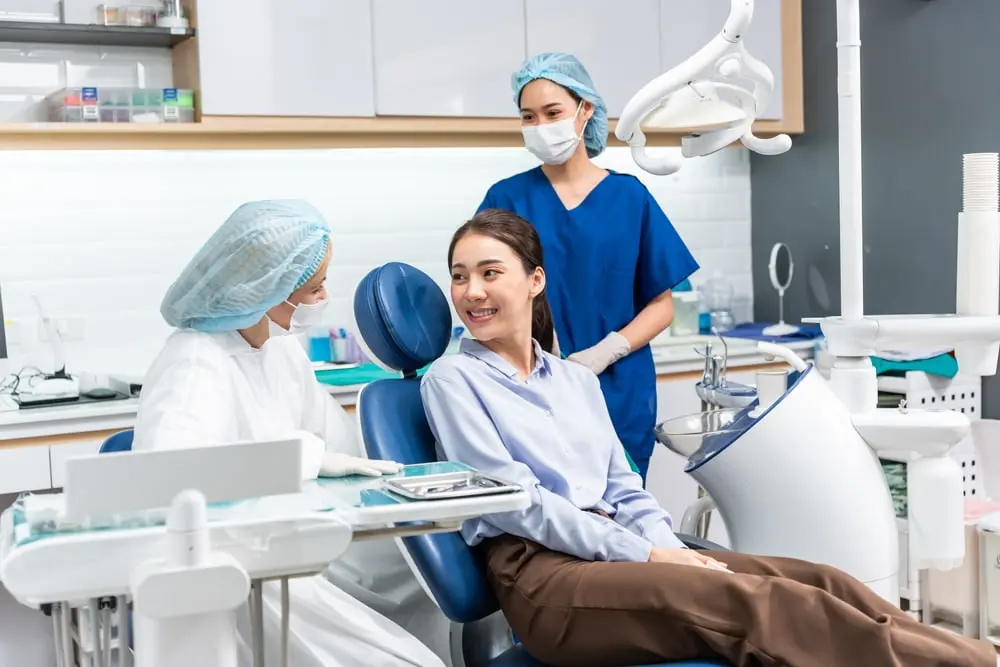
BeDental is one of the leading dental clinics in Vietnam, known for its expertise in orthodontics and comprehensive dental care. With a team of highly skilled specialists and modern facilities, BeDental provides personalized treatment plans that prioritize both functionality and aesthetics.
BeDental has successfully treated thousands of orthodontic cases, ranging from mild misalignment to complex malocclusion requiring full-mouth correction. According to internal clinic data, over 90% of orthodontic patients report satisfaction with their treatment outcomes, particularly in terms of smile aesthetics and bite improvement.
The clinic also maintains a high patient return and referral rate, demonstrating trust and long-term treatment stability.
BeDental is particularly suitable for overseas patients seeking orthodontics in Vietnam. The clinic provides:
- English-speaking dentists and support staff
- Flexible appointment scheduling
- Clear treatment explanations and transparent pricing
- Assistance tailored for dental tourism patients
Vietnam has become an increasingly popular dental tourism destination, with treatment costs typically 50–70% lower than in countries such as the US, Australia, and the UK, while maintaining comparable treatment standards.
Final Thoughts on Orthodontics in Vietnam
Orthodontics in Vietnam has proven to be a reliable, affordable, and high-quality option for anyone seeking to improve their smile. With modern technology, experienced specialists, and significantly lower costs compared to Western countries, Vietnam has positioned itself as a global leader in orthodontic tourism.
Whether you are a local resident or an international patient, orthodontics in Vietnam offers safe, effective, and long-lasting solutions for dental alignment and oral health. By choosing a reputable clinic and following professional guidance, you can achieve a beautiful, healthy smile while enjoying the benefits of world-class care at an accessible price.