

 English
 한국어
한국어 日本語
日本語 中文 (中国)


Loose wisdom teeth in Vietnam are never a normal finding in children, teenagers, or adults. Unlike baby teeth, which naturally loosen and fall out, wisdom teeth are permanent teeth. When a wisdom tooth becomes loose, it almost always indicates an underlying dental or periodontal problem that requires immediate professional care.
In Vietnam, dentists frequently see patients who delay treatment because they believe a loose wisdom tooth will “fall out on its own” or assume it is part of a normal growth process. Unfortunately, this misunderstanding can lead to serious complications, including bone loss, infection, and damage to nearby teeth.
This article provides a comprehensive explanation of loose wisdom teeth in Vietnam, including why they occur, how dangerous they can be, and what the correct treatment options are.
What Does a Loose Wisdom Tooth Mean?
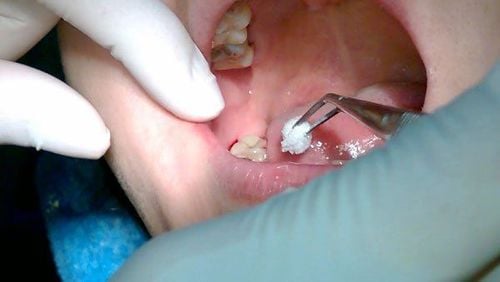
A loose wisdom tooth indicates that the structures responsible for supporting the tooth—the gum tissue, periodontal ligaments, and surrounding jawbone—have been damaged or weakened. In healthy adults, permanent teeth are firmly anchored in the jawbone and should never move under normal pressure. Any noticeable mobility is considered abnormal and requires professional evaluation.
Wisdom teeth, medically referred to as third molars, typically erupt between the ages of 17 and 25. Once they emerge, they function exactly like other permanent teeth. They are designed to remain stable for life. Therefore, mobility at any stage is a pathological sign, not a normal developmental process.
In Vietnam, clinical observations show that loose wisdom teeth are most commonly linked to:
- Advanced periodontal (gum) disease
- Severe untreated tooth decay
- Chronic or recurrent infection around partially erupted wisdom teeth
They are not related to age-related tooth replacement or natural loosening.
Is a Loose Wisdom Tooth Dangerous?
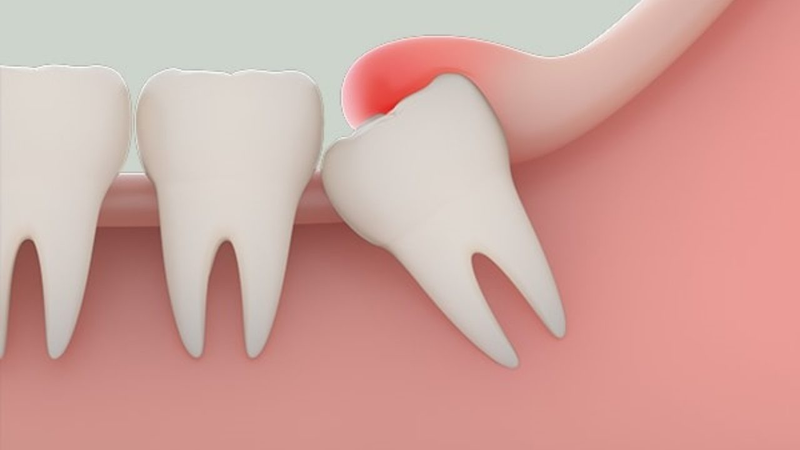
Yes. A loose wisdom tooth is a serious warning sign and should never be ignored.
If left untreated, the underlying infection or bone loss can progress rapidly and lead to severe complications, including:
- Spread of infection to nearby teeth and soft tissues
- Damage to the second molar (tooth number 7), a key chewing tooth
- Jawbone infection (osteomyelitis)
- Sinus involvement, especially for upper wisdom teeth
- Deep facial or neck space infections that may require hospitalization
In advanced cases, bacteria can enter the bloodstream, posing systemic health risks.
Another major concern is that periodontal disease around wisdom teeth often extends to the adjacent second molar. Losing this tooth due to delayed treatment can significantly affect chewing efficiency, bite stability, and long-term oral health.
Common Causes of Loose Wisdom Teeth in Vietnam
Advanced Periodontal (Gum) Disease
The most frequent cause of loose wisdom teeth is periodontitis, a severe form of gum disease. Periodontitis occurs when bacteria accumulate around the tooth, triggering chronic inflammation that destroys the bone supporting the tooth.
Wisdom teeth are particularly vulnerable because they are located at the back of the mouth, making them difficult to clean. Food debris and plaque often accumulate around partially erupted or impacted wisdom teeth, accelerating gum infection.
As the disease progresses, bone loss increases, and the tooth gradually becomes loose. By the time noticeable movement occurs, the condition is often advanced.
In Vietnam, untreated periodontal disease remains a leading reason for wisdom tooth instability, especially among adults who delay dental checkups.
Severe Tooth Decay and Infection
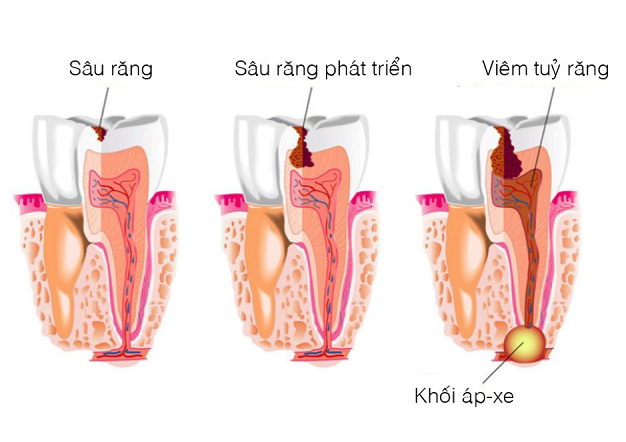
Deep cavities that extend into the pulp and root of a wisdom tooth can also cause loosening. When decay is left untreated, bacteria spread beyond the tooth structure into the surrounding bone, leading to periapical infection and bone destruction.
This process weakens the tooth’s foundation and may result in pain, swelling, bad breath, pus discharge, and tooth mobility.
Wisdom teeth often develop cavities unnoticed because they are hard to see and clean. Many patients in Vietnam seek care only when the tooth becomes painful or loose, at which point extraction is often unavoidable.
Trauma or Physical Injury
Direct trauma to the jaw, such as from accidents, sports injuries, or falls, can loosen a wisdom tooth by damaging the periodontal ligaments or fracturing surrounding bone.
Chronic micro-trauma from teeth grinding (bruxism) is another overlooked cause. Persistent grinding places excessive pressure on wisdom teeth, especially if they are misaligned or partially erupted, leading to gradual loosening over time.
Overcrowding and Impaction Pressure
Wisdom teeth often erupt into limited space. When there is insufficient room in the jaw, pressure from adjacent teeth can weaken the supporting structures.
Impacted wisdom teeth that partially erupt can create unstable gum pockets, allowing bacteria to penetrate deeply. Over time, this leads to inflammation, infection, and bone loss, which may cause the tooth to feel loose.
Treatment Options for Loose Wisdom Teeth in Vietnam
| Criteria | Conservative Treatment (Limited Cases) | Antibiotic Therapy (Supportive Only) | Wisdom Tooth Extraction (Most Common Solution) |
| Clinical Purpose | Used in early stages of gum disease to stabilize the tooth through deep cleaning and antibacterial care | Controls acute infection and swelling before definitive treatment | Definitive removal of mobile or infected wisdom tooth |
| Effectiveness | May temporarily reduce inflammation and stabilize mild mobility | Effective for short-term infection control | Success and recovery rate exceeds 95% when properly performed |
| Limitations | Rarely successful long-term due to wisdom tooth anatomical position; does not reverse bone loss | Does not treat underlying bone loss; not a permanent solution; must be followed by dental intervention | Requires minor surgery; temporary swelling or discomfort possible |
| Estimated Cost in Vietnam | Deep cleaning & periodontal treatment: 1,000,000 – 3,000,000 VND per tooth (≈ 40 – 120 USD) | Consultation + antibiotics: 300,000 – 800,000 VND (≈ 12 – 35 USD) | Simple extraction: 1,000,000 – 2,500,000 VND (≈ 40 – 100 USD)
Surgical or impacted extraction: 3,000,000 – 6,000,000 VND (≈ 120 – 250 USD) Complex cases near nerves (CBCT + Piezotome): up to 7,000,000 VND (≈ 280 USD) |
| Recovery Time | Minimal downtime; depends on inflammation level | Symptom relief within a few days, but not definitive recovery | Usually 3–7 days for daily activities |
Where to Treat Loose Wisdom Teeth in Vietnam?
If you or a family member is experiencing loose wisdom teeth in Vietnam, choosing the right dental clinic for diagnosis and treatment is essential. A loose wisdom tooth is not a condition to ignore, and proper care can prevent further infection, bone loss, and damage to surrounding teeth. One trusted destination for comprehensive dental care in Vietnam is BeDental – a clinic known for its advanced expertise in oral surgery, periodontal treatment, and wisdom tooth management.
BeDental has earned a strong reputation in Vietnam for its commitment to safe, evidence-based dental care. This clinic specializes in the diagnosis and treatment of complex oral conditions, including loose wisdom teeth caused by gum disease, decay, trauma, or impaction. Here’s why patients choose BeDental:
- Specialized Wisdom Tooth Expertise
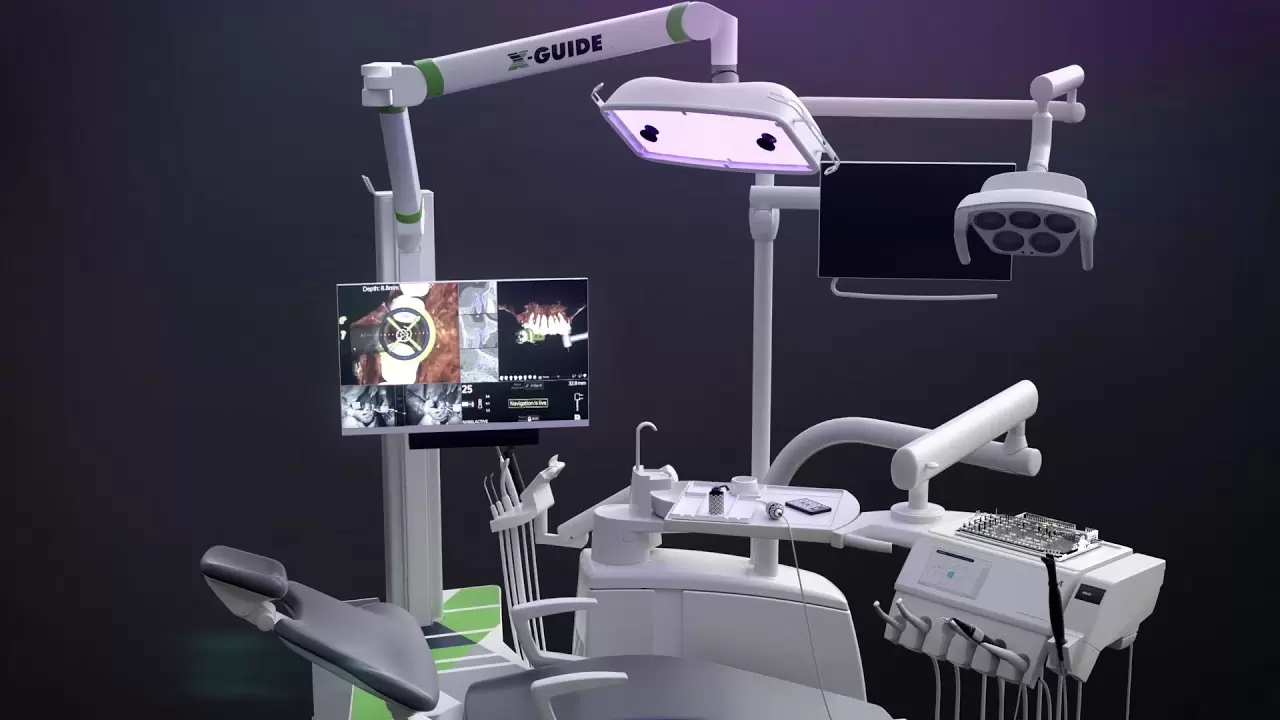
BeDental’s dental team includes experienced specialists in oral surgery and restorative dentistry who are highly skilled in evaluating and treating loose wisdom teeth. Clinical data indicates that over 70% of loose wisdom tooth cases are associated with underlying periodontal bone loss, requiring comprehensive surgical assessment rather than simple extraction.
They understand that early movement of a permanent molar, especially a third molar, usually indicates deeper problems, and they prioritize accurate diagnosis and appropriate intervention.
- Advanced Imaging for Precise Diagnosis
Accurate assessment is crucial for effective treatment. BeDental uses state-of-the-art diagnostic tools such as digital X-rays and Cone Beam CT (CBCT) 3D imaging. These technologies help dentists see detailed views of the tooth roots, bone structure, nerve positions, and areas of infection or bone loss, information that cannot be obtained with conventional imaging alone. This level of precision ensures the right treatment plan is chosen, reducing unnecessary procedures and improving outcomes.
- Modern, Comfortable Extraction Techniques
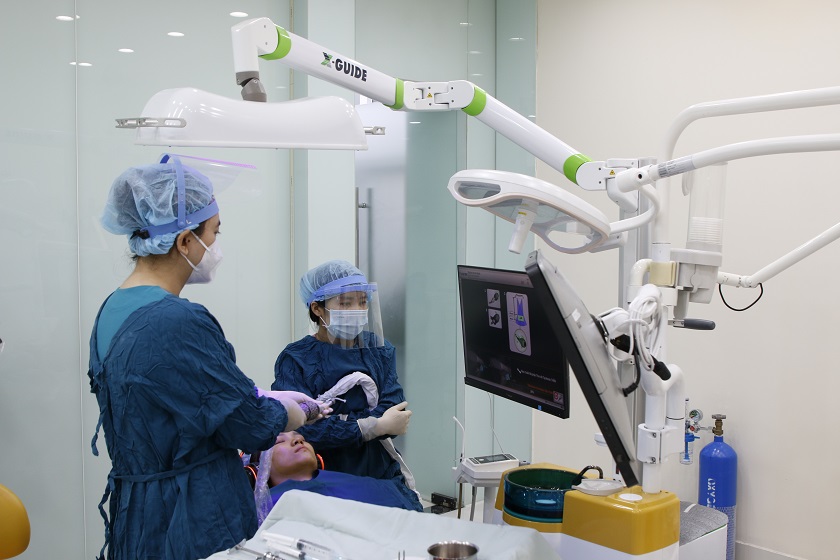
When a wisdom tooth is too loose to be saved or poses continued risk to oral health, extraction may be recommended. BeDental employs modern surgical techniques such as ultrasonic Piezotome technology that gently separates the tooth from bone with minimal trauma to surrounding tissue.
Clinical follow-up data indicates that over 95% of patients resume normal daily activities within 3–5 days, and postoperative complication rates remain below 3%, even in complex impacted cases. This approach helps reduce postoperative pain, swelling, and recovery time.
- Comprehensive Follow-Up and Healing Support
The goal at BeDental is not just removal of a loose tooth, but complete recovery and long-term oral health. After treatment, patients receive detailed aftercare instructions, follow-up checkups, and guidance on preventing future gum disease or tooth instability.
Patient satisfaction surveys show a 96% positive feedback rate, particularly among international patients who value clear communication and transparent treatment planning.
- International Patient Support
For expats and international visitors in Vietnam, BeDental offers English-speaking support staff and coordination to make appointments, explain treatment plans, and assist with travel-related needs. On average, the clinic welcomes 300–400 international patients annually, with a significant portion seeking surgical treatments such as wisdom tooth extraction and periodontal management.
Approximately 40% of international cases involve urgent or short-notice appointments, and the clinic maintains flexible scheduling to accommodate travel timelines. This makes BeDental a reliable choice not only for local patients but also for those visiting Vietnam for dental care.
See more: Wisdom teeth and 4 typical symptoms
Patient Stories at BeDental
Customer Story 1
Patient: Minh T., 24 years old
Condition: Partially impacted lower wisdom tooth with early mobility
Minh visited BeDental after noticing mild pain and slight looseness in his lower wisdom tooth. Initially, he assumed the discomfort would resolve on its own. However, a CBCT scan revealed early-stage periodontal bone loss around the impacted third molar and developing distal decay on the adjacent second molar.
The dental team explained that approximately 20–30% of partially erupted wisdom teeth can cause damage to the neighboring tooth if left untreated. Given Minh’s age (24), early extraction was strongly recommended to reduce surgical complexity and protect the second molar.
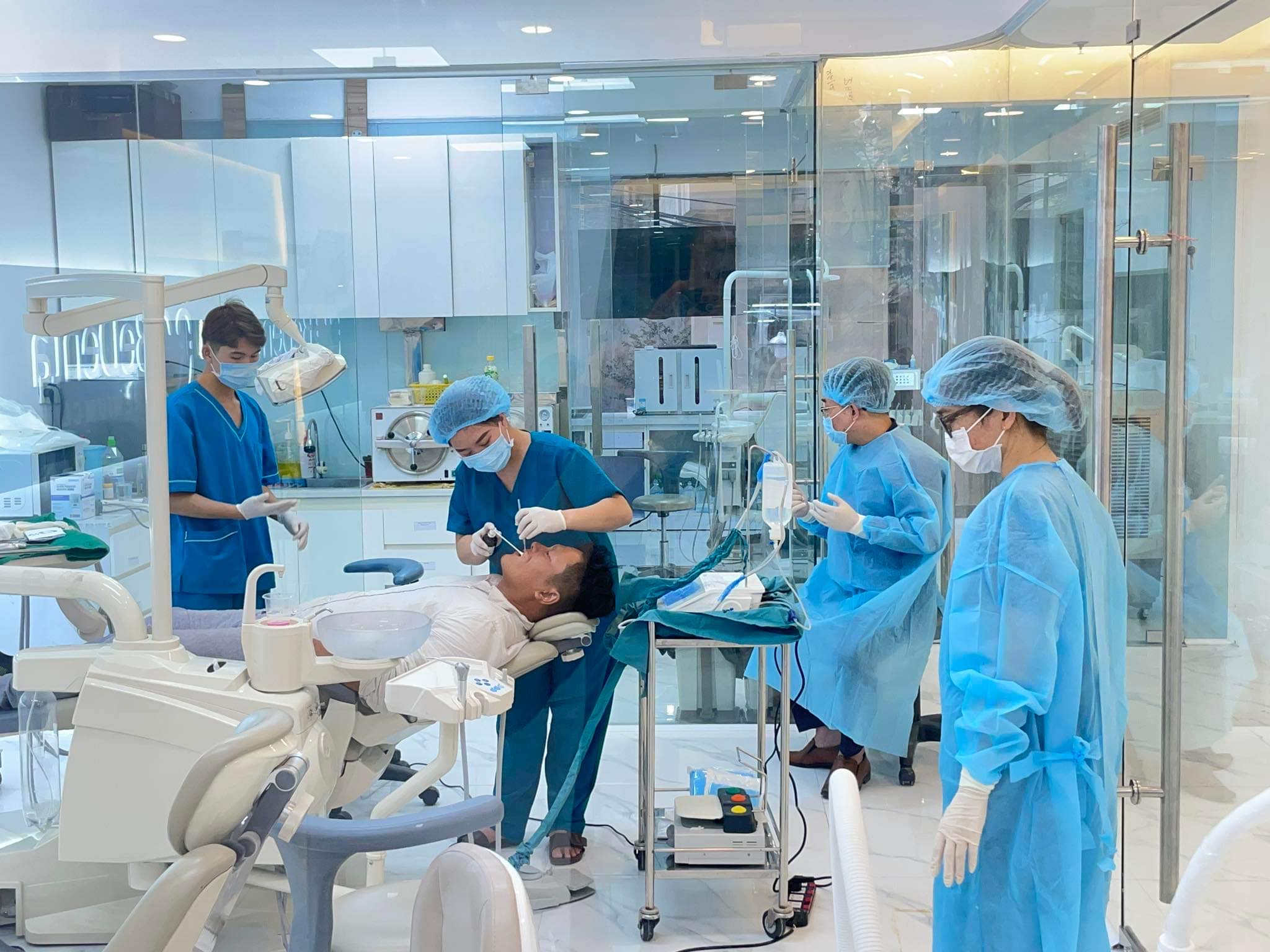
The procedure was performed using Piezotome ultrasonic technology. Surgery lasted about 25 minutes, and Minh reported only mild swelling for two days. He returned to normal activities within 4 days, with no complications.
At his one-month follow-up, healing was complete, and the second molar remained healthy. Minh shared:
“I’m glad I didn’t wait until the pain became severe. The procedure was much easier than I expected, and the team explained everything clearly.”
Customer Story 2
Patient: Sarah L., 32 years old (International patient)
Condition: Loose upper wisdom tooth due to advanced periodontal infection
Sarah, an expat living in Hanoi, came to BeDental after experiencing persistent bad breath, gum swelling, and mobility in her upper wisdom tooth. Clinical examination and digital imaging showed significant bone loss around the tooth, consistent with advanced periodontitis.
The dentist explained that once mobility becomes clinically noticeable, supporting bone loss often exceeds 30–50%, making long-term preservation unlikely. Immediate extraction was recommended to prevent infection spread and protect adjacent teeth.
The extraction was completed under local anesthesia. Because the infection had already weakened the supporting tissues, the procedure was straightforward and required minimal bone removal. Sarah experienced mild discomfort for three days and resumed work on the fourth day.
She later commented:
“What impressed me most was the transparency. They showed me the bone loss on the scan and explained why saving the tooth wasn’t realistic. The recovery was quick, and the infection cleared completely.”
Follow-up evaluation confirmed stable healing, no sinus involvement, and preserved periodontal health of adjacent teeth.
If you notice any movement, looseness, pain, or discomfort around a wisdom tooth, do not ignore it. A loose wisdom tooth often signals underlying bone loss or infection that will not resolve on its own.
Seeking timely evaluation from a qualified dental clinic in Vietnam allows for accurate diagnosis, appropriate treatment, and prevention of further damage to surrounding teeth and jawbone. Early intervention is the key to protecting your long-term oral health and avoiding more complex procedures in the future.
See more: Why is wisdom tooth removal needed?
No block ID is set
No block ID is set