

 English
 한국어
한국어 日本語
日本語 中文 (中国)


Root canal on wisdom teeth in Vietnam: Wisdom teeth, or third molars, are the last set of adult teeth to emerge, typically appearing between the ages of 17 and 25. By this time, jaw growth is usually complete, which explains why eruption problems are common. In fact, studies show that 65–75% of young adults have at least one impacted wisdom tooth, and only about 20–30% erupt fully in proper alignment.
For many people, these teeth remain asymptomatic. However, clinical data indicates that up to 70–80% of individuals experience at least one wisdom tooth–related complication during their lifetime, including pain, infection, decay, or gum inflammation. Deep caries develops in approximately 15–25% of impacted third molars, while partially erupted teeth are associated with pericoronitis in 5–10% of young adults annually.
In this comprehensive guide, we explore the pros and cons of each option, when each is appropriate, and the factors that influence treatment decisions. We also provide insight into wisdom tooth treatment in Vietnam, highlighting why BeDental has become a trusted destination for patients seeking expert care.
Is It Better to Remove Wisdom Teeth or Do a Root Canal on Wisdom Teeth?
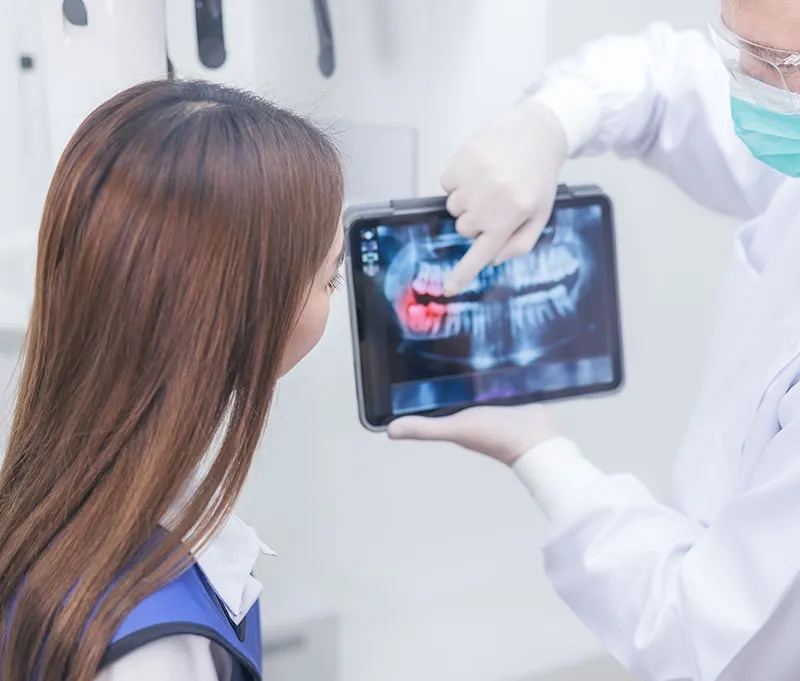
| Aspect | Root Canal on Wisdom Teeth | Wisdom Tooth Extraction |
| Primary Purpose | Focuses on saving the natural tooth by removing infected or inflamed pulp inside the roots while preserving tooth structure. | Permanently removes the problematic tooth to eliminate infection, pain, and future complications. |
| Main Benefits | Preserves natural tooth structure, helping maintain normal chewing function and preventing jawbone loss that typically occurs after extraction. Keeping the natural tooth supports proper bite alignment and may limit the need for future replacements such as implants or bridges. Patients often experience better long-term facial appearance and oral function compared to extraction without replacement. When successful, the treated tooth can function like any other tooth. | Completely eliminates the source of infection in a single solution. Particularly effective for severely decayed, impacted, or overcrowding wisdom teeth. Often completed in one surgical visit, simplifying treatment planning. Prevents further damage to adjacent teeth, gum tissue, and bone that might occur if the compromised tooth remains. |
| Technical Challenges | Wisdom teeth often have complex anatomy with curved or multiple roots and are positioned deep in the mouth. This makes cleaning and shaping more difficult than in other teeth, increasing the risk of residual infection or reinfection. | Surgical complexity varies depending on impaction and position. Removal of deeply impacted teeth may require surgical techniques. |
| Treatment Duration | May require multiple dental visits. Additional restoration such as placement of a crown is often necessary to protect the treated tooth. | Frequently completed in a single procedure, although surgical cases may require follow-up visits for monitoring and recovery. |
| Long-Term Outcome | High success rates overall, but treatment can occasionally fail, requiring retreatment or eventual extraction. | Eliminates recurrence risk at that specific site. However, it results in permanent tooth loss. |
| Functional & Structural Impact | Maintains natural chewing mechanics and helps preserve surrounding bone structure when successful. | May create a gap. While wisdom teeth are not essential for chewing in many patients, removal can affect bite alignment or load distribution in some cases. Without replacement, gradual bone remodeling or shrinkage may occur. |
| Recovery & Risks | Generally minimal surgical recovery compared to extraction, but risk of persistent or recurrent infection exists if treatment is unsuccessful. | Post-extraction recovery may involve discomfort, swelling, and bruising. Rare but important risks include nerve injury or sinus complications depending on tooth location. |
See more: Why is wisdom tooth removal needed?
Factors Influencing Treatment Decisions
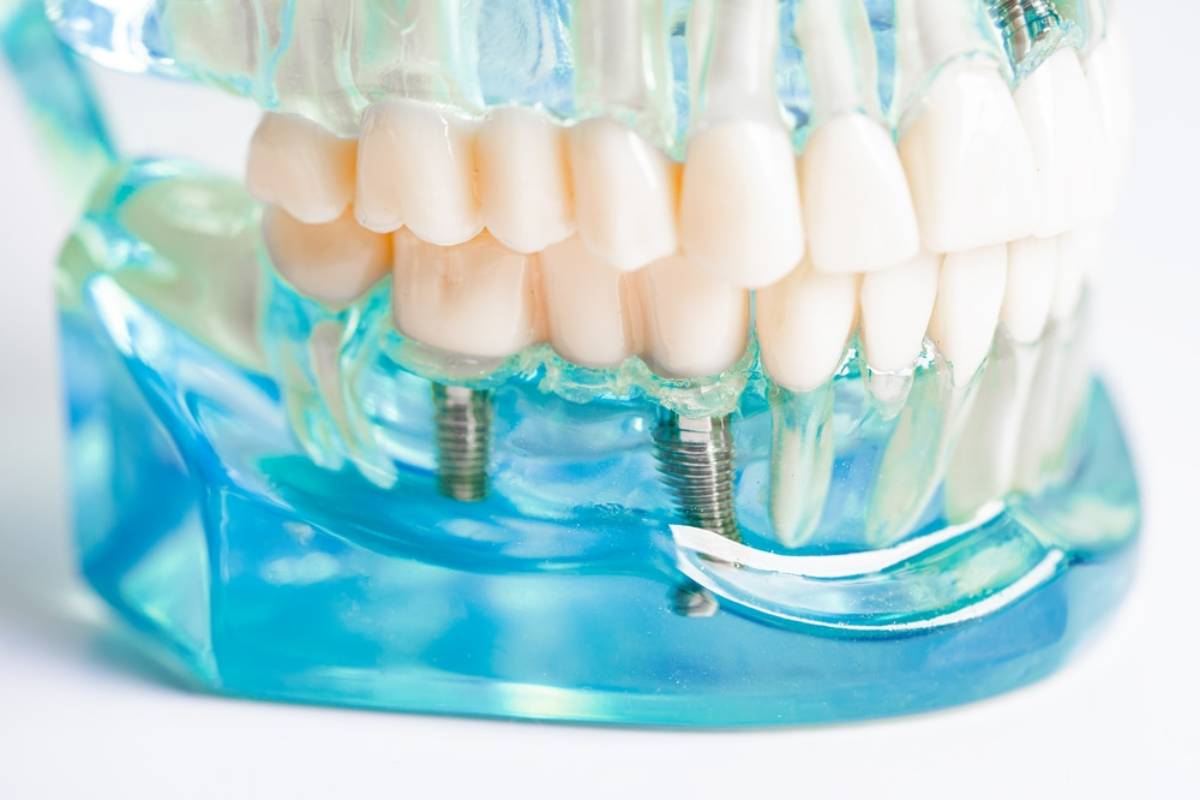
| Factor | Clinical Findings | When Root Canal Is Preferred | When Extraction Is Preferred |
| Age | Under 25 years old | Considered only if tooth is fully erupted, functional, and anatomy is favorable. | Often recommended if tooth is impacted or problematic due to easier healing and lower complication rate. |
| Over 30–35 years old | May be considered if extraction surgery is complex (deep impaction, proximity to nerve). | Recommended if infection is recurrent or tooth is non-functional. | |
| Overall Health & Medical Conditions | Well-controlled systemic health | Root canal may reduce surgical trauma in medically stable patients who prefer preservation. | Extraction acceptable if infection source needs definitive removal. |
| Diabetes (poorly controlled), immunocompromised | May prefer root canal if infection is localized and manageable. | Extraction considered if infection cannot be controlled or spreads. | |
| Anticoagulant therapy | Root canal often safer to avoid surgical bleeding. | Extraction requires strict bleeding control protocol. | |
| Bisphosphonate therapy | Root canal often preferred to reduce risk of osteonecrosis. | Extraction only if absolutely necessary. | |
| Tooth Position & Anatomy | Fully erupted, straight roots, accessible canals | Strong candidate for root canal therapy. | — |
| Impacted, partially erupted, curved or fused roots | Root canal technically difficult or impossible. | Strong indication for extraction. | |
| Functional Role | Properly aligned, contributes to occlusion | Preservation through root canal may maintain chewing efficiency. | — |
| Non-functional or causes crowding | — | Extraction recommended. | |
| Risk of Recurrence / Complications | Single episode of pulp infection | Root canal may resolve infection long-term. | — |
| Recurrent pericoronitis, decay affecting second molar | Root canal does not eliminate gum flap or impaction problem. | Extraction provides definitive long-term solution. |
Where to Treat Root Canal on Wisdom Teeth in Vietnam
Why Choose BeDental

Highly Experienced Dental Team
BeDental’s team of dentists has over 10 years of clinical expertise, particularly in complex wisdom tooth cases. Whether a wisdom tooth is impacted, infected, or partially erupted, the dentists are trained to preserve natural teeth whenever feasible while ensuring long-term oral health and stability.
Each year, BeDental performs 1,500+ wisdom tooth procedures, including surgical extractions and endodontic treatments on complex posterior teeth. Notably, approximately 40% of patients are international clients, reflecting the clinic’s strong reputation among overseas patients seeking high-quality care in Vietnam.
State-of-the-Art Treatment Technology
BeDental employs CAD/CAM 3D technology for the fabrication of crowns and restorations following root canal therapy. This allows for optimal bite alignment, improved aesthetics, and durable results. In many cases, patients can receive a fully restored tooth in a single visit.
Over 70% of international patients opt for same-day crown restorations, minimizing travel time and enabling efficient treatment schedules for those visiting Vietnam for a short stay.
Premium, Internationally Certified Materials
All restorative materials used at BeDental are FDA- and ISO-certified, imported from Germany, the United States, and Japan. These materials ensure high biocompatibility, longevity, and a natural appearance, whether the tooth is preserved through root canal therapy or replaced with a prosthetic after extraction.
Clinical follow-ups show a 97% satisfaction rate among overseas patients regarding aesthetics and functional outcomes.
Multilingual Patient Support
BeDental provides English-speaking dentists and dedicated patient coordinators to guide both local and international patients through every step of treatment. From understanding the risks and benefits of root canal therapy to post-extraction care, patients receive clear explanations and personalized guidance.
The clinic has successfully treated patients from over 25 countries, including Australia, the United States, Canada, South Korea, Singapore, and European nations, with a high percentage returning for follow-up or referring friends and family.
Transparent Treatment Planning
Every patient receives a detailed consultation, including digital treatment simulations when needed. BeDental provides a full breakdown of options, costs, and expected outcomes, helping patients confidently choose between extraction and root canal therapy without any hidden fees.
According to internal patient surveys, over 90% of international patients report high confidence in treatment clarity and cost transparency prior to proceeding.
Long-Term Warranties and Follow-Up
BeDental stands behind its treatments, offering warranties ranging from 5 to 15 years depending on the procedure and materials used. Patients can trust that their wisdom tooth care, whether preservation or extraction, will deliver safe, long-lasting results.
More than 60% of international patients maintain follow-up communication after returning home, supported by digital consultations and remote aftercare guidance.
Customer Stories at BeDental

Maria – 28, Software Engineer from Germany
Maria came to BeDental suffering from severe pain in her lower wisdom teeth. At 28, she was relatively young, which meant her healing potential was high, but she was anxious about preserving her natural teeth while avoiding future complications.
After a thorough assessment, including 3D imaging to evaluate root structure and alignment, the BeDental team recommended extracting the impacted wisdom tooth, which carried a higher risk of long-term problems if left untreated.
Thanks to her age, overall health, and the clinic’s precise surgical approach, Maria experienced minimal discomfort, a fast recovery, and felt confident throughout the process. She was particularly impressed by the clinic’s clear explanations and attentive care at every step.
Mr. Thanh – 68, Local Entrepreneur
Mr. Thanh had a history of recurrent infection around an upper wisdom tooth. Given his age, slower healing potential, and the increased risks associated with surgical extraction, the BeDental team advised that preserving the tooth with a root canal would be the safer option.
Using advanced 3D imaging and digital treatment planning, the procedure was carried out successfully, allowing Mr. Thanh to return to work the next day. He appreciated that his natural tooth was maintained, reducing stress on adjacent teeth, and valued the clinic’s professionalism and careful follow-up, which ensured a smooth and predictable recovery.
In conclusion, the best approach requires a comprehensive dental evaluation, including clinical assessment and advanced imaging.
For patients seeking expert care, Vietnam offers high-quality clinics such as BeDental, where experienced professionals combine technology, skill, and patient-centered care to deliver optimal outcomes.
Whether a patient chooses preservation or extraction, early intervention, careful planning, and professional guidance are key to maintaining long-term oral health and preventing complications.
See more: Wisdom teeth and 4 typical symptoms
No block ID is set
No block ID is set