


 English
 한국어
한국어 日本語
日本語 中文 (中国)


Vietnam Food: Street food in Vietnam represents more than a style of cooking; it reflects how the city itself functions. Sidewalk dining and informal seating transform pavements, alleyways, and street corners into flexible eating spaces. Small plastic stools and low tables allow food to exist wherever people gather, blurring the boundary between public and private space and turning movement into pause.
Most street food stalls operate as family-run businesses, often passed down through generations. Recipes are learned through repetition rather than written instruction, and success depends on consistency, location, and personal relationships with regular customers. This creates a food culture rooted in trust and familiarity rather than branding or scale.
Speed, affordability, and accessibility are essential. Street food is designed to fit into daily schedules—before work, between errands, or late at night. Dishes are prepared quickly, priced modestly, and served without ceremony, making good food available to everyone regardless of income or social status.
Eating on the street is also a social activity. Strangers sit side by side, conversations form naturally, and food becomes a shared experience rather than a private one. In this sense, the street functions as Vietnam’s largest dining room, where everyday life, community, and cuisine intersect continuously.
1. Introduction to Vietnamese Cuisine- Vietnam Food
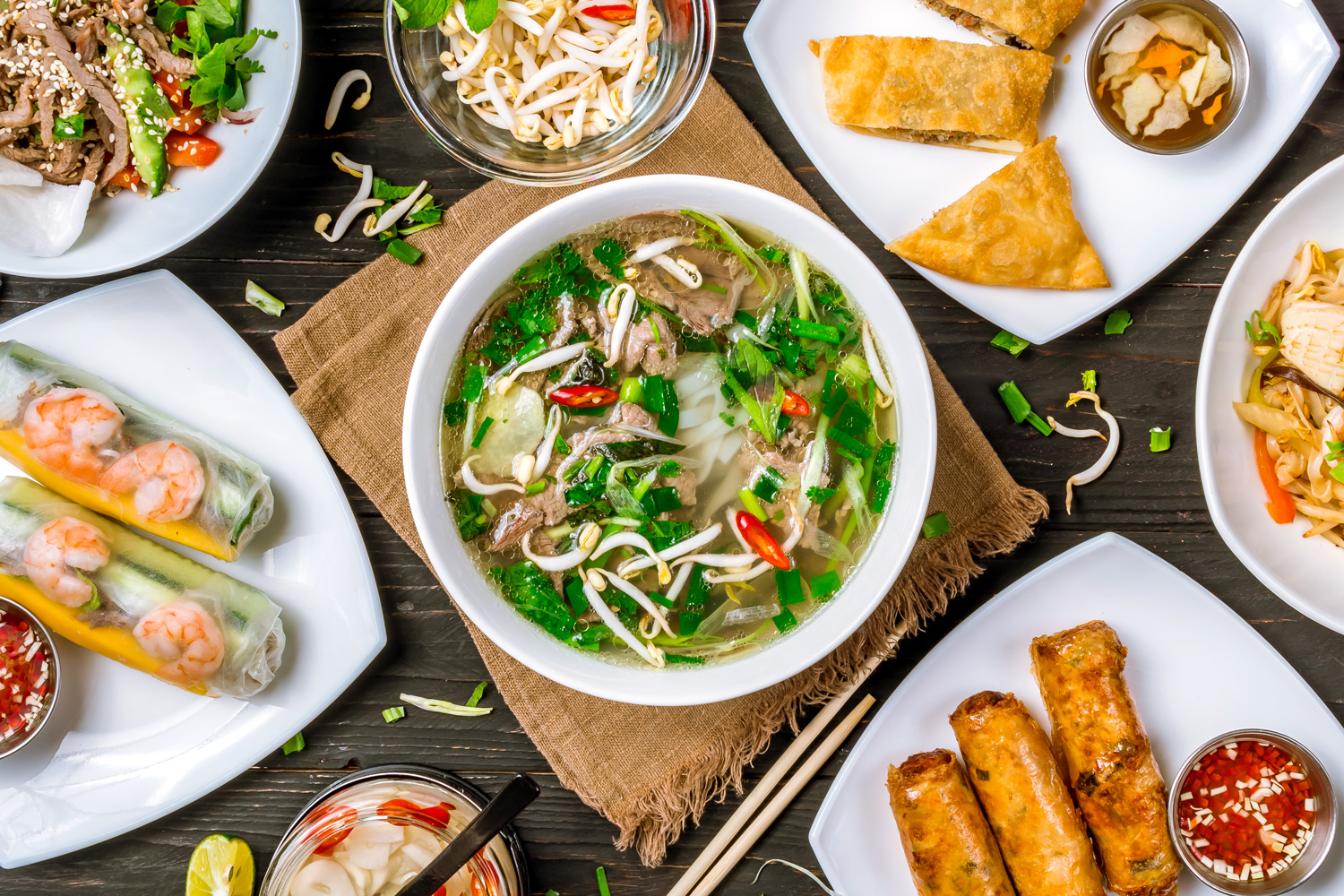
Vietnamese cuisine is built around a core philosophy of balance, aiming to harmonize sweet, sour, salty, bitter, and umami flavors in a single meal rather than allowing one taste to dominate. This balance is not only about flavor but also about nutrition, temperature, and texture, reflecting a holistic approach to eating.
>> See more: Vietnam holiday package: destinations and travel ideas
Fresh herbs and seasonal ingredients play a central role, adding aroma, freshness, and contrast to cooked elements. Instead of heavy sauces, Vietnamese dishes rely on herbs, vegetables, and light broths to create depth while keeping meals refreshing and easy to digest.
At the foundation of the cuisine are rice, noodles, and fish sauce, which appear in almost every meal across regions and social classes. These staples provide consistency while allowing endless variation in preparation and pairing.
Most importantly, food in Vietnam is part of the daily routine rather than reserved for special occasions. Meals are simple, frequent, and shared, reinforcing food as a practical, social, and cultural constant in everyday life rather than a luxury or ceremonial experience.
2. National Iconic Dishes
Vietnamese iconic dishes such as phở, bún chả, bánh mì, and gỏi cuốn take a different approach. They are designed to be eaten frequently, quickly, and flexibly, often on the street or as part of daily routines. Instead of rich sauces or complex preparation, they rely on light broths, fresh herbs, and a small number of well-balanced ingredients.
- Phở, a noodle soup with clear broth, rice noodles, and a small selection of toppings, is eaten at any time of day and serves as a comforting, familiar meal rather than a special treat.
- Bún chả, consisting of grilled pork served with rice noodles, fresh herbs, and dipping sauce, highlights the Vietnamese habit of assembling flavors at the table, allowing each diner to adjust taste and texture.
- Bánh mì represents the successful fusion of Vietnamese ingredients with French influence, combining crusty bread with herbs, pickles, meats, and sauces in a way that is portable, affordable, and deeply local.
- Meanwhile, gỏi cuốn—fresh spring rolls wrapped with herbs, vegetables, and light proteins—illustrates the concept of light eating, where freshness and balance take priority over richness.
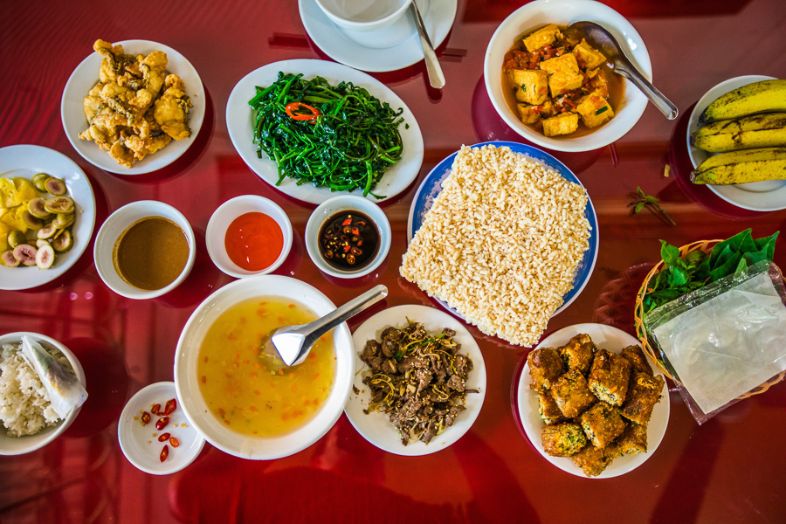
Another key difference lies in participation. Vietnamese meals invite diners to actively adjust flavors—adding herbs, lime, chili, or sauce—rather than consuming a dish exactly as plated. This reflects a food culture that values adaptability over perfection.
Ultimately, while many countries showcase their cuisine through signature “special-occasion” dishes, Vietnam’s most famous foods represent how people eat every day. Their global popularity comes not from luxury or spectacle, but from freshness, balance, and the ease with which they fit into everyday life.
When compared with iconic dishes from other countries, Vietnamese national foods stand out for their simplicity and everyday nature. In Japan, dishes like ramen or sushi are often associated with craftsmanship, specialization, and clearly defined dining contexts. In Thailand, famous dishes such as pad thai or tom yum are known for bold, intense flavors that immediately dominate the palate. French cuisine, meanwhile, emphasizes technique, richness, and structured courses, with meals often framed as formal experiences.
| Aspect | Vietnam | Japan | Thailand | France |
| Iconic dishes | Phở, Bún chả, Bánh mì, Gỏi cuốn | Ramen, Sushi | Pad Thai, Tom Yum | Steak-frites, Coq au vin |
| Flavor profile | Balanced, light, fresh | Clean, precise, umami-focused | Bold, spicy, sour-sweet | Rich, buttery, layered |
| Use of herbs | Central role, eaten fresh | Minimal, mostly garnish | Present but secondary | Rare, mostly dried |
| Cooking complexity | Simple techniques, clear flavors | High craftsmanship | Medium, sauce-driven | Technique-heavy, structured |
| Eating context | Everyday meals, street & home | Defined dining settings | Street food & casual dining | Formal meals, courses |
| Diner interaction | Diners adjust flavors themselves | Dish eaten as served | Limited adjustment | No adjustment expected |
| Cultural meaning | Food as daily routine | Food as craft | Food as sensory impact | Food as art & tradition |
3. Regional Cuisine – Signature Dishes by Region
Northern Vietnam- Flavors and balanced seasoning
Northern Vietnamese cuisine is widely recognized for its subtle flavors and carefully balanced seasoning, reflecting a culinary philosophy that values restraint, clarity, and harmony over intensity. Rather than aiming to impress through strong spices or richness, northern dishes are designed to achieve equilibrium—between ingredients, textures, temperatures, and nutritional elements. This approach mirrors broader northern cultural values, where moderation and refinement are often preferred to excess.
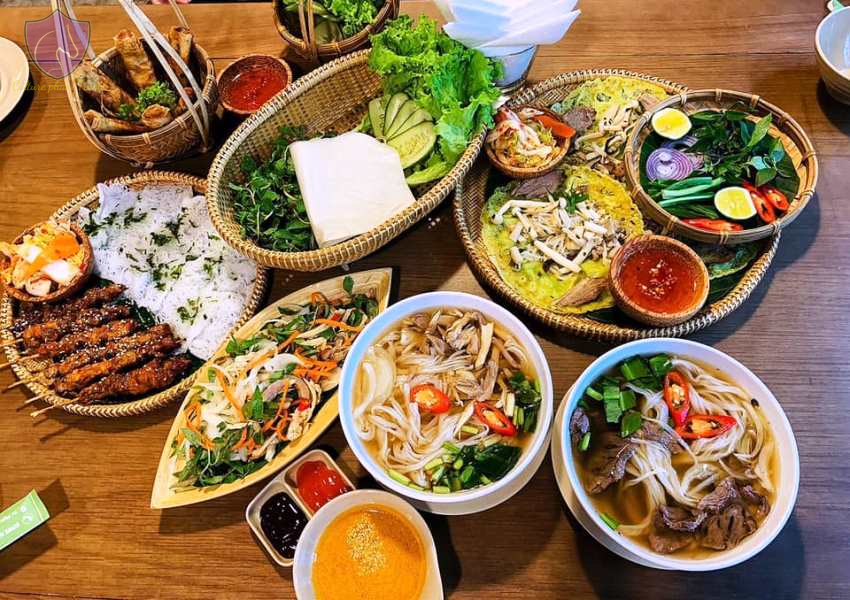
Phở is the clearest expression of this balance. Its broth is light, transparent, and gently aromatic, built from bones and spices used sparingly so that no single flavor dominates. Sweetness, saltiness, and umami coexist quietly, allowing diners to personalize the dish with herbs, lime, or chili if desired. The intention is not to overwhelm the palate, but to create comfort and stability, making phở suitable for daily consumption rather than occasional indulgence.
This philosophy becomes more complex in bún thang, a dish that emphasizes balance through precision and variety. Multiple ingredients—shredded chicken, egg, pork floss, herbs, and clear broth—are prepared separately and assembled carefully. Each element contributes a distinct texture and flavor, yet none is meant to stand out on its own. The dish exemplifies northern culinary discipline, where harmony is achieved through control, proportion, and careful layering rather than bold seasoning.
Similarly, chả cá highlights balance through technique and freshness rather than spice. The grilled fish is lightly seasoned and paired with herbs, scallions, and turmeric, creating contrast between richness and freshness. The dish relies on timing, temperature, and interaction at the table, allowing diners to adjust their bites with herbs and condiments. This reinforces the northern idea that balance is not fixed in the kitchen, but completed by the eater.
Overall, northern cuisine treats balance as a guiding principle rather than a flavor outcome alone. It reflects a worldview in which food should support daily life—physically and mentally—by being gentle, adaptable, and quietly satisfying.
Central Vietnam – Stronger Flavors and Layered Intensity
Central Vietnamese cuisine is defined by stronger, more concentrated flavors, shaped by a challenging climate, limited agricultural land, and a history tied to royal and ceremonial traditions. Unlike the subtle restraint of the north, balance in central cooking is achieved through contrast and intensity, where spicy, salty, and savory elements coexist in carefully measured proportions.
Bún bò Huế is the most representative example of this approach. Its broth is deep and complex, combining chili oil, fermented shrimp paste, and slow-simmered bones to create layers of heat, saltiness, and umami. Rather than overwhelming the palate, these bold components are structured to complement one another, reflecting the influence of imperial cuisine, where dishes were designed to stimulate the senses while maintaining control and refinement.
Balance in central cuisine also appears in more economical forms, such as mì Quảng. Served with minimal broth, the dish relies on contrast rather than liquid richness—soft noodles, crunchy peanuts, fresh herbs, and proteins like pork or shrimp are brought together in a single bowl. This composition reflects regional creativity shaped by scarcity, where limited resources encouraged careful portioning and ceremonial presentation, even in everyday food.
In Central Vietnam, balance is not about lightness, but about managing intensity, ensuring that strong flavors remain harmonious rather than chaotic.
Southern Vietnam – Sweetness, Abundance, and Culinary Openness
Southern Vietnamese cuisine is characterized by a naturally sweeter flavor profile and an abundance of ingredients, reflecting the fertile land and warm climate of the Mekong Delta. Balance in the south is achieved through generosity—combining sweetness, richness, freshness, and acidity in ways that feel relaxed rather than restrained.
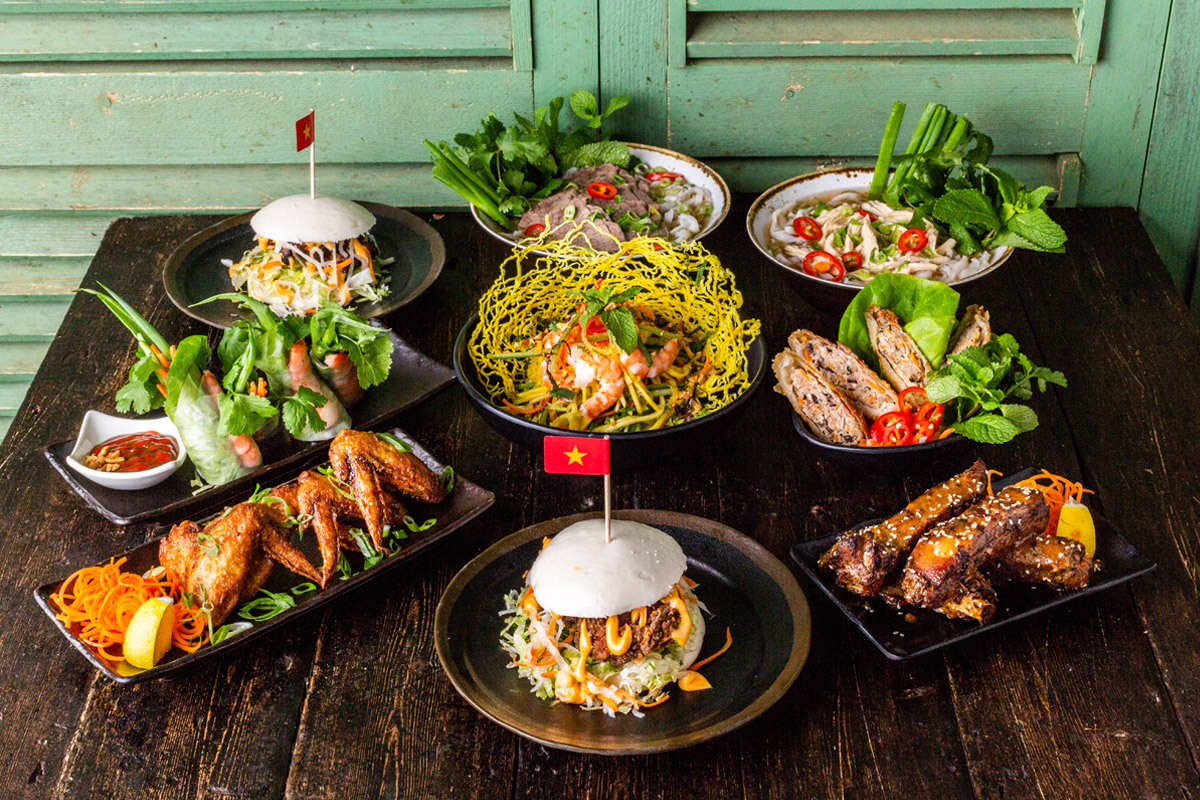
Cơm tấm, originally a working-class dish, exemplifies this philosophy. Broken rice is paired with grilled pork, pickled vegetables, and a sweet-savory fish sauce, creating a balanced meal that is filling yet approachable. The sweetness does not dominate but softens salty and smoky elements, reflecting a southern preference for comfort and accessibility in daily meals.
Similarly, hủ tiếu demonstrates the region’s openness and adaptability. With flexible broth styles and a wide range of toppings influenced by Chinese and Cambodian communities, the dish allows for personal preference and variation. This adaptability highlights how southern cuisine embraces external influences while maintaining its core identity.
Overall, balance in southern cooking comes from abundance and flexibility, where flavor harmony is achieved through variety and openness rather than strict control.
4. Street Food Culture
Street food in Vietnam represents more than a style of cooking; it reflects how the city itself functions. Sidewalk dining and informal seating transform pavements, alleyways, and street corners into flexible eating spaces. Small plastic stools and low tables allow food to exist wherever people gather, blurring the boundary between public and private space and turning movement into pause.
>>> See more: Hanoi walking tour: old quarter route and highlights
Most street food stalls operate as family-run businesses, often passed down through generations. Recipes are learned through repetition rather than written instruction, and success depends on consistency, location, and personal relationships with regular customers. This creates a food culture rooted in trust and familiarity rather than branding or scale.
Speed, affordability, and accessibility are essential. Street food is designed to fit into daily schedules—before work, between errands, or late at night. Dishes are prepared quickly, priced modestly, and served without ceremony, making good food available to everyone regardless of income or social status.
Eating on the street is also a social activity. Strangers sit side by side, conversations form naturally, and food becomes a shared experience rather than a private one. In this sense, the street functions as Vietnam’s largest dining room, where everyday life, community, and cuisine intersect continuously.
Conclusion
Vietnamese cuisine offers a clear reflection of how people live, think, and interact with their environment. Rather than focusing on luxury or formal dining, food in Vietnam is shaped by balance, adaptability, and daily practicality. Meals are designed to be eaten frequently, shared easily, and adjusted to individual taste, making food an integral part of everyday rhythm rather than a special occasion.
From subtle northern flavors to the bold intensity of central dishes and the generous sweetness of southern cuisine, Vietnamese food reveals how geography, climate, and history influence taste. Street food, home cooking, and iconic national dishes together form a connected system that prioritizes freshness, accessibility, and social connection. This guide explores Vietnamese cuisine not only as a collection of dishes, but as a cultural language expressed through eating habits, ingredients, and shared spaces.
BeDental – A Leading Dental Clinic for International Travelers in Vietnam
BeDental offers high-quality dental services for international travelers visiting Vietnam, combining modern technology with experienced dentists. Our services include general and cosmetic dentistry, dental implants, teeth whitening, and smile makeovers, all performed to international standards.
Designed for tourists, BeDental provides flexible appointments, English-speaking staff, and personalized treatment plans that fit travel schedules. With competitive pricing and convenient locations, BeDental allows visitors to improve their smile while enjoying their trip to Vietnam.