
Dental Knowledge
Fake Canine Teeth in Vietnam – Why Are Fake Canine Teeth Popular Among Young People?
Th1

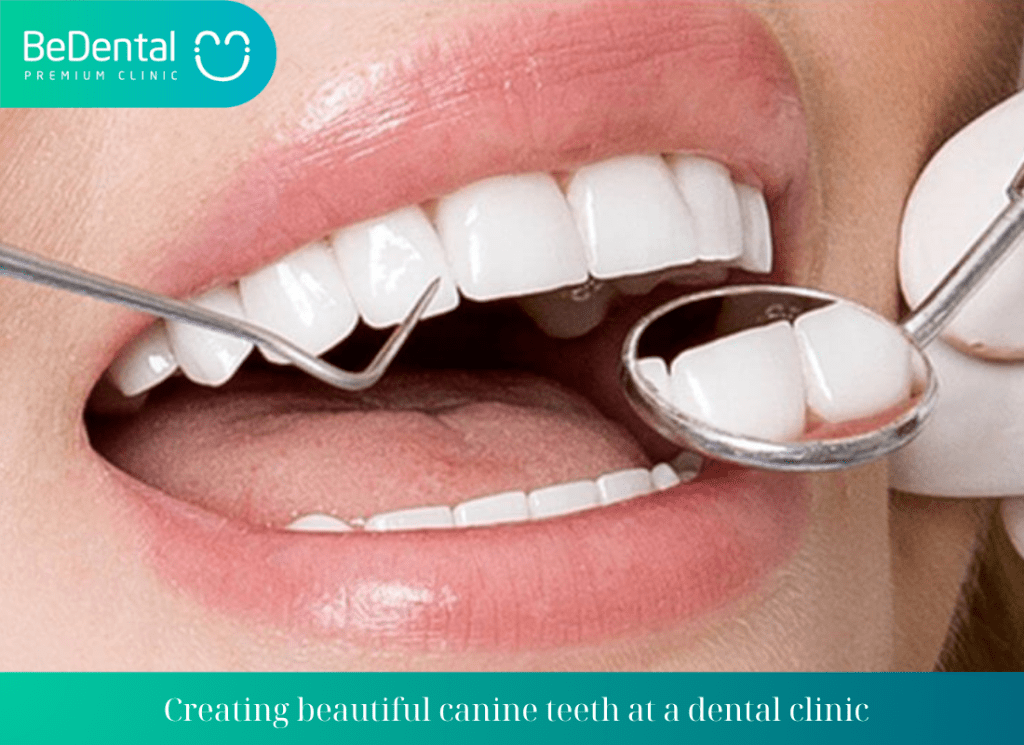
Fake canine teeth in Vietnam are becoming an increasingly popular dental solution for people who want to improve their smile aesthetics or restore damaged canine teeth. Whether for cosmetic enhancement or functional support, fake canine teeth offer a practical option to correct issues such as chipped, worn, or missing canines.
With the advancement of modern dentistry in Vietnam, patients now have access to safe, customized, and natural-looking solutions that meet professional dental standards while remaining cost-effective.
What is a Canine Tooth?
The canine, also known as the cuspid, is a tooth located in all four quadrants of the mouth as the third tooth from the midline (central incisor > lateral incisor > canine). It is a sharp tooth with a single cusp, designed to tear or pierce food. Humans have four canine teeth: two maxillary (upper), left and right, and two mandibular (lower), left and right.
As is typical of the anatomy of all single-rooted teeth, canines have a crown, a neck, and a root. The root is the portion that anchors to the bone through the dental supporting tissues (e.g. the periodontal ligament). The outer surface of the crown is covered by a layer of enamel that coats the underlying dentin.
Should You Get Fake Canine Teeth in Vietnam?
Fake canine teeth have become a popular cosmetic dental trend in Vietnam, especially among young people who admire the subtle charm and distinctive look that crooked canines can create.
If your natural teeth are already straight, healthy, and well-aligned, dental professionals generally do not recommend intentionally creating fake canine teeth.
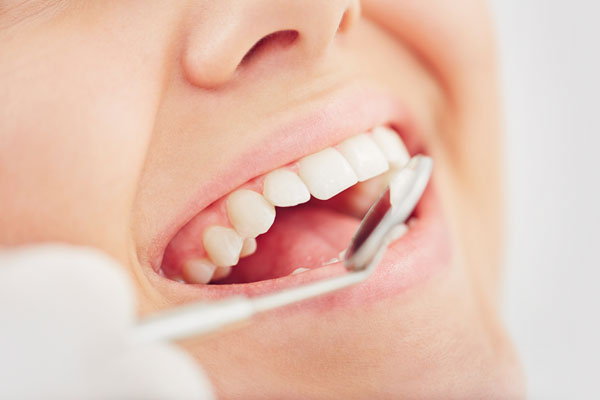
Crooked canines are often associated with a gentle charm and a unique smile, which is why many people wish to have one.
However, from a dental perspective, not everyone is suitable for fake canine teeth in Vietnam. Certain facial structures and mouth shapes appear more balanced and attractive with a straight, even dental arch.
According to international dental associations, unnecessary alteration of healthy teeth—especially procedures that involve enamel reduction, such as porcelain crowning—may gradually reduce chewing efficiency and increase long-term sensitivity, even when performed by experienced dentists using high-quality materials.
Risks of Getting Fake Canine Teeth at Unreliable Clinics
Choosing an unqualified dental clinic for fake canine teeth in Vietnam can lead to a range of aesthetic and medical complications. Because cosmetic dental procedures often involve irreversible changes to natural teeth, poor technique or low-quality materials can have long-term consequences that are difficult to correct.
Poor Aesthetic Compatibility
One of the most immediate risks is an unnatural appearance. Fake canine teeth that are poorly designed may not match the size, shape, or color of surrounding teeth. This can disrupt the balance of the smile and affect overall facial harmony.
In many cases, improperly shaped canines may appear too sharp, too bulky, or misaligned with the dental arch. Instead of enhancing the smile, this can make dental work more noticeable and reduce patient confidence.
Excessive Tooth Reduction
To place crowns or cosmetic restorations, some level of tooth preparation is required. However, inexperienced practitioners may remove too much natural tooth structure during the process.
Excessive grinding weakens the tooth, reduces its lifespan, and increases the risk of sensitivity or future complications. Since enamel does not regenerate, any unnecessary removal is permanent and may lead to the need for more complex treatments later.
Gum Irritation and Allergic Reactions
Low-quality or uncertified materials can negatively affect the surrounding gum tissue. Patients may experience redness, swelling, or discomfort shortly after the procedure. In some cases, allergic reactions may occur, especially if materials are not biocompatible. Long-term irritation can also contribute to gum recession, exposing the tooth root and increasing sensitivity.
Gingivitis and Oral Diseases
Improperly fitted crowns or bridges can create small gaps between the restoration and the natural tooth. These spaces are difficult to clean and can become a breeding ground for bacteria. Over time, this can lead to conditions such as Gingivitis and Periodontitis. Patients may also experience persistent bad breath, bleeding gums, and gradual damage to the supporting structures of the teeth.
Bite Misalignment and Functional Issues
If fake canine teeth are not properly aligned, they can interfere with the natural bite. Since canines play a key role in guiding jaw movement, even small inaccuracies can cause uneven pressure during chewing.
This may lead to:
- Discomfort when biting
- Increased wear on other teeth
- Jaw fatigue or pain over time
In severe cases, it can contribute to long-term bite problems and affect overall oral function.
Increased Risk of Infection and Pulp Damage
Poorly performed procedures can allow bacteria to penetrate deeper into the tooth. If the inner pulp becomes affected, it may result in pain, inflammation, or infection requiring root canal treatment.
This risk is higher when:
- Tooth preparation is too aggressive
- Sealing of the crown is inadequate
- Sterilization standards are not properly followed
Costly Corrections and Long-Term Complications
Fixing poorly done cosmetic dental work is often more complex and expensive than the original procedure. Patients may require replacement crowns, gum treatment, or even implants if the natural tooth cannot be preserved.
What initially seems like a low-cost option can ultimately result in higher long-term expenses and additional discomfort.
Is Getting Fake Canine Teeth Painful?
When considering fake canine teeth in Vietnam, one of the most common concerns patients have is whether the procedure is painful.
According to dental associations and clinical guidelines, modern dentistry has significantly reduced discomfort during cosmetic and restorative treatments, including fake canine teeth.

Does the Procedure Cause Pain?
In most cases, getting fake canine teeth is not painful. Dentists use local anesthesia during any step that may cause discomfort, such as tooth preparation or minor gum adjustments. Patients typically feel pressure or vibration rather than pain.
Once the anesthesia wears off, mild soreness or sensitivity may occur, but it is usually manageable and temporary.
Pain Level During Different Treatment Stages
For patients choosing fake canine teeth in Vietnam, discomfort levels vary slightly depending on the treatment method. During tooth preparation, the dentist reshapes the natural tooth to ensure a proper fit for the crown or veneer. This step is performed under local anesthesia, so pain is minimal.
Taking impressions or digital scans is painless. When the fake canine tooth is placed, patients may feel slight pressure as the dentist checks fit and bite alignment.
After the Procedure: What to Expect
Some patients experience mild tooth sensitivity or gum tenderness for a few days after the treatment. This is a normal response as the mouth adapts to the new restoration. According to dental professionals, these symptoms typically subside within one week.
Pain relief medication is rarely needed, but if discomfort occurs, dentists may recommend over-the-counter pain relievers that are safe for dental recovery.
Factors That Affect Pain Perception
Pain tolerance differs from person to person, but several factors can influence comfort when getting fake canine teeth in Vietnam. These include the condition of the natural tooth, gum health, whether nerve treatment is required, and the dentist’s experience. Reputable clinics using modern equipment and precise techniques greatly reduce discomfort.
See more: Periodontal disease
Why Are Fake Canine Teeth Popular Among Young People?
Fake canine teeth are especially popular among younger generations due to their perceived aesthetic and symbolic value. This trend originated in Japan and gradually spread across Asia, Europe, and North America, becoming a cosmetic dental service sought after by many young adults.

Fake canine teeth help create a focal point in the smile and can subtly change facial appearance. In many Asian cultures, crooked canines are believed to bring good luck, happiness, and success in life and career.
Modern dental techniques allow fake canine teeth to be created quickly and safely, delivering high aesthetic results without damaging surrounding teeth or gums when performed correctly.
Two Common Methods for Creating Fake Canine Teeth
Depending on personal needs and budget, patients typically choose one of two popular methods for fake canine teeth: cosmetic composite bonding or porcelain crowns.
Cosmetic Composite Bonding
This method involves adding composite resin to the natural tooth to create the appearance of a canine. The dentist shapes the material, then hardens it using a curing light.
Advantages
- Very affordable, often costing less than one million VND
- Quick procedure
- Reversible, allowing patients to return to their natural smile if desired
Disadvantages
- Moderate durability, typically lasting 3–5 years depending on oral care
- Risk of detachment if performed by an inexperienced dentist
- Higher risk of tooth decay and gum disease if oral hygiene is not maintained meticulously
Dental associations emphasize that composite bonding requires strict oral hygiene to prevent plaque buildup and bacterial infection.
See more: How to deal with loose dentures
According to Bedental Clinic, our internal clinical records reveal a 22% year-over-year increase in requests for “fake canine” enhancements, with Gen Z (ages 18–25) accounting for 68% of these cases.
While many patients initially consider composite bonding for its flexibility, 55% ultimately choose porcelain crowns to ensure a lifespan exceeding 15 years. Notably, 15% of our monthly procedures involve correcting complications from unlicensed beauty spas, highlighting the importance of our 99.2% clinical success rate in maintaining both aesthetics and oral health.
Porcelain Crowns for Fake Canine Teeth
Porcelain crowning is a more complex but long-lasting option. The natural tooth is slightly reduced to create a base, then covered with a custom-designed crown system that creates the protruding canine appearance.

Advantages
- Fully customizable size, shape, and spacing
- Natural tooth color that closely resembles real teeth
- Strong chewing ability without risk of detachment
- High durability, lasting 10–15 years or longer with proper care
Disadvantages
- Higher cost compared to composite bonding
- Requires advanced technical skill and professional expertise
According to dental associations, this method should only be performed by qualified dentists to avoid irreversible damage to natural teeth.
| Method | Best For | Procedure Complexity | Durability | Reversible | Aesthetic Quality | Chewing Function | Estimated Cost (Vietnam) | Maintenance Needs | Key Risks / Limitations |
|---|---|---|---|---|---|---|---|---|---|
| Composite Bonding | Minor cosmetic enhancement, reshaping small canines | Low (non-invasive, done in 1 visit) | 3–5 years | Yes | Good (but may stain over time) | Moderate (not ideal for heavy biting) | 500,000 – 2,000,000 VND ($20–80) | Avoid staining foods, regular polishing | Chipping, discoloration, shorter lifespan |
| Porcelain Crown | Long-term aesthetic correction, reshaping prominent canines | Medium–High (requires tooth reduction) | 10–15+ years | No | Excellent (natural translucency) | Strong (handles normal chewing) | 3,000,000 – 7,000,000 VND ($120–270) | Regular check-ups, good oral hygiene | Irreversible enamel removal, risk if poorly fitted |
| Removable Fake Canine | Temporary cosmetic use (events, photos) | Very low (no dental procedure) | Short-term (days to months) | Yes | Moderate (less natural look) | Very limited (not for chewing) | 200,000 – 1,000,000 VND ($8–40) | Daily cleaning required | Easily falls off, hygiene risks, discomfort |
| Implant-Supported Canine | Missing or extracted canine tooth | High (surgical placement required) | 20+ years | No | Excellent (closest to natural tooth) | Very strong (full chewing function) | 13,000,000 – 35,000,000 VND ($500–1350) | Long-term care + periodic check-ups | High cost, requires sufficient bone, healing time |
See more: How to remove dental gems
Important Care Tips After Getting Fake Canine Teeth in Vietnam
Proper care is essential to maintain both the appearance and function of fake canine teeth. Whether your fake canine teeth are crowns, veneers, or implant-supported restorations, following correct care guidelines helps extend their lifespan and protects your overall oral health.

- Maintain daily oral hygiene: Brush at least twice a day using a soft-bristled toothbrush and non-abrasive toothpaste. This helps prevent plaque buildup around fake canine teeth and protects the surrounding natural teeth and gums.
- Floss carefully around the canine area: Flossing once a day removes food particles and bacteria from areas a toothbrush cannot reach. Special care should be taken when flossing around fake canine teeth to avoid gum irritation while keeping the area clean.
- Avoid biting hard objects: Refrain from biting ice, hard candy, pens, or fingernails. Excessive force can cause chipping or loosening, especially for ceramic-based fake canine teeth in Vietnam.
- Limit staining foods and drinks: Coffee, tea, red wine, and dark-colored foods can stain dental restorations over time. Reducing these items helps keep fake canine teeth looking natural and bright.
- Use a night guard if needed: Patients who grind or clench their teeth should wear a custom night guard, prevents excessive pressure that may damage fake canine teeth during sleep.
- Schedule regular dental checkups: Visiting the dentist every six months allows early detection of wear, loosening or gum issues, ensuring timely maintenance and adjustments.
- Avoid smoking and tobacco products: Smoking increases the risk of gum disease and discoloration, which can negatively affect the longevity and appearance of fake canine teeth.
- Follow professional advice strictly: Each type of fake canine tooth may have specific care instructions. Always follow your dentist’s recommendations to maintain the durability and function of fake canine teeth in Vietnam.
The price for fake canine teeth in Vietnam
The cost of fake canine teeth varies widely depending on the restoration method, materials used, and whether the solution is removable or permanent.
For basic options, removable plastic fake canine teeth are the most affordable choice, with prices starting at approximately 300,000 VND (11,50 USD) per tooth. These are typically used for temporary aesthetic purposes.
For more durable solutions, removable partial dentures cost several million VND, depending on the design and materials, especially those supported by dental implants, require a higher investment. A full implant restoration—including the implant post, abutment, and crown—usually ranges from 8,000,000 VND to over 20,000,000 VND (310 to 770 USD) per tooth.
The final price depends on factors such as the implant brand, the dentist’s expertise, and the type of crown material, with premium options like zirconia costing more. Compared with many Western or developed countries, the cost of fake canine teeth in Vietnam is often significantly more affordable:
- In the United States or Australia, a single quality crown (which is one of the common methods for fake canine teeth) can cost $1,000 to $2,000 USD or more (roughly 23,000,000–46,000,000 VND) at private clinics.
- Even premium materials like zirconia or E.max crowns, which are sometimes used for aesthetically pleasing fake canine teeth, are typically priced higher overseas than similar treatments in Vietnam, where cost per crown often falls in a lower range.
This pricing difference makes fake canine teeth in Vietnam appealing for both local patients and international dental tourists who seek quality cosmetic dental work at lower prices without compromising clinical standards.
See more: Signs of exposed porcelain teeth
Customer Story: From Trend Curiosity to a Confident Smile
Linh, a 22-year-old university student in Hanoi, first became interested in fake canine teeth after seeing the trend on social media. She liked the slightly “crooked canine” look, which she felt made smiles more charming and unique.
“At first, I just wanted something subtle to make my smile stand out,” Linh shared. “A lot of my friends were doing it, and it looked really cute.”
However, while researching options, Linh came across many mixed reviews. Some people reported unnatural results, while others experienced sensitivity and gum irritation after getting fake canine teeth at low-cost beauty spas.
“I almost chose a cheap place because it was quick and affordable,” she admitted. “But after reading about risks like over-grinding and infections, I decided to be more careful.”
Instead of rushing into the procedure, Linh booked a consultation at BeDental. During the visit, the dentist performed a full oral examination and explained that her natural teeth were already well-aligned, meaning she didn’t necessarily need invasive treatment.
“The dentist actually told me I didn’t need porcelain crowns,” Linh said. “That made me trust them more because they weren’t trying to push an expensive option.” After discussing her goals, Linh chose composite bonding, a reversible and less invasive method. The dentist carefully shaped the material to create a subtle canine effect without damaging her natural teeth.
“The whole process was quick and didn’t hurt at all,” she explained. “When I saw the result, it looked really natural—not too sharp, not fake.” After the procedure, Linh followed proper care instructions, including maintaining oral hygiene and avoiding hard foods. A few months later, she reported no discomfort and was happy with both the appearance and function.
“I feel more confident when I smile now,” she said. “But I’m also glad I didn’t rush into it. Choosing the right clinic made all the difference.”
BeDental – Professional Care for Fake Canine Teeth in Vietnam
At BeDental, fake canine teeth in Vietnam are designed with a balance between aesthetics, oral health, and long-term safety. Our dental team follows international dental association standards, uses modern materials, and prioritizes minimally invasive techniques.
BeDental provides personalized consultations to help patients choose the most suitable method for fake canine teeth, ensuring natural results, comfort, and confidence in every smile.

Tư vấn chuyên môn bài viết:
BÁC SĨ DƯƠNG THỊ THÙY NGA
BEDENTAL - TOP STANDARD DENTISTRY SYSTEM
In HANOI
Address 1: 7B Thi Sach St, Ngo Thi Nham, Hai Ba Trung Dist, Ha Noi. - 0934.61.9090
Address 2: No 129 Hoang Ngan, Yen Hoa, Cau Giay Dist, Ha Noi. - 0934.61.9090
In HO CHI MINH
Address 1: 53 -55 -57 Pho Duc Chinh St, Nguyen Thai Binh, Dist. 1, Ho Chi Minh. - 0766.00.8080
Working: 9am - 8pm everyday
Website: https://bedental.vn/en/