
Dental Knowledge
Crooked teeth in Vietnam. What Causing Crooked Teeth and How to Treat Correctly?
Th1

Crooked teeth are a common condition that affects many people and can result from various causes. With the advancement of modern dentistry, correcting this condition has become much easier than in the past. The following article provides readers with information about misaligned and crooked teeth in Vietnam, their causes, and the most effective treatment solutions available today.
What Are Crooked Teeth?
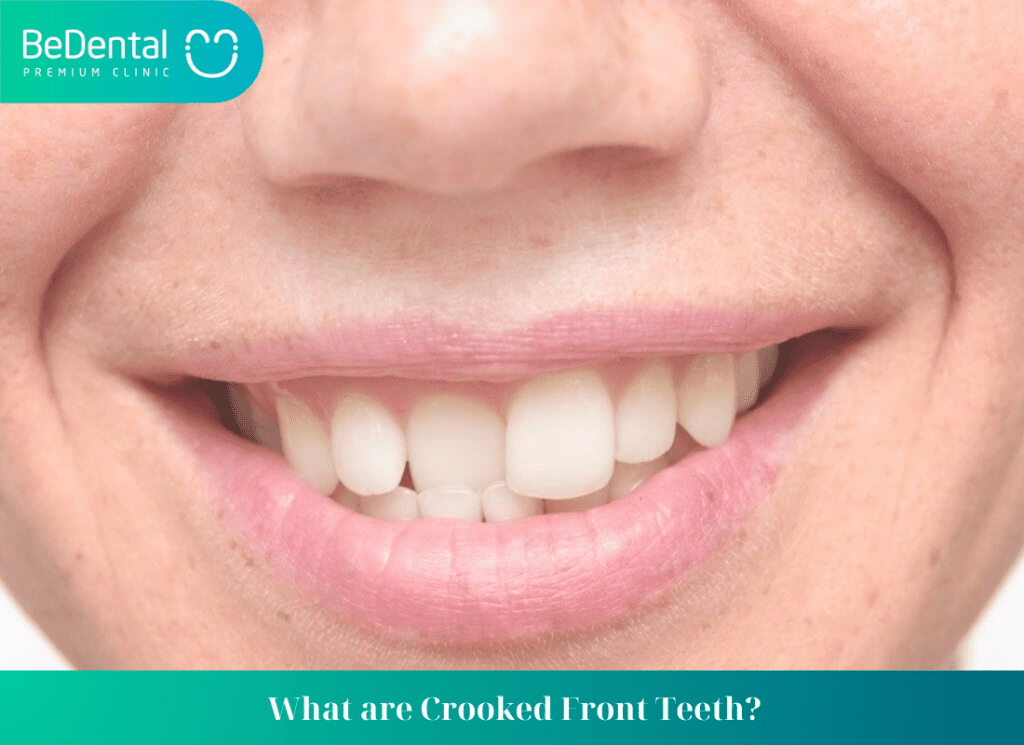
When teeth overlap, twist, or grow unevenly, they can create an irregular smile and make chewing food more difficult. This condition often causes discomfort, self-consciousness, and a lack of confidence when smiling or communicating. Crooked teeth are a common dental concern affecting people of all ages, from children to adults.
Crooked teeth refer to a condition in which teeth do not grow evenly along the dental arch. Common signs include teeth protruding outward, leaning inward, rotating, or overlapping one another. In many cases, both the upper and lower jaws may be affected, leading to bite misalignment. As a result, people with crooked teeth often experience difficulty chewing, speaking clearly, and maintaining an aesthetically pleasing smile.

Beyond cosmetic concerns, crooked teeth in Vietnam can also lead to serious oral health problems if they are not detected and treated early. Improper alignment can cause discomfort during oral hygiene routines, increase the risk of gum inflammation and tooth decay, and negatively impact overall confidence in daily interactions.
According to BeDental Clinic’s 2025–2026 clinical records, approximately 85% of the Vietnamese population exhibits some form of dental misalignment, ranging from mild crowding to severe malocclusion. Our data indicates a significant shift in patient demographics, with adult orthodontics (ages 18–40) growing by 30% over the last two years as aesthetic awareness increases.
Furthermore, 94% of patients who opted for modern corrective treatments at our facilities reported achieving their target alignment within 12 to 18 months, proving that “crooked” is merely a temporary state, not a permanent dental fate.
What Causes Crooked Teeth in Vietnam?
There are many reasons why crooked teeth occur. Understanding these causes helps patients choose the most suitable treatment approach.
Due to Genetics
Genetics is one of the most common causes of crooked teeth. Many people may not realize that dental structure can be inherited. If parents, grandparents, or close relatives have crooked teeth, crowded teeth, or bite misalignment, the likelihood of developing similar conditions is significantly higher.
Inherited jaw size, tooth size, and tooth eruption patterns often result in teeth lacking sufficient space to grow straight and evenly.
See more: Salivary glands
Caused by Early Tooth Loss
Early tooth loss, regardless of the reason, can disrupt the natural arrangement of teeth on the dental arch. When a tooth is lost prematurely, the surrounding teeth may shift into the empty space.
This movement often leads to crowding, overlapping, or tilting of adjacent teeth. In cases where teeth are relatively large, they may encroach on neighboring positions, causing misalignment in both the upper and lower jaws. This is a common contributor to crooked teeth.
Resulting from Oral Diseases or Trauma
A history of oral health issues such as dental trauma, gum inflammation, or gum recession can significantly increase the risk of crooked teeth. These conditions may weaken the supporting structures of the teeth, making them less stable and more prone to movement.
Additionally, as people age, teeth may gradually shift downward while jawbone density naturally decreases over time. These changes can alter tooth position and contribute to misalignment.
After Dental Procedures
Certain dental procedures can also affect tooth alignment, particularly orthodontic treatments. Braces and other corrective methods place significant pressure on the dental arch. If these treatments are not performed carefully or correctly, they may lead to periodontal deformation.
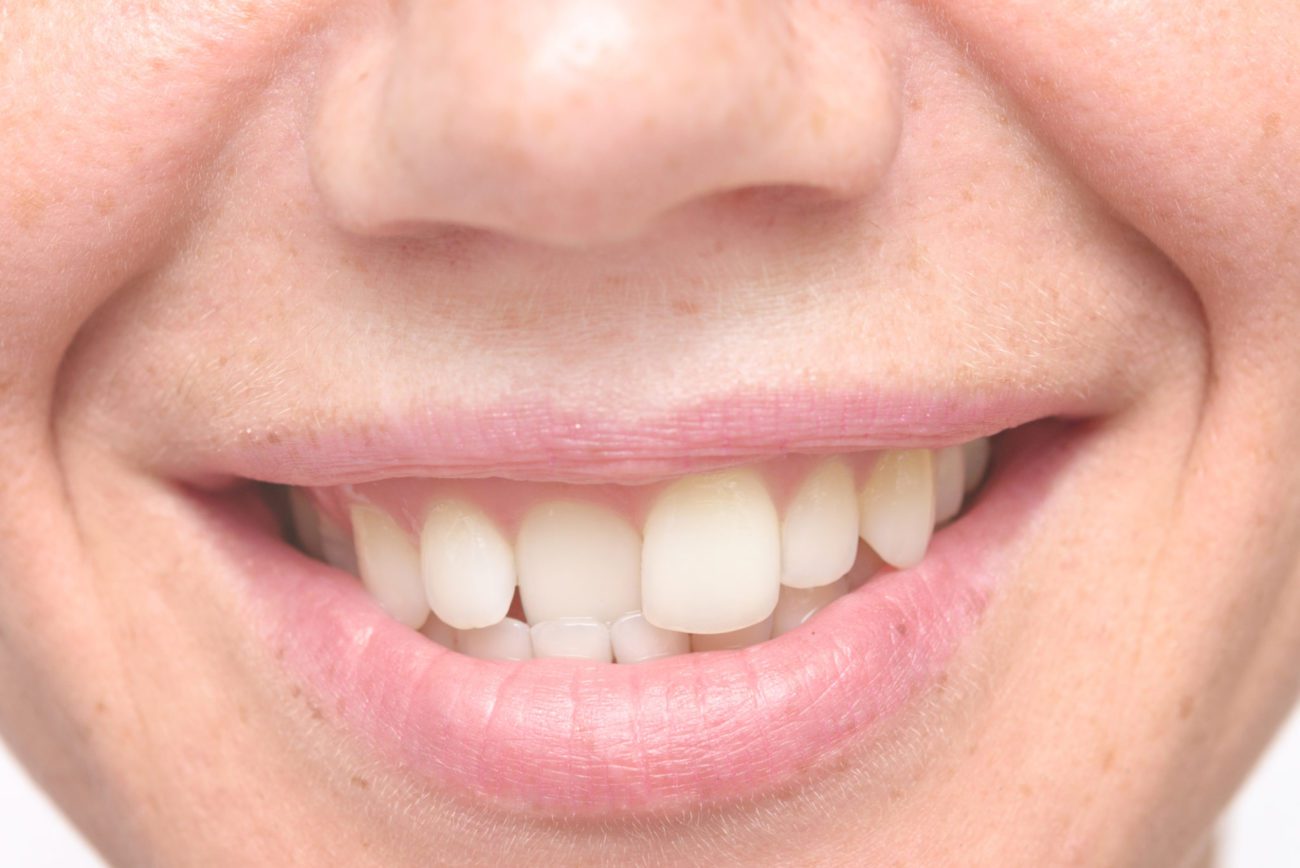
Such changes can influence how teeth erupt or settle, resulting in crooked front teeth, uneven spacing, or other dental alignment problems commonly seen in crooked teeth in Vietnam.
Due to Late Tooth Extraction
Delayed tooth extraction is another contributing factor to crooked teeth. When teeth do not have enough space to erupt properly, they may grow upward, tilt forward, or become crowded along the dental arch.
This lack of space often forces some teeth forward while pushing others backward, creating visible misalignment.
Caused by Harmful Oral Habits
Daily habits that seem harmless can significantly impact dental alignment, especially during childhood. Habits such as thumb sucking, mouth breathing, and tongue thrusting while teeth are developing can cause crooked teeth.
These behaviors not only lead to misaligned teeth but can also affect the balance between the upper and lower jaws, resulting in bite imbalance and long-term orthodontic problems.
See more: Is mouth rinsing with betel leaves really effective
Can Crooked Teeth Fix Themselves?
Many people believe that crooked teeth will straighten naturally over time, but this is a common misconception. Once teeth have grown out of alignment, they will either remain in the same position or become more misaligned due to natural tooth movement and jaw changes.
Only professional dental treatments such as orthodontic braces or corrective dental restorations can properly reposition teeth.
Early orthodontic treatment in children is especially beneficial, as it helps guide jaw development in the correct direction and reduces treatment time and costs later in life.
For adults, modern orthodontic techniques still provide highly effective results, helping patients achieve straight teeth, a harmonious smile, and a properly aligned bite. This makes professional treatment the most reliable solution for crooked teeth in Vietnam.
Impacts of Crooked Teeth in Vietnam
Aesthetic Impact
Crooked teeth in Vietnam often cause the upper and lower jaws to appear unbalanced. An uneven smile can reduce facial harmony and make individuals feel less confident when interacting socially or professionally.
Speech Difficulties
Teeth, lips, and the tongue work together to produce clear speech. When teeth are excessively misaligned, coordination between these structures is disrupted, making pronunciation unclear and speech less fluent.
Difficulty Maintaining Oral Hygiene
Crooked teeth create tight spaces where food debris easily accumulates. These areas are difficult to clean thoroughly, increasing the risk of plaque buildup. Over time, this can lead to bad breath, cavities, and gum disease, all of which are commonly associated with crooked teeth in Vietnam.
Impaired Chewing Function
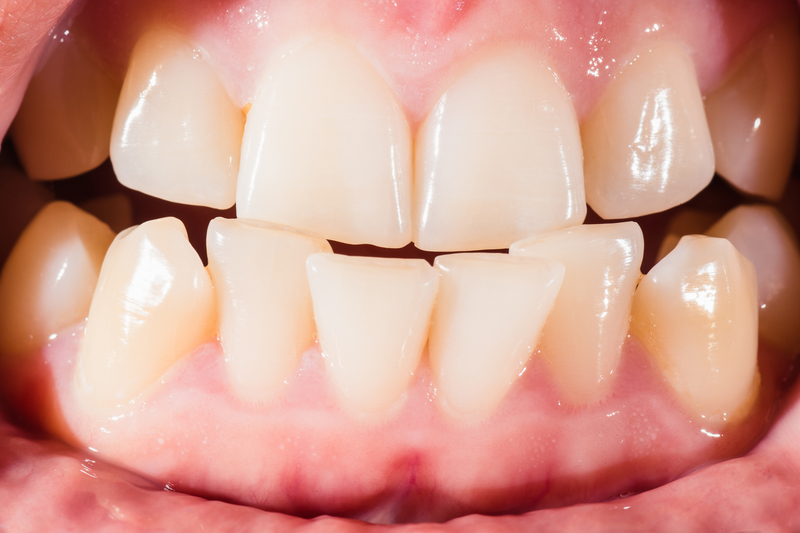
When teeth are misaligned, the upper and lower bites may not fit together properly. This makes it harder to grind food efficiently and places additional strain on the digestive system.
Temporomandibular Joint Disorders
Untreated tooth crowding and misalignment can cause long-term stress on the jaw joints. Crooked teeth in Vietnam may contribute to headaches, jaw pain, facial discomfort, and temporomandibular joint dysfunction if left uncorrected.
Treatment Methods for Crooked Teeth in Vietnam
Crooked teeth in Vietnam are a common dental condition that can affect both appearance and oral function. Depending on the severity of misalignment, dentists may recommend different treatment approaches. With the advancement of modern dentistry, treating crooked teeth in Vietnam has become safer, more effective, and more accessible than ever before.
Currently, there are three main treatment methods for crooked teeth in Vietnam, each suitable for different levels of misalignment. A thorough dental examination is essential to determine the most appropriate solution for each individual.
See more: Benefits of saliva that you need to know
Porcelain Crowns for Crooked Teeth
Porcelain crowns are commonly used for mild cases of crooked teeth in Vietnam. In this method, the dentist reshapes the natural tooth slightly and places a porcelain crown over it, allowing the tooth to align visually with the rest of the dental arch.
Estimated cost in Vietnam:
3,000,000 – 8,000,000 VND per tooth (approximately 115 – 310 USD), depending on crown material, aesthetic requirements, and clinic expertise.
Advantages of Porcelain Crowns
- Porcelain crowns are custom-made to match the shape, size, and color of natural teeth, ensuring a natural and aesthetic appearance.
- Treatment time is relatively short, typically completed within 2 to 4 days.
- With proper care, porcelain crowns can last up to 15 years.
- The cost of porcelain crowns varies widely, making this option suitable for many patients in Vietnam.
Limitations of Porcelain Crowns
- The procedure requires tooth reduction, which permanently affects the natural tooth structure.
- This method is not suitable for severe crooked teeth or complex bite problems.
- If not properly fitted or maintained, porcelain crowns may loosen over time and increase the risk of oral health issues.
Porcelain crowns are often chosen by patients who want fast cosmetic improvement for crooked teeth in Vietnam and have only minor alignment concerns.
Orthodontic Treatment for Crooked Teeth
Orthodontics is the most widely recommended solution for moderate to severe crooked teeth in Vietnam, especially when misalignment affects bite function. There are several orthodontic options available, including metal braces, ceramic braces, and clear aligners, allowing patients to choose based on their needs and lifestyle.
Estimated cost in Vietnam:
- Metal braces: 772,60 – 1.352 USD
- Ceramic braces: 1.160 – 1738,40 USD
- Clear aligners: 1738,40 – 3.090 USD
(Approximately 780 – 3,100 USD depending on method and treatment duration)

Advantages of Orthodontic Treatment
- Preserves the natural tooth structure without significant damage.
- Does not require surgical intervention, reducing the risk of complications.
- Improves both aesthetics and chewing function after treatment.
- Suitable for a wide range of crooked teeth conditions, from mild crowding to severe misalignment.
Limitations of Orthodontic Treatment
- Treatment duration is relatively long, usually lasting between 12 and 24 months.
- Oral hygiene during orthodontic treatment is more challenging and requires careful daily maintenance.
Orthodontic treatment remains the gold standard for correcting crooked teeth in Vietnam because it addresses the root cause of misalignment rather than only improving appearance.
See more: Essential tools in a dental clinic
Orthognathic Surgery for Severe Crooked Teeth
Orthognathic or corrective jaw surgery is used in severe cases of crooked teeth in Vietnam caused by abnormal jawbone structure, such as uneven or excessively thick jawbones. This method is typically recommended only when orthodontic treatment alone cannot achieve proper alignment.
Estimated cost in Vietnam:
80,000,000 – 200,000,000 VND (approximately 3,100 – 7,700 USD), depending on surgical complexity, hospital facilities, and post-operative care.
Advantages of Orthognathic Surgery
- Corrects extreme cases of tooth and jaw misalignment.
- Provides long-term or permanent results.
- Improves facial balance, bite function, and overall oral health.
Limitations of Orthognathic Surgery
- Requires surgical intervention and a recovery period for wound healing.
- Treatment costs are relatively high compared to other methods.
- Demands a high level of expertise and experience from the dental and surgical team.
Orthognathic surgery is usually combined with orthodontic treatment for optimal results in patients with complex crooked teeth in Vietnam.
Why Choosing Vietnam for Crooked Teeth Treatment Is a Smart Decision
| Criteria | Vietnam | Thailand | China | South Korea |
|---|---|---|---|---|
| Average Total Cost (All Methods) | $115 – $7,700 depending on method (very wide range, flexible options) | $300 – $9,000 (higher baseline pricing) | $200 – $6,500 (varies widely by hospital tier) | $1,000 – $15,000+ (premium pricing) |
| Cost vs Quality Ratio | Excellent (best balance in Asia) | Good (higher cost for similar results) | Inconsistent (depends heavily on clinic) | High quality but very expensive |
| Treatment Method Availability | Full range: crowns, braces, aligners, surgery | Full range (mainly private clinics) | Full range (hospital-based) | Full range (highly specialized) |
| Treatment Planning Style | Personalized, patient-focused, flexible | Semi-standardized, efficiency-focused | Protocol-driven, less flexible | Highly structured, precision-focused |
| Dentist Approach | Preservation-first, long-term oral health focus | Cosmetic-focused (tourism-driven) | Functional, volume-based | Aesthetic + technical precision focus |
| Technology & Equipment | Digital X-ray, 3D scan, CAD/CAM widely available | Modern tech in major cities | Advanced in top hospitals only | Very advanced (AI, CBCT, digital planning) |
| Waiting Time to Start Treatment | Very short (same week possible) | Short–moderate | Moderate–long (hospital queues) | Longer due to demand |
| Treatment Duration Flexibility | Flexible scheduling, adaptable timelines | Fixed packages for tourists | Rigid hospital schedules | Strict, optimized timelines |
| Doctor–Patient Communication | Direct, personalized consultation | Good (English support) | Less direct (hierarchical system) | Detailed but formal |
| Follow-up & Long-term Care | Strong (easy to return, affordable check-ups) | Limited for tourists | Inconsistent depending on region | Strong but expensive |
| Suitability by Case Severity | All levels (mild → severe) | Best for mild–moderate | Moderate–severe (hospital cases) | Best for complex & aesthetic cases |
| Aesthetic vs Functional Balance | Balanced (both function + appearance) | More aesthetic-focused | More functional-focused | Strong aesthetic emphasis |
| Accessibility for Foreign Patients | High (easy booking, low cost travel) | Very high (tourism-focused) | Moderate (language barrier) | Moderate (complex system) |
| Risk of Overtreatment | Low (conservative approach) | Moderate (upsell packages possible) | Low–moderate | Low but expensive treatment plans |
| Overall Patient Experience | High value, flexible, cost-effective | Smooth but commercialized | Variable | Premium but costly |
Choosing the Right Treatment for Crooked Teeth in Vietnam
Selecting the most suitable treatment for crooked teeth in Vietnam depends on multiple factors, including the degree of misalignment, jaw structure, oral health condition, aesthetic expectations, and budget. Dental professionals emphasize that early diagnosis and proper treatment planning play a crucial role in achieving long-term success.
Whether choosing porcelain crowns, orthodontic treatment, or surgical correction, modern dentistry offers reliable solutions to help patients restore both confidence and oral function. With the right approach, crooked teeth in Vietnam can be effectively treated, leading to a healthier smile and improved quality of life.
See more: Wisdom teeth are not fully extracted
How to Care for Crooked Teeth After Orthodontic Treatment
Proper care after orthodontic treatment is essential to maintain alignment results and prevent teeth from gradually shifting back. Even after braces or aligners are removed, teeth need time to stabilize within the jawbone and surrounding tissues. In Vietnam, dentists emphasize that long-term success depends not only on the treatment itself but also on consistent post-treatment habits.
Maintain regular dental check-ups
Regular dental visits every six months play an important role in monitoring the stability of your teeth and bite. During these appointments, dentists can detect early signs of relapse, check retainer fit, and identify any developing issues such as gum inflammation or enamel wear.
Early intervention helps prevent minor problems from becoming more complex, ensuring that your orthodontic results remain stable over time.
Practice thorough daily oral hygiene
Maintaining good oral hygiene is crucial after orthodontic treatment, as newly aligned teeth may still have areas prone to plaque buildup. Brushing at least twice a day with a soft-bristled toothbrush and fluoride toothpaste helps protect enamel and prevent decay.
In addition, cleaning between teeth with floss or interdental brushes is necessary to remove food particles and bacteria from areas that brushing alone cannot reach. Consistent hygiene not only protects your teeth but also supports the longevity of your orthodontic results.
Wear retainers as prescribed
Retainers are essential for keeping teeth in their new position after treatment. Since the supporting bone and tissues need time to adapt, retainers act as a stabilizing tool during this transition period. Patients are typically advised to wear retainers regularly, especially in the first few months, before moving to a long-term maintenance schedule. Skipping or wearing retainers inconsistently is one of the most common causes of relapse.
Avoid harmful oral habits
Certain everyday habits can place continuous pressure on teeth and gradually affect their alignment. Behaviors such as mouth breathing, tongue thrusting, nail biting, or resting the chin on the hand may seem harmless but can interfere with long-term stability.
Being aware of these habits and actively correcting them helps protect the results achieved through orthodontic treatment.
Consult your dentist before cosmetic adjustments
After completing orthodontic treatment, some patients may consider additional cosmetic procedures such as veneers, crowns, or bonding. However, these treatments should always be planned carefully. Consulting a dentist beforehand ensures that any adjustments do not disrupt the bite or compromise the newly aligned teeth. A well-coordinated treatment plan helps maintain both function and aesthetics.
Consistent care, combined with professional guidance, ensures that the results of crooked teeth treatment remain stable, functional, and aesthetically pleasing for many years.
BeDental – Trusted Company for Crooked Teeth in Vietnam
At BeDental, we understand that crooked teeth are not only an aesthetic concern but also a long-term oral health issue. With a team of experienced dental professionals and the application of modern orthodontic techniques, BeDental provides personalized treatment plans tailored to each patient’s dental condition.
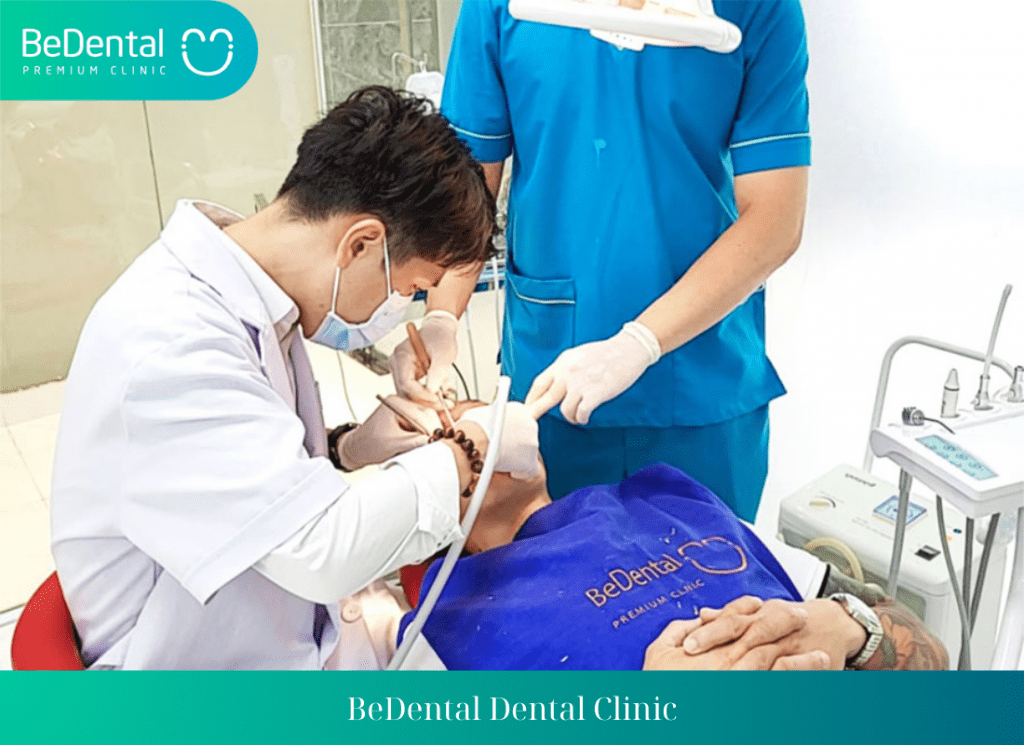
From early intervention for children to advanced orthodontic solutions for adults, BeDental focuses on safe, effective, and sustainable outcomes, helping patients achieve balanced bites, improved oral health, and confident smiles.

Tư vấn chuyên môn bài viết:
BÁC SĨ DƯƠNG THỊ THÙY NGA
BEDENTAL - TOP STANDARD DENTISTRY SYSTEM
In HANOI
Address 1: 7B Thi Sach St, Ngo Thi Nham, Hai Ba Trung Dist, Ha Noi. - 0934.61.9090
Address 2: No 129 Hoang Ngan, Yen Hoa, Cau Giay Dist, Ha Noi. - 0934.61.9090
In HO CHI MINH
Address 1: 53 -55 -57 Pho Duc Chinh St, Nguyen Thai Binh, Dist. 1, Ho Chi Minh. - 0766.00.8080
Working: 9am - 8pm everyday
Website: https://bedental.vn/en/