

 English
 한국어
한국어 日本語
日本語 中文 (中国)


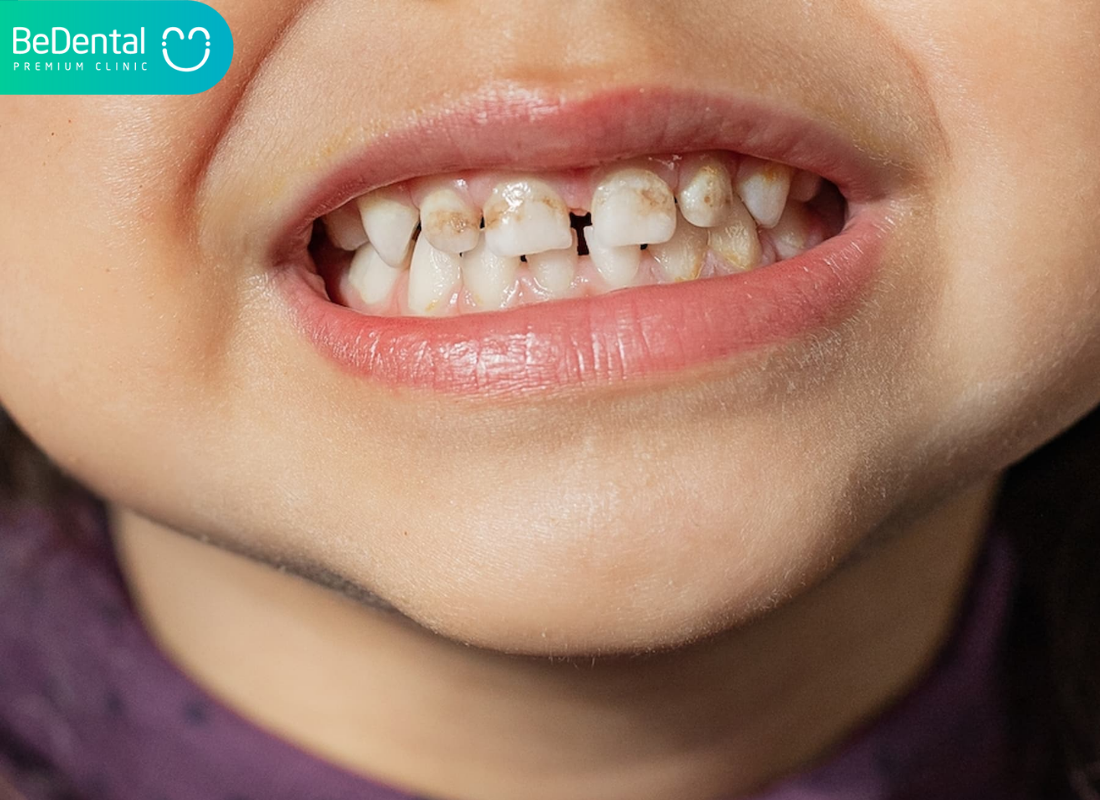
Malocclusion treatment in Vietnam: Malocclusion, commonly referred to as a misaligned bite, is a dental condition in which the upper and lower teeth do not fit together properly when the mouth closes. This condition can affect both the appearance of the smile and essential oral functions such as chewing, speaking, and maintaining proper dental hygiene.
In Vietnam, malocclusion treatment has become increasingly accessible due to advances in orthodontic technology and the growing number of specialized dental clinics. Patients can now receive modern orthodontic care using a variety of techniques designed to correct both tooth alignment and bite function.
This article explains malocclusion treatment in Vietnam, including its causes, types, treatment methods, cost, and long-term benefits.
What Is Malocclusion?
Malocclusion refers to the misalignment of teeth or incorrect relationship between the upper and lower jaws. When the bite is not properly aligned, it can lead to both aesthetic concerns and functional problems.
In orthodontics, malocclusion is typically classified into different categories based on the relationship between the upper and lower teeth.
Common Types of Malocclusion
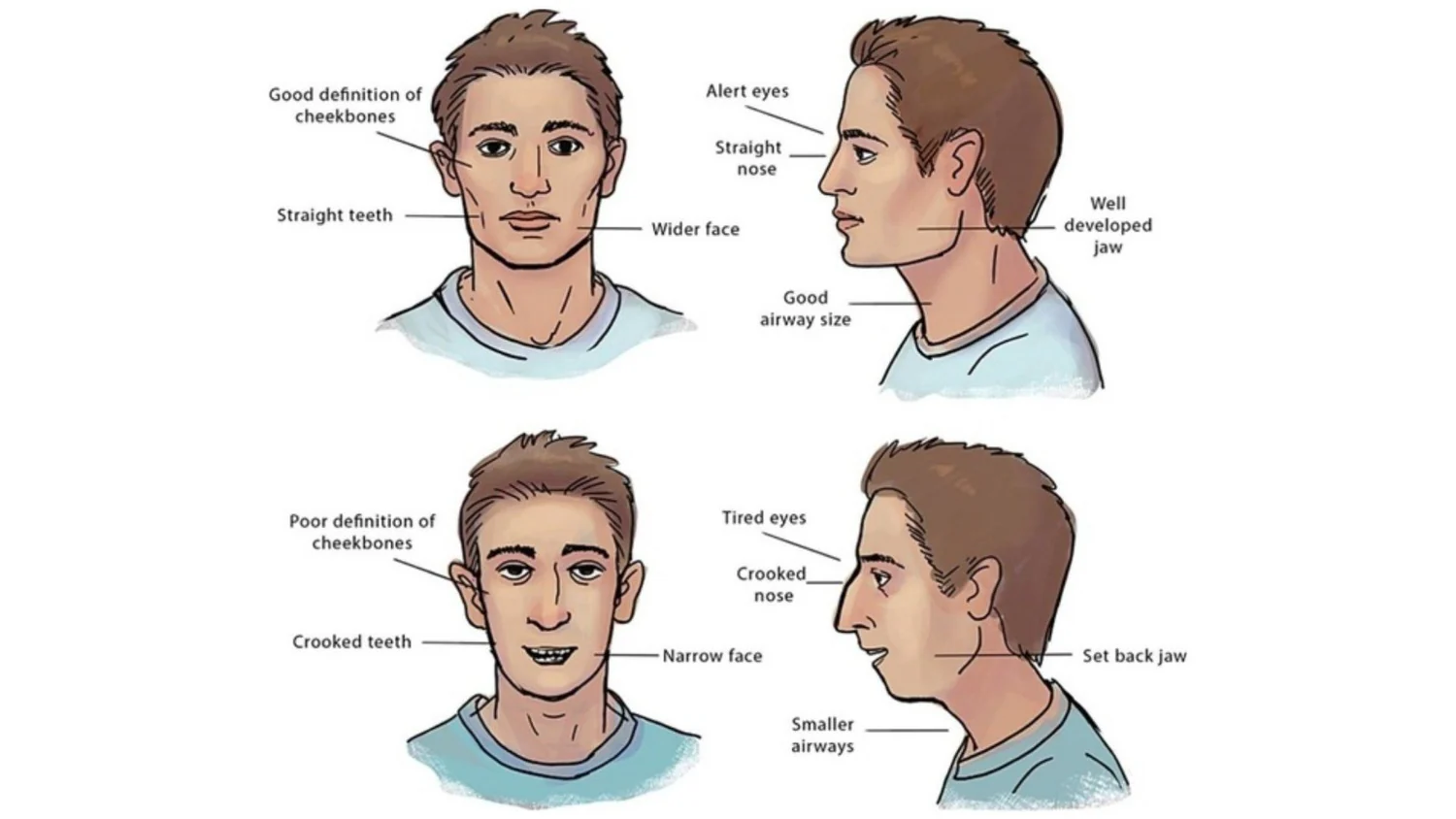
Orthodontists in Vietnam commonly diagnose several forms of malocclusion.
| Type of Malocclusion | Detailed Description | Potential Effects on Oral Health |
| Crowding | Occurs when there is insufficient space in the jaw for all teeth to align properly, causing them to overlap, rotate, or become displaced. |
|
| Spacing | Characterized by excessive gaps between teeth, which may result from missing teeth, small tooth size, or abnormal jaw growth. |
|
| Overbite | The upper front teeth excessively overlap the lower front teeth vertically, sometimes covering them significantly. |
|
| Underbite | The lower front teeth extend beyond the upper front teeth, often due to forward positioning of the lower jaw. |
|
| Crossbite | Occurs when some upper teeth sit inside the lower teeth when biting, either in the front or back of the mouth. |
|
| Open Bite | A condition where the upper and lower teeth do not touch when the mouth is closed, often affecting the front teeth. |
|
Each type of malocclusion may require a different orthodontic treatment strategy depending on severity.
Causes of Malocclusion
Malocclusion can develop due to multiple factors affecting tooth and jaw development.
| Cause | Detailed Explanation | Impact on Dental Development |
| Genetics | Inherited traits such as jaw size, tooth size, or facial structure can lead to mismatches between teeth and jaw space. | Crowding, spacing, overbite, or underbite depending on genetic patterns |
| Childhood habits | Prolonged behaviors such as thumb sucking, tongue thrusting, or extended pacifier use can exert pressure on developing teeth and jaws. | Misalignment of teeth
Development of open bite or protrusion |
| Early loss of baby teeth | Losing primary teeth too early (due to decay or trauma) may allow adjacent teeth to shift into empty spaces. | Loss of space for permanent teeth
Crowding or improper eruption |
| Jaw growth imbalance | Uneven or abnormal growth between the upper and lower jaws can result in improper bite relationships. | Skeletal malocclusion such as overbite, underbite, or crossbite |
| Dental trauma | Injuries to teeth or jawbones can alter tooth position or disrupt normal growth patterns. | Tooth displacement
Misalignment Long-term bite issues if untreated |
Understanding the underlying cause helps orthodontists develop the most effective treatment plan.
Why Malocclusion Should Be Treated in Vietnam
Beyond the aesthetic goal of a straighter smile, treating malocclusion (misaligned teeth or an incorrect bite) in Vietnam is increasingly viewed as a high-value medical decision. In 2026, the country has solidified its reputation as a hub where clinical efficacy for complex bite correction meets significant economic and logistical advantages.
Advanced Clinical Success Rates
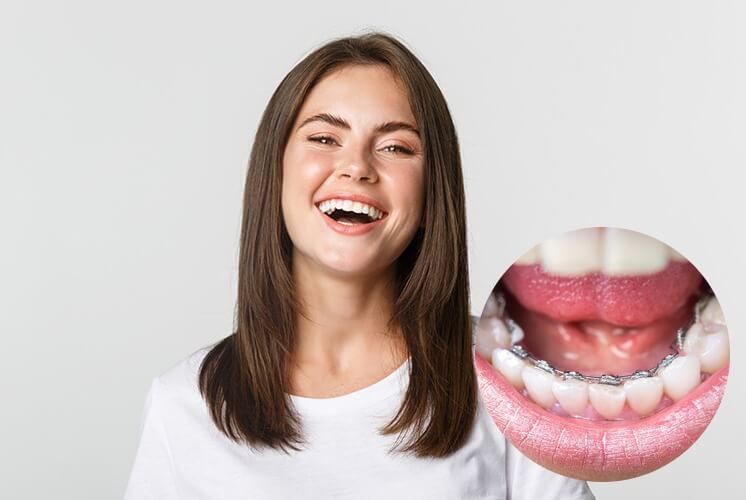
Recent 2026 clinical data from Vietnamese dental hospitals shows that both clear aligners and traditional braces are highly effective for moderate-to-severe malocclusion.
- Effectiveness: Clear aligner treatments for deep bite malocclusion in Vietnam have demonstrated a 93.5% overall success rate, with treatment durations often significantly shorter (averaging 20.7 months) compared to traditional methods (27.4 months).
- Specialized Expertise: Because Class I and Class II malocclusions are highly prevalent in the region, Vietnamese orthodontists often have a higher “case volume” per year than Western peers. This experience translates to more accurate treatment planning for complex crowding and skeletal discrepancies.
The Tech-First Diagnostic Approach
Vietnam’s top-tier clinics skip the “analog” steps still found in many traditional practices. By treating malocclusion here, you benefit from a fully integrated digital workflow:
- 3D Cephalometric Analysis: Essential for skeletal malocclusion, clinics use advanced Cone Beam CT (CBCT) scans to assess jaw bone density and nerve positioning with sub-millimeter precision.
- AI-Driven Simulation: Tools like iTero 5D scanners allow you to see the physiological progression of your bite correction in real-time. This isn’t just for looks; it ensures your new bite alignment is functional, reducing the risk of future TMJ (jaw joint) disorders.
Immediate Access vs. Long Waitlists
In many Western countries, the wait time to see a specialist for malocclusion can stretch from six months to over a year.
- Zero-Wait Policy: Most accredited clinics in Hanoi and Ho Chi Minh City can schedule a full diagnostic workup within 1 to 3 days.
- Rapid Turnaround: Because many high-end clinics house their own in-house dental labs (equipped with CAD/CAM milling), the production of custom orthodontic appliances or aligners happens in days rather than weeks.
Economic Rationale for Complex Care
Malocclusion treatment often requires “extras” like extractions, mini-screw anchors, or multiple refinements. In the US or Australia, these are billed as “add-on” costs. In Vietnam, these are standard inclusions in all-inclusive packages:
- Package Stability: You pay one price ($1,500 – $4,500 for Invisalign) that covers all adjustments and refinements, which is roughly 60% less than the base price alone in Western markets.
- Premium Materials: Despite the lower cost, clinics use the same globally recognized brands (e.g., Align Technology, Straumann, or 3M) that are used in London or New York.
See more: Orthodontic Treatment in Vietnam
Malocclusion Treatment Methods in Vietnam
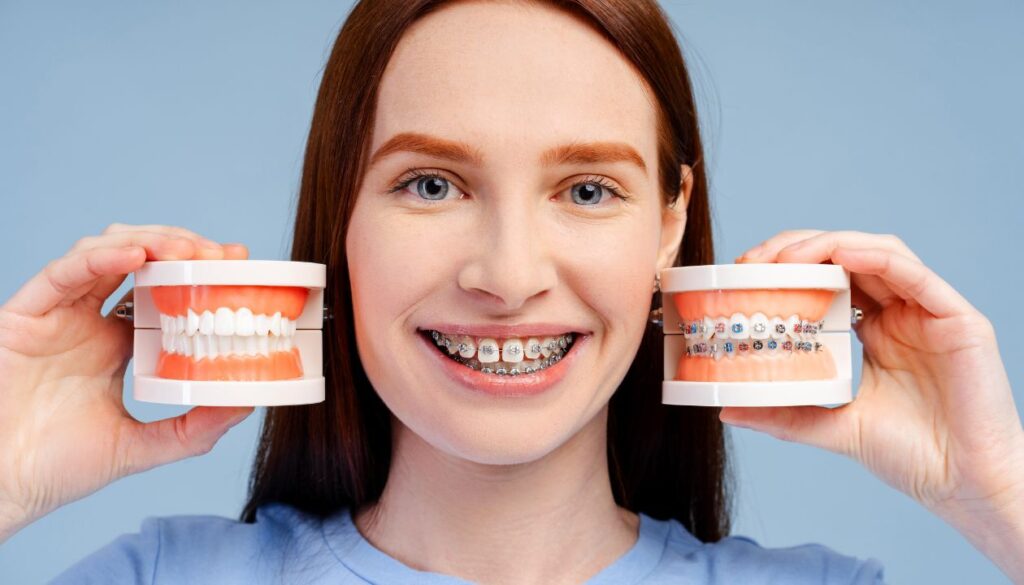
Orthodontic clinics in Vietnam offer several modern treatment options depending on the severity of the condition and patient preferences.
| Treatment Method | Description | Advantages | Limitations |
| Traditional Metal Braces | Fixed stainless-steel brackets attached to teeth, connected by wires to gradually move teeth into proper alignment | Highly effective for moderate to severe malocclusionDurable and reliableMost cost-effective option | Visible metal brackets affecting aesthetics |
| Ceramic Braces | Similar to metal braces but use tooth-colored or clear brackets to blend with natural teeth | Less noticeable than metal bracesSuitable for adults and professionals concerned about appearance | Slightly higher costMore fragile than metal brackets |
| Clear Aligners | Series of transparent, removable trays customized to gradually shift teeth | Nearly invisibleRemovable for eating and oral hygieneMore comfortable with fewer irritations | Best for mild to moderate casesRequires strict patient compliance (20–22 hours/day) |
| Orthodontic Appliances & Jaw Correction | Additional devices or surgical approaches used for skeletal or severe bite issues | Can correct complex jaw discrepanciesSupports proper facial development (especially in children)Comprehensive solution for severe cases | Higher complexity and costMay require longer treatment timeSurgery involves recovery period |
Orthodontic Treatment Process in Vietnam
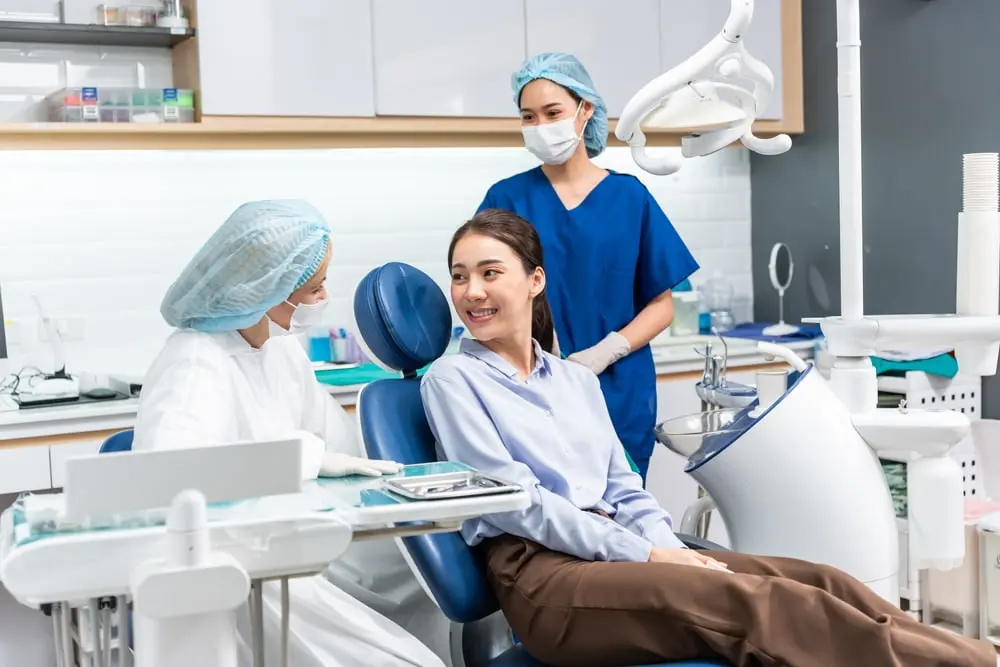
Orthodontic treatment usually follows a structured process.
| Treatment Stage | Description |
| Initial consultation | Dentist evaluates the teeth using X-rays and digital scans. |
| Diagnosis and planning | Orthodontist analyzes bite alignment and develops a treatment plan. |
| Appliance placement | Braces or aligners are installed to begin tooth movement. |
| Regular adjustments | Teeth gradually move through periodic orthodontic adjustments. |
| Retention phase | Retainers maintain the new tooth positions after treatment. |
Most orthodontic visits occur every 4–6 weeks.
Cost of Malocclusion Treatment in Vietnam
Orthodontic treatment costs in Vietnam are relatively affordable compared with many Western countries.
| Treatment Type | Vietnam (All-Inclusive) | USA / Australia / UK | Potential Savings |
| Metal Braces | $1,000 – $2,500 | $3,500 – $7,500 | ~70% |
| Ceramic Braces | $1,500 – $3,500 | $4,500 – $8,500 | ~60% |
| Invisalign / Clear Aligners | $2,500 – $5,000 | $5,500 – $9,500 | ~50% |
| Lingual Braces (Hidden) | $4,000 – $7,000 | $8,000 – $13,000 | ~45% |
In countries such as the United States or Australia, orthodontic treatment can cost $5,000 – $8,000 or more, making Vietnam an attractive destination for dental tourism.
See more: Braces near me in Vietnam
Where to Get Malocclusion Treatment in Vietnam?

Specialized Orthodontic Expertise at BeDental
Orthodontic treatment at BeDental is led by certified specialists experienced in both routine alignment and complex bite correction. Each treatment plan is customized based on facial structure, dental condition, bite function, and lifestyle needs—rather than applying a one-size-fits-all approach.
Malocclusion affects approximately 60–75% of adolescents worldwide, with 20–30% requiring comprehensive orthodontic care. BeDental’s team is trained to manage cases ranging from mild crowding to severe malocclusion, including deep bite, open bite, and crossbite.
Transparent Pricing and Long-Term Treatment Support
BeDental applies an international-standard cost management model, helping patients clearly plan their orthodontic investment. Most services are eligible for dental insurance coverage (depending on individual policies).
The clinic also offers interest-free installment plans, making long-term orthodontic treatment more financially accessible—especially for students and working professionals.
After treatment, structured retention programs are provided. Regular follow-ups and professional retainer guidance help prevent relapse, ensuring long-term stability of results.
Dedicated Care for International Patients
BeDental supports overseas patients through online consultations and multilingual assistance throughout the treatment process.
Flexible scheduling allows patients to coordinate appointments with travel plans while maintaining continuity of care. With cross-border dental demand increasing by 15–20% annually, BeDental’s organized coordination system ensures predictable treatment outcomes for both local and international patients.
See more: Does getting braces hurt? Which stage is the most painful?
Conclusion
Malocclusion treatment in Vietnam has become increasingly advanced and accessible due to modern orthodontic technology and experienced dental professionals. Whether using traditional braces, ceramic braces, or clear aligners, patients can effectively correct bite problems and improve both dental health and appearance.
With proper diagnosis, customized treatment planning, and consistent follow-up care, orthodontic treatment can successfully correct malocclusion and provide long-lasting improvements in oral function and smile aesthetics.