

 English
 한국어
한국어 日本語
日本語 中文 (中国)


Braces archwires in Vietnam: In orthodontics, braces archwires are one of the most essential components that directly influence the effectiveness of tooth movement. When patients receive orthodontic treatment with braces, the archwire acts as the primary force-generating element that guides teeth into their correct positions over time.
In Vietnam, modern orthodontic clinics increasingly rely on advanced archwire technologies and materials to improve treatment efficiency, reduce discomfort, and enhance long-term stability. Understanding how braces archwires work, their types, and how they are used in different treatment stages helps patients better understand the orthodontic process.
This article explains braces archwires in Vietnam, including their role, mechanism of action, types of archwires commonly used, cost estimates, and practical care guidelines during orthodontic treatment.
What Are Braces Archwires?
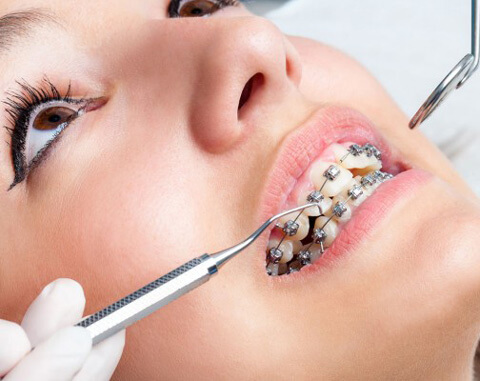
Braces archwires are thin metal wires attached to orthodontic brackets that are bonded to the teeth. The archwire runs through the bracket slots and is secured using elastic ligatures or sliding clips depending on the bracket system.
The main purpose of archwires is to generate controlled orthodontic force that gradually moves teeth into their ideal positions.
When the wire is connected to misaligned teeth, it bends and stores energy. As the wire attempts to return to its original shape, it produces gentle forces that guide the teeth toward proper alignment.
Main functions of braces archwires:
- Move teeth into correct alignment
- Correct bite relationships
- Close gaps between teeth
- Improve chewing function
- Enhance dental aesthetics
Orthodontic archwires are used throughout the entire treatment process, but their type and stiffness change depending on the stage of treatment.
Role of Braces Archwires in Orthodontic Treatment
Braces archwires play a central role in orthodontic biomechanics. Their interaction with brackets allows orthodontists to control tooth movement with precision.
The mechanism works through a biological process called bone remodeling, where bone tissue around the tooth gradually changes as the tooth moves.
Key functions of archwires:
| Function | Explanation | Clinical Importance |
| Tooth movement | Archwires apply gentle pressure to teeth through brackets. | Helps align crooked or crowded teeth gradually. |
| Arch shaping | The wire follows a predefined dental arch shape. | Guides teeth into an ideal dental arch form. |
| Rotational control | Rectangular archwires help rotate or tilt teeth properly. | Important for correcting tooth orientation. |
| Gap closure | Stiffer wires are used to pull teeth together when closing spaces. | Essential during later treatment stages. |
Orthodontists typically replace archwires multiple times during treatment, each time adjusting the force level to achieve the desired tooth movement safely.
How Braces Archwires Move Teeth
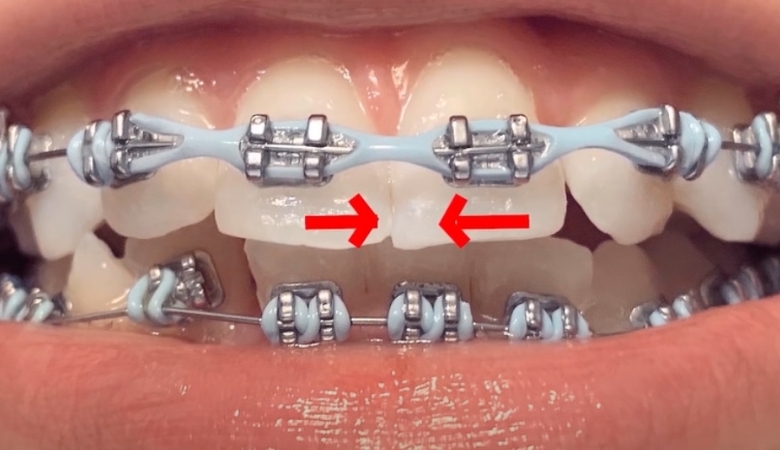
When an archwire is attached to teeth that are not aligned correctly, the wire becomes bent or twisted. Due to the elastic properties of the metal, the wire attempts to return to its original shape.
This process generates forces that affect the periodontal ligament, which surrounds each tooth.
The biological process occurs in three main stages:
- Pressure on one side of the tooth stimulates bone resorption (bone breakdown).
- Tension on the opposite side stimulates new bone formation.
- The tooth gradually moves into a new position within the jawbone.
Because orthodontic archwires apply light continuous forces, tooth movement occurs slowly and safely, minimizing damage to surrounding tissues.
Types of Braces Archwires Used in Vietnam
Orthodontists use different types of archwires throughout treatment. Each material has unique mechanical properties that make it suitable for specific stages of orthodontic correction.
Below are the most common types of braces archwires used in Vietnam.
| Archwire Type | Main Composition | Key Characteristics | Treatment Stage | Advantages | Limitations |
| Stainless Steel (SS) | Chromium 17–25%, Nickel 8–25%, Carbon 1–2% | Very strong and durable | Middle and late stages | High strength, stable force | Low elasticity |
| Nickel-Titanium (NiTi) | 55% Nickel, 45% Titanium | High elasticity and shape memory | Early stage | Gentle continuous force | Less rigid |
| Beta-Titanium (TMA) | Titanium 79%, Molybdenum 11%, Zirconium 6%, Tin 4% | Moderate elasticity | Finishing stage | Highly adjustable | Higher friction |
| Aesthetic coated archwire | Stainless steel coated with ceramic or polymer | Tooth-colored wire | Cosmetic treatments | Improved aesthetics | Coating may wear off |
| Cobalt-Chromium | Cobalt 40%, Chromium 20%, Iron 16%, Nickel 15% | High strength | Rarely used today | Strong force | Limited modern use |
Each type of archwire provides different levels of force, flexibility, and control, which allows orthodontists to adjust treatment progressively.
Archwire Selection by Treatment Stage
Orthodontic treatment typically progresses through multiple phases, and archwires are selected accordingly.
| Treatment Stage | Common Archwire Used | Purpose |
| Initial alignment | Nickel-Titanium | Gently straighten crowded teeth |
| Space closing | Stainless Steel | Provide stronger force to move teeth |
| Finishing stage | Beta-Titanium | Precise adjustments to tooth positions |
The gradual progression from flexible wires to rigid wires ensures that tooth movement remains safe, controlled, and predictable.
Estimated Cost of Braces Archwires in Vietnam
The cost of orthodontic archwires depends on the material and brand used by the dental clinic.
Below is the approximate cost range in Vietnam.
| Country / Region | Average Archwire Cost | Typical Price Range | Notes |
| Vietnam | $7 – $42 | $7 – $42 | Lower labor and operational costs keep prices affordable. |
| United States | $30 – $120 | $30 – $120 | Orthodontic material costs are higher due to medical pricing structures. |
| United Kingdom | $25 – $100 | $25 – $100 | Private orthodontic treatment significantly increases material cost. |
| Australia | $35 – $120 | $35 – $120 | Orthodontic services mainly provided through private clinics. |
| Canada | $30 – $110 | $30 – $110 | Archwire costs often included in higher orthodontic treatment packages. |
Compared with many Western countries where orthodontic materials are significantly more expensive, archwires in Vietnam remain relatively affordable due to lower dental service costs.
Advantages of Modern Archwires in Vietnam

Modern orthodontic materials have significantly improved patient comfort and treatment outcomes.
Key advantages:
| Benefit | Explanation |
| Continuous gentle force | Advanced alloys maintain steady pressure for tooth movement. |
| Improved treatment efficiency | Faster alignment compared with older orthodontic technologies. |
| Reduced pain | Superelastic wires minimize discomfort. |
| Better aesthetics | Tooth-colored wires improve appearance during treatment. |
The use of Nickel-Titanium shape-memory wires has been particularly important in modern orthodontics, as they maintain consistent force over longer periods.
See more: Does getting braces hurt? Which stage is the most painful?
Practical Care Tips When Wearing Braces Archwires
Patients undergoing orthodontic treatment should follow several guidelines to protect archwires and ensure effective treatment.
Avoid hard foods
Hard foods such as ice, nuts, and hard candy can bend or break archwires.
Expect mild discomfort after adjustments
After each archwire adjustment, patients may feel mild soreness for 2–3 days, which is a normal response to tooth movement.
Manage irritation from wire ends
Occasionally, archwire ends may poke the inner cheek. Patients can temporarily use orthodontic wax to reduce irritation until the orthodontist adjusts the wire.
Maintain excellent oral hygiene
Food particles can accumulate around brackets and wires. Brushing, flossing, and mouthwash help prevent plaque buildup and gum inflammation.
Do not adjust wires yourself
Attempting to bend or cut the archwire at home can damage the orthodontic system and interfere with treatment progress.
Importance of Professional Archwire Adjustment
Orthodontists carefully monitor archwire performance during regular adjustment visits, typically every 4–6 weeks.
During these appointments, the orthodontist may:
- replace the archwire
- tighten the wire
- adjust brackets
- modify elastic attachments
These adjustments ensure that the orthodontic force remains within safe biological limits, preventing damage to teeth and surrounding tissues.
See more: Orthodontic Treatment in Vietnam
Why Choose BeDental for Braces in Vietnam?

Specialized Orthodontic Expertise at BeDental
Orthodontic treatment at BeDental is led by certified specialists experienced in both routine alignment and complex bite correction. Each treatment plan is customized based on facial structure, dental condition, bite function, and lifestyle needs—rather than applying a one-size-fits-all approach.
Malocclusion affects approximately 60–75% of adolescents worldwide, with 20–30% requiring comprehensive orthodontic care. BeDental’s team is trained to manage cases ranging from mild crowding to severe malocclusion, including deep bite, open bite, and crossbite.
Transparent Pricing and Long-Term Treatment Support
BeDental applies an international-standard cost management model, helping patients clearly plan their orthodontic investment. Most services are eligible for dental insurance coverage (depending on individual policies).
The clinic also offers interest-free installment plans, making long-term orthodontic treatment more financially accessible—especially for students and working professionals.
After treatment, structured retention programs are provided. Regular follow-ups and professional retainer guidance help prevent relapse, ensuring long-term stability of results.
Dedicated Care for International Patients
BeDental supports overseas patients through online consultations and multilingual assistance throughout the treatment process.
Flexible scheduling allows patients to coordinate appointments with travel plans while maintaining continuity of care. With cross-border dental demand increasing by 15–20% annually, BeDental’s organized coordination system ensures predictable treatment outcomes for both local and international patients.
See more: Braces near me in Vietnam
Conclusion
Braces archwires in Vietnam are a fundamental component of orthodontic treatment, responsible for generating the forces that gradually move teeth into proper alignment. By connecting brackets and guiding tooth movement, archwires allow orthodontists to control the direction, speed, and precision of orthodontic correction.
Different materials such as Nickel-Titanium, Stainless Steel, and Beta-Titanium are used at various stages of treatment to provide the appropriate level of flexibility and strength.
With modern orthodontic technology, experienced dental professionals, and affordable treatment costs, Vietnam has become an increasingly reliable destination for orthodontic care.
Understanding how braces archwires work helps patients cooperate more effectively during treatment and achieve safe, stable, and long-lasting orthodontic results.