

 English
 한국어
한국어 日本語
日本語 中文 (中国)


Temporomandibular joint inflammation in Vietnam is a condition that affects the joint connecting the lower jaw to the skull. This joint, known as the temporomandibular joint (TMJ), plays an essential role in everyday activities such as chewing, speaking, and yawning. When the joint becomes inflamed, patients may experience discomfort, limited jaw movement, and various functional problems.
In Vietnam, awareness of temporomandibular joint disorders has increased in recent years as more patients seek dental and medical care for chronic jaw pain and facial discomfort. With the expansion of modern dental clinics and diagnostic technologies, Vietnamese healthcare providers are increasingly able to diagnose and treat TMJ-related conditions effectively.
This article explains what temporomandibular joint inflammation is, its common causes, symptoms, diagnostic methods, and treatment options available in Vietnam.
What Is Temporomandibular Joint Inflammation?
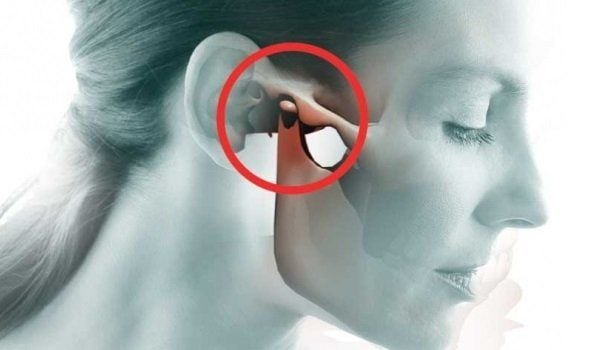
Temporomandibular joint inflammation occurs when the tissues around the TMJ become irritated or swollen. This inflammation can affect the joint itself, the surrounding muscles, or the cartilage disc that cushions the joint.
The condition may develop suddenly due to injury or gradually due to long-term stress on the jaw. In many cases, TMJ inflammation is associated with muscle tension, joint strain, or structural abnormalities.
TMJ disorders are relatively common. Studies estimate that 5–12% of the global population experiences symptoms of temporomandibular disorders, although not all cases require medical treatment.
Common Causes of Temporomandibular Joint Inflammation in Vietnam
Several factors can contribute to inflammation of the temporomandibular joint. Understanding these causes helps dentists and healthcare providers determine the most appropriate treatment approach.
| Cause | How It Leads to TMJ Inflammation | Possible Complications |
| Teeth Grinding and Jaw Clenching (Bruxism) | Repeated grinding or clenching of the teeth places excessive pressure on the jaw muscles and temporomandibular joints. This continuous mechanical stress irritates the joint tissues and surrounding muscles, leading to inflammation and pain. | Chronic jaw pain, muscle fatigue, worn tooth enamel, headaches, and long-term joint damage. |
| Bite Misalignment (Malocclusion) | When the upper and lower teeth do not align properly, uneven pressure is placed on the temporomandibular joint during chewing or speaking. Over time, this imbalance can strain the joint and cause inflammation of the surrounding tissues. | Difficulty chewing, jaw clicking or locking, progressive joint strain, and worsening bite problems. |
| Jaw Injury or Trauma | Physical trauma such as a blow to the jaw or facial injury can damage the joint structure, cartilage disc, or surrounding ligaments. This injury triggers inflammation as the body attempts to repair the affected tissues. | Joint instability, chronic inflammation, restricted jaw movement, or long-term joint degeneration. |
| Arthritis | Inflammatory joint diseases such as osteoarthritis or rheumatoid arthritis can affect the temporomandibular joint. These conditions gradually damage cartilage and bone surfaces, leading to joint inflammation and degeneration. | Progressive joint deterioration, chronic pain, limited jaw mobility, and structural changes in the joint. |
| Stress and Muscle Tension | Psychological stress can cause people to unconsciously tighten their jaw muscles. Persistent muscle tension increases pressure on the temporomandibular joint and surrounding tissues, which may trigger inflammation. | Chronic muscle pain, tension headaches, sleep disturbances, and worsening bruxism habits. |
See more: Does getting braces hurt? Which stage is the most painful?
Common Symptoms of TMJ Inflammation
Patients with temporomandibular joint inflammation may experience a variety of symptoms. The severity of symptoms can vary depending on the underlying cause.

| Symptom | Detailed Description |
| Jaw Pain | Patients often experience persistent or intermittent pain around the jaw joint, typically located just in front of the ears. The discomfort may worsen when chewing, speaking, or opening the mouth widely. In some cases, the pain may radiate to the neck or lower face. |
| Clicking or Popping Sounds | A clicking, popping, or grinding sound may occur when opening or closing the mouth. This sound often results from the movement of the cartilage disc within the joint. While occasional clicking without pain may not be serious, frequent clicking accompanied by discomfort can indicate TMJ inflammation or disc displacement. |
| Limited Jaw Movement | TMJ inflammation can restrict the normal range of jaw motion, making it difficult for patients to open their mouths fully. Some individuals may also experience temporary jaw locking, where the jaw becomes stuck in either an open or closed position. |
| Facial Pain | Pain or tenderness may develop in the muscles surrounding the jaw, including the cheeks, temples, and lower face. This occurs because inflammation in the joint often leads to muscle tension as the surrounding muscles attempt to compensate for joint instability. |
| Headaches | TMJ disorders frequently cause tension-type headaches. These headaches are often felt in the temples or sides of the head and may occur after activities that strain the jaw, such as chewing tough foods or prolonged speaking. |
| Ear Discomfort | Because the temporomandibular joint is located close to the ear canal, TMJ inflammation may cause symptoms that resemble ear problems. Patients may experience ear pain, pressure, ringing (tinnitus), or a feeling of fullness in the ear despite having no actual ear infection. |
In some cases, symptoms may worsen when chewing hard foods, yawning widely, or speaking for long periods.
See more: Braces near me in Vietnam
Treatment Options for TMJ Inflammation in Vietnam
Treatment for temporomandibular joint (TMJ) inflammation varies depending on the severity of symptoms and the underlying cause. In clinical practice, most TMJ cases are treated using conservative, non-surgical methods. Studies in dental medicine indicate that about 80–90% of TMJ disorder patients improve with non-invasive treatments such as lifestyle changes, splints, or physical therapy.
Both Vietnamese dental clinics and international healthcare systems apply similar treatment strategies. The table below compares the most common treatment methods and includes estimated usage rates based on clinical studies and dental practice data.
| Treatment Method | How the Treatment Works | Estimated Use in Vietnam | Estimated Use Internationally |
| Lifestyle and Self-Care Changes | Patients adjust habits to reduce strain on the jaw joint, such as avoiding hard foods, reducing chewing gum, applying warm compresses, and practicing stress management. | Used as the first-line recommendation in ~70–80% of mild TMJ cases in dental clinics. | Also recommended as initial treatment in above 70% of TMJ cases worldwide according to dental guidelines. |
| Oral Appliances (Night Guards / Splints) | Custom-made devices worn during sleep prevent teeth grinding and reduce pressure on the TMJ by stabilizing the jaw position. | Prescribed in 40–60% of TMJ patients, especially those with bruxism. | One of the most common treatments globally, used in 60–70% of patients with bruxism-related TMJ disorders. |
| Physical Therapy and Jaw Exercises | Includes stretching exercises, muscle relaxation techniques, and physiotherapy to improve jaw mobility and reduce muscle tension. | Used in 20–35% of TMJ cases, often combined with splints or medication. | Used in 30–40% of patients internationally, often integrated with rehabilitation therapy. |
| Medication | Anti-inflammatory drugs, muscle relaxants, and pain relievers help reduce inflammation and muscle tension. | Prescribed in 30–50% of moderate TMJ cases for short-term relief. | Used in 10-15% of TMJ patients globally, usually combined with conservative therapy. |
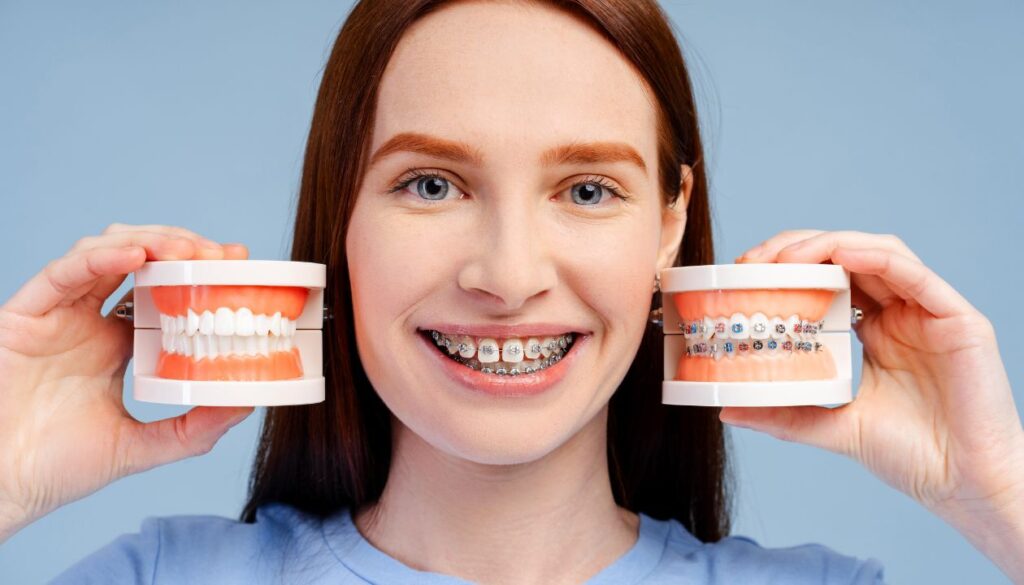
| Orthodontic Treatment | Braces or aligners correct bite misalignment that may contribute to abnormal stress on the TMJ. | Recommended in 25-30% of TMJ cases when malocclusion is identified as the main cause. | Similar usage internationally, about 10–25% of patients require orthodontic correction for TMJ-related bite problems. |
| Surgical Treatment | Procedures such as arthroscopy or joint repair correct structural joint damage when conservative treatment fails. | Rare, used in less than 10% of TMJ cases, usually in specialized hospitals. | Also uncommon globally, with surgery required in only 3–5% of patients. |
Cost of TMJ Treatment in Vietnam
One advantage of receiving treatment in Vietnam is the relatively affordable cost compared with many Western countries.
| Treatment Type | Average Cost in Vietnam | Estimated Cost in Western Countries |
| TMJ consultation and examination | $20 – $50 | $100 – $300 |
| Night guard or splint | $100 – $300 | $400 – $800 |
| Physical therapy sessions | $30 – $80 | $100 – $200 |
| Advanced imaging (CT/MRI) | $80 – $300 | $500 – $1,000 |
These lower costs make Vietnam an attractive option for both local patients and international visitors seeking treatment for TMJ disorders.
See more: Orthodontic Treatment in Vietnam
Why Choose BeDental for Temporomandibular Joint (TMJ) Treatment in Vietnam?

Specialized Expertise in TMJ Diagnosis and Treatment
At BeDental, the evaluation and management of temporomandibular joint (TMJ) inflammation are handled by dentists experienced in maxillofacial function, occlusion analysis, and TMJ-related disorders. Because TMJ conditions can arise from multiple factors—such as bite misalignment, muscle tension, teeth grinding, or joint degeneration—accurate diagnosis is essential before selecting an appropriate treatment plan.
Rather than applying a general treatment approach, BeDental performs a comprehensive assessment of jaw function, including bite alignment, muscle activity, and joint mobility. Each treatment plan is customized based on several factors, such as:
- Facial structure and jaw movement patterns
- Bite alignment and occlusion
- Presence of teeth grinding (bruxism)
- Muscle tension and joint stability
Temporomandibular disorders are relatively common worldwide. Studies suggest that 5–12% of the global population experiences TMJ-related symptoms, while about 25–30% of adults may show at least one sign of TMJ dysfunction during their lifetime. BeDental’s dental team is trained to identify both mild and complex TMJ conditions, including:
- Jaw joint inflammation
- Disc displacement within the TMJ
- Muscle-related jaw pain
- Bite-related joint stress
Through detailed evaluation and modern diagnostic tools, the clinic aims to identify the root cause of TMJ symptoms rather than simply treating the pain.
Transparent Treatment Planning and Long-Term Care
One of the key advantages of receiving TMJ treatment in Vietnam is the combination of modern dental care and cost transparency. At BeDental, patients receive clear explanations of their diagnosis and recommended treatment options before any procedure begins.
During the consultation process, dentists provide detailed information regarding:
- The underlying cause of TMJ symptoms
- Recommended treatment methods (such as splints, therapy, or orthodontics)
- Expected treatment duration
- Estimated costs and follow-up care
TMJ treatment often involves gradual improvement rather than immediate correction. For this reason, BeDental emphasizes long-term monitoring and supportive care. Patients may receive guidance on:
- Jaw relaxation techniques
- Bite stabilization using oral appliances
- Lifestyle adjustments to reduce joint stress
- Regular follow-up examinations to track progress
Clinical studies show that approximately 80–90% of TMJ patients improve with conservative treatments, such as splints, physical therapy, and behavioral modifications. BeDental’s treatment philosophy focuses on these evidence-based approaches before considering more invasive procedures.
Support for International Patients Seeking TMJ Care

Vietnam has become an increasingly attractive destination for dental care due to its combination of affordable treatment costs and improving clinical standards. BeDental supports international patients by offering services designed to make the treatment process convenient and accessible.
These services include:
- Online consultations before travel, allowing dentists to review symptoms and medical history
- English-speaking dental staff to ensure clear communication during diagnosis and treatment
- Flexible appointment scheduling to accommodate international travel plans
With global dental tourism growing by approximately 15–20% annually, many international patients now choose Vietnam for dental treatment, including TMJ management. BeDental’s coordinated care system helps ensure that both local and overseas patients receive consistent evaluation, structured treatment plans, and ongoing follow-up support.
Conclusion
Temporomandibular joint inflammation is a common condition that can affect daily activities such as chewing, speaking, and even sleeping. Fortunately, with proper diagnosis and treatment, most cases can be managed effectively.
In Vietnam, modern dental clinics and maxillofacial specialists offer a wide range of diagnostic and treatment options, from conservative therapies to advanced medical interventions. Combined with relatively affordable healthcare costs, Vietnam has become an increasingly accessible destination for patients seeking treatment for TMJ disorders.
Anyone experiencing persistent jaw pain, clicking sounds, or difficulty moving the jaw should consider consulting a qualified dental professional to receive an accurate diagnosis and appropriate care.