

 English
 한국어
한국어 日本語
日本語 中文 (中国)


Are braces covered by health insurance in Vietnam? Orthodontic treatment has become increasingly common in Vietnam as more people seek to improve both the function and appearance of their teeth. However, one of the most frequent questions patients ask is: Are braces covered by health insurance in Vietnam?
The short answer is usually no. In most cases, braces are considered an elective or cosmetic dental procedure, which means they are not covered by Vietnam’s public health insurance system. However, there are some exceptions and alternative insurance options that patients should understand before starting treatment.
Understanding Vietnam’s Health Insurance System

Vietnam has a national social health insurance program known as BHYT (Bảo hiểm y tế). This system helps cover medical expenses for many types of healthcare services, including hospital treatment, medications, and certain dental procedures.
However, health insurance typically covers treatments that are medically necessary due to disease or injury, rather than procedures performed primarily for cosmetic improvement.
Dental treatments that may be covered include:
- Treatment of tooth decay or infection
- Periodontal disease (gum disease) treatment
- Emergency dental procedures
- Some medically required oral surgeries
Because orthodontic treatment mainly aims to correct tooth alignment and improve appearance, it generally falls outside the scope of mandatory insurance benefits.
Are Braces Covered by Health Insurance in Vietnam?
According to Vietnam’s current health insurance regulations, orthodontic treatment such as braces is not covered by public health insurance.
This is because braces are classified as a cosmetic dental service, even though they may also improve oral health and bite function.
As a result, patients who choose orthodontic treatment usually need to pay the full cost themselves.
Why Braces Are Not Covered
There are several reasons why braces are excluded from the public insurance system:
| Reason | Explanation |
| Cosmetic classification | Braces are often considered aesthetic procedures that improve appearance rather than treat disease. |
| Long treatment duration | Orthodontic treatment typically lasts 1–2 years, making it expensive for public insurance systems to cover. |
| Personal choice | Many orthodontic treatments are elective rather than medically necessary. |
| Policy limitations | The health insurance system prioritizes treatment for illnesses and emergencies. |
Because of these factors, orthodontic services are usually paid out-of-pocket by patients.
Private Health Insurance and Orthodontics
While public health insurance does not usually cover braces, private health insurance plans may offer limited orthodontic benefits.
Some international or premium insurance plans include:
- Dental care packages
- Orthodontic reimbursement
- Partial coverage for braces after a waiting period
However, these plans often have specific conditions such as:
- Waiting periods (usually 6–12 months)
- Annual reimbursement limits
- Age restrictions for orthodontic coverage
In many cases, orthodontic coverage is available only as an additional dental insurance rider rather than a standard benefit.
See more: Does getting braces hurt? Which stage is the most painful?
Are There Any Exceptions?
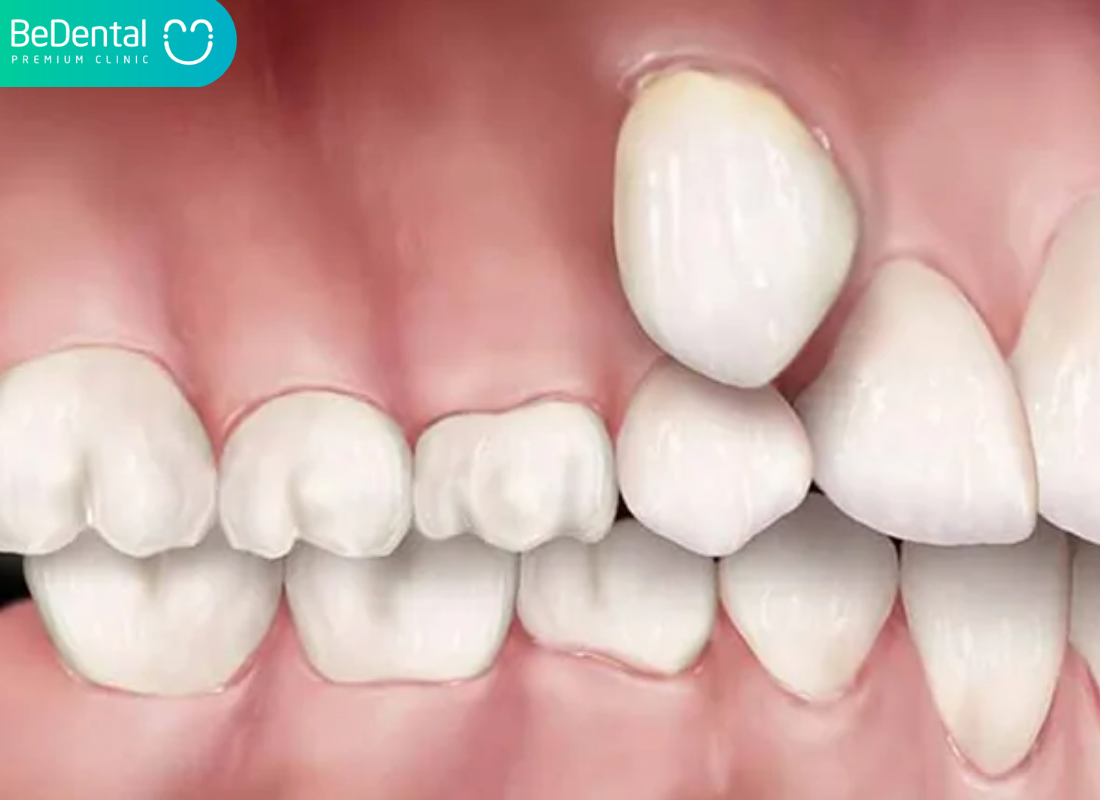
Although braces are typically not covered, there may be rare medical situations where orthodontic treatment is part of a larger medical treatment plan.
Possible exceptions include:
- Severe jaw deformities
- Congenital facial abnormalities
- Orthodontic treatment required before jaw surgery
In such cases, some hospital-based treatments related to surgery may be partially covered, but the orthodontic portion itself is often still excluded.
Patients must consult a dentist or oral surgeon to determine whether their case qualifies as medically necessary treatment.
Insurance Coverage for Foreign Patients in Vietnam
Many international patients travel to Vietnam for orthodontic treatment due to lower costs and high-quality dental care.
However, foreign dental insurance plans usually do not directly cover orthodontic treatment performed abroad unless the insurance provider allows overseas reimbursement.
Patients who plan to receive treatment in Vietnam should:
- Contact their insurance provider before treatment.
- Ask whether overseas dental care can be reimbursed.
- Request official invoices and treatment records from the dental clinic.
Cost of Braces in Vietnam Without Insurance
Even without insurance support, orthodontic treatment in Vietnam is considered highly affordable compared with many developed countries. This price advantage is one of the main reasons why international patients travel to Vietnam for dental care.
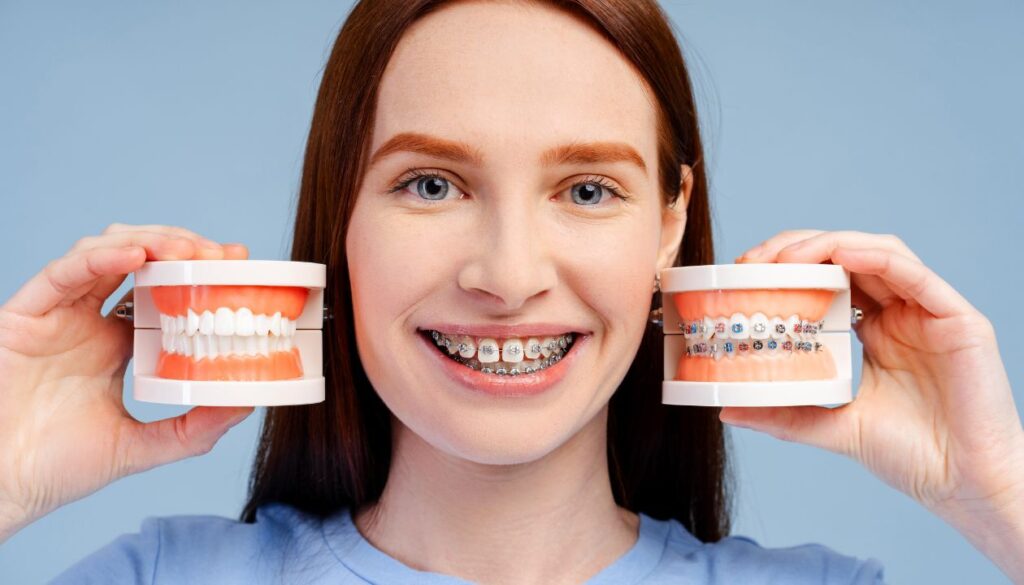
Typical Braces Cost in Vietnam
Even without insurance support, orthodontic treatment in Vietnam is considered highly affordable compared with many developed countries. This cost advantage is one of the main reasons why both local and international patients choose Vietnam for braces treatment.
| Country | Metal Braces | Ceramic Braces | Clear Aligners / Invisalign | Notes |
| Vietnam | $1,000 – $2,500 | $1,500 – $3,500 | $2,500 – $5,000 | Strong balance of affordability, modern clinics, and experienced orthodontists. |
| United States | $3,000 – $7,000 | $4,000 – $8,000 | $3,000 – $8,000 | The U.S. is one of the most expensive markets for orthodontic treatment. |
In comparison, orthodontic treatment in countries such as the United States, Canada, or Australia often costs $5,000 to $8,000 or more.
Why Braces Are Cheaper in Vietnam
Several factors contribute to the lower cost of orthodontic treatment:
- Lower labor and operational costs
In higher-income countries, dental fees often reflect not only the cost of treatment itself, but also expensive staff salaries, clinic rent, insurance systems, administrative costs, and other overhead expenses. In Vietnam, these operational costs are generally lower, which allows clinics to offer braces at more accessible prices without necessarily reducing the quality of care.
- Competitive dental market with many clinics
Vietnam has a large and increasingly competitive private dental sector, especially in major cities such as Hanoi and Ho Chi Minh City. Because many clinics provide orthodontic services, patients have more options to compare prices, treatment plans, and service quality. This competition encourages clinics to keep their fees relatively reasonable while also improving patient experience, investing in technology, and offering flexible payment options. In other words, market competition helps control prices and gives patients better overall value.
- Government regulation of healthcare pricing
Another important factor is the difference in national healthcare and pricing structures. In many developed countries, dental care is often delivered through costly private systems or partially supported public systems with limited access. Orthodontic treatment may also involve higher specialist fees, regulatory costs, and compliance expenses. In Vietnam, the overall cost structure of healthcare is generally lower, which naturally affects the final price of braces. This does not mean the treatment is inferior; rather, the surrounding economic environment allows the same type of service to be delivered at a lower price point.
- Growing dental tourism industry
Vietnam’s growing reputation as a dental tourism destination has also contributed to competitive orthodontic pricing. As more international patients travel to Vietnam for dental care, clinics have adapted by offering treatment packages that are both cost-effective and appealing to overseas visitors. This has encouraged many providers to maintain a balance between affordability and service quality. For patients, this means they can often receive braces treatment in Vietnam at a significantly lower cost than in their home country, even after accounting for travel expenses.
See more: Braces near me in Vietnam
Alternative Payment Options for Braces in Vietnam

Because braces are usually paid out-of-pocket, many dental clinics in Vietnam provide flexible payment options that make treatment more manageable for patients.
These payment methods are designed to spread the cost of orthodontic treatment over time, allowing patients to begin treatment without paying the full amount upfront.
1. Installment Payment Plans
Many orthodontic clinics allow patients to divide the treatment cost into several payments throughout the treatment process.
A typical orthodontic installment plan may look like this:
| Payment Stage | Example Payment Structure |
| Initial consultation and braces placement | 30–40% of total treatment cost |
| Mid-treatment adjustment period | 30–40% paid over several visits |
| Final stage of treatment | Remaining 20–30% paid before braces removal |
This structure aligns with the different stages of orthodontic treatment and reduces financial pressure for patients.
2. Monthly Payment Schedules
Some dental clinics offer monthly payment options, especially for patients undergoing long-term orthodontic treatment.
For example:
- Total treatment cost: $2,400
- Treatment duration: 24 months
- Monthly payment: approximately $100 per month
This system allows patients to pay gradually during the entire orthodontic process, similar to a subscription model.
Monthly payment plans are particularly popular among:
- young professionals
- university students
- international patients staying in Vietnam long term
3. Promotional Packages and Treatment Discounts

Dental clinics frequently offer promotional packages to attract new patients. These promotions may include:
- discounted consultation or diagnostic services
- free dental cleaning before braces placement
- reduced cost for certain types of braces
- free retainers after treatment
Some clinics also provide seasonal promotions or bundle packages that combine orthodontic treatment with other dental services.
4. Flexible Payment for Dental Tourists
International patients who travel to Vietnam for orthodontic treatment often receive customized payment arrangements.
For example:
- paying part of the treatment during the first visit
- returning to Vietnam for follow-up adjustments
- remote monitoring combined with periodic visits
Because orthodontic treatment requires multiple appointments over time, some clinics coordinate schedules to make treatment more convenient for foreign patients.
See more: Orthodontic Treatment in Vietnam
Should You Still Consider Braces Without Insurance?

Even though braces are not usually covered by insurance, orthodontic treatment can still provide important benefits beyond aesthetics.
These benefits include:
- Improved bite function
- Better oral hygiene
- Reduced risk of tooth wear
- Lower chance of gum disease and cavities
- Enhanced confidence and smile appearance
For many patients, these long-term health and psychological benefits make orthodontic treatment a worthwhile investment.
In Vietnam, braces are generally not covered by public health insurance because orthodontic treatment is classified as a cosmetic or elective dental procedure. Patients typically pay for braces themselves, although some private or international insurance plans may provide limited reimbursement.
Despite the lack of insurance coverage, orthodontic treatment in Vietnam remains significantly more affordable than in many other countries, making it accessible for both local residents and international patients.
Before starting treatment, it is recommended that patients consult with a qualified orthodontist and review their insurance policy to understand all available payment options and potential reimbursements.
Why Choose BeDental for Braces in Vietnam?

Specialized Orthodontic Expertise at BeDental
Orthodontic treatment at BeDental is led by certified specialists experienced in both routine alignment and complex bite correction. Each treatment plan is customized based on facial structure, dental condition, bite function, and lifestyle needs—rather than applying a one-size-fits-all approach.
Malocclusion affects approximately 60–75% of adolescents worldwide, with 20–30% requiring comprehensive orthodontic care. BeDental’s team is trained to manage cases ranging from mild crowding to severe malocclusion, including deep bite, open bite, and crossbite.
Transparent Pricing and Long-Term Treatment Support
BeDental applies an international-standard cost management model, helping patients clearly plan their orthodontic investment. Most services are eligible for dental insurance coverage (depending on individual policies).
The clinic also offers interest-free installment plans, making long-term orthodontic treatment more financially accessible—especially for students and working professionals.
After treatment, structured retention programs are provided. Regular follow-ups and professional retainer guidance help prevent relapse, ensuring long-term stability of results.
Dedicated Care for International Patients
BeDental supports overseas patients through online consultations and multilingual assistance throughout the treatment process.
Flexible scheduling allows patients to coordinate appointments with travel plans while maintaining continuity of care. With cross-border dental demand increasing by 15–20% annually, BeDental’s organized coordination system ensures predictable treatment outcomes for both local and international patients.
In summary, although foreign insurance plans rarely provide direct coverage for orthodontic treatment in Vietnam, some patients may still receive partial reimbursement depending on their policy. Even without insurance, braces in Vietnam remain significantly more affordable than in many Western countries. Additionally, flexible payment plans and installment options offered by dental clinics allow patients to spread the cost of treatment over time, making orthodontic care more accessible for both local residents and international patients.