

 English
 한국어
한국어 日本語
日本語 中文 (中国)


Single arch braces in Vietnam: Orthodontic treatment is commonly associated with braces placed on both the upper and lower teeth. However, in some cases, patients only require treatment on one dental arch, either the upper arch or the lower arch. This treatment approach is known as single arch braces.
In Vietnam, single arch orthodontic treatment is increasingly offered by dental clinics as a more affordable and targeted solution for patients with minor alignment problems. However, it is not suitable for everyone, and orthodontists must carefully evaluate the bite before recommending this option.
This article explains what single arch braces are, when they are appropriate, how they work in Vietnam, and how they compare with full orthodontic treatment.
What Are Single Arch Braces?
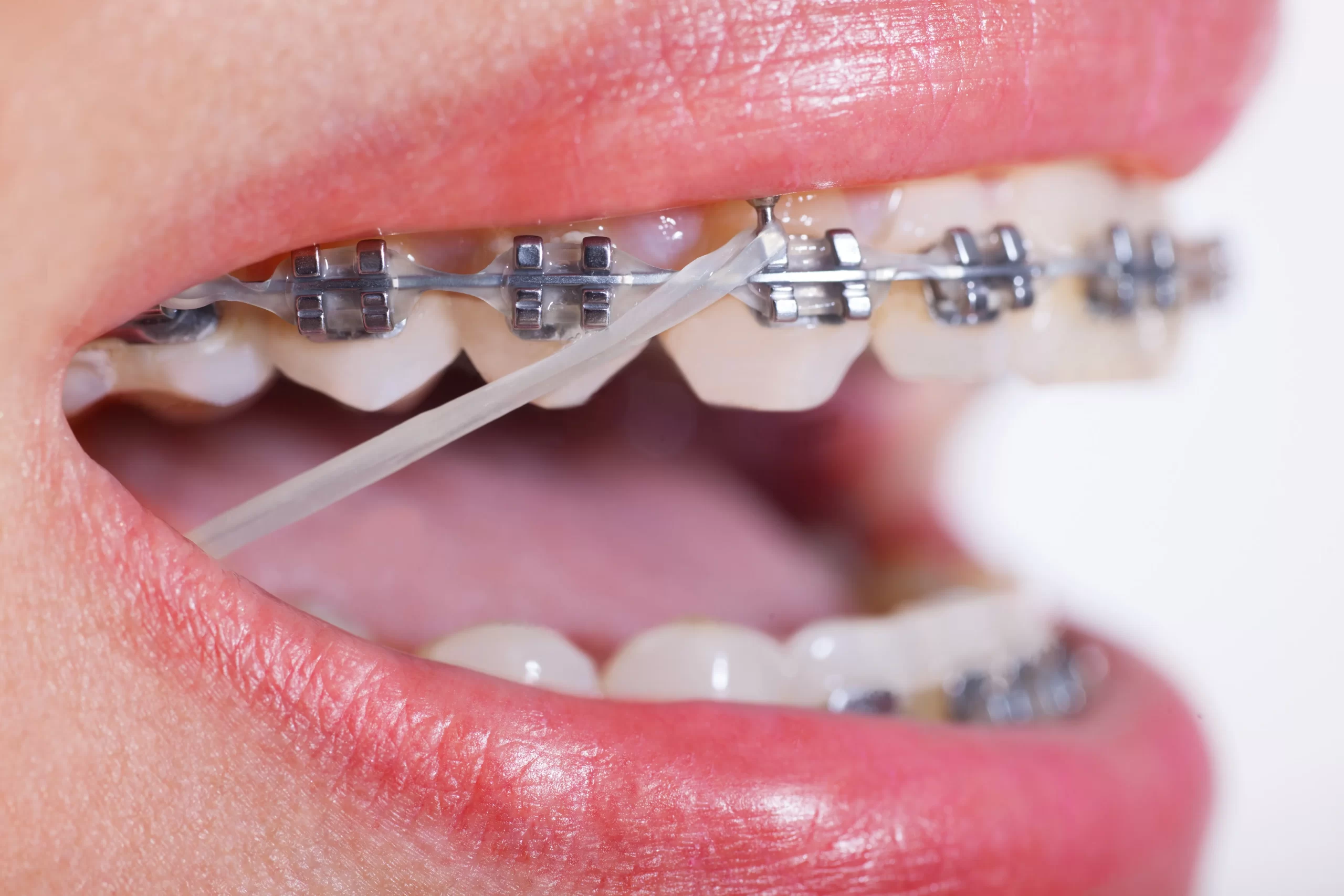
Single arch braces refer to orthodontic treatment where brackets are applied to only one dental arch, either:
- Upper arch braces (braces only on upper teeth)
- Lower arch braces (braces only on lower teeth)
Instead of correcting the alignment of both jaws, the orthodontist focuses on one set of teeth that requires adjustment.
This approach may be used when:
- Only one arch has crowding or spacing problems
- Bite alignment between upper and lower teeth is already acceptable
- The orthodontic issue is mild and localized
However, orthodontists must carefully assess the occlusion (bite relationship) before recommending this treatment.
See more: Does getting braces hurt? Which stage is the most painful?
Advantages and Limitations of Single Arch Braces
Single arch orthodontic treatment (braces placed on only the upper or lower teeth) can be an effective solution for minor alignment problems. However, like any dental treatment, it has both advantages and limitations that patients should understand before starting orthodontic care.
Below is a comparison table summarizing the key benefits and potential drawbacks of single arch braces.
| Aspect | Description | Practical Explanation |
| Advantages | ||
| Lower treatment cost | The cost is usually 30–50% lower than full braces because only one dental arch is treated. | Patients save money on brackets, wires, and orthodontic adjustments since fewer teeth are involved. |
| Shorter treatment time | Moving fewer teeth often leads to faster orthodontic results. | Many single arch treatments can be completed in 6–12 months, compared with 18–24 months for full braces. |
| Simpler treatment process | Fewer brackets and wires are used during treatment. | This may make oral hygiene easier, because patients only need to clean around braces on one arch. |
| Aesthetic improvement | Helps improve the appearance of the smile when misalignment occurs only in one arch. | Ideal for patients who mainly want cosmetic improvement of front teeth without full orthodontic treatment. |
| Limitations | ||
| Bite problems may not be corrected | Full orthodontic treatment typically focuses on both tooth alignment and bite relationship. | Single arch braces may align teeth but cannot always correct deeper bite problems between upper and lower teeth. |
| Risk of bite imbalance | Moving teeth in one arch without adjusting the opposing arch may affect how teeth meet. | This may create improper bite contact if treatment planning is not carefully performed. |
| Not suitable for complex cases | Some orthodontic conditions require treatment of both arches. | Cases such as overbite, underbite, crossbite, or severe crowding usually require full braces for effective correction. |
Single arch braces can be a cost-effective and efficient solution for mild orthodontic issues that affect only one dental arch. However, because orthodontic treatment also involves the overall bite relationship, dentists must carefully evaluate the patient’s dental condition before recommending this option.
For patients with more complex bite problems, full orthodontic treatment involving both arches is often necessary to achieve stable and long-term results.
See more: Braces near me in Vietnam
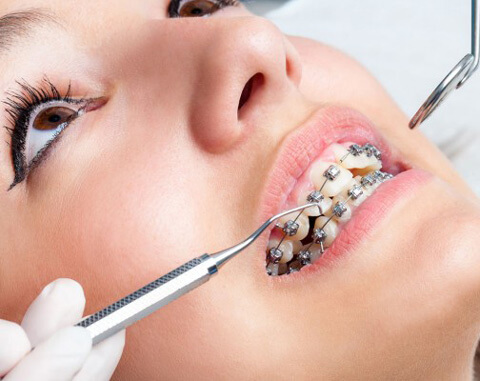
Single Arch Braces vs Full Braces
| Feature | Single Arch Braces | Full Braces |
| Number of arches treated | Braces are applied to only one dental arch, either the upper teeth or the lower teeth. The untreated arch remains unchanged during orthodontic treatment. | Braces are placed on both upper and lower arches. Orthodontists adjust both sets of teeth simultaneously to improve alignment and bite function. |
| Treatment goal | The primary goal is to correct localized alignment issues such as mild crowding, spacing, or minor cosmetic misalignment in one arch. This treatment focuses more on improving the appearance of the teeth rather than correcting complex bite problems. | Full braces aim to correct overall tooth alignment and bite relationship (occlusion). The orthodontist adjusts how the upper and lower teeth fit together while also aligning each tooth into the correct position. |
| Cost | Generally 30–50% lower than full orthodontic treatment because fewer brackets, wires, and adjustments are required. Patients pay for treatment on only one arch, which reduces material and labor costs. | Higher overall cost because braces are applied to both arches and require more orthodontic adjustments, longer monitoring, and additional materials. Comprehensive orthodontic treatment also involves more detailed treatment planning. |
| Treatment duration | Usually shorter, often ranging from 6 to 12 months for mild cases. Since fewer teeth are being moved, orthodontic changes may occur faster. | Typically 18 to 24 months, depending on the complexity of the case. More severe orthodontic problems may require even longer treatment to properly align teeth and correct bite issues. |
| Suitable for | Best suited for mild orthodontic cases, such as slight crowding of the front teeth, small gaps, or minor relapse after previous braces. The patient’s bite must already be relatively stable for this approach to work effectively. | Recommended for moderate to complex orthodontic cases, including overbite, underbite, crossbite, severe crowding, jaw misalignment, or cases where the upper and lower teeth do not fit together properly. |
| Impact on bite correction | Limited ability to change the overall bite relationship because only one arch is treated. Orthodontists must ensure the treatment does not disrupt the natural bite. | Provides comprehensive bite correction, allowing orthodontists to adjust both arches so the teeth meet properly during chewing and speaking. |
| Orthodontic control | More limited because movement occurs only in one arch. Orthodontists must carefully plan treatment to avoid creating new bite issues. | Provides full orthodontic control, allowing dentists to move multiple teeth across both arches and achieve balanced alignment and bite function. |
When Are Single Arch Braces Recommended?
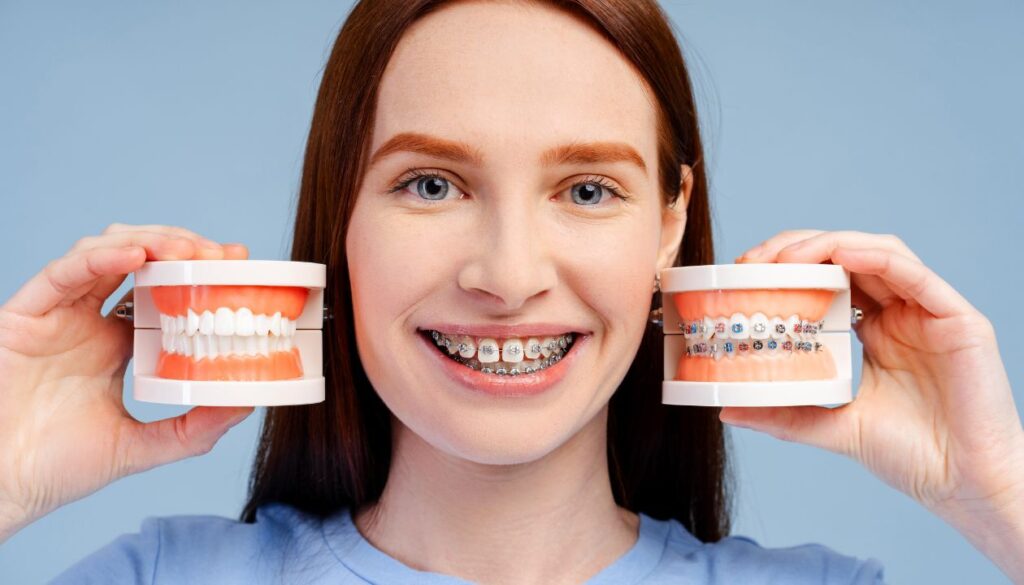
Single arch braces are typically recommended only in specific orthodontic situations. Treating one arch without considering the overall bite may create new alignment problems if not planned properly.
Below are common situations where orthodontists in Vietnam may recommend this treatment.
| Situation | Description | Why Single Arch Braces May Work |
| Mild crowding in one arch | Teeth are slightly overlapping in either the upper or lower arch. | Aligning only the crowded arch may restore proper tooth spacing. |
| Small gaps between teeth | Minor spacing problems occur only in one arch. | Orthodontic force can close the gaps without affecting the opposite arch. |
| Relapse after previous braces | Teeth in one arch shift after previous orthodontic treatment. | Single arch braces can correct relapse without repeating full treatment. |
| Cosmetic improvement of front teeth | The front teeth in one arch are slightly misaligned but bite remains stable. | Treatment focuses on aesthetic correction rather than full bite modification. |
Orthodontists must confirm that correcting one arch will not disrupt the bite relationship between the upper and lower teeth.
See more: Orthodontic Treatment in Vietnam
Cost of Single Arch Braces in Vietnam
One of the main advantages of single arch orthodontic treatment is that it generally costs significantly less than full braces, since the dentist only places brackets or aligners on one dental arch (upper or lower teeth).
In Vietnam, orthodontic treatment is also considerably more affordable than in many Western countries, making the country an increasingly popular destination for orthodontic care and dental tourism.
When compared internationally, the cost of orthodontic treatment in Vietnam is significantly lower, even for high-quality dental clinics with modern equipment.
| Country | Metal Braces (Single Arch Equivalent Estimate) | Clear Aligners | Notes |
| Vietnam | $600 – $1,200 | $1,500 – $3,000 | Affordable pricing and growing dental tourism industry. |
| United States | $2,500 – $4,000 | $3,500 – $6,000 | High labor costs and expensive healthcare system. |
| United Kingdom | $2,000 – $3,500 | $3,000 – $5,500 | Private orthodontic treatment can be costly outside the NHS system. |
| Australia | $2,500 – $4,500 | $4,000 – $6,500 | Orthodontic services typically provided by private clinics. |
| Canada | $2,500 – $4,000 | $4,000 – $6,000 | Orthodontics rarely covered by public healthcare. |
In many Western countries, orthodontic treatment costs are three to five times higher than in Vietnam.
Why Choose BeDental for Braces in Vietnam?

Specialized Orthodontic Expertise at BeDental
Orthodontic treatment at BeDental is led by certified specialists experienced in both routine alignment and complex bite correction. Each treatment plan is customized based on facial structure, dental condition, bite function, and lifestyle needs—rather than applying a one-size-fits-all approach.
Malocclusion affects approximately 60–75% of adolescents worldwide, with 20–30% requiring comprehensive orthodontic care. BeDental’s team is trained to manage cases ranging from mild crowding to severe malocclusion, including deep bite, open bite, and crossbite.
Transparent Pricing and Long-Term Treatment Support
BeDental applies an international-standard cost management model, helping patients clearly plan their orthodontic investment. Most services are eligible for dental insurance coverage (depending on individual policies).
The clinic also offers interest-free installment plans, making long-term orthodontic treatment more financially accessible—especially for students and working professionals.
After treatment, structured retention programs are provided. Regular follow-ups and professional retainer guidance help prevent relapse, ensuring long-term stability of results.
Dedicated Care for International Patients
BeDental supports overseas patients through online consultations and multilingual assistance throughout the treatment process.
Flexible scheduling allows patients to coordinate appointments with travel plans while maintaining continuity of care. With cross-border dental demand increasing by 15–20% annually, BeDental’s organized coordination system ensures predictable treatment outcomes for both local and international patients.
Conclusion
Single arch braces in Vietnam provide an affordable and efficient orthodontic solution for patients with mild alignment problems affecting only one dental arch. This treatment can improve tooth alignment, close small gaps, and correct minor crowdding without requiring full orthodontic treatment.
However, single arch braces are not suitable for all patients, especially those with bite problems or complex orthodontic conditions. A comprehensive evaluation by an experienced orthodontist is essential to determine whether this treatment approach is appropriate.
With modern dental technology, skilled orthodontists, and competitive pricing, Vietnam continues to be a popular destination for patients seeking high-quality and cost-effective orthodontic care.