

 English
 한국어
한국어 日本語
日本語 中文 (中国)


Which teeth should get braces in Vietnam? Vietnam has become an increasingly popular destination for orthodontic treatment, not only among local patients but also among international visitors seeking high-quality dental care at affordable prices. Over the past decade, modern dental clinics across the country have invested heavily in advanced orthodontic technologies, experienced specialists, and streamlined treatment processes.
One of the reasons many patients choose Vietnam for braces is the combination of competitive pricing, efficient treatment planning, and internationally trained orthodontists. As a result, Vietnam is now recognized as one of the most attractive destinations for orthodontic treatment in Southeast Asia.
Understanding which teeth need braces and why orthodontic treatment in Vietnam is considered efficient and affordable can help patients make better decisions before starting treatment.
Why Orthodontic Treatment in Vietnam Is Highly Competitive
Vietnam’s dental industry has grown rapidly thanks to a combination of factors that make orthodontic care both effective and accessible.
Affordable Treatment Costs
Compared with many developed countries, orthodontic treatment in Vietnam is significantly more affordable while still maintaining high professional standards.
Typical orthodontic costs in Vietnam include:
| Type of Braces | Average Cost in Vietnam | Average Cost Overseas |
| Metal braces | $1,000 – $2,000 | $4,000 – $7,000 |
| Ceramic braces | $1,500 – $3,000 | $5,000 – $8,000 |
| Clear aligners | $2,500 – $5,000 | $6,000 – $9,000 |
Several factors contribute to this price advantage:
- Lower operational costs for dental clinics
- Highly competitive dental market
- Increasing number of orthodontic specialists
- Government support for healthcare and medical tourism
Despite the lower cost, many dental clinics in Vietnam use imported orthodontic materials and modern digital treatment planning systems.
See more: Orthodontic Treatment in Vietnam
Which Teeth Should Get Braces in Vietnam?
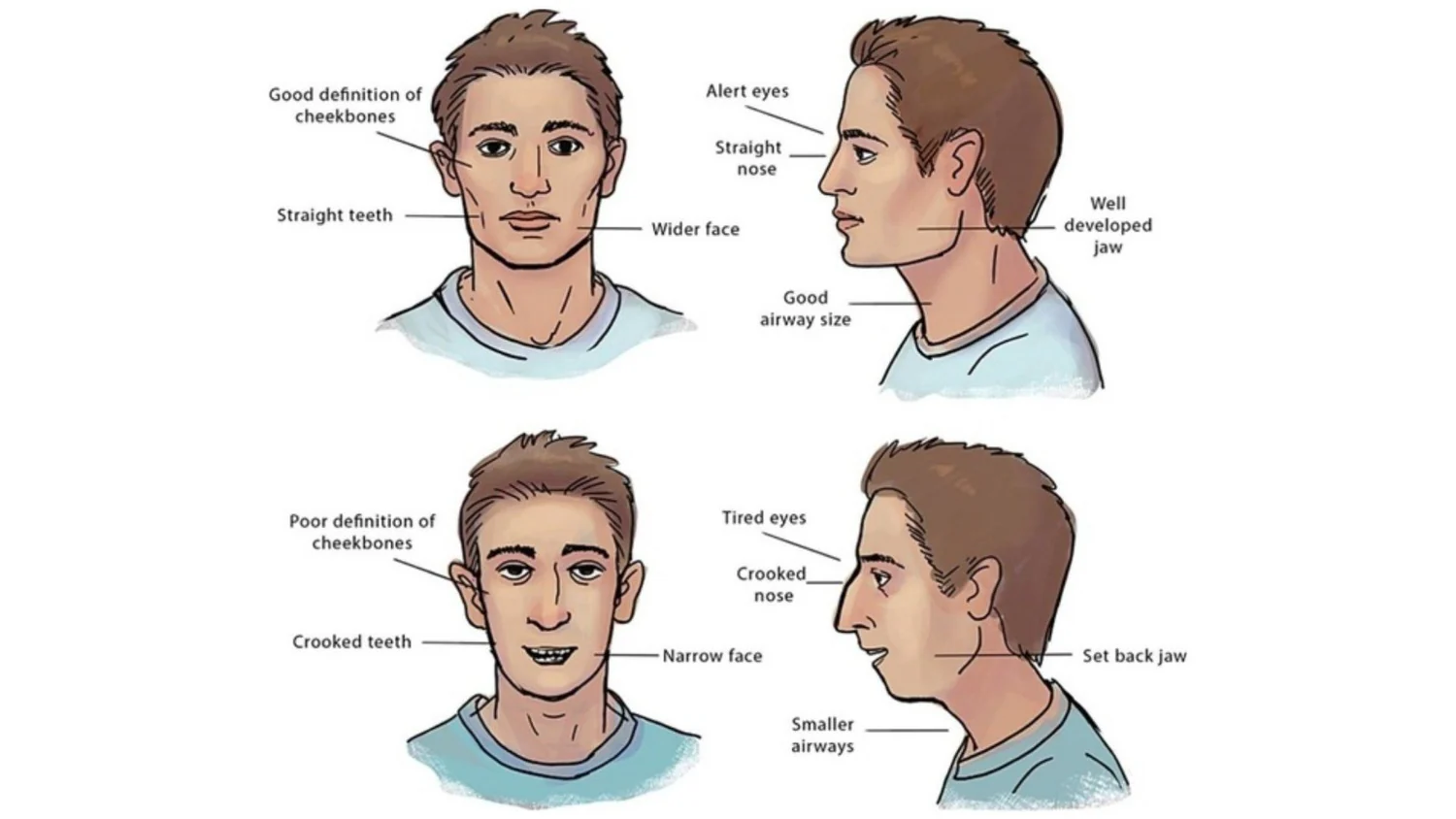
Although patients often notice only crooked front teeth, orthodontic treatment usually involves multiple teeth working together to create a balanced bite.
The most common teeth treated with braces include:
| Tooth Type | Role in Orthodontic Treatment | Common Problems | Why Braces Are Needed |
| Front Teeth (Incisors) | These are the most visible teeth when smiling and are usually the first teeth patients notice when they are misaligned. | Crowded front teeth, gaps between teeth, protruding teeth, rotated teeth. | Braces help move the incisors into proper alignment, improving smile aesthetics, speech clarity, and overall oral hygiene. |
| Canine Teeth | Canines guide how the upper and lower teeth meet and help maintain facial structure and bite balance. | High-positioned canines, protruding “vampire teeth,” or impacted canines. | Orthodontic treatment gradually moves canines into the dental arch, helping create a balanced bite and a more symmetrical smile. |
| Premolars | Premolars support chewing and help maintain the width and balance of the dental arch. | Crowding, misalignment, or lack of space for other teeth. | In some cases, orthodontists may extract premolars to create space for proper alignment, though modern treatments often aim to avoid extractions when possible. |
| Molars | Molars act as anchors during orthodontic treatment and are essential for chewing and bite stability. | Bite misalignment, improper contact between upper and lower molars. | Orthodontists often attach metal bands to molars to support braces and ensure the upper and lower teeth fit together correctly. |
Popular Types of Braces in Vietnam
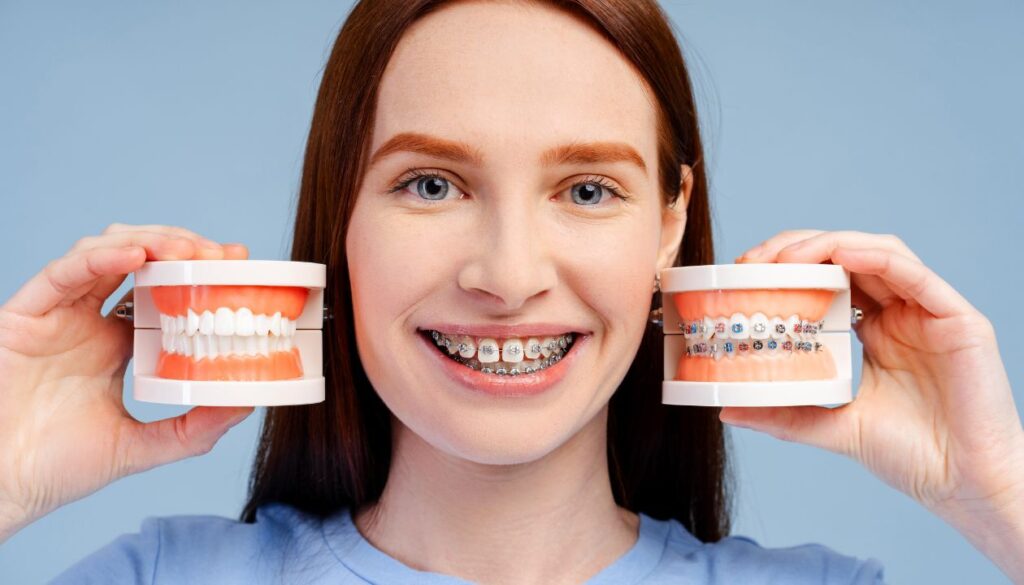
Vietnamese dental clinics offer a wide variety of orthodontic options, allowing patients to choose based on their budget and aesthetic preferences.
Common options include:
| Type of Braces | Description | Average Cost in Vietnam | Advantages | Limitations | Popularity at BeDental* |
| Metal Braces | Traditional braces using stainless-steel brackets and archwires to gradually move teeth. | $1,000 – $2,000 | Most effective for complex orthodontic cases, highly durable, fastest tooth movement. | More visible than other options. | ≈55–60% of patients |
| Ceramic Braces | Brackets made from tooth-colored ceramic materials, making them less noticeable than metal braces. | $1,500 – $3,000 | Better aesthetics while still maintaining strong orthodontic control. | Slightly more expensive; brackets can be more fragile. | ≈25–30% of patients |
| Clear Aligners (e.g., Invisalign) | Transparent removable aligners that gradually shift teeth using a series of custom trays. | $2,500 – $5,000 | Nearly invisible, removable for eating and cleaning, comfortable. | Higher cost and may be less suitable for severe orthodontic problems. | ≈10–15% of patients |
Why Many International Patients Choose Vietnam for Braces
Vietnam has gradually become a destination for dental tourism, especially for orthodontic treatment.
International patients often choose Vietnam because of:
1. Significantly More Affordable Orthodontic Treatment
One of the most important factors attracting international patients is the substantial difference in treatment cost between Vietnam and many developed countries.
In Western countries, orthodontic treatment can cost between $4,000 and $8,000, depending on the type of braces and treatment complexity. In contrast, the same treatment in Vietnam typically ranges from $1,000 to $3,000.
This price difference exists because:
- Labor and operational costs in Vietnam are lower.
- Dental clinics face strong competition, which encourages competitive pricing.
- The cost of clinic facilities and administrative services is generally lower than in developed countries.
Importantly, the lower cost does not necessarily mean lower quality. Many Vietnamese dental clinics use internationally recognized orthodontic materials and technologies while maintaining affordable pricing structures.
For international patients, this means they can save thousands of dollars on orthodontic treatment while still receiving professional care.
2. Highly Skilled and Experienced Orthodontists
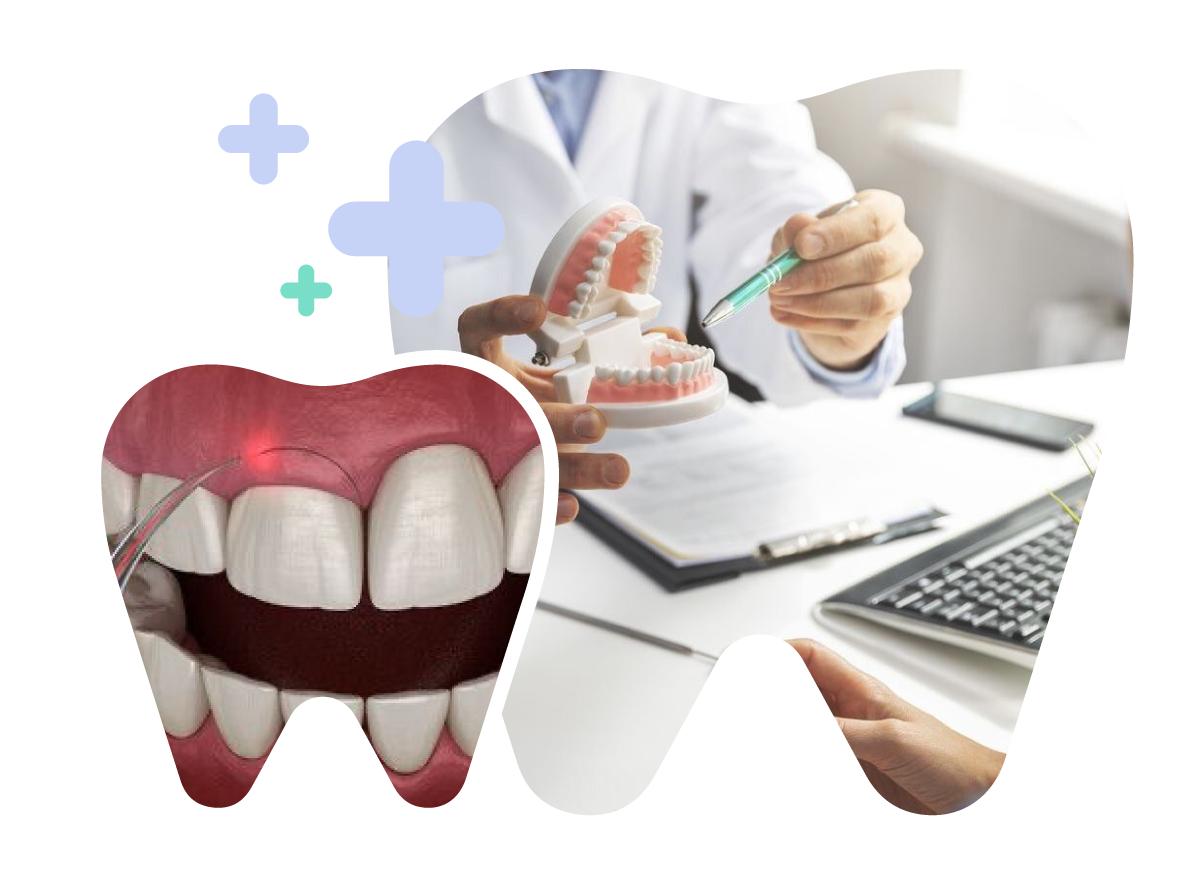
Another reason Vietnam attracts dental tourists is the increasing number of well-trained orthodontists with international exposure.
Many Vietnamese orthodontists:
- Receive specialized orthodontic training abroad
- Attend international dental conferences
- Participate in continuing professional education programs
Because orthodontics is a highly specialized field, experienced orthodontists are essential for achieving safe and effective results. Vietnamese clinics have invested heavily in training and professional development, ensuring that patients receive care aligned with global orthodontic standards.
Additionally, orthodontists in Vietnam often treat a large number of cases each year, allowing them to build extensive clinical experience with different types of malocclusion and dental conditions.
3. Modern Dental Technology and Equipment
Modern dental clinics in Vietnam increasingly adopt advanced orthodontic technologies that improve both treatment accuracy and patient comfort.
Common technologies used in leading Vietnamese dental clinics include:
- 3D intraoral scanners for precise digital impressions
- Digital orthodontic simulation software that predicts tooth movement
- Panoramic and cephalometric X-ray systems for detailed diagnosis
- Advanced orthodontic brackets and archwire systems
These technologies allow orthodontists to develop more precise treatment plans, minimize unnecessary adjustments, and monitor tooth movement throughout the treatment process.
For international patients, this means treatment in Vietnam can be both technologically advanced and cost-effective.
See more: Braces near me in Vietnam
4. Efficient Treatment Scheduling
Another advantage of orthodontic treatment in Vietnam is the flexible and efficient appointment system.
In many developed countries, patients may wait several weeks or even months before receiving orthodontic consultation or treatment.
In Vietnam, however:
- Initial consultations are often available within a few days.
- Treatment planning can sometimes be completed on the same day as the consultation.
- Braces installation can be scheduled quickly after diagnosis.
This efficient scheduling system is particularly beneficial for international patients who travel for dental treatment and want to maximize the value of their time in the country.
5. Short Waiting Times and Streamlined Procedures
Vietnamese dental clinics are known for streamlined patient workflows, which reduce waiting times and improve the overall patient experience.
Typical orthodontic visits in Vietnam are relatively efficient:
- Consultation: 30–60 minutes
- Braces installation: 60–90 minutes
- Adjustment appointments: 20–30 minutes
Because clinics often manage appointments efficiently, patients can complete multiple steps of their treatment in a single visit.
For dental tourists, this makes it easier to combine orthodontic treatment with travel or short-term stays in Vietnam.
6. English-Speaking Staff and International Patient Services
Many dental clinics that serve international patients provide English-speaking staff and dentists, which helps reduce communication barriers during treatment.
International patient services may include:
- English-language consultations
- Clear explanations of treatment plans
- Assistance with appointment scheduling
- Follow-up guidance for patients returning to their home countries
Some clinics also provide remote follow-up consultations, allowing orthodontists to monitor patient progress even after they return home.
These services make orthodontic treatment in Vietnam more accessible and comfortable for foreign patients.
Why Choose BeDental for Braces in Vietnam?
Specialized Orthodontic Expertise at BeDental
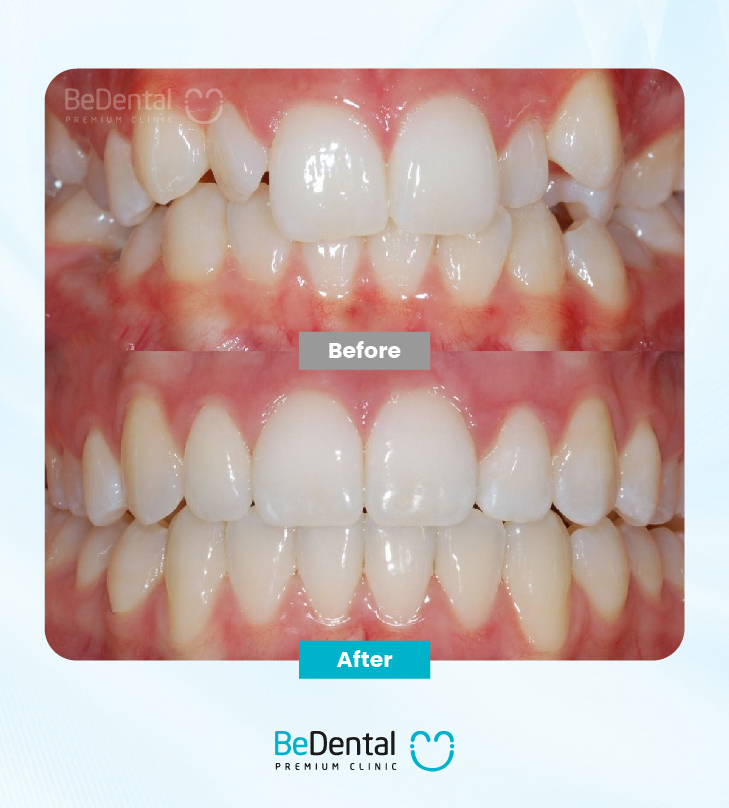
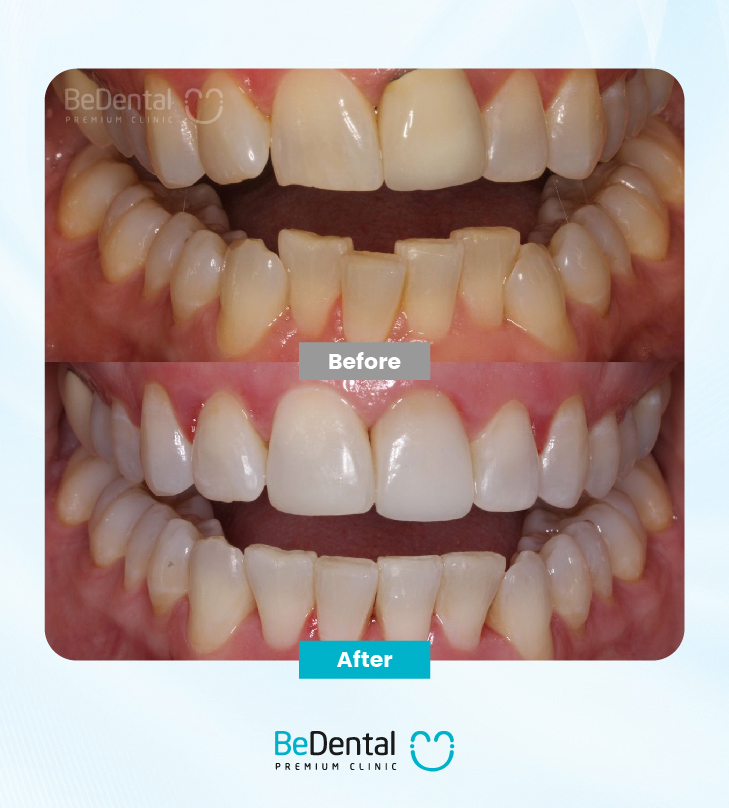
Orthodontic treatment at BeDental is led by certified specialists experienced in both routine alignment and complex bite correction. Each treatment plan is customized based on facial structure, dental condition, bite function, and lifestyle needs—rather than applying a one-size-fits-all approach.
Malocclusion affects approximately 60–75% of adolescents worldwide, with 20–30% requiring comprehensive orthodontic care. BeDental’s team is trained to manage cases ranging from mild crowding to severe malocclusion, including deep bite, open bite, and crossbite.
Transparent Pricing and Long-Term Treatment Support
BeDental applies an international-standard cost management model, helping patients clearly plan their orthodontic investment. Most services are eligible for dental insurance coverage (depending on individual policies).
The clinic also offers interest-free installment plans, making long-term orthodontic treatment more financially accessible—especially for students and working professionals.
After treatment, structured retention programs are provided. Regular follow-ups and professional retainer guidance help prevent relapse, ensuring long-term stability of results.
Dedicated Care for International Patients
BeDental supports overseas patients through online consultations and multilingual assistance throughout the treatment process.
Flexible scheduling allows patients to coordinate appointments with travel plans while maintaining continuity of care. With cross-border dental demand increasing by 15–20% annually, BeDental’s organized coordination system ensures predictable treatment outcomes for both local and international patients.
See more: Does getting braces hurt? Which stage is the most painful?
Conclusion
Orthodontic treatment in Vietnam offers a compelling combination of professional expertise, modern technology, efficient treatment workflows, and competitive pricing.
While braces typically involve multiple teeth—including incisors, canines, premolars, and molars—the goal of treatment is always to create a balanced bite and a healthy, confident smile.
With affordable costs, efficient treatment processes, and increasingly advanced dental clinics, Vietnam has become one of the most attractive destinations for orthodontic care in the region.