

 English
 한국어
한국어 日本語
日本語 中文 (中国)


Gum recession during braces in Vietnam is one of the potential periodontal complications that may occur during orthodontic treatment. It refers to the apical migration of the gingival margin, exposing the root surface of the tooth. Although braces are designed to improve tooth alignment and overall oral health, certain biological and mechanical factors during orthodontic treatment can contribute to gum recession if not properly managed.
In Vietnam, as orthodontic treatment becomes more common, dentists increasingly emphasize periodontal monitoring during braces to prevent complications such as gingival recession, inflammation, or bone loss.
What Is Gum Recession?
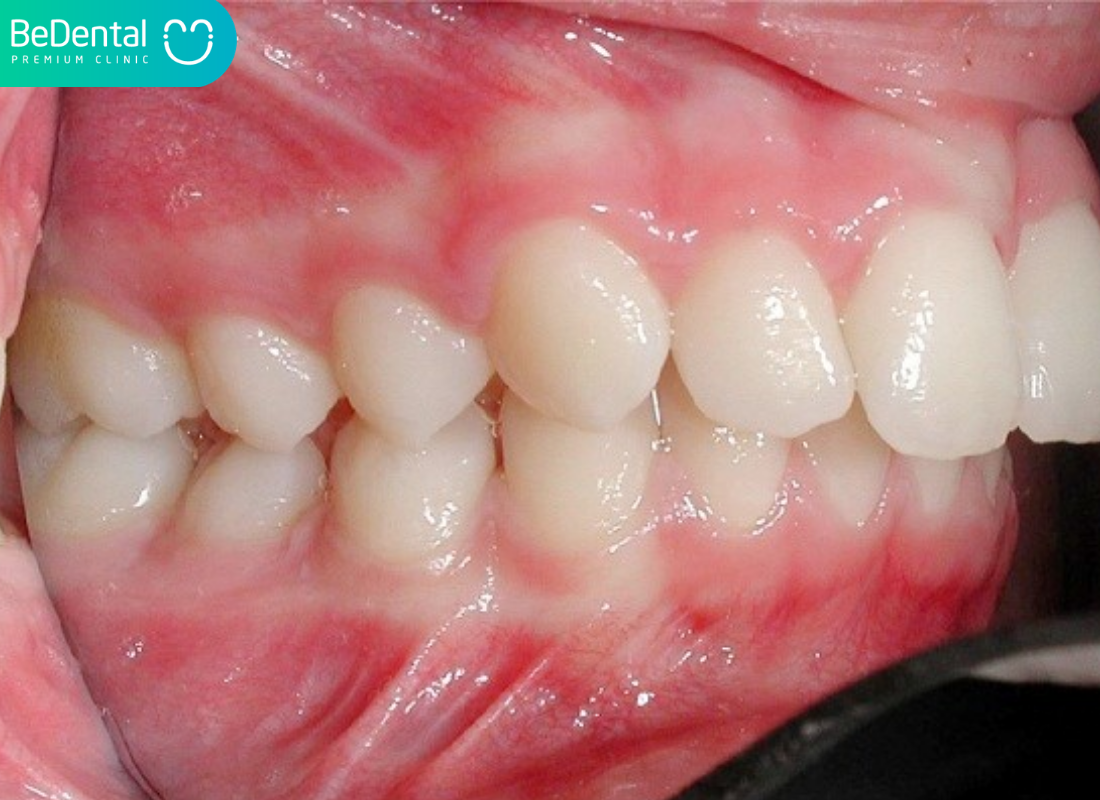
Gum recession occurs when the gum tissue surrounding the teeth gradually pulls back, exposing more of the tooth or even the tooth root. This condition may lead to:
- Increased tooth sensitivity
- Higher risk of root caries
- Aesthetic concerns, especially in the front teeth
- Potential periodontal damage if untreated
During orthodontic treatment, tooth movement requires bone remodeling and soft-tissue adaptation. If this process occurs outside the biological limits of the supporting bone or in patients with thin gum tissue, recession may develop.
See more: Does getting braces hurt? Which stage is the most painful?
How Common Is Gum Recession During Braces?
Research shows that gingival recession during orthodontic treatment occurs in roughly 1.3%–12% of patients, depending on the population studied and clinical conditions.
Some studies also report that around 5–12% of orthodontic patients develop noticeable gum recession, while long-term follow-ups may show higher rates when very mild recession is included.
In Vietnam, the overall risk is generally similar to global findings, but the prevalence can vary slightly depending on differences in oral hygiene habits, preventive dental care systems, and orthodontic monitoring practices.
Below is a comparison of the likelihood of gum recession during braces in Vietnam and other regions, along with the main reasons behind these differences.
| Region | Estimated Prevalence During Orthodontic Treatment | Explanation of Differences |
| Vietnam | ~5–12% | The risk level is generally close to the global average. However, patients in Vietnam often begin orthodontic treatment later, sometimes in adulthood, when gum tissue may already show signs of sensitivity or mild periodontal issues. Preventive dental visits are increasing but are still less routine than in many Western countries. As a result, some patients start braces without extensive periodontal screening beforehand, which may slightly increase the likelihood of mild gum recession. |
| United States & Canada | ~5–10% | Preventive dentistry is deeply integrated into the healthcare culture. Many patients undergo regular dental examinations and professional cleanings before orthodontic treatment begins. Orthodontists also commonly evaluate gum thickness and bone support using advanced imaging before moving teeth significantly. Because periodontal conditions are closely monitored throughout treatment, the incidence of severe gum recession tends to be lower. |
| Western Europe (UK, Germany, Italy) | ~4–10% | In many European countries, orthodontic treatment often starts earlier due to public healthcare programs and school-based dental screening. Early treatment during adolescence allows orthodontists to guide tooth movement while jaw growth is still occurring, which reduces stress on the gum and bone structures. Additionally, structured periodontal risk assessments are frequently conducted before and during treatment. |
Main Causes of Gum Recession During Orthodontic Treatment
See more: Braces near me in Vietnam
| Cause | Explanation | Internal BeDental Data |
| Poor Oral Hygiene | Braces create extra areas where plaque and food debris can collect, especially around brackets, wires, and along the gumline. If these deposits are not cleaned properly, they can lead to gingivitis and periodontal inflammation, which may gradually contribute to gum recession. This is considered one of the most common causes of gum recession during orthodontic treatment. | Based on internal monitoring at BeDental, approximately 49% of orthodontic patients who showed early signs of gum irritation during treatment had visible plaque accumulation around brackets and gum margins. |
| Excessive Orthodontic Force | Orthodontic treatment depends on controlled force to move teeth safely through the bone. If the force is too strong or if teeth are moved beyond the alveolar bone support, this may result in bone thinning, soft tissue instability, and recession of the gum margin. Modern orthodontic planning aims to use light, biologically controlled forces to reduce this risk. | According to BeDental’s internal case reviews, around 11% of patients with localized gum recession during braces had tooth movement patterns considered at higher soft tissue risk, especially in areas with limited bone support. |
| Thin Gum Biotype | Some patients naturally have thin gingival tissue and thin alveolar bone, making them more vulnerable to recession during orthodontic tooth movement. The lower front teeth are particularly at risk because the supporting bone in this area is often thinner. | At BeDental, nearly 36% of orthodontic patients identified as having a thin gum biotype required closer periodontal monitoring throughout treatment, particularly in the lower incisor region. |
| Pre-existing Periodontal Disease | Patients who already have gum inflammation or periodontal disease before starting braces are at greater risk of developing gum recession. For this reason, dentists usually recommend professional cleaning and periodontal evaluation before orthodontic treatment begins. | Based on internal screening data at BeDental, about 24% of new braces patients showed signs of mild gingival inflammation at the initial consultation, and these patients were more likely to need preventive gum care before bracket placement. |
| Aggressive Tooth Brushing | Brushing too hard, especially with a hard-bristle toothbrush, can wear away the gum margin over time. During braces treatment, this risk may increase because patients oft |
See more: Orthodontic Treatment in Vietnam
Can Gum Recession Be Treated?
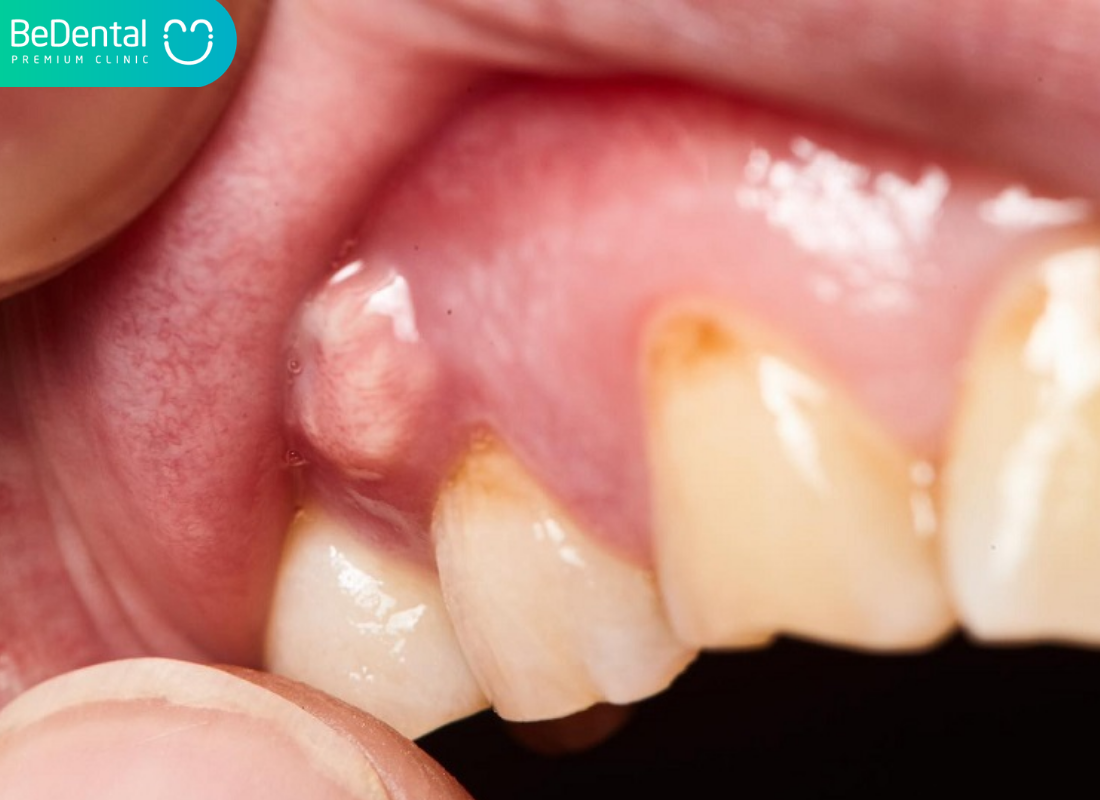
If gum recession occurs during orthodontic treatment, the management approach depends on how severe the condition is. Mild cases can often be stabilized with improved oral care and orthodontic adjustments, while moderate to severe cases may require periodontal procedures to restore gum coverage and protect the tooth root.
| Severity Level | Common Treatments | Purpose / Outcome |
| Mild Gum Recession | Improved oral hygiene
Professional dental cleaning Adjustment of orthodontic forces |
Helps reduce inflammation, control plaque, and stabilize gum tissue to prevent further recession. In some cases, gum health can improve once irritation is eliminated. |
| Moderate to Severe Gum Recession | Gum graft surgery
Soft tissue regeneration procedures Periodontal therapy |
Restores gum coverage over exposed tooth roots, protects teeth from sensitivity and decay, and improves long-term periodontal stability. |
Early detection is important because managing gum recession in its early stages can help prevent more complex periodontal treatments later. Regular orthodontic checkups allow dentists to monitor gum health throughout braces treatment and adjust the treatment plan if necessary.
Treatment costs in Vietnam are generally much lower than in countries such as the United States, the United Kingdom, and Singapore, making Vietnam a highly cost-effective option for gum recession care. Basic services such as dental check-ups and professional cleaning remain especially affordable, which allows patients to seek early treatment without facing the high financial burden often seen in Western markets.
This price advantage becomes even more noticeable in more advanced periodontal procedures. While treatments such as gum grafting or soft tissue regeneration can be expensive in the US, UK, or Singapore, the same types of care in Vietnam are typically offered at a far more accessible price range. As a result, Vietnam is often seen as an attractive destination for patients who want quality dental treatment at a more reasonable cost.
| Treatment for Gum Recession | Vietnam | United States | United Kingdom | Singapore |
| Dental check-up / periodontal evaluation | $10–$15 | $50–$150 | $50–$130 | $20–$80 |
| Professional dental cleaning | $14–$25 | $75–$200 | $60–$150 | $50–$120 |
| Orthodontic force adjustment / follow-up visit | Often included in braces package | Often included | Often included | Often included |
| Non-surgical periodontal therapy | $75–$200 | $200–$800 | $180–$700 | $150–$500 |
| Gum graft surgery | $300–$900 | $600–$3,000 per site | $500–$2,500 | $700–$2,500 |
| Soft tissue regeneration procedures | $350–$1,000 | $800–$3,500 | $600–$2,800 | $800–$3,000 |
Why Choose BeDental for Braces in Vietnam?
Specialized Orthodontic Expertise at BeDental
Orthodontic treatment at BeDental is led by certified specialists experienced in both routine alignment and complex bite correction. Each treatment plan is customized based on facial structure, dental condition, bite function, and lifestyle needs—rather than applying a one-size-fits-all approach.
Malocclusion affects approximately 60–75% of adolescents worldwide, with 20–30% requiring comprehensive orthodontic care. BeDental’s team is trained to manage cases ranging from mild crowding to severe malocclusion, including deep bite, open bite, and crossbite.
Transparent Pricing and Long-Term Treatment Support
BeDental applies an international-standard cost management model, helping patients clearly plan their orthodontic investment. Most services are eligible for dental insurance coverage (depending on individual policies).
The clinic also offers interest-free installment plans, making long-term orthodontic treatment more financially accessible—especially for students and working professionals.
After treatment, structured retention programs are provided. Regular follow-ups and professional retainer guidance help prevent relapse, ensuring long-term stability of results.
Dedicated Care for International Patients
BeDental supports overseas patients through online consultations and multilingual assistance throughout the treatment process.
Flexible scheduling allows patients to coordinate appointments with travel plans while maintaining continuity of care. With cross-border dental demand increasing by 15–20% annually, BeDental’s organized coordination system ensures predictable treatment outcomes for both local and international patients.
BeDental Patient Stories
- A Student with Early Gum Recession During Braces
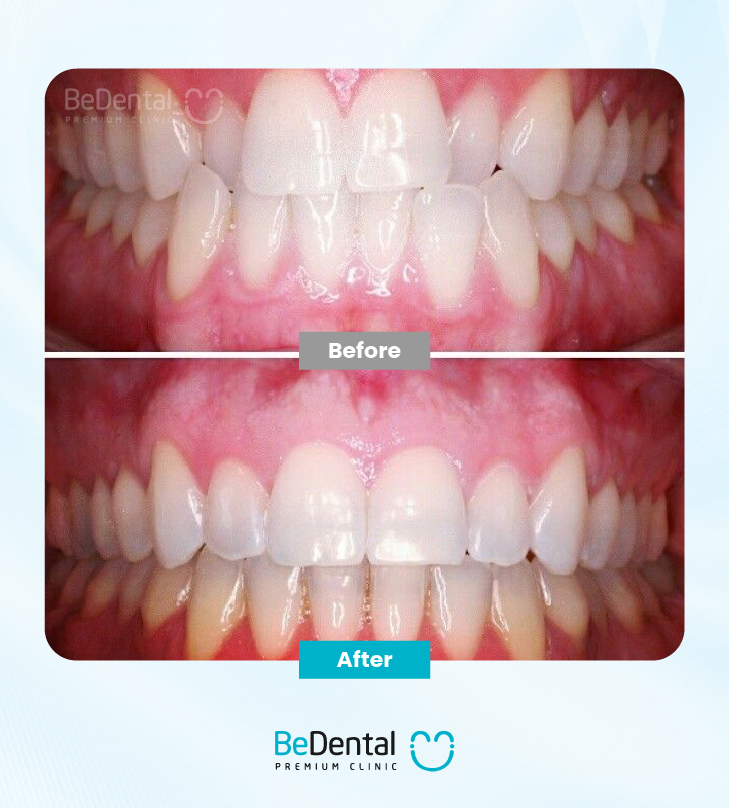
Mai, a 19-year-old student, started braces to correct crowded teeth. A few months into treatment, her dentist noticed mild gum recession around her lower front teeth, mainly due to plaque buildup and brushing too hard. At BeDental, her treatment plan was adjusted, and she received professional cleaning plus guidance on gentler brushing techniques. After regular follow-up visits, her gum condition stabilized and her orthodontic treatment continued safely.
- An Office Worker Choosing Treatment in Vietnam
Daniel, a 32-year-old office worker, wanted braces but was also concerned about gum health because he had sensitive gums before treatment. After a detailed orthodontic and periodontal evaluation at BeDental, he began treatment with close gum monitoring throughout the process. When mild inflammation appeared, it was managed early with cleaning and improved oral care, preventing more serious recession. He appreciated that treatment in Vietnam was far more affordable than in his home country while still offering careful professional follow-up.
Conclusion
Gum recession is a possible but relatively uncommon complication of orthodontic treatment. With proper planning, controlled orthodontic forces, and good oral hygiene, the risk can be significantly reduced.
In Vietnam, modern dental clinics increasingly combine orthodontic treatment with periodontal monitoring, ensuring that tooth alignment improvements do not compromise gum health. Patients who maintain good oral hygiene and attend regular dental checkups can usually complete orthodontic treatment without experiencing significant gum recession.