

 English
 한국어
한국어 日本語
日本語 中文 (中国)


Braces methods in Vietnam: Over the past decade, Vietnam has emerged as one of Asia’s most reliable destinations for advanced dental treatments, particularly orthodontics. Among the wide range of dental services available, braces in Vietnam have gained strong recognition for combining clinical excellence, modern technology, and exceptional affordability.
In this article, we explore why Vietnam is a leading destination for braces, the types of braces available, who they are best suited for, and why BeDental is a trusted provider for orthodontic treatment in Vietnam.
1. What Are Braces?
Braces are orthodontic appliances designed to gradually move teeth into proper alignment, improving both dental aesthetics and oral function.
They work by applying controlled pressure to teeth over time, guiding them into their ideal position within the jawbone.
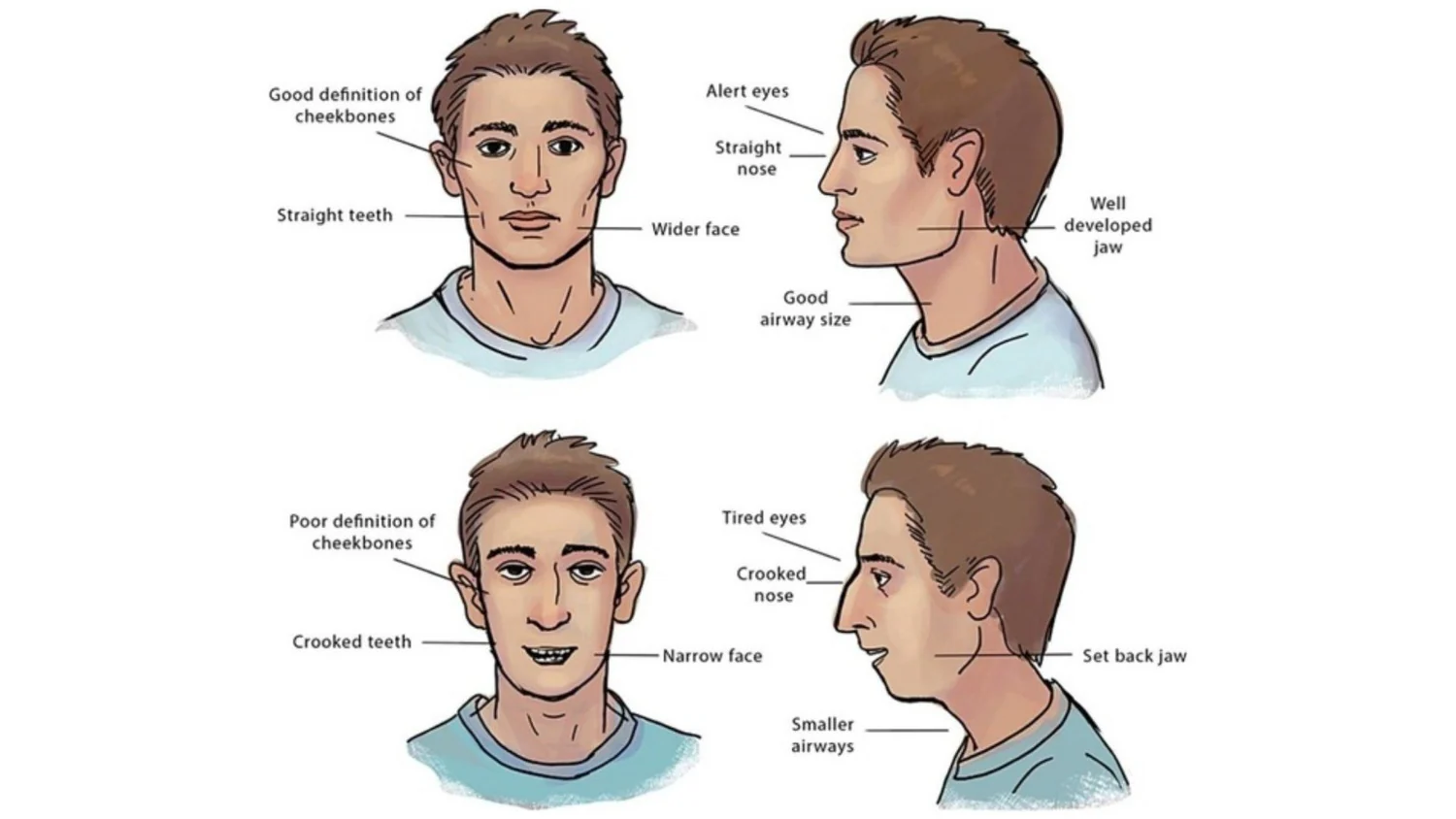
Common Purposes of Braces
- Straightening crooked or crowded teeth
- Correcting bite problems (overbite, underbite, crossbite)
- Closing gaps between teeth
- Improving chewing efficiency and speech
- Enhancing long-term oral health
Orthodontic treatment is not purely cosmetic—it plays a vital role in preventing tooth wear, jaw pain, and gum disease.
See more: Does getting braces hurt? Which stage is the most painful?
2. Braces Method Available in Vietnam
Vietnam offers a comprehensive range of braces methods, allowing patients to choose the most suitable option based on clinical needs, aesthetic preferences, lifestyle, and budget. From traditional systems to advanced digital solutions, modern orthodontic clinics in Vietnam provide braces method standards comparable to those in developed countries.
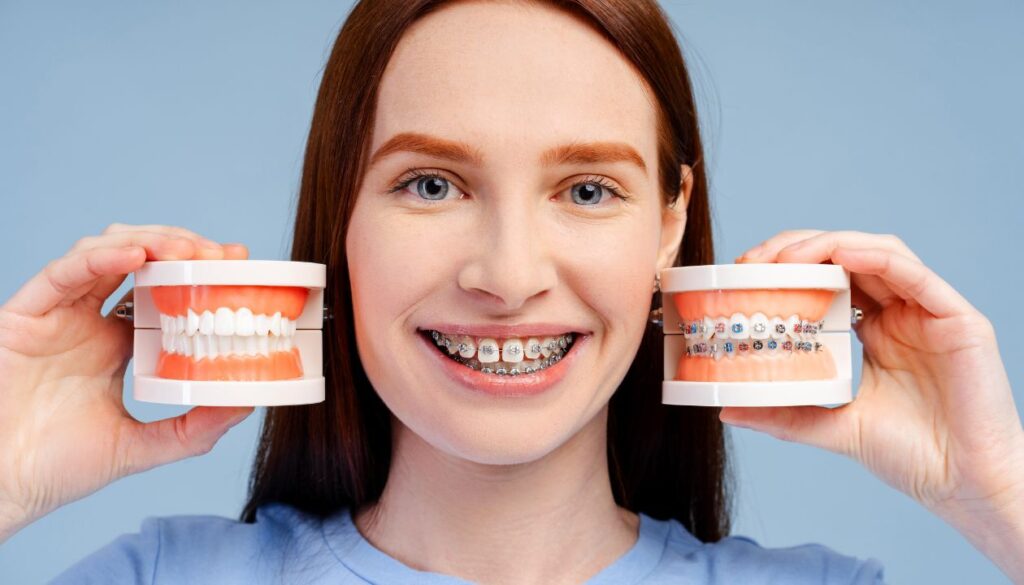
| Criteria | Metal Braces | Ceramic Braces | Self-Ligating Braces | Clear Aligners |
| Visibility | Highly visible due to stainless steel brackets and wires. Easily noticeable when smiling or speaking. | Tooth-colored or translucent brackets blend with natural teeth, making them significantly less noticeable than metal braces. | Similar in size to metal braces but without elastic ties, giving a slightly cleaner appearance. Still visible. | Virtually invisible. Made from transparent medical-grade plastic trays custom-designed for each stage of tooth movement. |
| Clinical Indications | Suitable for mild, moderate, and severe malocclusion. Especially effective for deep bite, open bite, crossbite, severe crowding, and complex skeletal discrepancies. | Appropriate for mild to moderately complex cases. Can handle many bite corrections but may not be ideal for the most severe skeletal problems. | Effective for a wide spectrum of cases, including moderate to complex crowding and bite correction. Often chosen for efficiency. | Best for mild to moderate alignment problems, spacing issues, minor bite discrepancies. Severe skeletal or extraction cases may require fixed appliances. |
| Biomechanical Control | Offers strong and precise force control. Orthodontists can apply significant corrective force when needed. Highly predictable outcomes. | Similar biomechanics to metal braces but brackets are more fragile; torque control may be slightly less robust in severe cases. | Reduced friction system allows smoother tooth movement. May improve sliding mechanics during space closure phases. | Tooth movement depends on aligner design and patient compliance. Complex root movements may be more difficult without attachments. |
| Comfort Level | Initial discomfort common after adjustments. Elastic ligatures may increase friction and pressure. | Comparable to metal braces but brackets are smoother and more aesthetic. Slightly bulkier in some designs. | Generally more comfortable due to reduced friction and absence of elastic ties. Fewer emergency visits from broken ligatures. | High comfort level. No metal brackets or wires. Smooth trays reduce irritation, though mild pressure is felt when switching aligners. |
| Oral Hygiene Impact | Requires careful cleaning around brackets and wires. Higher risk of plaque accumulation if hygiene is poor. | Similar hygiene challenges as metal braces. Bracket staining may occur with poor cleaning. | Slightly easier to clean than traditional braces due to absence of elastic ties. | Removable, allowing normal brushing and flossing. Better hygiene control if patient follows instructions properly. |
| Adjustment Frequency | Typically every 4–6 weeks. | Typically every 4–6 weeks. | May require fewer visits due to self-ligating mechanism (often every 6–8 weeks). | New aligners changed every 1–2 weeks. In-clinic checkups usually every 6–8 weeks. |
| Removability | Fixed appliance. Cannot be removed by patient. | Fixed appliance. Cannot be removed by patient. | Fixed appliance. Cannot be removed by patient. | Removable. Must be worn 20–22 hours per day for effective results. |
| Typical Users in Vietnam | Teenagers, students, patients with complex orthodontic needs seeking cost-effective treatment. | Adults, office professionals, patients concerned about appearance but not ready for aligners. | Busy adults, patients prioritizing comfort and fewer clinic visits. | Adults, entrepreneurs, professionals, international patients prioritizing discretion and convenience. |
| Cost Level (Relative) | Most affordable option. | Mid-range pricing. | Higher than traditional braces. | Highest cost due to digital planning and custom tray fabrication. |
See more: Orthodontic Treatment in Vietnam
3. Why Patients Choose Braces Methods in Vietnam
Vietnam has become a leading destination for orthodontic treatment, attracting both local and international patients who seek high-quality results at a reasonable cost. The decision is driven not only by affordability, but also by clinical precision, modern technology, and patient-centered care.
Natural Smile Transformation Through Precision Planning
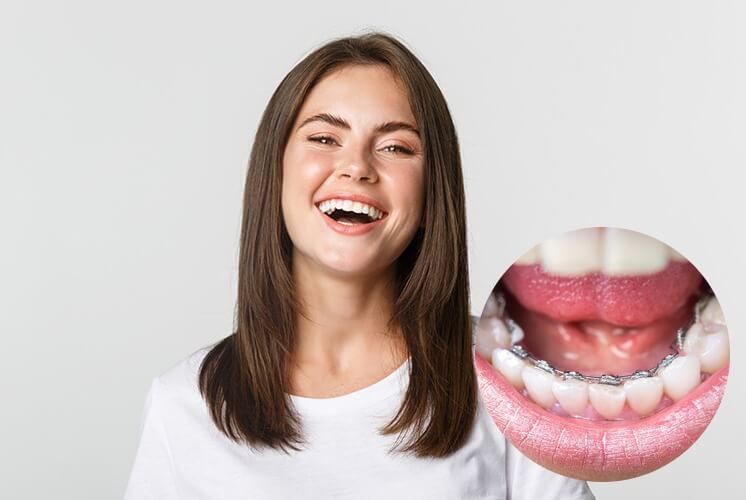
One of the key reasons patients choose braces in Vietnam is the orthodontic philosophy that prioritizes facial harmony rather than simply straight teeth. Vietnamese orthodontists are trained to evaluate the entire facial structure during treatment planning, including facial proportions, lip support, smile arc, and jaw symmetry.
This comprehensive approach ensures that the final outcome looks natural, balanced, and appropriate for each individual’s facial features. According to internal clinic data from major orthodontic centers in Vietnam, over 85% of adult braces patients choose treatment plans specifically focused on aesthetic facial balance, not just dental alignment. This is especially appealing to international patients seeking cosmetic orthodontic outcomes comparable to those in the US, Europe, or Australia.
Proven Functional Improvement and Long-Term Oral Stability
Beyond aesthetics, braces treatment in Vietnam is designed to deliver reliable functional benefits. Orthodontic correction improves chewing efficiency, bite balance, and jaw joint stability by properly aligning the teeth and jaws.
Clinical studies in orthodontics show that correcting malocclusion can reduce uneven tooth wear by up to 60% and significantly lower the risk of temporomandibular joint (TMJ) disorders over time. Vietnamese clinics apply internationally recognized orthodontic protocols, ensuring that braces treatment contributes not only to a better smile but also to long-term oral health and comfort.
Many patients report noticeable improvements in chewing ability and reduced jaw discomfort within the first few months of treatment.
High Biocompatibility Standards and Oral Health Benefits
Reputable orthodontic clinics in Vietnam use medical-grade, internationally certified materials that meet strict biocompatibility standards. Brackets and wires are nickel-tested and designed for safe, long-term use, minimizing the risk of allergic reactions or oral tissue irritation.
Proper tooth alignment achieved through braces significantly improves oral hygiene. Studies indicate that well-aligned teeth are up to 40% easier to clean, reducing the accumulation of plaque and bacteria. As a result, patients experience a lower risk of tooth decay, gum inflammation, and periodontal disease after orthodontic treatment.
See more: Braces near me in Vietnam
4. Why Choose BeDental for Braces in Vietnam?
Specialized Orthodontic Expertise at BeDental
Orthodontic treatment at BeDental is led by certified specialists experienced in both routine alignment and complex bite correction. Each treatment plan is customized based on facial structure, dental condition, bite function, and lifestyle needs—rather than applying a one-size-fits-all approach.
Malocclusion affects approximately 60–75% of adolescents worldwide, with 20–30% requiring comprehensive orthodontic care. BeDental’s team is trained to manage cases ranging from mild crowding to severe malocclusion, including deep bite, open bite, and crossbite.
Transparent Pricing and Long-Term Treatment Support
BeDental applies an international-standard cost management model, helping patients clearly plan their orthodontic investment. Most services are eligible for dental insurance coverage (depending on individual policies).
The clinic also offers interest-free installment plans, making long-term orthodontic treatment more financially accessible—especially for students and working professionals.
After treatment, structured retention programs are provided. Regular follow-ups and professional retainer guidance help prevent relapse, ensuring long-term stability of results.
Dedicated Care for International Patients
BeDental supports overseas patients through online consultations and multilingual assistance throughout the treatment process.
Flexible scheduling allows patients to coordinate appointments with travel plans while maintaining continuity of care. With cross-border dental demand increasing by 15–20% annually, BeDental’s organized coordination system ensures predictable treatment outcomes for both local and international patients.
BeDental Patient Stories
Customer Story 1 – A University Student Choosing Metal Braces
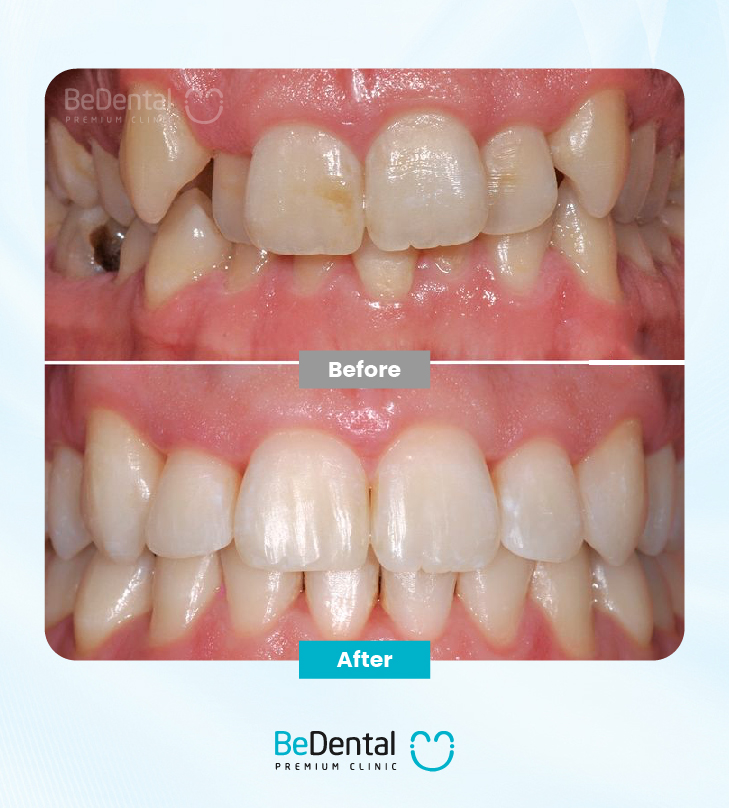
When Linh, a 20-year-old university student in Hanoi, first visited BeDental, her main concern was severe crowding in her upper teeth. She had always felt self-conscious when smiling in photos, but she also worried that braces would be too expensive for her family’s budget.
After a full orthodontic assessment, the BeDental team explained that traditional metal braces would be the most effective option for her case. They were not only the most cost-effective choice, but also highly suitable for correcting her crowding and improving her bite. What made Linh feel reassured was that the treatment plan was not focused only on making her teeth look straighter. Her orthodontist also evaluated her facial proportions, smile line, and lip support to make sure the final result would look natural and balanced.
During the first few weeks, Linh experienced some mild discomfort and had to adjust her eating habits. However, with regular follow-up visits and clear instructions from the clinic, she gradually adapted. After several months, she noticed that her teeth were becoming more even, her bite felt more comfortable, and she smiled more confidently in daily life.
For Linh, braces were not just a cosmetic change. She felt that the treatment improved both her appearance and her long-term oral health, while still remaining financially manageable for a student.
Customer Story 2 – An Overseas Professional Choosing Clear Aligners
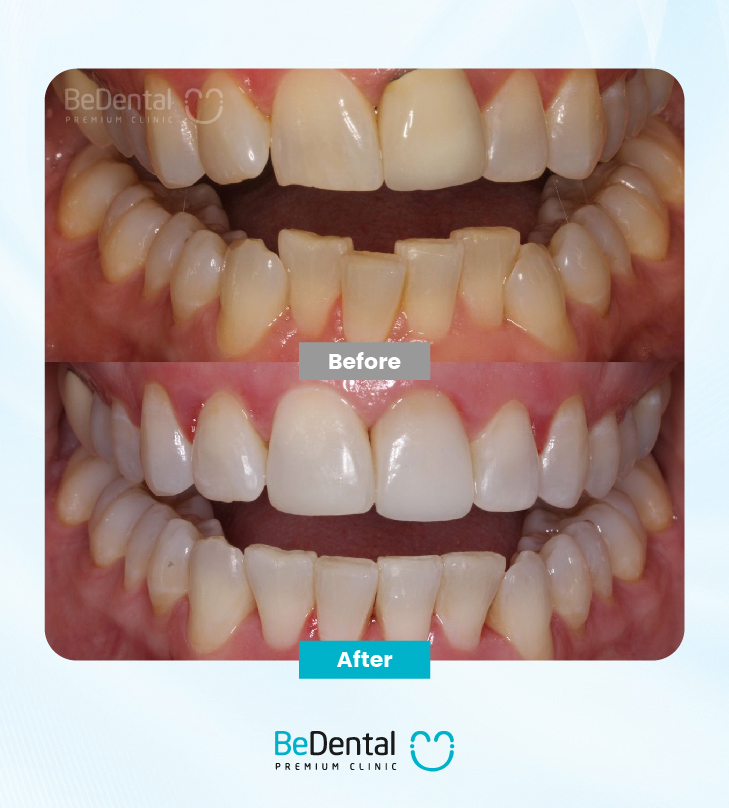
David, a 34-year-old marketing professional based in Singapore, had been thinking about orthodontic treatment for years. His teeth were mildly crowded, and although the issue was not severe, he wanted a more polished smile that would still look natural in business settings. His biggest concern was convenience. Because of work and travel, he needed a treatment option that would fit a busy schedule.
After researching braces in Vietnam, David chose BeDental because of its reputation for modern orthodontic care, transparent pricing, and support for international patients. In his online consultation, the dental team recommended clear aligners as the best fit for his lifestyle and aesthetic goals. Since the aligners were removable and nearly invisible, he could continue attending meetings and social events without feeling self-conscious.
What David appreciated most was the clinic’s organized process. BeDental coordinated his appointments around his travel schedule and gave him detailed guidance for each stage of treatment. He also liked that the orthodontic plan considered not only tooth alignment but also overall facial harmony, so the final result would look refined rather than overcorrected.
Over time, David saw steady improvements in the alignment of his teeth and felt more confident speaking and smiling in professional situations. For him, the experience showed that getting braces in Vietnam could offer the same level of quality and planning he expected internationally, but with greater value and flexibility.
Conclusion
Braces methods in Vietnam offer an ideal balance of clinical expertise, advanced technology, and affordability. With well-trained orthodontists, modern dental facilities, and patient-focused care, Vietnam has become a trusted destination for orthodontic treatment worldwide.
Whether you choose metal braces, ceramic braces, or clear aligners, Vietnam provides a safe, effective, and accessible path toward a healthier, more confident smile—without the financial burden often associated with orthodontics in Western countries.