

 English
 한국어
한국어 日本語
日本語 中文 (中国)


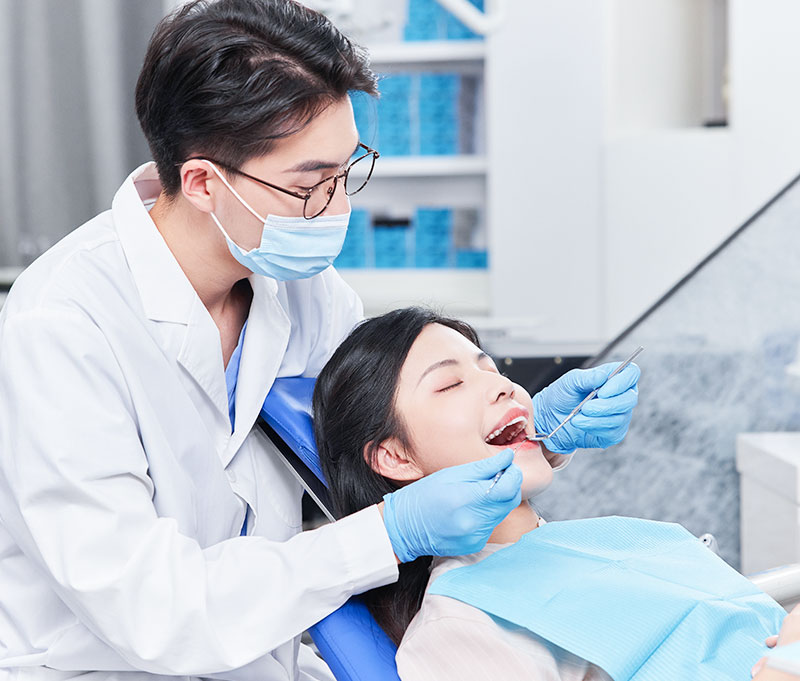
Is it safe to get porcelain crowns while pregnant in Vietnam? Pregnancy is a special time when women take extra care of their health – including oral health. It’s common for pregnant women to wonder whether dental treatments such as porcelain crowns are safe during pregnancy, especially in Vietnam where dental tourism and private clinics are widely accessible.
Is It Safe to Get Porcelain Crowns While Pregnant?
Is it safe to get porcelain crowns while pregnant in Vietnam? In most cases, elective dental procedures – including porcelain crowns – should be postponed until after pregnancy. Here’s why:
1. X-rays
Is it safe to get porcelain crowns while pregnant in Vietnam? Many expectant mothers fear radiation, but the reality of modern digital dentistry is far different from traditional film.
According to the American College of Radiology, a single diagnostic dental X-ray results in a radiation dose of approximately 0.0001 millirads. To put this in perspective, it takes a dose of 5,000 millirads to cause any measurable risk to a fetus. You would need to have thousands of dental X-rays in a single day to reach a dangerous threshold.
Despite the low risk, clinics like BeDental utilize the ALARA (As Low As Reasonably Achievable) principle. We use Lead Aprons with Thyroid Collars, which effectively reduce the already negligible radiation to virtually zero.
If the X-ray is needed to diagnose a hidden infection or a root fracture before placing a crown, the benefit of preventing a systemic infection far outweighs the 0.0001 mrad exposure.
2. Local Anesthesia
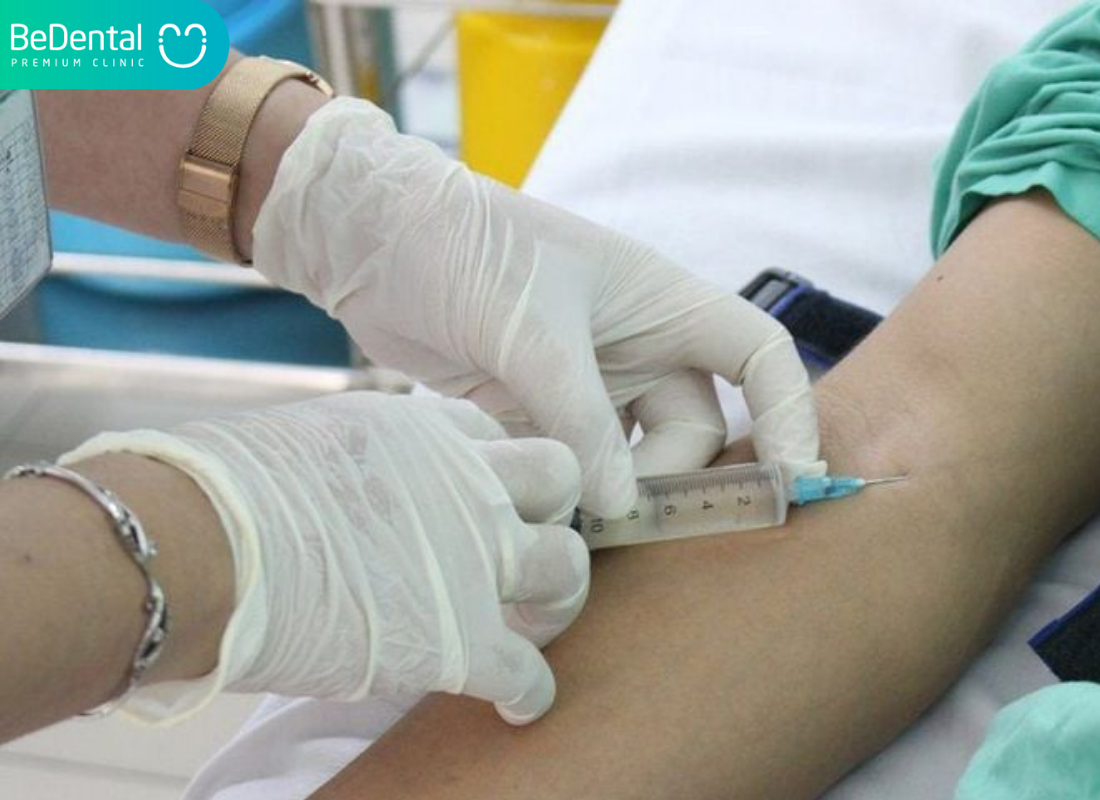
The numbing agents used for crown preparation (such as Lidocaine) are specifically chosen for their safety profile.
Lidocaine is classified as a Category B drug by the FDA, meaning animal studies have failed to demonstrate a risk to the fetus, and there are no adequate, well-controlled studies in pregnant women.
A landmark study published in the Journal of the American Dental Association (JADA) compared a group of pregnant women who received dental anesthesia to those who did not. The study found no significant difference in the rates of miscarriages, birth defects, or birth weights between the two groups.
3. Stress and Procedure Complexity
A porcelain crown procedure involves tooth preparation (drilling), digital impressions, and a fitting session.
High maternal anxiety can lead to increased heart rates and blood pressure.
Dentists prefer the second trimester (weeks 13–28) because the “morning sickness” of the first trimester has passed, and the physical discomfort of the third trimester hasn’t yet arrived.
4. Risk of Infection and Pain
The most critical factor is distinguishing between an urgent and an elective crown.
If a tooth is fractured or has deep decay, waiting 9 months can lead to a dental abscess. An infection in the mouth is a direct threat; bacteria can enter the bloodstream and trigger an inflammatory response.
Research has indicated that women with chronic periodontal disease or untreated dental infections may be up to 7 times more likely to deliver a premature or low-birth-weight baby.
If the crown is purely for cosmetic improvement (e.g., changing the shade of a healthy tooth), we recommend waiting until after delivery. If the crown is restoring a damaged tooth, the procedure is a protective measure for both mother and child.
When Porcelain Crowns May Be Considered During Pregnancy
When is it safe to get porcelain crowns while pregnant in Vietnam? Although elective crown procedures are usually postponed, there are situations where treatment may proceed with caution:
1. Severe Tooth Pain or Infection
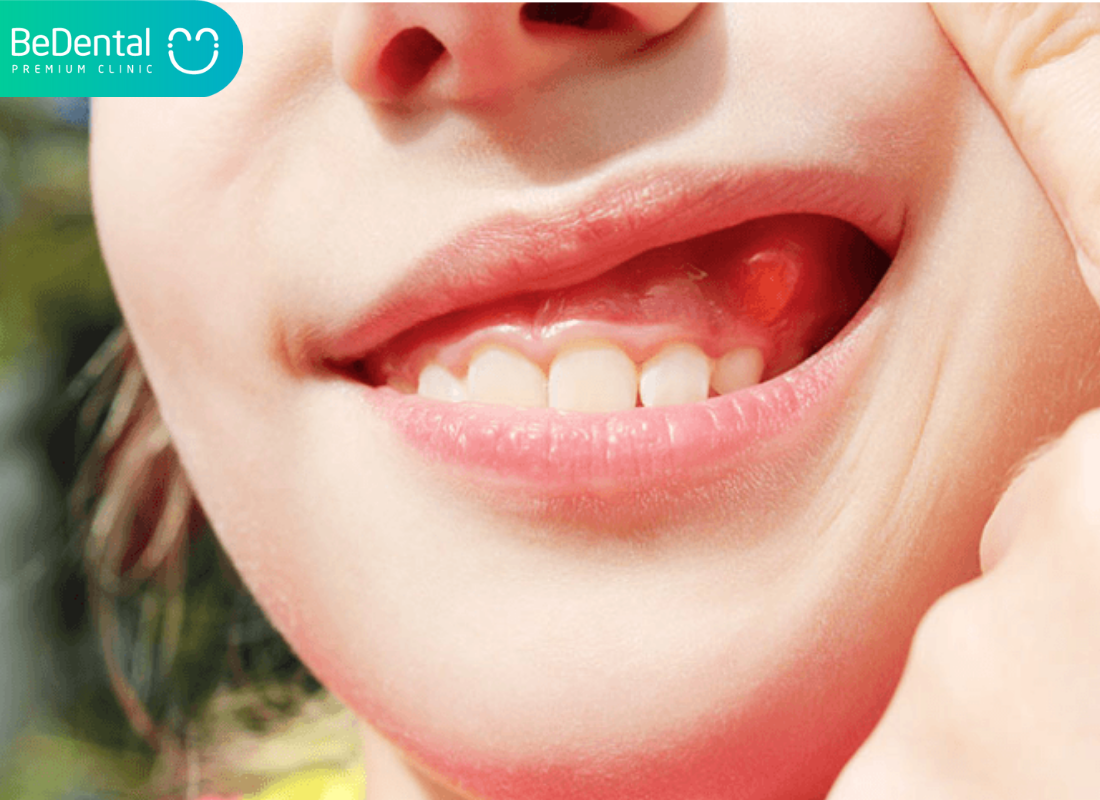
If a damaged tooth is causing persistent pain, spreading infection, or interfering with eating, treatment may be necessary — especially in the second trimester, when the risk to the developing fetus is lower.
2. Broken or Trauma-Affected Teeth
In cases of trauma or structural damage that affects daily function, a dentist may recommend earlier intervention to prevent complications.
3. When Other Treatments Fail
If a temporary filling or other conservative treatment fails to resolve symptoms, a crown may be considered to stabilize the tooth.
In these scenarios, your dentist will take extra precautions — for example:
- Using lead shielding during X-rays
- Minimizing anesthesia dosage
- Scheduling treatment during the second trimester (optimal period)
- Coordinating with your obstetrician to ensure safety
Best Time for Dental Work During Pregnancy
1. The First Trimester (Weeks 1–13)
The first trimester is the most sensitive stage of pregnancy, as it is the primary period of organogenesis – when the baby’s heart, brain, and other vital organs are forming.
Why care is limited? Because the fetus is at its most vulnerable to external influences, dentists typically avoid any non-essential medication or stress.
Many women experience a heightened gag reflex and nausea (morning sickness) during this stage. Dental procedures involving impressions or keeping the mouth open for long periods can be physically distressing and may trigger vomiting, which introduces stomach acid into the oral environment, further weakening tooth enamel.
Only emergency treatments (to stop acute pain or hemorrhage) are performed. Elective crowns are postponed.
2. The Second Trimester (Weeks 14–27)
This is the safest and most stable period for both the mother and the developing fetus.
By the 14th week, the baby’s major organ systems are fully formed and continue to grow. The risk of developmental interference from local anesthetics or minor stress is at its lowest.
Most women find that morning sickness has subsided, and their energy levels have returned. This makes it much easier to sit through a 60–90 minute crown preparation session without discomfort.
This is the ideal time to treat gum inflammation. If a tooth requires a crown, placing it now prevents the high risk of a dental abscess occurring during the high-stress period of late pregnancy or labor.
This is the best time for necessary restorative work like porcelain crowns, root canals, or deep cleanings.
3. The Third Trimester (Weeks 28–Birth)
While dental work is still technically safe, the physical reality of a growing baby makes the dental chair a challenge.
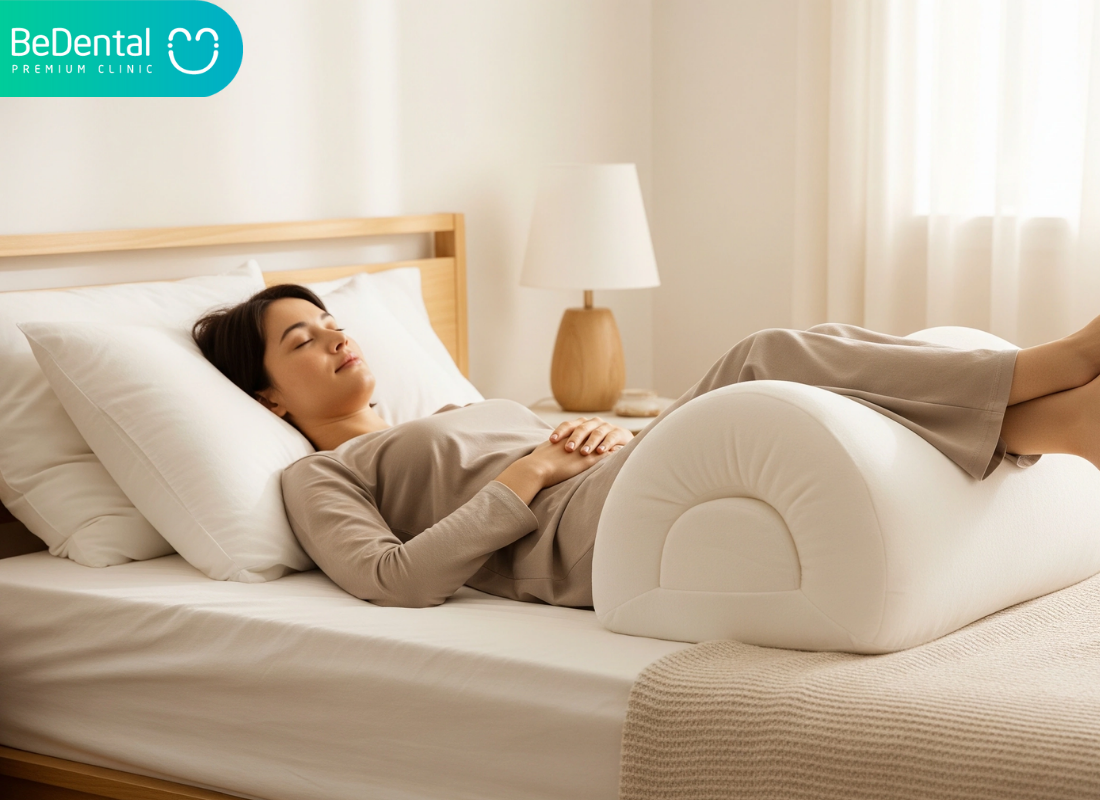
When a woman in her third trimester lies flat on her back (the supine position) for a dental procedure, the weight of the uterus can compress the inferior vena cava – a major vein that returns blood to the heart. This can cause a sudden drop in blood pressure, leading to dizziness or fainting.
Long appointments can be exhausting. Frequent needs to use the bathroom or general restlessness make precise dental work more difficult for the surgeon.
See more: Should childen get porcelain teeth?
Is It Safe to Get Porcelain Crowns While Pregnant in Vietnam?
1. The “Safety First” Protocol
Modern dentistry in Vietnam utilizes advanced technology specifically designed to protect expectant mothers:
- Safe Anesthesia: We use local anesthetics (such as Lidocaine) that are categorized as safe for pregnancy. These stay localized and do not harm the developing fetus.
- Digital X-rays with Zero Risk: Modern digital sensors use up to 90% less radiation than old film. At BeDental, we provide a double-layered lead apron and thyroid shield to ensure 100% protection for your abdomen and baby.
- Biocompatible Materials: We use high-grade, metal-free porcelain (Zirconia or E-max). These materials are 100% biocompatible, meaning they won’t cause allergic reactions or leach any chemicals into your system.
2. The Strategic “Second Trimester” Window
While dental work is safe at any stage, the second trimester (weeks 13–28) is the “golden window” for porcelain crowns:
- Stability: This is when your pregnancy is most stable, and morning sickness has usually subsided.
- Comfort: You aren’t yet at the stage where lying back in a dental chair is physically difficult, as it can be in the third trimester.
3. Preventing “Pregnancy Gingivitis”
Hormonal changes during pregnancy make your gums more prone to swelling and infection (gingivitis). If a tooth is cracked or decayed, it becomes a magnet for bacteria.
A crown seals the tooth, preventing bacteria from entering your bloodstream. Research shows that treating dental infections can actually reduce the risk of preterm birth and low birth weight.
How BeDental Ensures Absolute Precision and Safety for Pregnant Patients
Where is it safe to get porcelain crowns while pregnant in Vietnam? At BeDental, treating pregnant patients is never approached as “routine dentistry.” Every porcelain crown case during pregnancy follows a medically guided, trimester-specific protocol designed to protect both mother and baby at every step.

1. Mandatory Pregnancy-Adjusted Diagnosis Protocol
Before any procedure is recommended, BeDental conducts a two-layer assessment:
- Clinical necessity review: We clearly distinguish urgent restorative needs from purely cosmetic requests. Crowns are only recommended during pregnancy when delaying treatment may increase the risk of infection, pain, or systemic inflammation.
- Trimester confirmation: Each treatment plan is adjusted based on whether the patient is in the first, second, or third trimester. Elective procedures are deferred, and necessary care is scheduled strategically.
No treatment begins without confirming that the benefit clearly outweighs any potential risk.
2. Ultra-Conservative Treatment Planning
For pregnant patients, our dentists follow a “minimum intervention – maximum protection” philosophy:
- Tooth reduction is kept to the absolute minimum required for structural integrity
- Temporary restorations are used when possible to delay final crown placement until postpartum
- If a permanent crown is needed, single-visit CAD/CAM crowns are prioritized to reduce repeated exposure to stress and clinical environments
Every millimeter of tooth preparation is planned digitally before touching the tooth.
3. Advanced Chair Positioning & Circulation Safety
BeDental adjusts standard dental protocols to meet obstetric safety requirements:
- Patients are positioned in a slight left-tilt position to prevent inferior vena cava compression
- Shorter sessions with scheduled breaks are used to avoid fatigue and blood pressure fluctuations
- Continuous monitoring of comfort, breathing, and dizziness throughout the appointment
Your body is supported first — dentistry comes second.
4. Pregnancy-Safe Materials and Medications Only
BeDental uses strictly vetted materials for expectant mothers:
- FDA Category B local anesthetics only (e.g., Lidocaine without vasoconstrictors unless medically appropriate)
- Metal-free zirconia or E-max porcelain crowns, eliminating any risk of metal ion release
- Zero use of materials containing BPA, formaldehyde, or unnecessary chemical additives
Everything placed in your mouth is chosen with fetal safety in mind.
5. Coordinated Care With Your Obstetrician (When Needed)
For higher-risk pregnancies or patients with medical complications:
- We provide treatment summaries for obstetric review
- Dosages, appointment length, and positioning can be adjusted based on your doctor’s guidance
- Emergency protocols are in place should pregnancy-related discomfort arise during treatment
Dental care is never isolated from your overall prenatal care plan.
6. Precision Dentistry Backed by Experience
BeDental’s cosmetic and restorative team has extensive experience treating:
- Pregnant patients with pregnancy gingivitis
- Cracked teeth caused by vomiting-related enamel erosion
- Deep decay exacerbated by hormonal changes
- Patients seeking dental tourism care while pregnant in Vietnam
This experience allows us to anticipate complications before they happen — not react after.
Is it safe to get porcelain crowns while pregnant in Vietnam? Is it safe to get porcelain crowns while pregnant in Vietnam? Message BeDental on Viber or Zalo today to have the answer. Tell us which trimester you are in, and we will schedule a Free Consultation to create a gentle, safe, and effective treatment plan just for you.
- The advantage of this method is to restore chewing ability, high aesthetics, prevent complications of tooth loss, preserve maximum real teeth, long life, suitable for many cases of tooth loss.
- Disadvantages of this method are high cost, long implementation time and high technical requirements.
- The cost of dental implants is about 26,000,000 - 45,000,000 VND (single implant) and about 170,000,000 - 325,000,000 VND (full jaw implant).
- Restoration time ranges from 3 - 6 months.
- Requires a highly qualified Doctor: The dental implant process requires a high level of expertise from the doctor to ensure success and avoid unwanted risks.
- Long treatment time: The dental implant process can take a long time, requiring patience from the patient
- Relatively high cost: Dental implants are synonymous with high cost, which is an important factor to consider when choosing a method.
- Tooth longevity: Implant teeth may not have the same lifespan as natural teeth, usually after 5 - 20 years a new porcelain tooth is needed.
- Although there are certain limitations, this method is very effective when performing dental restorations. Dental Implants have the ability to completely restore shape and function like a real tooth