


 English
 한국어
한국어 日本語
日本語 中文 (中国)


Child with bad breath in Vietnam – medically known as pediatric halitosis – is a common concern for parents in Vietnam. From a 6-month-old baby with bad breath to a 6-year-old child with persistent mouth odor, many caregivers feel worried, confused, or unsure whether the condition is normal or a sign of something more serious.
While occasional bad breath can be harmless, persistent bad breath in infants and children should never be ignored. In many cases, it reflects oral hygiene issues, but it can also indicate infections, mouth breathing, digestive problems, or underlying medical conditions.
This comprehensive guide explains why children of different ages develop bad breath, how parents can identify warning signs early, and what professional treatments are available in Vietnam to ensure long-term oral and overall health.
Is Bad Breath Normal in Children?
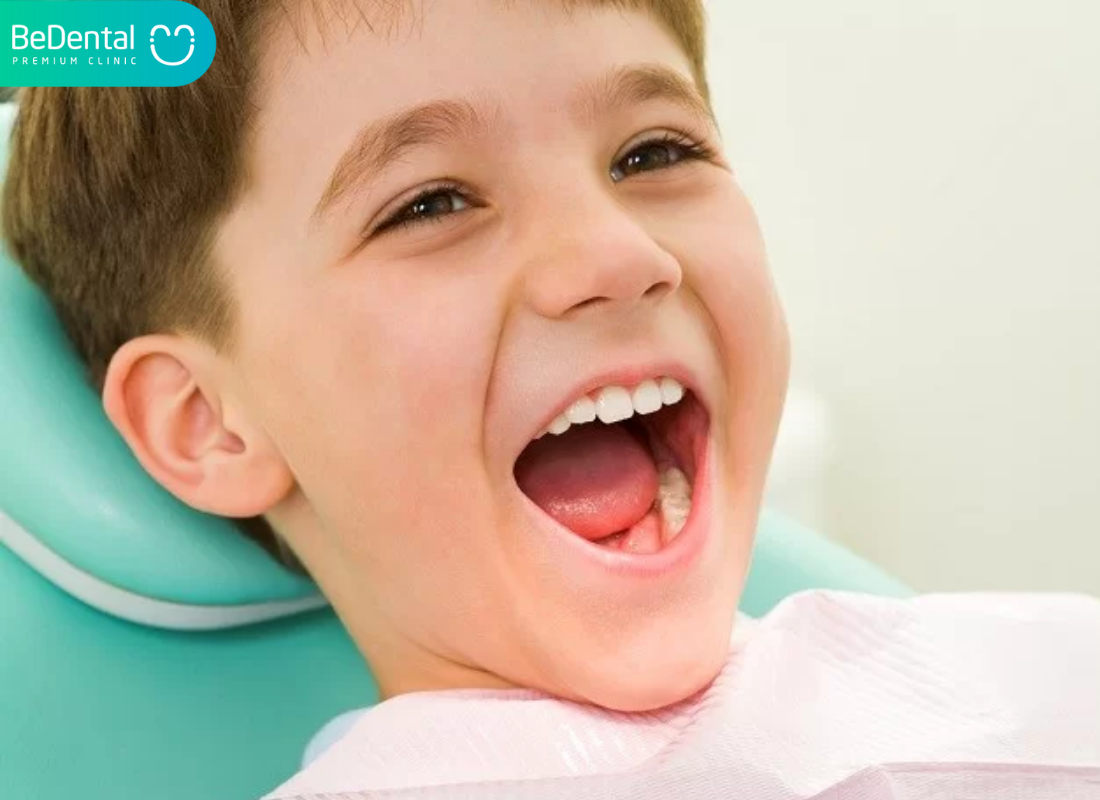
It is normal for children to experience temporary bad breath, particularly after waking up, during respiratory illness, or after consuming strong-smelling foods. Morning breath occurs because saliva production decreases by up to 50% during sleep, allowing odor-producing bacteria to multiply temporarily. This type of odor usually improves after brushing, drinking water, or once the child recovers from illness.
However, chronic or recurring bad breath is not considered normal. Studies estimate that halitosis affects approximately 15–25% of children, and similar to adults, about 80–90% of pediatric cases originate in the oral cavity. In very young children, such as a 9-month-old or 1-year-old with persistent bad breath, the condition often signals an underlying issue that requires evaluation.
See more: Bleeding gums and 9 ways to cure at home
Causes of Bad Breath by Age Group
Understanding your child’s age is essential when identifying the cause of halitosis.
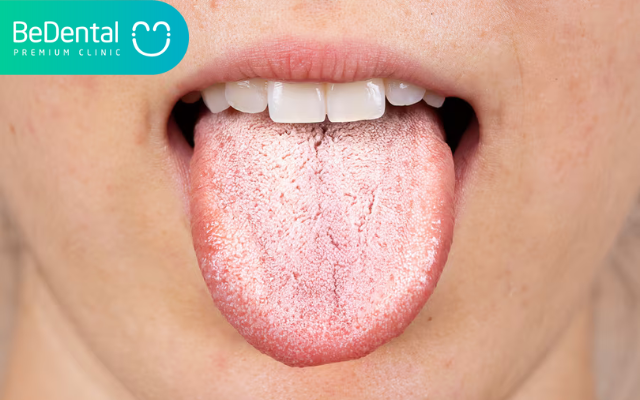
| Age Group | Typical Causes | Clinical Notes |
| Babies (6–11 Months Old with bad breath) | • Milk residue left on the tongue or gums
• Oral thrush (fungal infection causing white patches and odor) • Nasal congestion or colds leading to mouth breathing • Foreign objects in the nose (rare but serious) |
At this age, babies do not yet have teeth, so bad breath is almost never dental decay. Persistent odor should be evaluated by a pediatric dentist or pediatrician. |
| Toddlers (12–24 Months with bad breath) | • Newly erupted teeth trapping food debris
• Inadequate cleaning of teeth and tongue • Mouth breathing during sleep • Tonsil inflammation or sinus infections • High sugar intake from snacks or sweetened milk |
At this stage, bad breath is often linked to early plaque buildup and poor brushing habits. Parental assistance with brushing is essential. |
| Preschool Children (3–5 Years Old with bad breath) | • Inconsistent brushing technique
• Early childhood cavities • Gum inflammation • Mouth breathing or enlarged tonsils • Frequent snacking and sugary drinks |
This is a critical age for establishing proper oral hygiene routines and regular dental check-ups. |
| School-Age Children (Over 6 Years with bad breath) | • Cavities in permanent or mixed dentition
• Gingivitis • Chronic sinusitis • Orthodontic crowding trapping food • Poor tongue cleaning |
At this stage, persistent bad breath almost always requires professional dental evaluation to identify underlying causes. |
What’s Normal and What’s a Warning Sign?

Occasional bad breath is completely normal, especially in the morning or after consuming strong-smelling foods. During sleep, saliva production decreases by up to 40–60%, allowing bacteria to temporarily multiply and produce odor. In most cases, improving brushing habits, tongue cleaning, and hydration is sufficient to resolve the problem.
However, persistent bad breath lasting more than 2–3 weeks, especially when it does not improve despite good oral hygiene, may indicate an underlying issue. Studies show that approximately 80–90% of chronic halitosis cases originate in the oral cavity, commonly linked to plaque buildup, gum inflammation, or tongue coating.
Persistent halitosis accompanied by the following symptoms may signal deeper concerns:
- Mouth pain or visible cavities → Dental caries affects 60–90% of children worldwide and can produce foul odor when untreated.
- Bleeding or swollen gums → Gingivitis is present in 30–50% of school-aged children, often associated with persistent bad breath.
- Swollen tonsils or white patches → Tonsillitis is common in children, and tonsil stones (tonsilloliths) are associated with halitosis in up to 10–15% of chronic cases.
- Recurring infections or fever → May indicate bacterial involvement beyond the oral cavity.
- Poor sleep or irritability → Mouth breathing or enlarged adenoids can reduce saliva flow and increase odor risk.
If these symptoms are present, professional dental or medical evaluation is essential. Early diagnosis significantly reduces the likelihood of complications and helps prevent progression to more serious oral or systemic conditions.
See more: What is tongue scraping? 10 things you need to know
Professional Treatment Methods to Manage Child with Bad Breath in Vietnam vs. International Approaches
In Vietnam, the management of pediatric halitosis increasingly focuses on identifying and eliminating the root cause rather than masking symptoms. However, treatment strategies may differ in diagnostic depth, technology use, and interdisciplinary coordination compared to developed countries such as Japan, South Korea, the United States, and European nations.
1. Diagnostic Approach
| Country | Diagnostic Approach |
| Vietnam |
|
| United States / Europe |
|
| Japan & South Korea |
|
Compared to developed countries, Vietnam relies more on clinical evaluation, while Western and East Asian countries integrate objective diagnostic technologies for more precise identification of bacterial composition and odor origin.
2. Professional Dental Treatments
| Condition | Vietnam | Developed Countries |
| Plaque & tartar | Ultrasonic scaling and polishing | Scaling + airflow polishing + antimicrobial support |
| Cavities | Composite fillings | Minimally invasive dentistry + SDF for early decay |
| Gum inflammation | Basic scaling and hygiene guidance | Risk assessment models + advanced periodontal therapy |
| Tongue bacteria | Tongue cleaning + short-term mouthwash | Tongue therapy + zinc rinse + probiotic therapy |
Vietnam focuses on cleaning and restoring. Developed countries emphasize early prevention and minimally invasive techniques.
Why Many Parents in Vietnam Choose BeDental for Children’s Bad Breath Care

When home care is no longer enough, professional support becomes essential. BeDental is a trusted dental clinic in Vietnam that provides comprehensive care for children with persistent bad breath.
BeDental’s pediatric-friendly approach focuses on identifying the root cause of halitosis—whether it stems from plaque buildup, gum inflammation, tongue bacteria, cavities, or airway-related issues such as enlarged tonsils or mouth breathing. Research indicates that professional dental cleaning can reduce oral bacterial load by up to 70%, significantly improving breath quality within a short period.
The clinic uses gentle examination techniques, child-appropriate professional cleaning, and clear guidance for parents. With experienced dentists, modern diagnostic tools, and a strong emphasis on preventive education, BeDental helps families not only eliminate bad breath but also reduce the risk of future oral health issues. Regular dental visits every 6 months, as recommended by pediatric dental associations, can lower the risk of cavities by up to 60% in children.
See more: Bad Breath and 6 Common Questions
Patient Stories at BeDental
Patient Story 1: A 4-Year-Old with bad breath
Mrs. Lan brought her 4-year-old son to BeDental after noticing that his bad breath did not improve even after brushing. At first, she thought it was just “morning breath,” but the odor persisted for several weeks. Her son also complained about mild gum discomfort while eating.
During the examination, the dentist identified early plaque buildup and mild gingivitis caused by inconsistent brushing. Although there were no major cavities, bacteria accumulation along the gumline was contributing to the odor.
The treatment plan included:
- Professional ultrasonic scaling
- Gentle polishing
- Parental instruction on proper brushing technique
- Tongue cleaning guidance
Within one week after treatment, the bad breath significantly improved. At the 3-month follow-up visit, the child’s gums were healthy, and the odor had completely disappeared.
Mrs. Lan shared:
“I was worried it might be something serious. I didn’t realize that simple plaque buildup could cause such strong odor. The doctors explained everything clearly and made my son feel comfortable.”
This case highlights how early professional cleaning can effectively eliminate halitosis when the cause originates in the oral cavity.
Patient Story 2: A 7-Year-Old with bad breath
Anh Minh, a 7-year-old student, had persistent bad breath for more than two months. His parents had already tried improving his brushing routine and limiting sugary snacks, but the odor remained. He also snored at night and often breathed through his mouth.
At BeDental, the dentist performed a comprehensive oral examination. While mild plaque was present, it was not severe enough to fully explain the chronic odor. The dentist suspected an airway-related cause and referred the child to an ENT specialist.
The ENT evaluation confirmed enlarged tonsils contributing to mouth breathing and bacterial accumulation.
The treatment approach included:
- Professional dental cleaning
- Tongue hygiene management
- ENT-guided treatment for tonsil inflammation
- Follow-up monitoring
After coordinated dental and ENT care, Minh’s bad breath gradually resolved within one month. His sleep quality also improved significantly.
His father commented:
“What impressed us most was that the dentist didn’t just clean his teeth and stop there. They looked deeper into the cause and referred us properly. It saved us a lot of time.”
This case demonstrates the importance of multidisciplinary collaboration when halitosis is linked to airway or tonsil-related issues.
Bad breath in children is common—but it should never be ignored when persistent. With consistent home care, mindful diet choices, and timely dental visits, most cases are completely manageable. When in doubt, seeking professional advice early ensures your child stays healthy, confident, and comfortable.

Tư vấn chuyên môn bài viết:
BÁC SĨ DƯƠNG THỊ THÙY NGA
Tại BeDental, khách hàng có thể an tâm điều trị với dịch vụ bảo lãnh viện phí nha khoa nhanh chóng và tiện lợi. BeDental hiện liên kết với nhiều công ty bảo hiểm uy tín, hỗ trợ thanh toán trực tiếp chi phí các dịch vụ nha khoa như nhổ răng, trám răng, điều trị tủy, phục hình răng sứ... Quy trình linh hoạt, minh bạch giúp tiết kiệm thời gian và tối ưu chi phí. Hãy liên hệ BeDental để được tư vấn chi tiết và tận hưởng trải nghiệm chăm sóc răng miệng chuyên nghiệp, không lo gánh nặng tài chính.
? Các đơn vị nha khoa chấp nhận bảo lãnh bao gồm : Hùng Vương Insurance, Bảo Long Insurance, BSH (Bảo hiểm BSH), FWD Insurance Cathay Life Fubon Insurance, Tokio Marine Insurance Group VNI (Bảo hiểm Hàng không), HD Insurance MSIG AAA Insurance PTI (Bảo hiểm Bưu điện), BIDV MetLife, PJICO, Techcom, Insurance, AIA, Dai-ichi Life MIC GIC DBV Insurance VBI (Bảo hiểm VietinBank)
? Các công ty bảo hiểm BeDental có thể xuất hóa đơn: Manulife Dai-ichi Life Prudential AIA Hanwha Life PVI VCLI (Bảo hiểm nhân thọ Vietcombank - Cardif) BIC (Bảo hiểm BIDV), Bảo Việt Insurance và PVI