

 English
 한국어
한국어 日本語
日本語 中文 (中国)


Fat Grafting to Face in Vietnam: Facial rejuvenation has become one of the fastest-growing segments in the global aesthetic medicine industry. According to the International Society of Aesthetic Plastic Surgery (ISAPS), more than 34 million cosmetic procedures were performed worldwide in 2023, including both surgical and non-surgical treatments. Among these, over 7.4 million procedures involved the face and head, highlighting the growing demand for facial enhancement and rejuvenation.
I. Global Statistics and Market Overview of Facial Fat Grafting in Vietnam
1. Growth of Facial Rejuvenation Procedures Worldwide
Within facial procedures, fat grafting to the face has seen particularly strong growth. Global surveys estimate that around 947,000 facial fat grafting procedures are performed annually, representing roughly 4–5% of all surgical cosmetic procedures worldwide. The number of facial fat grafting procedures increased by about 19% in recent years, demonstrating the rising popularity of natural facial volume restoration techniques.
>>> See more: Jawline Contouring in Vietnam: Define a Sharper and More Elegant Jawline
The growth is largely driven by the increasing preference for autologous treatments—procedures that use the patient’s own tissue rather than synthetic materials. Fat grafting not only restores lost volume but also improves skin quality due to the presence of regenerative cells within fat tissue. As a result, many surgeons now consider fat grafting a key component of modern facial rejuvenation strategies.
2. Popular Facial Volume Restoration Procedures
Several treatments are commonly used to restore facial volume and improve youthful facial contours. Globally, injectable fillers remain the most frequently performed facial volume treatments, while fat grafting is the most common surgical option.
Data from the International Society of Aesthetic Plastic Surgery shows that hyaluronic acid fillers account for more than 6.2 million treatments annually, making them one of the most widely used non-surgical facial rejuvenation procedures worldwide. Meanwhile, botulinum toxin injections exceed 7.9 million procedures annually, often combined with volume restoration treatments to achieve balanced facial rejuvenation.
When focusing specifically on volume restoration techniques, the approximate global distribution is:
- Hyaluronic acid fillers: 60–65% of treatments
- Facial fat grafting: 20–25% of treatments
- Collagen-stimulating injectables: 10–15% of treatments
Although dermal fillers dominate the non-surgical market, facial fat grafting continues to grow steadily because it offers longer-lasting results, often lasting several years or even permanently for surviving fat cells.
3. Medical Tourism Trends in Facial Rejuvenation
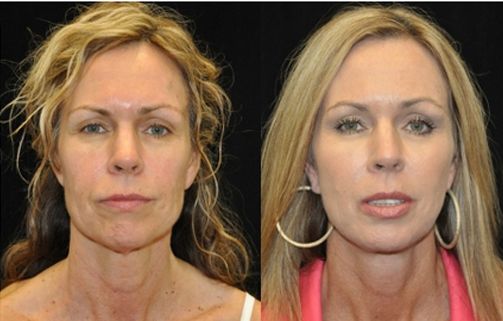
Medical tourism has become a major driver of growth in the global cosmetic surgery industry. Every year, millions of patients travel abroad for aesthetic treatments, particularly facial procedures such as rhinoplasty, eyelid surgery, and facial fat grafting.
Asia has emerged as one of the most popular regions for aesthetic medical tourism. Countries such as South Korea, Thailand, and Vietnam attract large numbers of international patients due to their advanced aesthetic industries and competitive treatment costs.
For example:
- In South Korea, more than 1 million cosmetic procedures are performed annually, with facial surgeries accounting for a large share.
- In Thailand, the medical tourism sector attracts over 2 million international patients each year, many seeking cosmetic procedures.
- In many Asian markets, aesthetic procedures can cost 40–70% less than similar treatments in United States or United Kingdom.
This combination of affordability, experienced surgeons, and modern medical facilities has made Asia a global hub for facial rejuvenation procedures, including fat grafting.
4. Vietnam’s Position in the Facial Rejuvenation Market
In recent years, Vietnam has become one of the fastest-growing cosmetic surgery markets in Southeast Asia. Industry estimates suggest that the country performs over 300,000 cosmetic procedures annually, including both surgical and non-surgical treatments.
Facial procedures represent a large proportion of these treatments. In major cities such as Hanoi and Ho Chi Minh City, facial rejuvenation procedures—such as fillers, Botox injections, and fat grafting—account for approximately 40–50% of all aesthetic treatments performed in clinics.
Facial fat grafting is also becoming increasingly popular among Vietnamese patients due to its natural results and long-lasting effects. Surveys of plastic surgeons indicate that over 55% of aesthetic surgeons in Vietnam perform facial fat grafting procedures regularly, reflecting the growing demand for this treatment.
In addition to domestic demand, Vietnam is also attracting international patients seeking affordable facial rejuvenation treatments. With treatment costs often 50–70% lower than Western countries, combined with skilled surgeons and modern facilities, Vietnam is gradually emerging as an attractive destination for facial fat grafting and other facial aesthetic procedures in Asia.
II. What Is Facial Fat Grafting? Definition and Common Techniques
1. Definition of Facial Fat Grafting
Facial fat grafting, also known as autologous fat transfer, is a cosmetic procedure that restores facial volume using fat taken from the patient’s own body. The technique involves harvesting fat from areas such as the abdomen, thighs, or flanks and carefully injecting it into areas of the face that have lost volume due to aging, genetics, or weight loss.
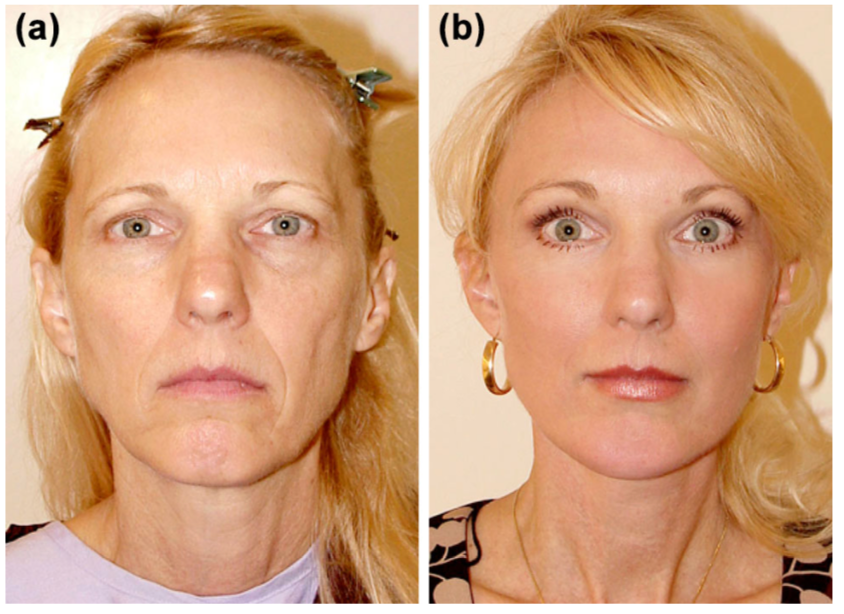
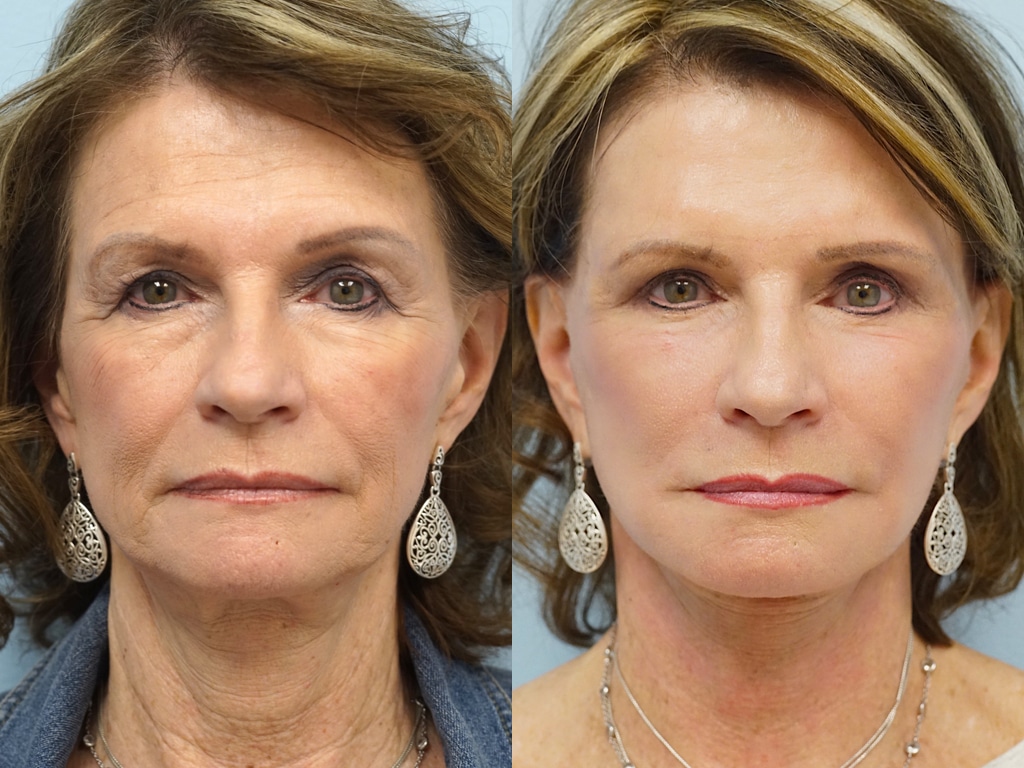
Over time, the face naturally loses fat in key areas such as the cheeks, temples, and under-eye region. Studies show that facial fat volume can decrease by up to 30–40% between the ages of 30 and 60, which contributes to a sunken or aged appearance. Facial fat grafting helps restore this lost volume, creating a fuller, smoother, and more youthful facial contour.
Compared with synthetic fillers, fat grafting offers several important benefits. Because the procedure uses the patient’s own fat tissue, it has very high biocompatibility and a minimal risk of allergic reaction. In addition, research suggests that 50–70% of transferred fat cells can survive long-term, allowing results to last for several years and sometimes permanently when the grafted fat integrates successfully into the surrounding tissue.
2. The Facial Fat Grafting Procedure
Facial fat grafting is typically performed as a three-step process that ensures both safety and long-lasting results.
The first step is fat harvesting, in which surgeons collect fat from donor areas such as the abdomen, thighs, or flanks using a gentle liposuction technique. Usually, 20–60 ml of fat is harvested depending on the treatment plan and the number of facial areas that require volume restoration.
Next, the harvested fat undergoes purification and processing. The fat is carefully filtered or centrifuged to remove impurities such as blood, oil, and damaged fat cells. This step is important because it increases the survival rate of the transplanted fat cells. Clinical studies indicate that proper fat processing can improve fat graft survival rates to approximately 60–80%.
Finally, the purified fat is precisely injected into targeted areas of the face using specialized micro-cannulas. Surgeons typically inject small amounts of fat in multiple layers to ensure smooth distribution and natural results. Depending on the number of treated areas, the procedure usually takes 60–120 minutes to complete.
3. Common Areas Treated with Facial Fat Grafting
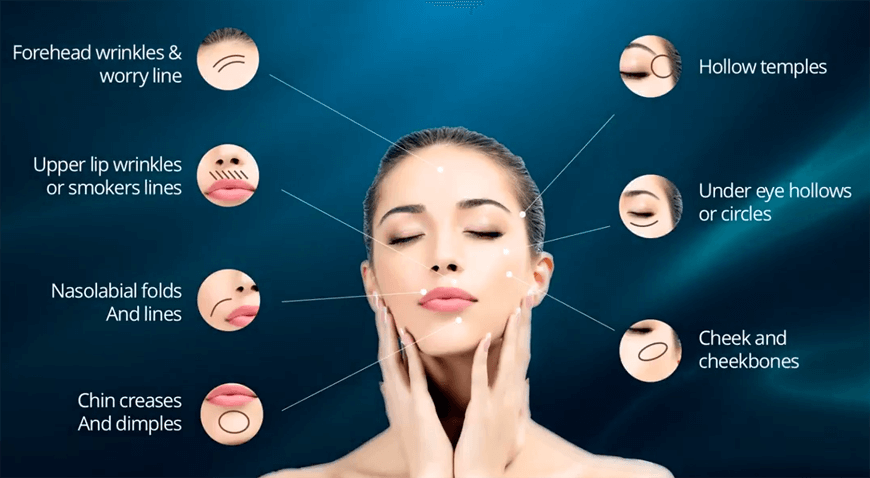
Facial fat grafting can be used to restore volume in several areas of the face that commonly experience fat loss over time. According to surveys among aesthetic surgeons, the most frequently treated areas include the cheeks, under-eye region, temples, and nasolabial folds.
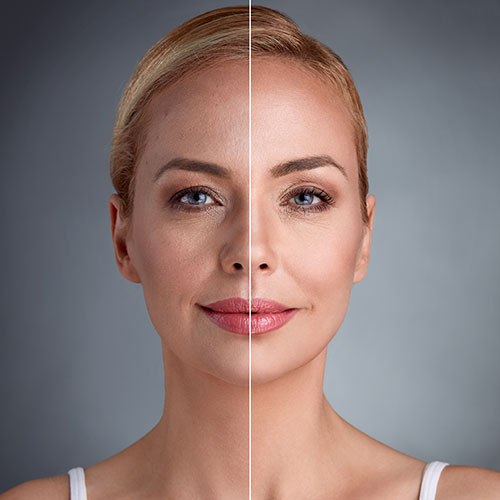
The cheeks and midface are the most common treatment areas, accounting for approximately 35–40% of facial fat grafting procedures. Restoring volume in this region helps improve facial balance and creates a more youthful facial contour.
>>> See more: Facial Contouring Surgery in Vietnam: Achieve a Harmonious and Sculpted Face
The temples are another important area, representing about 15–20% of fat grafting treatments. Hollow temples can make the face appear aged, and fat grafting helps restore a smoother transition between the forehead and cheeks.
The under-eye hollows, often referred to as tear troughs, account for roughly 15% of treatments. Adding volume in this area can reduce the appearance of dark circles and tired-looking eyes.
Other commonly treated areas include:
- Nasolabial folds: about 10–15% of cases, helping soften deep smile lines
- Chin and jawline contouring: approximately 10–15% of procedures, improving facial definition and balance
By combining treatment in multiple areas, surgeons can achieve more harmonious and natural facial rejuvenation.
4. Advantages of Fat Grafting Compared with Dermal Fillers
Both facial fat grafting and dermal fillers are widely used for facial volume restoration, but they differ in several important aspects, including materials, duration of results, and long-term outcomes.
| Treatment | Material | Duration of Results | Biocompatibility |
| Fat grafting | Patient’s own fat | Several years (sometimes permanent) | Very high |
| Dermal fillers | Hyaluronic acid | 12–24 months | High |
Fat grafting offers the advantage of longer-lasting results, since surviving fat cells can integrate with surrounding tissue and remain in place for many years. In contrast, most hyaluronic acid fillers gradually break down and require maintenance treatments every 12 to 18 months.
Another important advantage is biocompatibility. Because fat grafting uses the patient’s own tissue, the risk of allergic reactions or foreign-body responses is extremely low. Additionally, fat tissue contains adipose-derived stem cells, which may help improve skin texture and quality over time.
For these reasons, facial fat grafting is increasingly considered a long-term facial rejuvenation solution, particularly for patients seeking natural results and sustainable facial volume restoration.
III. Facial Fat Grafting Trends in Asia and Vietnam
1. Popularity of Fat Grafting in Asian Aesthetic Medicine
Facial fat grafting has become an increasingly popular procedure across many Asian countries as patients seek youthful facial fullness, smoother contours, and natural-looking rejuvenation. According to global surveys from the International Society of Aesthetic Plastic Surgery (ISAPS), Asia accounts for more than 30% of the world’s cosmetic procedures, making it one of the largest markets for aesthetic medicine.
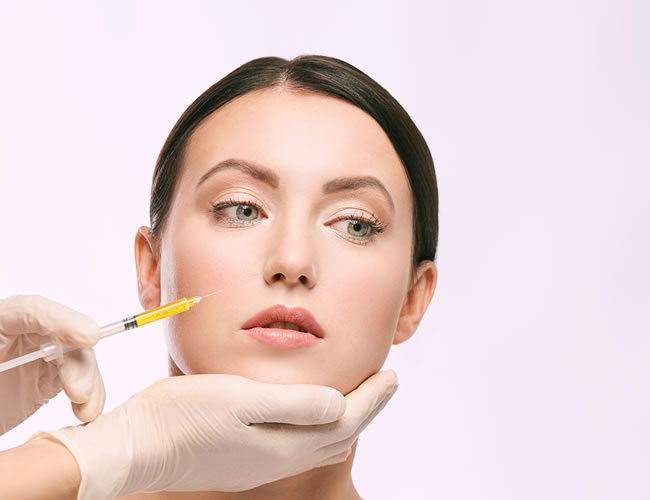
Several Asian countries are leading the growth of facial fat grafting and other facial rejuvenation treatments.
- South Korea is widely considered the cosmetic surgery capital of Asia. The country performs over 1 million aesthetic procedures each year, and facial procedures account for more than 60% of total treatments. Fat grafting is commonly used to enhance the forehead, temples, cheeks, and under-eye areas, with many clinics reporting that facial fat grafting represents about 20–25% of surgical facial rejuvenation procedures.
- Japan also has a large aesthetic medicine market, performing an estimated 300,000–400,000 cosmetic procedures annually. Japanese aesthetic clinics frequently use fat grafting to create subtle facial volume enhancement, particularly in the cheeks and temples. Surveys among plastic surgeons suggest that around 15–20% of surgical facial rejuvenation treatments in Japan involve fat grafting techniques.
- Thailand is another major aesthetic hub in Southeast Asia, especially due to its strong medical tourism industry. The country performs approximately 120,000–150,000 cosmetic procedures per year, with facial rejuvenation treatments accounting for nearly 40% of aesthetic procedures. Facial fat grafting is commonly combined with other procedures such as eyelid surgery and facelifts to achieve comprehensive rejuvenation results.
Across many Asian aesthetic clinics, fat grafting is increasingly used in combination treatments. Surgeons often combine facial fat grafting with procedures such as blepharoplasty, rhinoplasty, or facelifts, allowing both structural enhancement and volume restoration in a single treatment plan.
Another notable trend in Asia is the growing demand among younger patients. While fat grafting was traditionally performed mainly on patients over the age of 40, many clinics now report increasing interest among individuals aged 25–35 who want to enhance facial volume and maintain youthful facial contours. In some urban aesthetic centers, patients in this age group now represent 30–40% of fat grafting consultations.
These trends demonstrate that facial fat grafting is becoming an important part of modern aesthetic practice in Asia, as patients increasingly seek natural, regenerative, and long-lasting facial rejuvenation solutions.
2. Demand for Facial Fat Grafting in Vietnam
Vietnam’s aesthetic medicine industry has expanded rapidly over the past decade, with facial rejuvenation procedures becoming increasingly popular. Industry estimates suggest that over 300,000 aesthetic procedures are performed annually in Vietnam, and facial treatments account for a significant portion of this number.
Among facial rejuvenation options, fat grafting has become one of the fastest-growing procedures in Vietnamese clinics. Many aesthetic centers report that facial fat grafting now represents approximately 10–15% of surgical facial aesthetic procedures, reflecting the growing interest in natural volume restoration.
Vietnamese patients most commonly request fat grafting for the following areas:
- Cheeks and midface: about 35–40% of treatments
- Under-eye hollows: around 20% of cases
- Temples: approximately 15–20%
- Nasolabial folds and smile lines: roughly 10–15%
The demand is particularly strong among patients aged 30–50, who often experience early signs of facial volume loss. Many patients in this age group seek fat grafting as a preventive rejuvenation treatment that restores facial fullness while maintaining natural facial harmony.
3. Vietnam as a Competitive Destination for Facial Fat Grafting
Vietnam is increasingly recognized as a competitive destination for facial fat grafting in Asia, thanks to its combination of affordable treatment costs, modern aesthetic clinics, and experienced specialists. In recent years, the country has seen steady growth in cosmetic medical tourism as international patients seek high-quality aesthetic procedures at significantly lower prices than in Western countries.
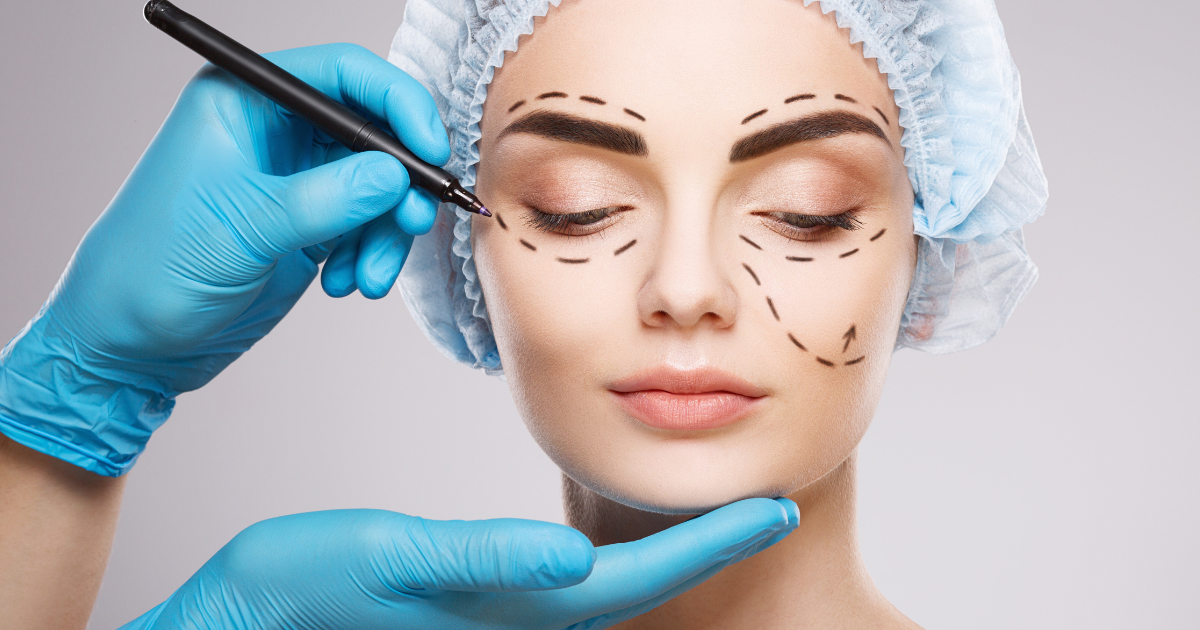
One of the most important advantages of undergoing facial fat grafting in Vietnam is cost efficiency. In many cases, the procedure in Vietnam costs 50–70% less than in North America, Europe, or Australia, while still being performed in well-equipped medical facilities. This price difference has made Vietnam particularly attractive for patients seeking facial rejuvenation procedures such as fat grafting.
The following table illustrates the average price comparison for facial fat grafting across several countries:
| Country | Average Cost of Facial Fat Grafting | Notes |
| United States | $4,000 – $8,000 | Higher surgical and facility costs |
| United Kingdom | $3,500 – $6,500 | Private cosmetic clinics dominate |
| South Korea | $2,500 – $4,500 | Leading cosmetic surgery market in Asia |
| Thailand | $2,000 – $3,500 | Strong medical tourism sector |
| Vietnam | $1,200 – $2,500 | Competitive pricing with modern clinics |
In addition to competitive pricing, many aesthetic centers in major cities such as Hanoi and Ho Chi Minh City are equipped with modern surgical facilities and advanced technologies for fat processing and injection. Techniques such as micro-fat grafting and nanofat grafting are increasingly used to improve fat survival rates and enhance natural results.
Another factor contributing to Vietnam’s competitiveness is the growing expertise of aesthetic specialists. Many Vietnamese cosmetic surgeons have received training or professional exchange experience in countries with advanced aesthetic industries, including South Korea, Japan, and the United States. As a result, clinics in Vietnam are increasingly capable of performing sophisticated facial rejuvenation procedures that meet international standards.
Vietnam’s tourism industry also supports the development of medical travel. Prior to the pandemic, the country welcomed over 18 million international visitors per year, and the number of travelers combining tourism with medical or aesthetic treatments has been gradually increasing. With its affordable pricing, improving healthcare infrastructure, and convenient travel access, Vietnam is becoming an increasingly attractive option for patients seeking high-quality facial fat grafting procedures in Asia.
IV. Why Choose BeDental Vietnam for Facial Fat Grafting
BeDental Vietnam has become one of the growing aesthetic centers offering facial rejuvenation treatments, including facial fat grafting, with a focus on personalized treatment and modern techniques. The clinic’s medical team includes aesthetic specialists trained in facial rejuvenation and fat transfer procedures, performing hundreds of facial aesthetic treatments each year, including fat grafting and other facial contouring procedures. At BeDental, surgeons typically perform 20–30 facial fat grafting procedures per month, treating common areas such as the cheeks, temples, and under-eye hollows. Clinical practice data indicates that with advanced fat processing and precise injection techniques, the clinic achieves an average fat retention rate of approximately 60–75%, helping patients maintain long-lasting volume restoration results.
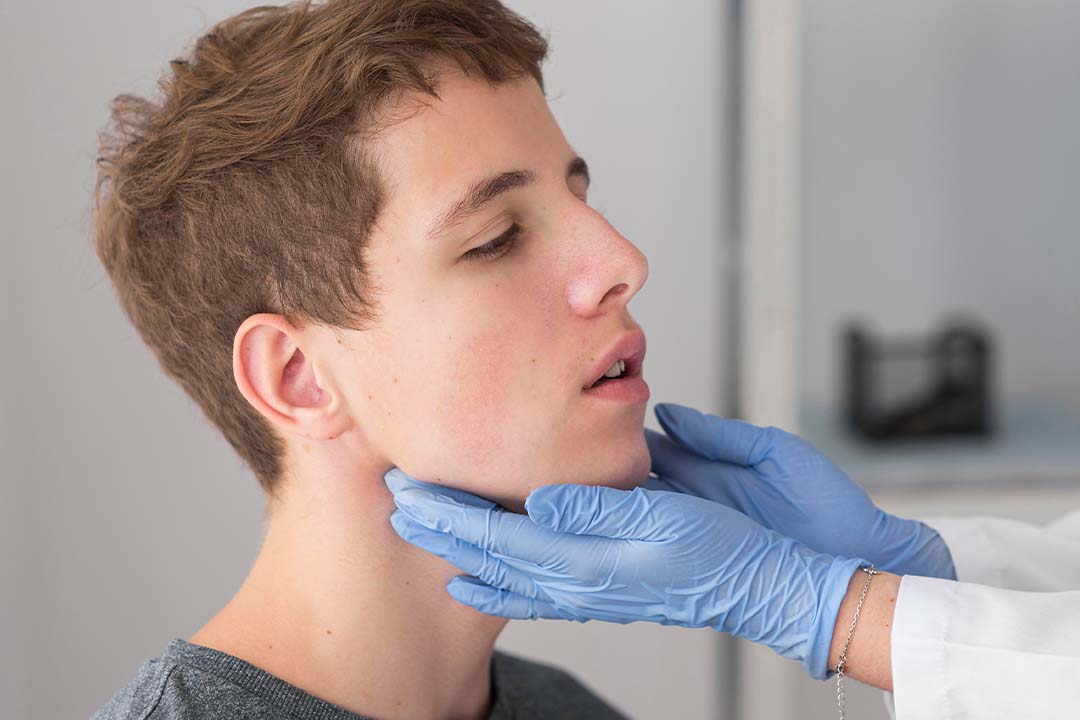
In addition to medical expertise, BeDental invests in modern fat purification systems and detailed facial analysis technology to improve treatment accuracy. Before each procedure, patients undergo a comprehensive facial assessment so that doctors can design personalized fat injection plans based on facial proportions and anatomy. The clinic also offers transparent and competitive pricing, with facial fat grafting procedures typically costing 40–60% less than similar treatments in Western countries, while maintaining international-standard facilities. For international patients, BeDental provides online consultations, treatment planning assistance, and post-procedure care support, making it easier for patients traveling to Vietnam to undergo facial rejuvenation treatments safely and conveniently.
Conclusion
Facial fat grafting has become an increasingly popular solution for restoring youthful facial volume and improving overall facial harmony. With the global aesthetic industry performing tens of millions of cosmetic procedures annually, demand for natural and long-lasting facial rejuvenation continues to grow. Compared with temporary injectable fillers, fat grafting offers the advantage of using the patient’s own tissue, providing high biocompatibility and results that can last for several years. This makes it an attractive option for individuals seeking subtle, natural facial enhancement rather than dramatic changes.
Across Asia, facial fat grafting has gained significant momentum as aesthetic trends shift toward balanced facial proportions and soft, youthful contours. Countries in the region now account for a large share of global cosmetic procedures, and Vietnam is emerging as a promising destination for facial rejuvenation treatments due to its combination of skilled specialists, modern clinics, and competitive treatment costs.
For patients considering facial fat grafting in Vietnam, BeDental Vietnam offers a comprehensive approach that combines experienced aesthetic doctors, advanced fat processing technology, and personalized treatment planning. With its commitment to patient safety, transparent pricing, and support for international patients, BeDental provides a reliable option for those seeking natural facial rejuvenation and long-lasting facial volume restoration.
BeDental: Trusted Dental and Aesthetic Clinic for International Patients
Founded in 2012, BeDental is one of the leading brands in dentistry and cosmetic surgery in Vietnam, trusted by many international patients. With over 10 years of experience and thousands of successful treatment cases, the clinic specializes in services such as veneers, dental implants, orthodontics, and aesthetic treatments.
Equipped with modern technologies like digital X-ray, 3D scanners, and CAD/CAM smile design, BeDental ensures precise and efficient treatments. Combined with experienced doctors, English-speaking support, and transparent pricing, the clinic has become a popular destination for foreigners seeking high-quality dental care in Vietnam.
 TS.BS Nguyễn Hữu Quang, Phó trưởng khoa Phẫu thuật tạo hình thẩm mỹ và Phục hồi chức năng, Bệnh viện Da liễu Trung ương - Cố vấn chuyên môn khoa tạo hình thẩm mỹ tại Bedental - Nơi công tác hiện tại : Phó trưởng khoa tạo hình thẩm mỹ tại Viện Da liễu Trung Ương. Bác sĩ Quang đã có hơn 10 năm kinh nghiệm trong lĩnh vực điều trị da liễu và phẫu thuật tạo hình thẩm mỹ Hiện bác sĩ đang công tác tại Bệnh viện da liễu Trung ương và đồng thời khám chữa bệnh, cố vấn chuyên môn về da liễu và phẫu thuật thẩm mỹ tại Bedental