

 English
 한국어
한국어 日本語
日本語 中文 (中国)


Facelift Surgery in Vietnam: In recent years, Vietnam has emerged as a promising destination for aesthetic and cosmetic procedures, attracting a growing number of international patients seeking high-quality treatments at more accessible costs. With modern hospitals, advanced surgical techniques, and experienced cosmetic surgeons, facelift procedures in Vietnam now follow internationally recognized standards of safety and care.
This article explores facelift surgery in Vietnam, including the reasons international patients choose the country, the most popular surgical techniques, comparisons between different facelift methods, and a detailed overview of the treatment process.
1. Why Do International Patients Choose Facelift Surgery in Vietnam?
Over the past decade, Vietnam has become one of the fastest-growing destinations for cosmetic surgery in Southeast Asia, particularly for facial rejuvenation procedures such as facelift surgery. A combination of competitive pricing, skilled surgeons, modern medical facilities, and expanding medical tourism services has made the country increasingly attractive to international patients.
Rapid Growth of the Cosmetic Surgery Market in Asia
The global aesthetic surgery industry has seen significant expansion, and Asia is now one of the most dynamic regions in the market. According to the International Society of Aesthetic Plastic Surgery (ISAPS), over 15.8 million surgical cosmetic procedures were performed worldwide in 2022, with Asia accounting for roughly 35–40% of global demand.
Vietnam has followed this regional trend. Data from the Vietnam Association of Aesthetic Plastic Surgery estimates that more than 300,000 cosmetic surgery procedures are performed annually in Vietnam, with facial rejuvenation procedures such as facelifts, eyelid surgery, and facial contouring representing around 20–25% of total treatments. The market value of Vietnam’s aesthetic medicine industry is estimated to exceed USD 2 billion per year and continues to grow at approximately 10–15% annually.
>>> See more: Lip Augmentation in Vietnam: Enhance Volume for Naturally Fuller Lips
Competitive Treatment Costs Compared with Western Countries
One of the main reasons international patients travel to Vietnam is the significant cost advantage without compromising medical quality.
In countries such as the United States or Australia, facelift surgery typically costs between USD 12,000 and USD 20,000. In contrast, the same procedure in Vietnam generally ranges from USD 3,000 to USD 6,500, depending on the surgical technique and clinic reputation. This means patients can save 60–70% of treatment costs, even after including travel and accommodation expenses.
The cost difference is largely due to lower operational costs, competitive medical service pricing, and strong specialization in facial aesthetic procedures.
Modern Hospitals and Advanced Surgical Technology
Vietnam’s major cities now host a growing number of international-standard aesthetic hospitals and specialized cosmetic clinics equipped with modern surgical technology. These facilities commonly use:
- High-definition endoscopic surgical systems
- Advanced anesthesia monitoring equipment
- 3D facial analysis technology for surgical planning
- Minimally invasive facelift techniques such as SMAS lifting and deep-plane lifting
Many surgeons practicing in Vietnam have also received training or fellowships in countries such as South Korea, Japan, and the United States, which contributes to improved surgical safety and aesthetic outcomes.
Growing Reputation of Vietnam in Medical Tourism
Vietnam’s medical tourism sector has expanded rapidly in recent years. According to the Vietnam National Administration of Tourism, the country welcomes hundreds of thousands of international medical travelers annually, with aesthetic treatments representing one of the fastest-growing segments.
Patients commonly travel from:
- Australia
- Singapore
- the United States
- Europe
- neighboring Southeast Asian countries
In addition to treatment, patients are attracted by Vietnam’s affordable travel costs, diverse tourism destinations, and convenient recovery environment.
Cities Commonly Chosen for Facelift Surgery
International patients typically choose Vietnam’s largest medical centers where experienced surgeons and advanced facilities are concentrated.
Ho Chi Minh City As Vietnam’s largest economic hub, Ho Chi Minh City performs the highest number of cosmetic procedures in the country, with hundreds of specialized aesthetic clinics and hospitals. The city is also a major entry point for international medical tourists due to its large international airport and well-developed healthcare infrastructure.
Hanoi Vietnam’s capital city has also become an important center for aesthetic medicine. Many high-end cosmetic clinics and hospitals are located in Hanoi, offering facelift surgery with modern technology and internationally trained surgeons. Hanoi is particularly attractive to patients who wish to combine medical treatment with cultural tourism and recovery in a quieter environment.
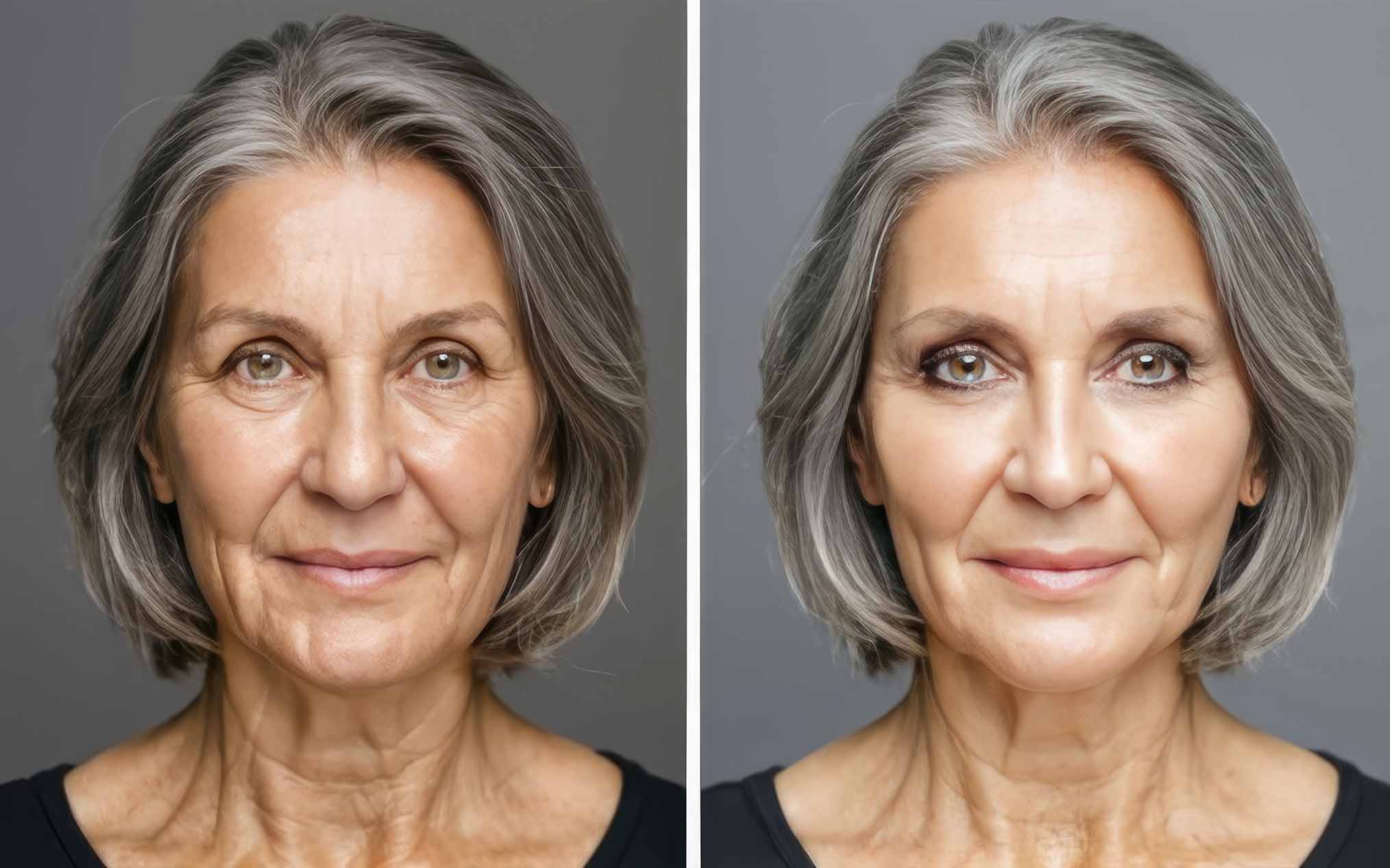
2. Popular Facelift Techniques in Vietnam
Facelift surgery in Vietnam has evolved significantly over the past decade. Clinics now offer a wide range of surgical and minimally invasive facelift techniques tailored to different degrees of facial aging. According to statistics from the International Society of Aesthetic Plastic Surgery, facial rejuvenation procedures account for nearly 25–30% of global aesthetic surgeries, and facelift techniques remain one of the most effective solutions for moderate to severe facial aging.
In Vietnam, it is estimated that over 40,000 facial lifting procedures are performed annually, including both surgical facelifts and non-surgical lifting treatments. Below are the most commonly used techniques.
2.1 Traditional (Full) Facelift
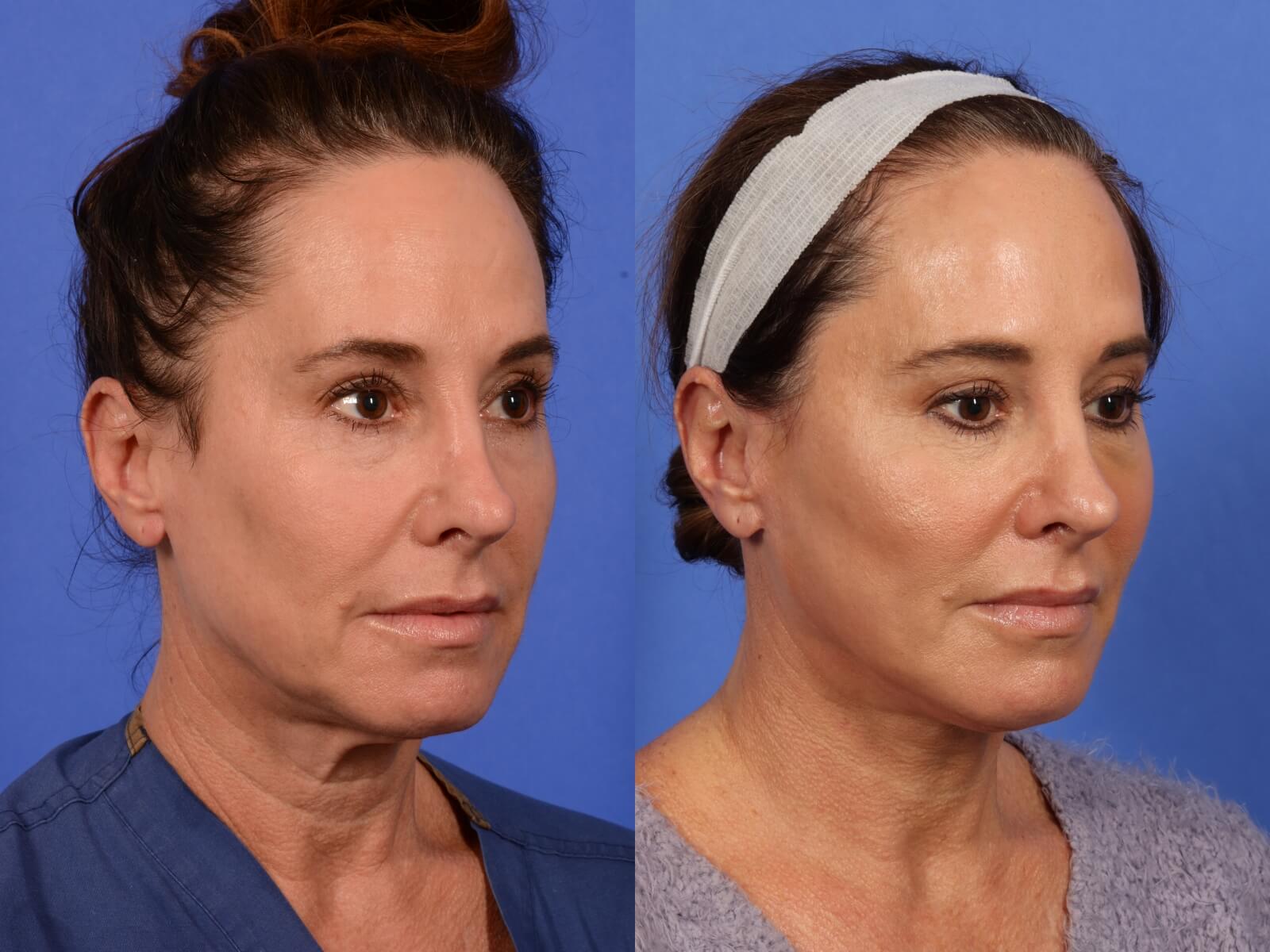
The traditional or full facelift is one of the most comprehensive facial rejuvenation procedures available. This technique focuses on lifting sagging skin, tightening underlying facial tissues, and repositioning deeper structures to restore a more youthful facial contour.
During the procedure, surgeons typically make incisions around the hairline and behind the ears, allowing access to deeper facial layers. Loose skin is removed, and underlying tissues are tightened before the skin is redraped naturally. This method is particularly suitable for patients experiencing moderate to severe facial aging, including deep nasolabial folds, sagging cheeks, and loose jawline skin. The results can last 8–12 years on average, depending on lifestyle, skin condition, and genetics.
In Vietnam, approximately 25–30% of facelift surgeries performed each year are full facelift procedures, especially among patients aged 45 to 65 who seek comprehensive facial rejuvenation.

2.2 Mini Facelift
The mini facelift is a less invasive version of the traditional facelift and is designed for patients who show early signs of aging, such as mild skin laxity and slight sagging around the cheeks or jawline.This procedure involves smaller incisions and limited tissue repositioning, which significantly reduces surgical trauma and recovery time. The operation usually takes 1–2 hours, and patients often return to normal activities within 7–10 days.
Because of its shorter downtime and lower cost, the mini facelift has become increasingly popular among younger patients. Clinics in Vietnam report that about 30–35% of facelift patients aged 35–45 choose the mini facelift technique.Although the results are less dramatic than a full facelift, they can still provide natural facial rejuvenation lasting approximately 4–6 years.
2.3 SMAS Facelift
The SMAS facelift is considered one of the most widely performed modern facelift techniques. It targets the superficial musculoaponeurotic system (SMAS), a layer of tissue that connects facial muscles and plays a crucial role in facial structure and movement.
Instead of tightening only the skin, surgeons lift and reposition the SMAS layer, which helps achieve more natural and longer-lasting results. This approach also reduces excessive skin tension, minimizing the risk of an artificial or “pulled” appearance.
The SMAS facelift is commonly recommended for patients with moderate facial sagging and deeper wrinkles. Results typically last 10–15 years, making it one of the most durable facelift techniques available. In Vietnam, SMAS-based procedures represent approximately 35–40% of surgical facelift cases, particularly among patients seeking balanced and natural-looking facial rejuvenation.
2.4 Deep Plane Facelift
The deep plane facelift is an advanced surgical technique designed to address severe facial aging and significant sagging of the mid-face area. Unlike traditional facelifts, this method lifts deeper facial structures beneath the SMAS layer, allowing for more comprehensive repositioning of facial tissues.
By releasing key facial ligaments and lifting deeper tissue planes, surgeons can restore cheek volume, jawline definition, and smoother facial contours. This technique is known for producing more dramatic yet natural-looking rejuvenation.
Deep plane facelifts require high surgical expertise and longer operating times, typically ranging from 3 to 5 hours. However, the results can last 12–15 years or more, making it one of the most long-lasting facelift options.
Although technically demanding, the number of deep plane facelift procedures in Vietnam has increased by approximately 20% over the past five years, reflecting growing patient interest in advanced facial rejuvenation techniques.
>>> See more: Dimple Creation in Vietnam: Add a Charming and Youthful Touch
2.5 Thread Lift (Non-Surgical Alternative)
For patients who prefer a minimally invasive approach, the thread lift offers a non-surgical alternative to traditional facelift procedures.
This technique uses biocompatible medical threads inserted under the skin to lift sagging facial tissues. The threads also stimulate collagen production, improving skin elasticity and firmness over time.Thread lifts are usually completed within 30–60 minutes, and patients can often resume normal activities within 2–3 days. However, the results are temporary, typically lasting 12–24 months.
Due to its convenience and minimal downtime, thread lifting has become one of the fastest-growing aesthetic treatments in Vietnam, accounting for over 60,000 procedures annually across major cosmetic clinics.
3. Comparison of Facelift Methods
Different facelift techniques are designed to address varying degrees of facial aging, recovery expectations, and desired longevity of results. Patients considering facial rejuvenation often choose between surgical procedures that provide long-term structural lifting and minimally invasive techniques that offer quicker recovery but shorter-lasting results.
Globally, facelift surgery remains one of the most effective facial rejuvenation procedures. According to the International Society of Aesthetic Plastic Surgery, more than 1.6 million facial rejuvenation procedures are performed worldwide each year, including surgical facelifts and minimally invasive lifting treatments. Surgical facelifts typically provide longer-lasting and more dramatic improvements, while non-surgical options appeal to younger patients seeking subtle enhancement.
In Vietnam, the increasing availability of modern surgical techniques and experienced cosmetic surgeons has allowed patients to access a wide range of facelift solutions tailored to different aesthetic needs.
| Technique | Longevity of Results | Recovery Time | Advantages | Ideal Candidates |
| Traditional (Full) Facelift | 8–12 years | 2–3 weeks | Comprehensive facial rejuvenation, corrects significant sagging | Patients with moderate to severe facial aging |
| Mini Facelift | 4–6 years | 7–10 days | Smaller incisions, faster recovery, less invasive | Patients with early signs of aging |
| SMAS Facelift | 10–15 years | 2–3 weeks | More natural-looking and longer-lasting results | Patients with moderate facial sagging |
| Deep Plane Facelift | 12–15 years | 3–4 weeks | Advanced lifting of deeper facial structures, dramatic rejuvenation | Patients with advanced facial aging |
| Thread Lift (Non-Surgical) | 12–24 months | 2–5 days | Minimally invasive, quick procedure, minimal downtime | Younger patients with mild skin laxity |
Overall, SMAS facelift and deep plane facelift techniques are increasingly preferred by experienced surgeons, as they address the deeper structural causes of facial aging rather than simply tightening the skin. Meanwhile, thread lift procedures continue to grow in popularity among younger patients, particularly those between 30 and 45 years old, who prefer treatments with shorter recovery time.
Understanding the differences between these techniques allows patients to choose the most appropriate facelift solution based on their age, facial condition, and aesthetic goals.
4. Facelift Surgery Procedure in Vietnam
Facelift surgery follows a carefully structured surgical process designed to restore youthful facial contours by lifting sagging tissues, tightening deeper facial structures, and removing excess skin. In modern aesthetic clinics in Vietnam, facelift procedures are typically performed as outpatient surgeries, meaning most patients can return home within 24 hours after the operation.
Depending on the chosen technique, facelift surgery usually takes 2–5 hours to complete. Less invasive procedures such as mini facelift may require around 1.5–2.5 hours, while more advanced procedures such as SMAS facelift or deep plane facelift may take 3–5 hours due to the need to reposition deeper facial structures.

Step 1. Consultation and Facial Assessment
The procedure begins with a detailed consultation and facial evaluation. During this stage, the surgeon carefully analyzes several key factors that influence surgical planning, including:
- Degree of skin laxity and facial sagging
- Jawline definition and neck contour
- Facial symmetry and proportions
- Skin elasticity and aging patterns
Many modern clinics also use digital facial imaging or simulation systems to help visualize potential results and guide surgical planning. Based on this analysis, the surgeon determines the most appropriate facelift technique for the patient’s facial anatomy and aesthetic goals.
Step 2. Anesthesia and Surgical Preparation
Facelift surgery is usually performed under local anesthesia with sedation, which accounts for approximately 60–70% of facelift procedures worldwide. More complex procedures may require general anesthesia, particularly when deeper facial structures are involved.
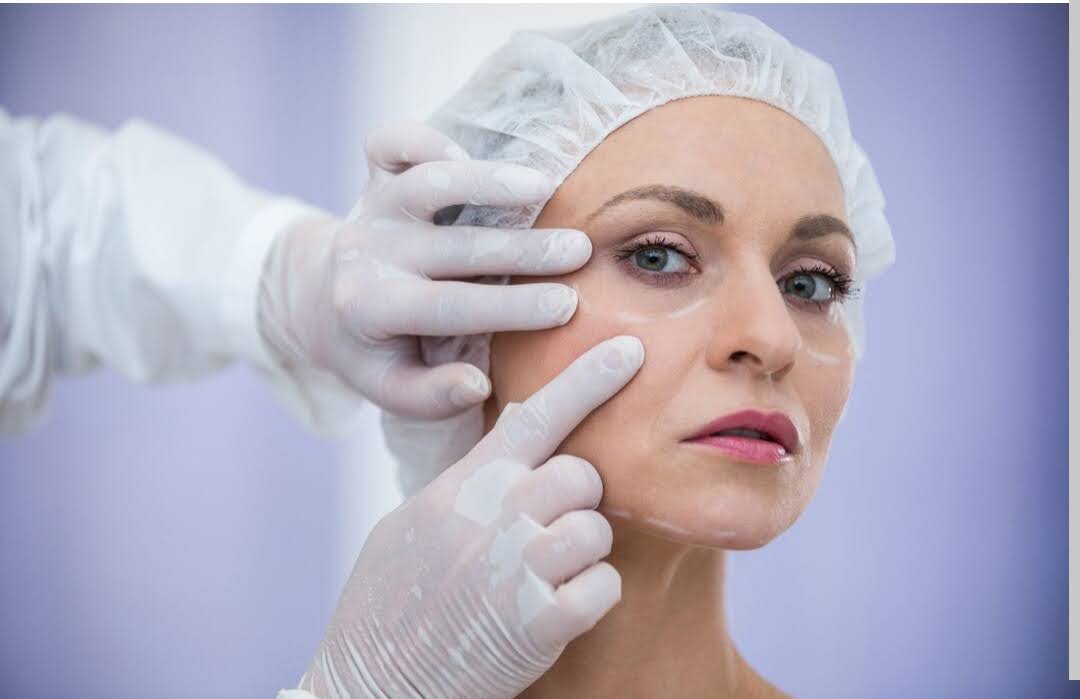
Before surgery begins, the surgeon marks the planned incision lines along natural facial creases and hairlines. These markings help ensure that scars remain well hidden within the hairline and around the ears after healing.
Step 3. Incision and Tissue Repositioning
Once anesthesia takes effect, the surgeon makes precise incisions along predetermined lines, typically beginning at the temple or hairline, extending around the ear, and sometimes continuing behind the ear.
The length of the incision varies depending on the surgical technique:
- Mini facelift: approximately 3–5 cm around the ear
- Traditional facelift: approximately 8–12 cm along the hairline and behind the ear
During this stage, the surgeon lifts the skin and repositions deeper facial tissues. In many modern facelift techniques, the SMAS layer (superficial musculoaponeurotic system) is tightened or repositioned to provide more durable and natural-looking results.
Excess skin is then carefully removed. In moderate aging cases, surgeons typically remove around 2–5 cm of redundant skin from each side of the face to restore smoother contours.
Step 4. Skin Redraping and Suturing
After the underlying tissues are repositioned, the skin is gently redraped over the newly lifted facial structure. Any remaining excess skin is trimmed, and the incisions are closed using fine surgical sutures designed to minimize scarring.
Depending on the extent of the procedure, surgeons typically use 20–40 small sutures to close the incisions and ensure precise wound healing. Modern facelift techniques emphasize minimal skin tension, which helps preserve natural facial expressions and prevents the overly tight appearance sometimes associated with older facelift methods.

Step 5. Recovery and Postoperative Care
After surgery, patients are monitored for a short period before being discharged or transferred to a recovery room. Since most facelift procedures are outpatient surgeries, many patients can return home the same day.
The recovery process generally follows a predictable timeline:
- First 3–5 days: swelling and mild bruising are common
- 7–10 days: sutures are typically removed
- 2–3 weeks: most patients can resume normal daily activities
- 6–12 weeks: final facial contours gradually become visible
Although individual recovery varies, most patients begin to notice significant improvements in facial firmness and contour within the first two to three months after surgery.
Overall, facelift surgery in Vietnam combines modern surgical techniques, careful facial analysis, and structured postoperative care to achieve natural and long-lasting facial rejuvenation results.
Conclusion
Facelift surgery remains one of the most comprehensive solutions for facial rejuvenation, capable of addressing multiple signs of aging such as sagging skin, deep wrinkles, and loss of facial contour. With modern surgical techniques ranging from mini facelifts to advanced deep plane facelifts, patients today have access to procedures that can deliver natural-looking and long-lasting results while preserving facial expression.
Vietnam’s cosmetic surgery industry continues to grow rapidly, supported by modern medical facilities, improving surgical technology, and an expanding reputation in the field of medical tourism. These factors have made the country an increasingly attractive option for patients seeking facial rejuvenation procedures in Asia.
For individuals considering aesthetic treatments in Vietnam, BeDental Vietnam is committed to providing professional consultation, personalized treatment planning, and patient-centered care. While primarily recognized as a modern dental clinic, BeDental also emphasizes comprehensive aesthetic consultation and guidance, helping patients better understand facial harmony, treatment options, and the most appropriate procedures for their individual needs.
By combining careful analysis, modern technology, and a patient-focused approach, BeDental Vietnam aims to support patients in achieving balanced, natural-looking aesthetic outcomes and a more confident smile.
BeDental: Trusted Dental and Aesthetic Clinic for International Patients
Founded in 2012, BeDental is one of the leading brands in dentistry and cosmetic surgery in Vietnam, trusted by many international patients. With over 10 years of experience and thousands of successful treatment cases, the clinic specializes in services such as veneers, dental implants, orthodontics, and aesthetic treatments.
Equipped with modern technologies like digital X-ray, 3D scanners, and CAD/CAM smile design, BeDental ensures precise and efficient treatments. Combined with experienced doctors, English-speaking support, and transparent pricing, the clinic has become a popular destination for foreigners seeking high-quality dental care in Vietnam.
 TS.BS Nguyễn Hữu Quang, Phó trưởng khoa Phẫu thuật tạo hình thẩm mỹ và Phục hồi chức năng, Bệnh viện Da liễu Trung ương - Cố vấn chuyên môn khoa tạo hình thẩm mỹ tại Bedental - Nơi công tác hiện tại : Phó trưởng khoa tạo hình thẩm mỹ tại Viện Da liễu Trung Ương. Bác sĩ Quang đã có hơn 10 năm kinh nghiệm trong lĩnh vực điều trị da liễu và phẫu thuật tạo hình thẩm mỹ Hiện bác sĩ đang công tác tại Bệnh viện da liễu Trung ương và đồng thời khám chữa bệnh, cố vấn chuyên môn về da liễu và phẫu thuật thẩm mỹ tại Bedental