

 English
 한국어
한국어 日本語
日本語 中文 (中国)


Jaw Reduction in Vietnam: Jaw reduction surgery has become an increasingly popular facial contouring procedure for individuals seeking a slimmer, more balanced, and harmonious lower face. By reducing the width of the jawline—whether through muscle reduction, bone contouring, or a combination of both—this procedure helps soften strong facial angles and enhance overall facial proportions. As global demand for lower-face contouring continues to grow at an estimated 7–9% annually, patients are looking beyond their home countries for destinations that offer high medical standards, advanced techniques, and more accessible pricing.
In recent years, Vietnam has emerged as a compelling choice for jaw reduction surgery. With experienced facial contouring surgeons, modern hospitals, and treatment costs that are 40–70% lower than in many developed countries, Vietnam attracts both local and international patients. Clinics such as BeDental Vietnam exemplify this trend by providing personalized jaw reduction solutions supported by advanced technology, short waiting times, and comprehensive medical tourism services.
I. Who Is a Good Candidate for Jaw Reduction in Vietnam
Cost-conscious patients seeking quality facial contouring
Jaw reduction in Vietnam is especially attractive to cost-conscious patients seeking high-quality facial contouring. Compared to the United States, Western Europe, or East Asia, jaw reduction procedures in Vietnam are typically 40–70% more affordable, while still being performed by experienced surgeons in modern medical facilities. This cost advantage is significant at a time when global demand for lower-face contouring continues to grow at an estimated 7–9% annually, making Vietnam a practical alternative for patients who want professional results without premium pricing.
Medical tourists combining treatment with recovery travel
Vietnam also appeals strongly to medical tourists who wish to combine treatment with recovery travel. Each year, the country welcomes hundreds of thousands of international medical travelers, many choosing cosmetic procedures due to the ability to recover in resort-style accommodations or wellness-focused environments. For these patients, jaw reduction can be scheduled alongside a short stay, allowing initial healing to take place in a relaxed setting. In addition, Vietnam offers short waiting times, often allowing consultation, surgery, and early follow-up to be completed within 7–14 days, compared to waiting periods of several weeks or months in more saturated markets.
>> See more: Cheek Augmentation in Vietnam: Create Softer and More Contoured Features
Patients looking for personalized, surgeon-led treatment plans
Another key group includes patients seeking personalized, surgeon-led treatment plans. Jaw reduction in Vietnam typically emphasizes detailed facial analysis and customized approaches, whether non-surgical masseter reduction or surgical bone contouring. This individualized care model supports close post-procedure monitoring during the critical early recovery phase. As a result, Vietnam is well suited for international patients comfortable with short-term overseas care, as well as regional and local patients from neighboring countries who want access to advanced jaw reduction techniques without the high costs commonly associated with established cosmetic surgery hubs.
II. Why Vietnam is emerging as a destination for jaw reduction
Jaw reduction is an ideal option for individuals who feel that a wide or prominent jawline disrupts their overall facial balance. Globally, lower-face contouring procedures—including jaw reduction—account for approximately 20–30% of all facial bone and contouring surgeries, with particularly high demand in East and Southeast Asia where a slimmer facial shape is often preferred. In Vietnam, jaw reduction is increasingly chosen by patients seeking a softer, more harmonious appearance without compromising facial function.
Common indications include a wide or square jawline caused by enlarged jaw muscles (masseter hypertrophy) or prominent mandibular bone structure. Clinical data suggest that over 60% of patients seeking jaw reduction in Asia present with muscle-related jaw width, making non-surgical masseter Botox a popular first-line treatment. Others may have a strong bony jaw angle, which typically requires surgical contouring for long-lasting results.
Ideal candidates are healthy adults with stable facial bone development, good overall health, and realistic expectations. Jaw reduction is most commonly performed in patients aged 20–45, an age group that represents nearly 70% of facial contouring patients worldwide. Candidates should understand that while non-surgical options offer temporary improvement, surgical jaw reduction provides more permanent and dramatic contouring.
| Country / Region | Estimated Cost (USD) | Typical Procedure Type |
| Vietnam | $1,200 – $4,500+ | Jaw reduction / V-Line jaw contouring using bone reduction & chin reshaping |
| South Korea | $6,000 – $14,000+ | Jaw reduction / V-Line & mandibular contouring |
| United States | $15,000 – $40,000+ | High-end jaw reduction & facial contouring |
| Thailand | $5,000 – $12,000 | Regional medical tourism option |
| Turkey | $6,000 – $12,000 | Competitive pricing in cosmetic surgery |
| Western Europe (UK/Europe) | ~$12,500 – $25,000+ | Jaw reduction / contouring procedures |
Cases where jaw reduction may not be recommended include patients with untreated temporomandibular joint (TMJ) disorders, significant bite misalignment requiring orthognathic surgery, or underlying medical conditions that increase surgical risk. Additionally, individuals with unrealistic expectations or those seeking extreme facial changes without medical indication may be advised against the procedure after professional evaluation.
Overall, jaw reduction in Vietnam is best suited for patients seeking a balanced, slimmer lower face through a personalized approach—whether non-surgical or surgical—guided by careful facial analysis and expert clinical judgment.
III. Jaw Reduction Techniques in Vietnam
Jaw reduction in Vietnam can be broadly divided into non-surgical and surgical techniques, each with distinct benefits, limitations, and suitability depending on the patient’s anatomy and aesthetic goals.
1. Non-surgical Jaw Reduction
Masseter Botox (mechanical muscle reduction) Masseter Botox involves injecting botulinum toxin into the masseter muscles (jaw chewing muscles) to reduce muscle bulk over time. This approach is especially effective for muscle-related jaw width, a common cause of a square or wide lower face.
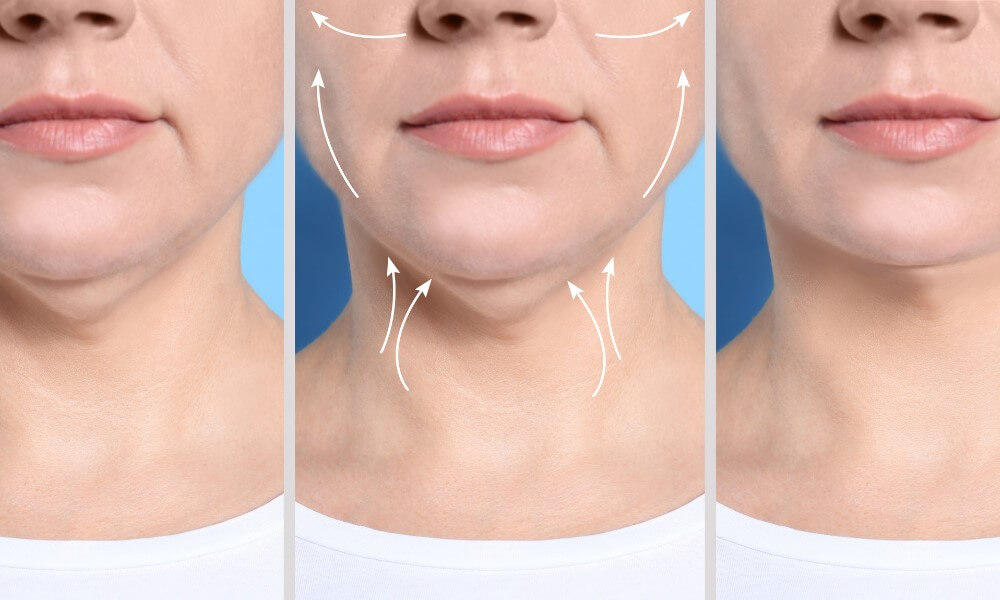
Effectiveness: Studies show Botox for masseter reduction can reduce lower-face width by 10–25% in appropriate patients. It is particularly effective for patients whose wide jaw appearance is due to masseter muscle hypertrophy rather than bone structure.
Duration: Results typically begin to show 4–8 weeks after injection, with maximum improvement around 12 weeks. Effects last approximately 4–6 months, after which maintenance injections are required.
Limitations:
- Not effective for bone-dominant jaw width.
- Less predictable results for older patients with significant skin laxity.
- Multiple treatment sessions may be required to achieve desired appearance.
Non-surgical jaw reduction procedures are increasing in popularity. Globally, non-surgical lower-face treatments — including Botox and fillers — have risen by over 30% in the past decade, driven by demand for minimal downtime and reversible results.
2. Surgical Jaw Reduction
Surgical jaw reduction involves reshaping the facial bone structure to achieve a slimmer jawline. This is typically indicated when excess bone mass in the mandibular angle contributes to a wide lower face.
Mandibular Angle Reduction (bone shaving) This technique reduces the width and prominence of the jaw angle by shaving or contouring the mandibular bone through intraoral incisions.
Effectiveness:
- Bone contouring offers the most dramatic and permanent jaw narrowing, especially for skeletal-dominant cases.
- Clinical studies report high patient satisfaction (85–95%) for surgical jaw contouring in Asian facial aesthetics practices.
Combination of Bone Contouring and Muscle Reduction
In many cases — especially when both bone and masseter muscle contribute to a wide jawline — surgeons perform combined reduction. This approach ensures both the hard (bone) and soft (muscle) components are addressed for balanced results. Combined cases account for 30–40% of surgical jaw reduction procedures in aesthetic clinics across Asia.
Comparison of Techniques
| Technique | Effectiveness | Recovery Time | Longevity of Results |
| Masseter Botox | Moderate (good for muscle-dominant cases) | Minimal (1–3 days) | 4–6 months (temporary) |
| Mandibular Angle Reduction | High (bone reshaping, permanent) | Moderate (2–4 weeks) | Permanent |
| Combination (Bone + Muscle) | Very High (addresses both causes) | Moderate (2–4 weeks) | Permanent |
Overall, each jaw reduction technique offers different levels of effectiveness, recovery time, and result longevity. Masseter Botox is the least invasive option, providing moderate jaw slimming with minimal downtime of 1–3 days, but results are temporary and usually last 4–6 months, making it suitable for patients seeking a reversible or trial treatment. Surgical mandibular angle reduction, on the other hand, delivers the most significant and permanent narrowing of the jawline, with a recovery period of approximately 2–4 weeks and long-term patient satisfaction rates reported at 85–95%. For patients whose wide jawline is caused by both bone structure and muscle hypertrophy, a combined approach offers the most comprehensive correction, balancing strong, long-lasting results with a similar recovery timeline. This comparison highlights the importance of personalized treatment planning to achieve optimal facial harmony.
IV. Why Choose BeDental Vietnam for Jaw Reduction Surgery?
Experienced facial contouring surgeons
BeDental Vietnam collaborates with facial contouring surgeons who typically have 10+ years of experience in jawline and lower-face procedures. Each specialist performs an estimated 200–400 facial contouring cases annually, contributing to consistently high clinical proficiency. Reported patient satisfaction rates for jaw reduction procedures exceed 90–95%, comparable to outcomes at leading aesthetic centers in the region.

>>> See more: V-Line Chin Contouring in Vietnam: Sculpt a Slim and Elegant Jawline
Modern hospitals and advanced surgical technology
Jaw reduction surgeries are carried out in modern hospitals equipped with CT imaging, digital facial analysis, and minimally invasive surgical tools. These technologies improve surgical precision and help reduce complication rates, which are commonly reported at below 3% in well-equipped centers. Strict sterilization protocols and anesthesia standards align with international best practices, ensuring patient safety throughout the procedure.
Competitive and transparent pricing
One of BeDental Vietnam’s key advantages is affordability. Jaw reduction surgery in Vietnam typically costs 40–70% less than in countries such as the United States, South Korea, or Western Europe. Pricing packages are usually transparent and may include consultation, surgery, hospital stay, and post-operative follow-up, allowing patients to better control overall treatment expenses.
Short waiting times
Unlike many developed markets where elective facial contouring surgery may involve waiting periods of 4–12 weeks, BeDental Vietnam offers significantly faster scheduling. Most patients can complete consultation, surgery, and early post-operative monitoring within 7–14 days, making it especially convenient for international patients with limited travel time.

Well-developed medical tourism services
Vietnam welcomes hundreds of thousands of medical tourists each year, supported by a growing infrastructure tailored to international patients. BeDental Vietnam provides coordinated services such as treatment planning, travel and accommodation support, and structured aftercare guidance. This integrated approach allows patients to undergo jaw reduction surgery while enjoying a smooth, efficient medical tourism experience with reliable follow-up care.
Conclusion
Jaw reduction surgery offers a powerful solution for patients seeking long-term improvement in facial balance and confidence. Whether through non-surgical masseter Botox or permanent surgical jaw contouring, modern techniques allow for safe, predictable outcomes when carefully tailored to each patient’s facial structure. With proper evaluation and expert execution, jaw reduction can significantly enhance facial harmony while preserving natural expression and function.
Choosing Vietnam for jaw reduction surgery allows patients to combine clinical quality with exceptional value. Supported by skilled surgeons, internationally equipped hospitals, transparent pricing, and a well-developed medical tourism infrastructure, BeDental Vietnam stands out as a reliable destination for advanced facial contouring. For individuals seeking a slimmer jawline, efficient treatment timelines, and a smooth recovery experience, jaw reduction surgery in Vietnam represents a balanced and compelling choice.
BeDental: Trusted Dental and Aesthetic Clinic for International Patients
Founded in 2012, BeDental is one of the leading brands in dentistry and cosmetic surgery in Vietnam, trusted by many international patients. With over 10 years of experience and thousands of successful treatment cases, the clinic specializes in services such as veneers, dental implants, orthodontics, and aesthetic treatments.
Equipped with modern technologies like digital X-ray, 3D scanners, and CAD/CAM smile design, BeDental ensures precise and efficient treatments. Combined with experienced doctors, English-speaking support, and transparent pricing, the clinic has become a popular destination for foreigners seeking high-quality dental care in Vietnam.
 TS.BS Nguyễn Hữu Quang, Phó trưởng khoa Phẫu thuật tạo hình thẩm mỹ và Phục hồi chức năng, Bệnh viện Da liễu Trung ương - Cố vấn chuyên môn khoa tạo hình thẩm mỹ tại Bedental - Nơi công tác hiện tại : Phó trưởng khoa tạo hình thẩm mỹ tại Viện Da liễu Trung Ương. Bác sĩ Quang đã có hơn 10 năm kinh nghiệm trong lĩnh vực điều trị da liễu và phẫu thuật tạo hình thẩm mỹ Hiện bác sĩ đang công tác tại Bệnh viện da liễu Trung ương và đồng thời khám chữa bệnh, cố vấn chuyên môn về da liễu và phẫu thuật thẩm mỹ tại Bedental