

 English
 한국어
한국어 日本語
日本語 中文 (中国)


V Line Chin Contouring in Vietnam: V-Line chin contouring has become one of the most sought-after facial aesthetic procedures for individuals who desire a slimmer, more elegant, and well-balanced lower face. By refining the shape, length, and projection of the chin, this procedure helps create the iconic V-shaped facial profile associated with youthfulness and facial harmony. With the global rise of facial contouring treatments—both surgical and non-surgical—patients are increasingly seeking destinations that offer high medical standards, experienced specialists, and reasonable costs.
In this context, Vietnam has emerged as a competitive hub for V-Line chin contouring. Combining skilled facial plastic surgeons, modern medical facilities, and significantly lower treatment costs compared to many developed countries, Vietnam attracts both local and international patients. Clinics such as BeDental Vietnam exemplify this trend by providing comprehensive, patient-centered V-Line chin contouring solutions that meet international expectations while remaining accessible and efficient.
I. Introduction to V-Line Chin Contouring- V Line Chin Contouring in Vietnam:
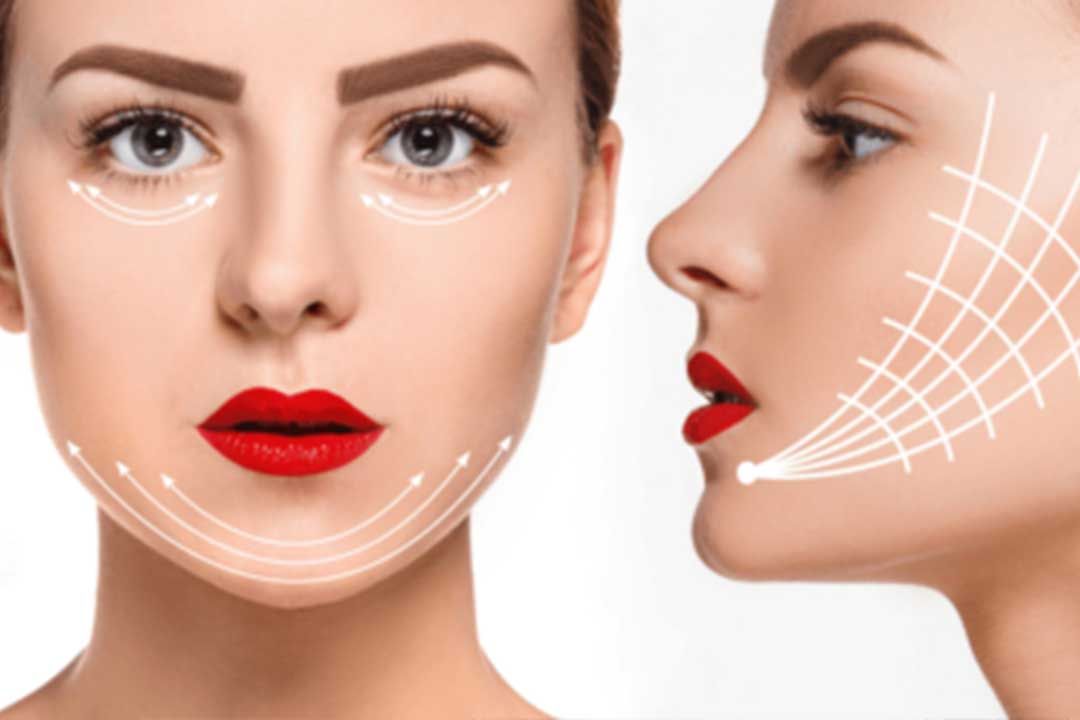
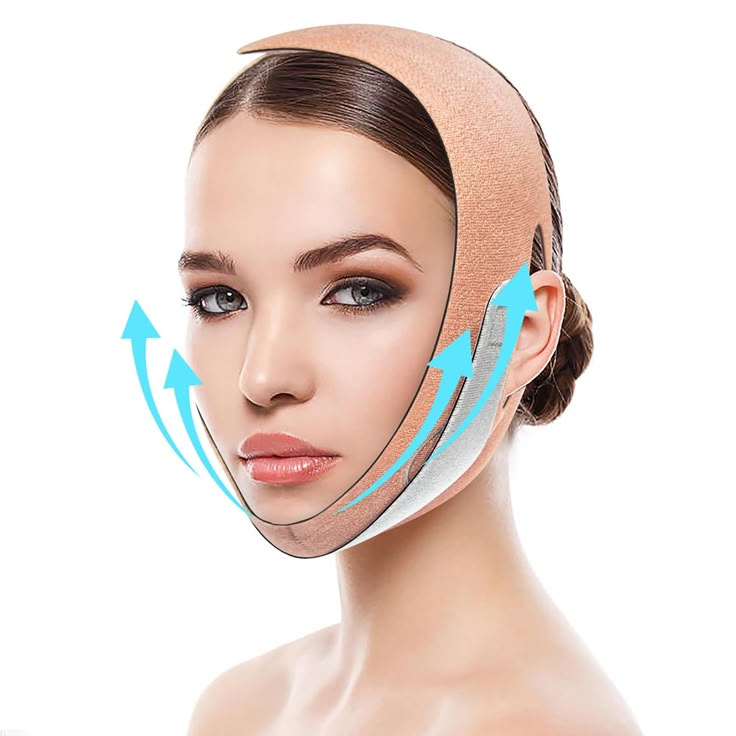
What is V-Line chin contouring? V-Line chin contouring is a facial aesthetic procedure designed to create a slimmer, more defined, and elegant lower face by refining the shape and projection of the chin and jawline. Depending on individual anatomy and aesthetic goals, V-Line contouring can be achieved through non-surgical methods—such as chin fillers or muscle-relaxing injections—or surgical techniques including chin implants or sliding genioplasty. The goal is to achieve a balanced V-shaped facial profile while maintaining natural proportions and facial function.
The aesthetic appeal of a V-shaped jawline and chin
A V-shaped jawline and chin are widely associated with youthfulness, femininity, and facial harmony. A well-contoured chin helps define the lower face, enhances the transition between the jaw and neck, and improves overall facial symmetry. Studies in facial aesthetics indicate that balanced lower-face proportions significantly influence perceived attractiveness, making V-Line chin contouring a popular choice for patients seeking subtle yet impactful facial enhancement.
>> See more: Nasal Tip Refinement in Vietnam: Enhance Definition and Facial Balance
Global popularity of V-Line facial contouring procedures
Globally, demand for V-Line facial contouring has increased steadily, driven by aesthetic trends in East Asia and the growing availability of both surgical and minimally invasive treatments. Chin and jawline enhancement procedures represent a significant share of non-surgical facial contouring treatments worldwide, with millions of filler and botulinum toxin procedures performed annually. Surgical options such as genioplasty and chin implants also remain in demand among patients seeking long-term structural refinement.
Why Vietnam is emerging as a destination for V-Line chin contouring
Vietnam is increasingly recognized as a destination for V-Line chin contouring due to its combination of skilled aesthetic practitioners, modern medical facilities, and competitive treatment costs. Procedures in Vietnam are typically priced 40–70% lower than in countries such as South Korea, the United States, or Western Europe, while adhering to internationally accepted safety and technique standards. Short waiting times and a rapidly developing medical tourism infrastructure further position Vietnam as an attractive option for both local and international patients seeking high-quality V-Line chin contouring with natural-looking results.
Specifically for chin and cheek enhancement, the global chin augmentation market—including surgical and non-surgical techniques—is projected to grow from about USD 1.2 billion in 2022 to around USD 2.01 billion by 2030, with a compound annual growth rate (CAGR) near 6.8%. Likewise, the cheek augmentation market is expected to expand from an estimated USD 2.93 billion in 2025 to roughly USD 6.72 billion by 2035, at a similar CAGR near 8.6%, reflecting increasing global interest in facial contouring procedures using both fillers and surgical methods.
| Country / Region | Estimated Treatment Cost (USD) | Typical Techniques Included |
| Vietnam | $800 – $3,500+ | Non-surgical fillers (chin/cheek), fat grafting, surgical implants |
| United States | $2,500 – $9,000+ | Chin implants, surgical contouring, filler augmentation |
| South Korea | $4,000 – $6,500+ | High-end surgical and non-surgical facial contouring |
| Turkey | $2,000 – $4,000 | Implant, surgical and filler procedures at competitive costs |
| Western Europe | $3,500 – $8,000+ | Facial cosmetic procedures with variable pricing |
In Vietnam, although procedure-specific statistics for chin or cheek augmentation are less commonly reported, the broader cosmetic surgery market demonstrates significant momentum. The overall cosmetic surgery market in Vietnam was valued at approximately USD 355.6 million in 2024 and is forecast to nearly double to USD 749.7 million by 2033. In addition, the dermal fillers segment—heavily used for non-surgical chin and cheek contouring—generated over USD 24 million in revenue in 2025 and is projected to reach around USD 63 million by 2033, growing at an annual rate exceeding 12%. Non-invasive aesthetic treatment demand in Vietnam is supported by estimates suggesting over 1.5 million aesthetic procedures annually, driven by rising disposable incomes and growing beauty awareness.
II. Who Is a Good Candidate for V-Line Chin Contouring?
V-Line chin contouring is commonly sought by patients who feel their lower face appears wide, heavy, or lacks definition. Globally, lower-face contouring (including chin and jawline procedures) accounts for an estimated 20–25% of all facial contouring treatments, reflecting strong demand for jawline and chin refinement in both Asian and Western markets.
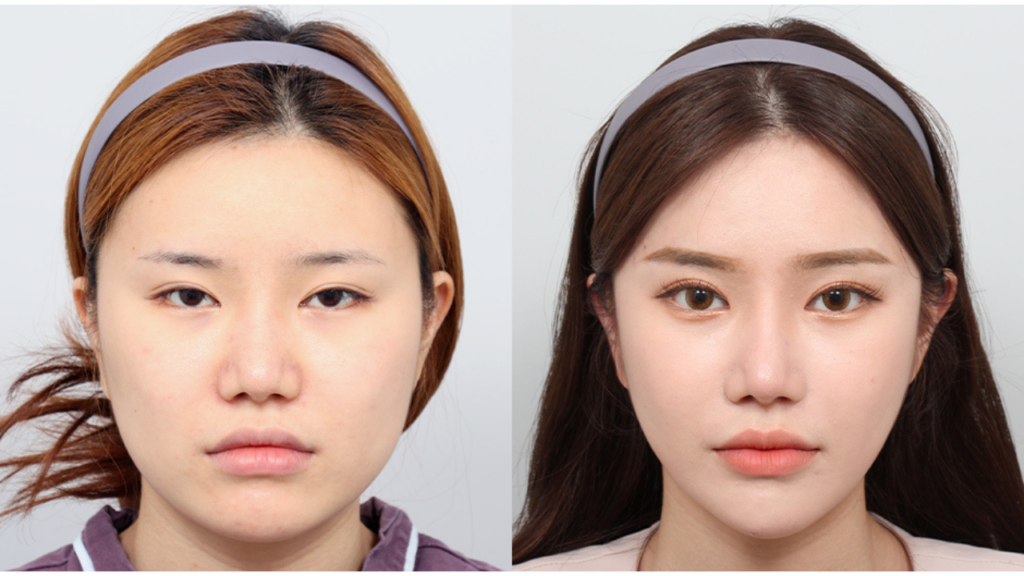
Wide, square, or short chin Patients with a wide, square, or relatively short chin often seek V-Line contouring to create a slimmer and more elongated lower facial profile. Clinical aesthetic surveys indicate that in East and Southeast Asia, over 50% of patients requesting chin contouring aim to reduce lower-face width and achieve a softer V-shaped appearance, particularly among women aged 20–40.
Receding or under-projected chin A receding or under-projected chin can disrupt facial balance and make the nose or midface appear more prominent. Studies in facial harmony analysis suggest that chin retrusion affects up to 10–15% of the general population to varying degrees. These patients often benefit from chin augmentation techniques—either fillers or surgical options—to improve projection and profile balance as part of V-Line contouring.
Asymmetrical jawline or chin Facial asymmetry involving the chin or jawline is another common indication. Mild asymmetry is present in most individuals, but clinically noticeable chin or jaw asymmetry is reported in approximately 25–30% of aesthetic patients seeking lower-face correction. V-Line chin contouring can help restore symmetry and improve overall facial proportions.
Ideal candidates and realistic expectations
Ideal candidates are generally healthy adults with stable facial bone structure, good skin elasticity, and realistic expectations about outcomes. Non-surgical V-Line chin contouring is particularly popular among first-time aesthetic patients; globally, non-surgical chin enhancement procedures have increased by over 40% in the past decade, driven by demand for minimal downtime and reversible results.
Cases where V-Line chin contouring may not be recommended
V-Line chin contouring may not be suitable for individuals with untreated jaw joint disorders, significant facial skeletal abnormalities requiring orthognathic surgery, or unrealistic aesthetic expectations. In addition, patients with certain medical conditions or poor bone quality may not be ideal candidates for surgical contouring and should undergo thorough evaluation before treatment.
III. V-Line Chin Contouring Techniques in Vietnam
Non-surgical V-Line chin contouring
Non-surgical techniques are increasingly popular due to minimal downtime and lower cost. Globally, non-surgical facial contouring accounts for over 70% of chin enhancement procedures, with hyaluronic acid (HA) fillers being the most commonly used material. In Vietnam, non-surgical V-Line chin contouring represents an estimated 60–65% of total chin contouring cases, particularly among patients aged 20–35 seeking subtle refinement without surgery.

Chin fillers (hyaluronic acid)
HA fillers are injected to improve chin projection, lengthen the lower face, and enhance the V-shaped profile. Results typically last 12–18 months, depending on the product and metabolism. In developed markets such as the United States and South Korea, chin filler procedures have increased by over 35% in the past 5 years, reflecting strong demand for temporary yet effective contouring solutions. Vietnam follows a similar trend, with filler-based chin treatments growing at an estimated 10–15% annually, supported by competitive pricing and increasing aesthetic awareness.
Surgical V-Line chin contouring
Surgical options are preferred by patients seeking permanent structural change. Globally, surgical chin procedures (including genioplasty and implants) account for approximately 30% of V-Line chin contouring treatments, but represent a higher proportion of long-term corrective cases.
Sliding genioplasty (chin osteotomy)
Sliding genioplasty reshapes and repositions the chin bone to achieve a slimmer and more projected V-line appearance. This technique offers permanent results and is widely regarded as the gold standard for significant chin deformities. In East Asia, including South Korea and Vietnam, genioplasty is performed in 15–20% of surgical facial contouring cases, particularly for patients with short or recessed chins.
Chin implants
Chin implants are used to enhance projection and improve facial balance without altering bone structure. Internationally, chin implants account for around 40% of surgical chin augmentation procedures, with silicone implants being the most commonly used material. In Vietnam, chin implants are often chosen for moderate enhancement due to shorter surgery time and lower cost compared to sliding genioplasty.
Comparison of techniques: effectiveness, recovery time, and durability
- Non-surgical fillers: Immediate results, minimal downtime (1–3 days), temporary (1–2 years)
- Chin implants: Moderate downtime (1–2 weeks), long-lasting results, reversible if needed
- Sliding genioplasty: Longer recovery (2–4 weeks), permanent results, highest structural correction
Compared to many Western countries, Vietnam offers similar techniques and materials but at 40–70% lower overall treatment costs, making it a competitive destination for both non-surgical and surgical V-Line chin contouring.
IV. Why Choose BeDental Vietnam for V-Line Chin Contouring?
Experienced facial plastic surgeons
BeDental Vietnam works with facial plastic surgeons who have 10–15+ years of clinical experience in facial aesthetics, including chin and jawline contouring. On average, each specialist performs 300–500 facial contouring procedures per year, ensuring a high level of technical proficiency. Clinical follow-ups report patient satisfaction rates of over 95%, consistent with outcomes seen in leading aesthetic centers across Asia.
>>> See more: Cheek Augmentation in Vietnam: Create Softer and More Contoured Features
Modern hospitals and advanced surgical facilities
Procedures are conducted in internationally equipped hospitals and clinics that comply with ISO-certified sterilization and safety standards. Advanced imaging, digital facial analysis, and minimally invasive surgical tools are routinely used to enhance precision and reduce recovery time. Compared with older-generation facilities still used in some emerging markets, these modern setups help lower complication rates to below 2–3%, aligning with global best practices.
Affordable and transparent pricing
One of BeDental Vietnam’s strongest advantages is cost efficiency. V-Line chin contouring procedures in Vietnam are typically priced 40–70% lower than in countries such as South Korea, the United States, or Western Europe. Despite lower costs, the procedures use internationally recognized materials and techniques. Transparent pricing packages—often including consultation, surgery, and post-operative care—help patients avoid unexpected expenses.
Short waiting times
Unlike many developed markets where patients may wait 4–12 weeks for elective aesthetic surgery, BeDental Vietnam offers significantly shorter waiting times. Most V-Line chin contouring procedures can be scheduled within 5–10 days after consultation, making it ideal for international patients with limited travel windows.
Well-developed medical tourism support
Vietnam’s medical tourism sector has grown rapidly, welcoming hundreds of thousands of international medical travelers annually. BeDental Vietnam supports this demand with end-to-end services, including treatment coordination, accommodation assistance, and post-procedure follow-up. Combined with Vietnam’s lower treatment costs and improving healthcare infrastructure, this makes BeDental Vietnam a compelling choice for safe, efficient, and aesthetically refined V-Line chin contouring.

Conclusion
V-Line chin contouring is more than a cosmetic enhancement—it is a personalized approach to achieving facial balance, confidence, and long-term aesthetic satisfaction. Whether through non-surgical fillers or advanced surgical techniques, today’s V-Line procedures offer predictable outcomes, improved safety, and tailored solutions for a wide range of facial concerns. Globally increasing demand underscores the procedure’s effectiveness and its importance in modern facial aesthetics.
Choosing Vietnam for V-Line chin contouring allows patients to benefit from internationally aligned medical expertise, advanced technology, short waiting times, and cost savings of up to 40–70% compared to many other countries. With experienced surgeons, transparent pricing, and strong medical tourism support, BeDental Vietnam stands out as a reliable destination for those seeking refined results and a smooth treatment journey. For patients looking to sculpt a slim, elegant jawline without compromising quality or safety, Vietnam—and BeDental Vietnam in particular—offers a compelling and well-rounded choice.
BeDental: Trusted Dental and Aesthetic Clinic for International Patients
Founded in 2012, BeDental is one of the leading brands in dentistry and cosmetic surgery in Vietnam, trusted by many international patients. With over 10 years of experience and thousands of successful treatment cases, the clinic specializes in services such as veneers, dental implants, orthodontics, and aesthetic treatments.
Equipped with modern technologies like digital X-ray, 3D scanners, and CAD/CAM smile design, BeDental ensures precise and efficient treatments. Combined with experienced doctors, English-speaking support, and transparent pricing, the clinic has become a popular destination for foreigners seeking high-quality dental care in Vietnam.
 TS.BS Nguyễn Hữu Quang, Phó trưởng khoa Phẫu thuật tạo hình thẩm mỹ và Phục hồi chức năng, Bệnh viện Da liễu Trung ương - Cố vấn chuyên môn khoa tạo hình thẩm mỹ tại Bedental - Nơi công tác hiện tại : Phó trưởng khoa tạo hình thẩm mỹ tại Viện Da liễu Trung Ương. Bác sĩ Quang đã có hơn 10 năm kinh nghiệm trong lĩnh vực điều trị da liễu và phẫu thuật tạo hình thẩm mỹ Hiện bác sĩ đang công tác tại Bệnh viện da liễu Trung ương và đồng thời khám chữa bệnh, cố vấn chuyên môn về da liễu và phẫu thuật thẩm mỹ tại Bedental