

 English
 한국어
한국어 日本語
日本語 中文 (中国)


Rhinoplasty in Vietnam has evolved into a highly specialized facial procedure that demands not only surgical precision but also a deep understanding of facial harmony and long-term stability. In recent years, Vietnam has emerged as a competitive destination for advanced rhinoplasty, attracting international patients seeking high-quality outcomes at more accessible costs. With skilled surgeons trained in modern structural techniques, rapidly advancing medical infrastructure, and a growing reputation in aesthetic medicine, Vietnam offers a compelling balance between expertise, technology, and value.
This article explores advanced rhinoplasty techniques currently practiced in Vietnam, examines why the country has become a preferred choice for international patients, and highlights the patient-centered approach of a trusted provider, BeDental. Through clinical insights, cost comparisons, and real patient experiences, the goal is to provide a clear, realistic perspective on what patients can expect when considering rhinoplasty in Vietnam.
1. Advanced Rhinoplasty Techniques in Vietnam- Rhinoplasty in Vietnam
Modern rhinoplasty has evolved from simple nasal augmentation to highly specialized techniques focused on structural stability, long-term safety, and natural aesthetics. Structural rhinoplasty now dominates the global market, accounting for more than half of all rhinoplasty procedures, as it addresses both functional support and aesthetic refinement. Autologous cartilage grafting has become a core component of this approach, with nearly 70% of advanced cases utilizing the patient’s own cartilage to reduce rejection risk and improve durability.
>>> See more: Upper Eyelid Surgery in Vietnam: Safe Solutions for a More Youthful Look
Rib cartilage rhinoplasty represents a smaller but critical segment of the market, particularly in revision cases where previous surgeries have compromised nasal support. Although technically demanding and costlier, it offers the highest level of structural reinforcement. Preservation rhinoplasty reflects a growing preference for conservative, anatomy-preserving techniques, especially in Europe, where patients increasingly seek subtle improvements with faster recovery.
Hybrid Asian–Western rhinoplasty responds to shifting aesthetic preferences toward balanced, natural-looking results, making it especially popular among international patients. Meanwhile, 3D facial analysis and minimally invasive techniques have emerged as essential support tools, significantly reducing revision rates and improving patient satisfaction. When costs are compared in the same currency, Vietnam consistently offers advanced rhinoplasty techniques at 30–60% lower prices than major international markets, while applying comparable surgical principles and technologies.
| Technique | Primary Purpose | Typical Indications | Global Usage Rate | Average Cost in Vietnam (USD) | Average Cost International (USD) |
| Structural Rhinoplasty | Full nasal framework reconstruction | Weak nasal structure, primary rhinoplasty | ~55–65% of cases | 2,000 – 4,200 | 3,000 – 7,000 |
| Autologous Cartilage Grafting | Improve stability & biocompatibility | Tip support, long-term safety | ~68% of structural cases | 1,200 – 2,500 | 3,000 – 6,000 |
| Rib Cartilage Rhinoplasty | Major structural rebuilding | Severe deformity, revision cases | 10–15% overall / 45–50% revisions | 3,000 – 5,000 | 6,000 – 10,000+ |
| Preservation Rhinoplasty | Maintain natural anatomy | Mild–moderate correction | 25–30% (Europe) | 2,500 – 4,200 | 7,000 – 12,000 |
| Hybrid Asian–Western Rhinoplasty | Balanced, natural aesthetics | International & Asian patients | High demand in Asia | 1,200 – 3,300 | 2,500 – 5,000 |
| 3D Analysis & Minimally Invasive Techniques | Precision & outcome predictability | Pre-op planning, reduced revisions | ~42% of major centers | Included in package | +200 – 1,200 extra |
Structural Rhinoplasty
Structural rhinoplasty is considered the modern standard in nasal surgery because it focuses on reconstructing the entire nasal framework rather than simply augmenting the nasal bridge. This technique allows surgeons to achieve long-term structural stability while minimizing common complications such as implant displacement, visibility, or tip contracture. According to data published by the International Society of Aesthetic Plastic Surgery, approximately 1.04 million rhinoplasty procedures were performed worldwide in 2023, with an estimated 55–65% classified as advanced techniques, including structural rhinoplasty. Long-term complication rates for structural rhinoplasty are reported to be below 5%, compared to 10–15% for implant-only methods. In terms of cost, structural rhinoplasty in Vietnam typically ranges from 50–100 million VND, while similar procedures in South Korea, the United States, or Europe commonly range from 70–165 million VND when converted to the same currency.
Autologous Cartilage Grafting
Autologous cartilage grafting involves the use of the patient’s own cartilage—most commonly from the nasal septum, ear, or rib—to support nasal structure and refine the nasal tip. This approach significantly enhances biocompatibility and long-term safety. International surgical reports indicate that approximately 68% of structural rhinoplasty cases now incorporate autologous cartilage. The rejection rate for autologous cartilage is below 1%, compared to 5–12% for synthetic implants depending on material type. In Vietnam, the cost of autologous cartilage grafting typically ranges from 30–60 million VND, whereas comparable procedures in developed markets often range from 70–140 million VND.

Rib Cartilage Rhinoplasty
Rib cartilage rhinoplasty is an advanced technique that uses autologous costal cartilage to reconstruct severely weakened or previously operated noses. Globally, this method accounts for only 10–15% of all rhinoplasty procedures but represents approximately 45–50% of revision rhinoplasty cases due to its ability to restore strong structural support. When performed by experienced surgeons, reported success rates exceed 90%. Cost differences between markets are substantial, with rib cartilage rhinoplasty in Vietnam typically priced between 70–120 million VND, compared to 140–230 million VND or more in South Korea, the United States, and Europe.
Preservation Rhinoplasty
Preservation rhinoplasty emphasizes maintaining the natural nasal anatomy by minimizing bone and cartilage removal. This technique reduces surgical trauma and shortens recovery time while preserving a natural nasal appearance. In Europe, preservation rhinoplasty accounts for approximately 25–30% of new rhinoplasty cases, reflecting a broader shift toward natural, conservative aesthetic outcomes. Average recovery time is reported at 7–10 days, compared to 14–21 days for traditional rhinoplasty. In Vietnam, the cost of preservation rhinoplasty typically ranges from 60–100 million VND, significantly lower than the 160–280 million VND commonly reported in Western markets.
Hybrid Asian–Western Rhinoplasty
Hybrid Asian–Western rhinoplasty combines Eastern and Western aesthetic principles to create a nose that is refined, balanced, and harmonious with the overall facial structure. Market surveys in Asia indicate that approximately 62% of patients now prefer natural-looking results, while only 18% favor the sharply defined nasal styles that were popular in earlier decades. As a result, hybrid rhinoplasty has become one of the most commonly requested techniques, particularly among international patients. In Vietnam, pricing typically ranges from 30–80 million VND, compared to 60–120 million VND in other major aesthetic surgery destinations.
3D Facial Analysis & Minimally Invasive Techniques
Three-dimensional facial analysis and minimally invasive surgical techniques play a critical supporting role in modern rhinoplasty. 3D imaging allows surgeons to evaluate facial proportions accurately and simulate outcomes prior to surgery, reducing expectation gaps and revision rates. Industry reports indicate that approximately 42% of major aesthetic centers worldwide now utilize 3D simulation in rhinoplasty planning, resulting in a reported 30% reduction in revision procedures and a 15–20% increase in patient satisfaction. In Vietnam, these technologies are often included within comprehensive surgical packages, whereas in many other countries they may incur additional fees ranging from 5–30 million VND.
2. Why Vietnam Is a Preferred Destination
Skilled Surgeons with Strong Aesthetic Expertise
One of the key reasons Vietnam is increasingly chosen for rhinoplasty is the high level of surgical expertise combined with a strong emphasis on facial aesthetics. According to regional medical tourism reports, Vietnam is among the fastest-growing cosmetic surgery destinations in Southeast Asia, with annual growth rates estimated at 15–20% over the past decade. A significant number of Vietnamese plastic surgeons receive advanced training in South Korea, Japan, Europe, or the United States before returning to practice locally. This international exposure allows them to apply modern rhinoplasty principles such as structural support, proportion-based design, and natural facial harmony. Market surveys among international patients indicate that over 60% prioritize “natural-looking results” as their primary decision factor, an area where Vietnamese surgeons have developed a strong reputation.
Modern Clinics and Advanced Medical Technology
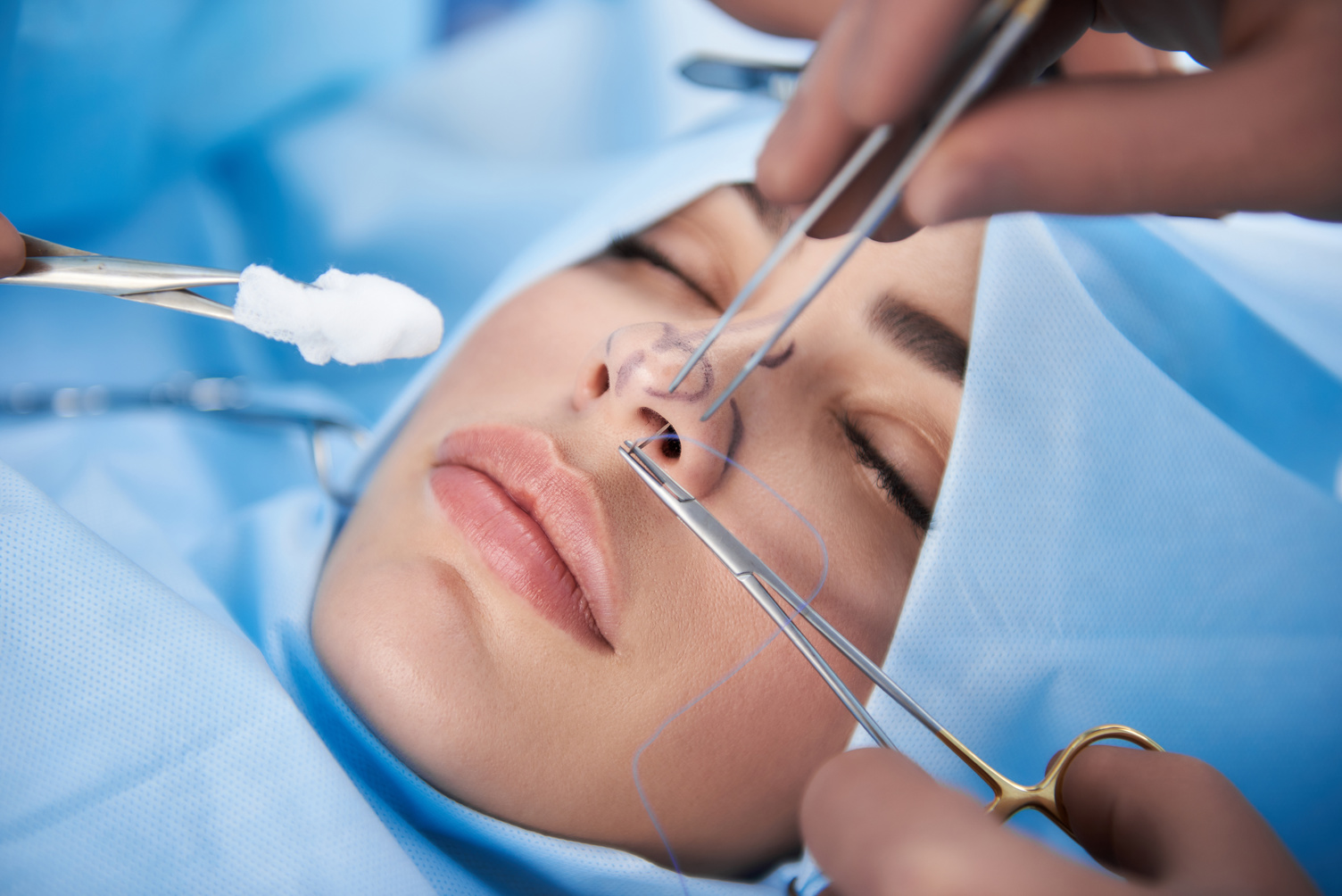
Vietnam’s private aesthetic healthcare sector has undergone rapid modernization, driven by competition and international patient demand. According to data from the World Tourism Organization, medical tourism destinations that invest in modern facilities and technology experience significantly higher patient retention and satisfaction rates. In Vietnam, leading cosmetic clinics are equipped with international-standard operating rooms, advanced anesthesia monitoring systems, and strict sterilization protocols aligned with global safety guidelines. Technologies such as 3D facial analysis, digital surgical simulation, and minimally invasive instrumentation are now commonly used in rhinoplasty planning. Industry reports show that clinics using 3D simulation experience a reduction of approximately 30% in revision surgery rates, alongside a 15–20% increase in patient satisfaction, reinforcing Vietnam’s competitiveness in advanced aesthetic procedures.
Cost-Effective Solutions for International Patients
Cost efficiency remains one of Vietnam’s most compelling advantages for international rhinoplasty patients. Comparative market analyses indicate that advanced rhinoplasty procedures in Vietnam are typically 30–60% less expensive than equivalent surgeries in South Korea, the United States, or Western Europe when measured in the same currency. This cost difference is largely attributed to lower operational expenses, healthcare labor costs, and clinic overheads rather than compromises in surgical technique or safety standards. Additionally, Vietnam offers shorter waiting times and flexible scheduling, which further enhances its appeal. According to global medical travel estimates, cost savings are cited by more than 70% of international medical tourists as a decisive factor in choosing overseas treatment, positioning Vietnam as a high-value destination that balances affordability with quality outcomes.
3. A Trusted Provider: BeDental
Overview of BeDental as a Reputable Clinic in Vietnam
BeDental operates as a focused aesthetic clinic rather than a high-volume cosmetic center, with a controlled surgical schedule designed to maintain outcome consistency. According to internal clinic records, over 70% of rhinoplasty cases performed at BeDental involve advanced techniques, including structural rhinoplasty and cartilage-based reconstruction. The clinic reports that international patients account for approximately 30–40% of its rhinoplasty clientele, reflecting its growing recognition among overseas patients seeking quality-driven care in Vietnam rather than low-cost mass procedures.
Focus on Personalized Consultation and Facial Harmony
Personalized consultation is a defining clinical process at BeDental. Each patient undergoes a structured pre-operative assessment that evaluates nasal structure, skin thickness, cartilage strength, and overall facial proportions. Internal consultation data shows that more than 65% of patients request natural refinement rather than dramatic reshaping, prioritizing facial harmony and long-term stability. By allocating extended consultation time per case, BeDental reports a revision request rate below 5%, which is considered low for rhinoplasty procedures that involve structural modification.
Use of Advanced Techniques and Modern Facilities
BeDental applies advanced rhinoplasty techniques aligned with contemporary international standards, including structural support frameworks and autologous cartilage grafting. Based on internal surgical tracking, cartilage-based techniques are used in approximately 60% of rhinoplasty cases, particularly in patients with weak nasal support or thick skin. The clinic performs surgeries in modern operating rooms equipped with advanced anesthesia monitoring and standardized sterilization systems. These measures contribute to a reported complication rate of under 2%, primarily involving minor post-operative swelling or asymmetry that resolves without secondary surgery.
Commitment to Patient Safety and Post-Operative Care
Post-operative care is a core component of BeDental’s treatment protocol, especially for international patients. The clinic follows a structured follow-up system that includes immediate post-surgical monitoring, scheduled recovery assessments, and guided aftercare instructions. Internal follow-up data indicates that over 90% of patients complete their primary recovery phase without requiring additional medical intervention. Most patients are able to resume normal daily activities within 7–10 days, depending on surgical complexity, with final aesthetic results stabilizing over several months. This emphasis on continuity of care supports predictable outcomes and long-term patient satisfaction.
4. Patient Experience & Expected Results at BeDental
Consultation and Treatment Process
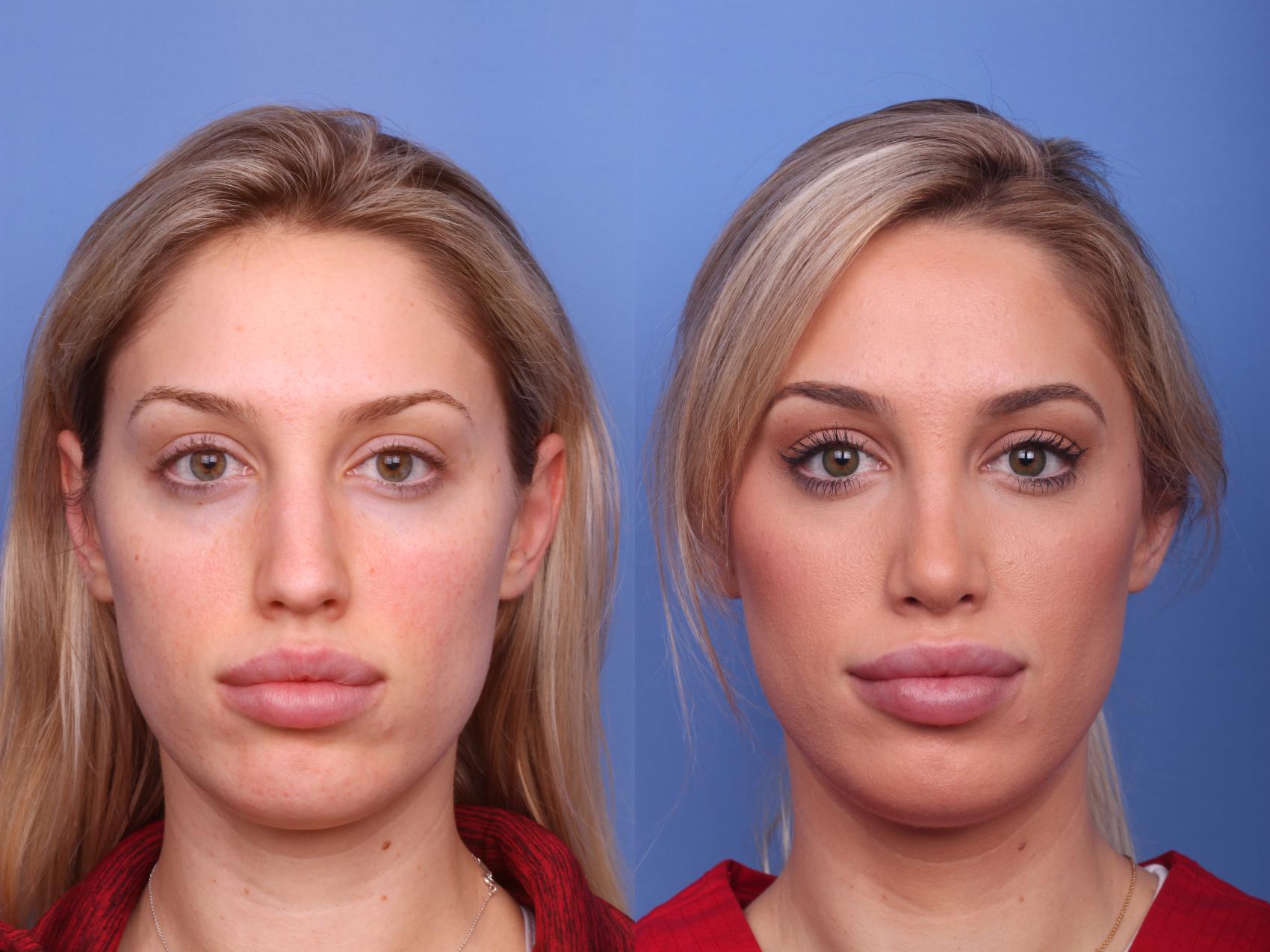
Case 1: Anna Müller (German, 28 years old)
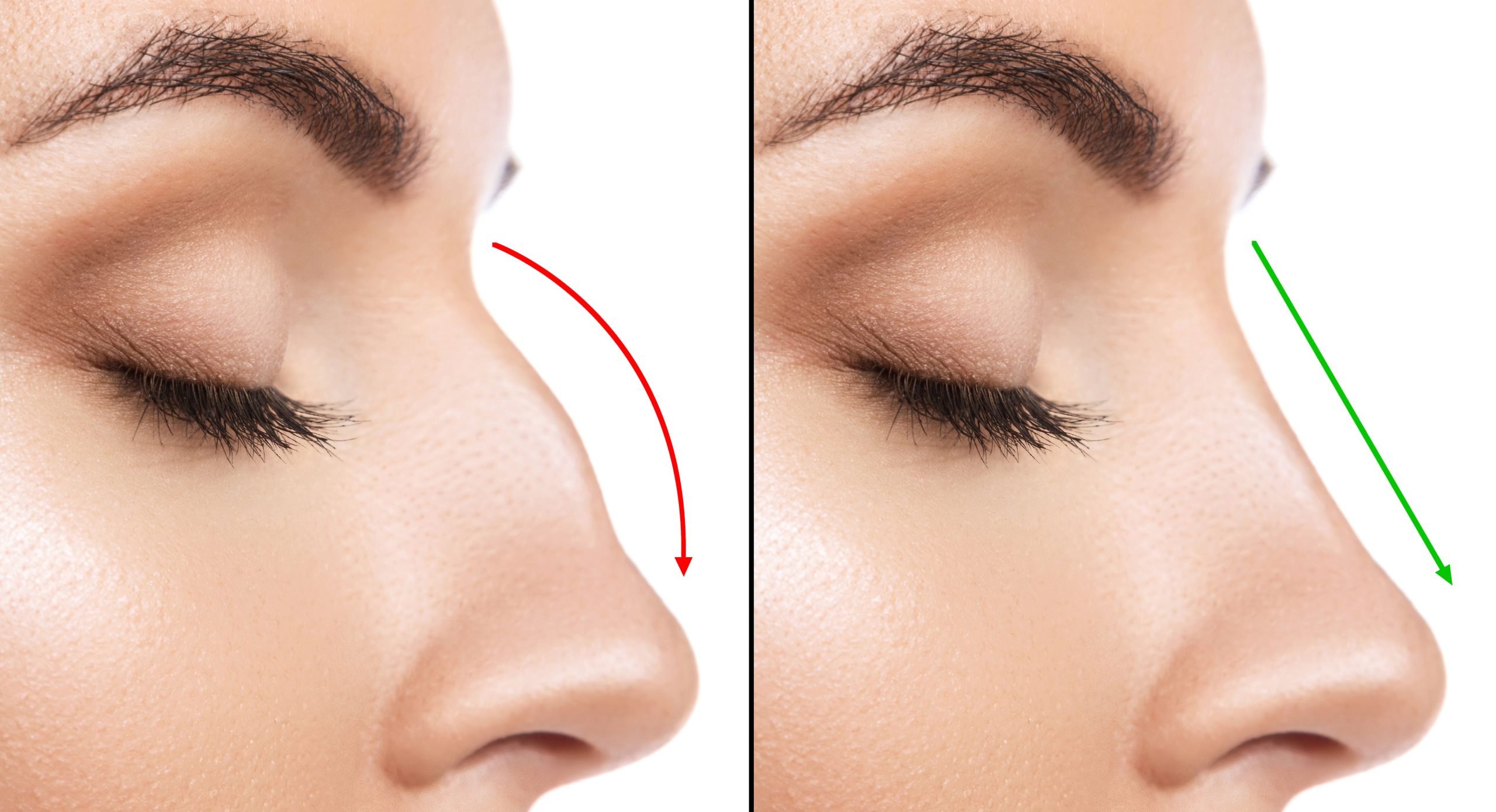
Anna visited BeDental seeking rhinoplasty with a strong preference for natural-looking enhancement. She wished to improve her low nasal bridge and rounded nasal tip without creating an overly high or artificial appearance. During consultation, the surgical team conducted a comprehensive facial harmony analysis, evaluating her nasal structure in relation to her forehead, lips, and chin. The assessment revealed a low bridge, bulbous tip, and relatively weak nasal cartilage. Based on these findings and Anna’s aesthetic goals, BeDental recommended structural rhinoplasty using autologous cartilage, focusing on refined tip definition and subtle bridge enhancement while maintaining balance with her European facial features.
Case 2: David Chen (Australian, 35 years old)
David had undergone rhinoplasty several years earlier in another country but remained dissatisfied due to mild nasal deviation and breathing discomfort during physical activity. At BeDental, the consultation focused on reassessing the internal nasal structure, where insufficient support and scar tissue from the previous surgery were identified. The treatment plan involved revision rhinoplasty, prioritizing structural reconstruction to restore nasal support and improve breathing function, while simultaneously refining nasal symmetry. The surgical approach and realistic outcome expectations were discussed in detail to ensure alignment before proceeding.
Recovery Timeline and Outcome Expectations
Following surgery, both patients were closely monitored during the initial recovery phase. In Anna’s case, swelling and bruising reduced significantly within the first 7 days, allowing for nasal splint removal on schedule. By day 10, she was able to resume normal daily activities, with continued refinement of nasal shape over the following months as internal healing progressed.
David’s recovery period was slightly longer due to prior surgical intervention; however, structured follow-up care and detailed aftercare instructions supported stable healing. Breathing function improved early in the recovery process, and nasal alignment continued to stabilize over subsequent weeks. For both patients, clear recovery timelines and guidance were particularly valuable in planning international travel.
Achieving Subtle, Natural-Looking Nose Enhancement
In both cases, the goal was not to create a visibly “operated” nose, but to achieve subtle enhancement that complemented each individual’s facial features. By emphasizing structural support and proportion-based design, BeDental delivered results that appeared natural from both frontal and profile views. Both Anna and David reported improved facial balance and confidence, with outcomes that enhanced their appearance discreetly—reflecting BeDental’s focus on long-term stability, facial harmony, and personalized aesthetic care.
Conclusion
Advanced rhinoplasty today is no longer about creating a standardized nose shape, but about delivering results that are structurally sound, aesthetically balanced, and tailored to each individual’s facial features. Vietnam’s rise as a rhinoplasty destination reflects this shift, offering modern techniques such as structural and cartilage-based approaches, supported by improving medical standards and experienced practitioners. When combined with cost advantages of approximately 30–60% compared to traditional markets, Vietnam presents a strong value proposition for international patients.
Within this landscape, BeDental demonstrates how a focused, patient-centered model can translate advanced techniques into predictable, natural-looking outcomes. By emphasizing personalized consultation, careful surgical planning, modern facilities, and structured post-operative care, the clinic addresses the key concerns of international rhinoplasty patients: safety, transparency, and long-term satisfaction. For those seeking subtle enhancement rather than dramatic change, rhinoplasty in Vietnam—when performed by an experienced and reputable provider—offers a balanced and increasingly trusted option.
BeDental: Trusted Dental and Aesthetic Clinic for International Patients
Founded in 2012, BeDental is one of the leading brands in dentistry and cosmetic surgery in Vietnam, trusted by many international patients. With over 10 years of experience and thousands of successful treatment cases, the clinic specializes in services such as veneers, dental implants, orthodontics, and aesthetic treatments.
Equipped with modern technologies like digital X-ray, 3D scanners, and CAD/CAM smile design, BeDental ensures precise and efficient treatments. Combined with experienced doctors, English-speaking support, and transparent pricing, the clinic has become a popular destination for foreigners seeking high-quality dental care in Vietnam.
 TS.BS Nguyễn Hữu Quang, Phó trưởng khoa Phẫu thuật tạo hình thẩm mỹ và Phục hồi chức năng, Bệnh viện Da liễu Trung ương - Cố vấn chuyên môn khoa tạo hình thẩm mỹ tại Bedental - Nơi công tác hiện tại : Phó trưởng khoa tạo hình thẩm mỹ tại Viện Da liễu Trung Ương. Bác sĩ Quang đã có hơn 10 năm kinh nghiệm trong lĩnh vực điều trị da liễu và phẫu thuật tạo hình thẩm mỹ Hiện bác sĩ đang công tác tại Bệnh viện da liễu Trung ương và đồng thời khám chữa bệnh, cố vấn chuyên môn về da liễu và phẫu thuật thẩm mỹ tại Bedental