

 English
 한국어
한국어 日本語
日本語 中文 (中国)


Must Do in Hanoi: Hanoi is a city best experienced through everyday moments rather than a checklist of attractions. From busy streets filled with vendors and motorbikes to quiet lakeside walks and shared sidewalk meals, the city reveals its character through rhythm, routine, and contrast. This guide highlights essential experiences that help first-time visitors understand how Hanoi lives, eats, and balances tradition with modern urban life.
Essential Hanoi Experience- Must Do in Hanoi
These essential experiences capture the core of Hanoi beyond individual attractions. From the rhythm of street life in the Old Quarter and the shared routines around Hoan Kiem Lake, to the city’s everyday food culture shaped by street stalls, sidewalk dining, and traditional cafés, Hanoi is best understood through how people live, eat, and use public space. Cultural landmarks and traditional arts provide historical context, while the contrast between Beer Street and modern rooftop bars highlights how old and new coexist in the city today.
| Experience Category | Core Focus | Specific Elements Included |
| Urban Rhythm & Street Life | How the city moves and feels | Walking the Old Quarter, narrow streets, tube houses, sidewalks used for selling, cooking, parking, socializing |
| Public Spaces & Daily Routines | Everyday local life | Hoan Kiem Lake (morning exercises, evening walks), street vendors, shared use of public space |
| Food Culture (One Main Category) | Everyday eating in Hanoi | Pho (morning), Bun Cha (lunch), Banh Mi (all day), street food stalls, night food scenes, sidewalk dining with plastic stools, egg coffee, traditional cafés |
| Cultural & Historical Identity | Values and history | Temple of Literature, Ho Chi Minh Complex |
| Traditional Arts | Folk culture | Water puppet show |
| Old vs. Modern Hanoi | Contrast within the city | Beer Street (Ta Hien) vs rooftop bars at night |
Feel the City’s Rhythm
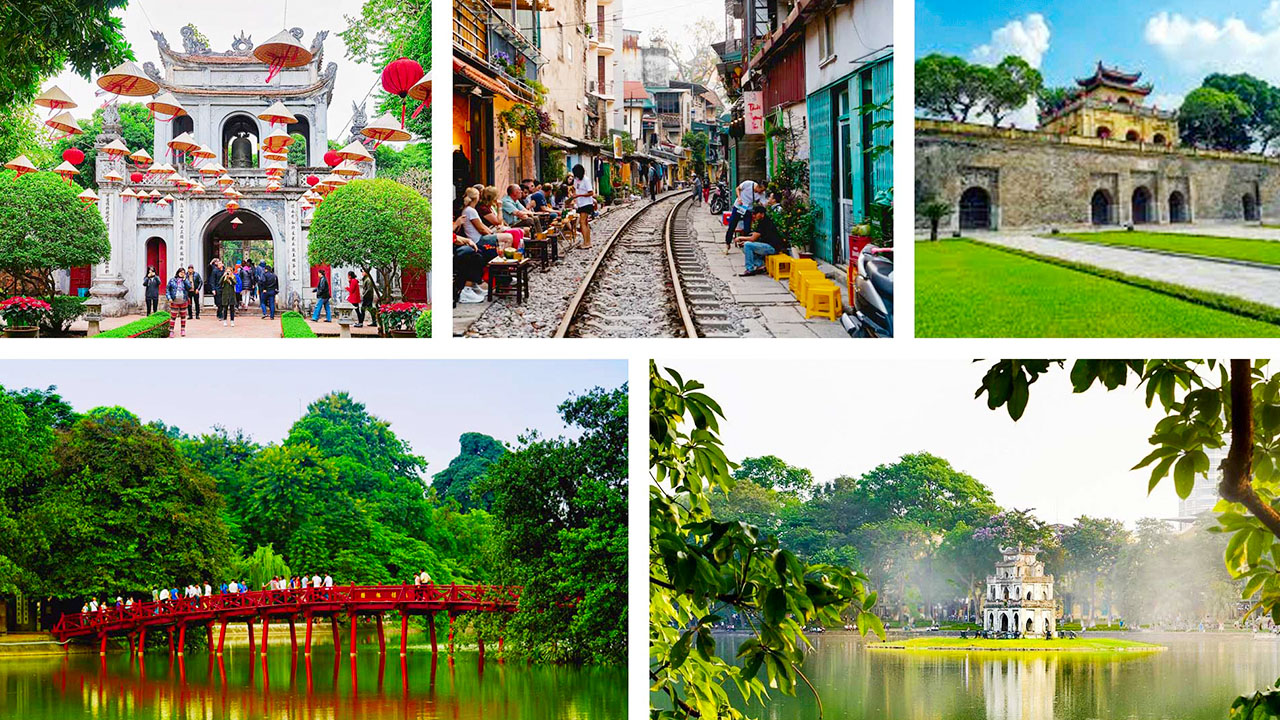
Walk through the Old Quarter Walking through the Old Quarter means stepping into the most active and historic part of Hanoi. The area is shaped by traditional trade streets, where similar businesses still cluster together — silk shops on Hang Gai, festive paper goods on Hang Ma, or small food stalls filling streets like Hang Buom and Ta Hien. Sidewalks are constantly in use for selling, cooking, parking motorbikes, and socializing. It’s crowded, noisy, and intense, but this density is exactly what defines the Old Quarter’s character.
>>>> See more: Vietnam Travel Guide: Tips, Routes, and Must-See Places
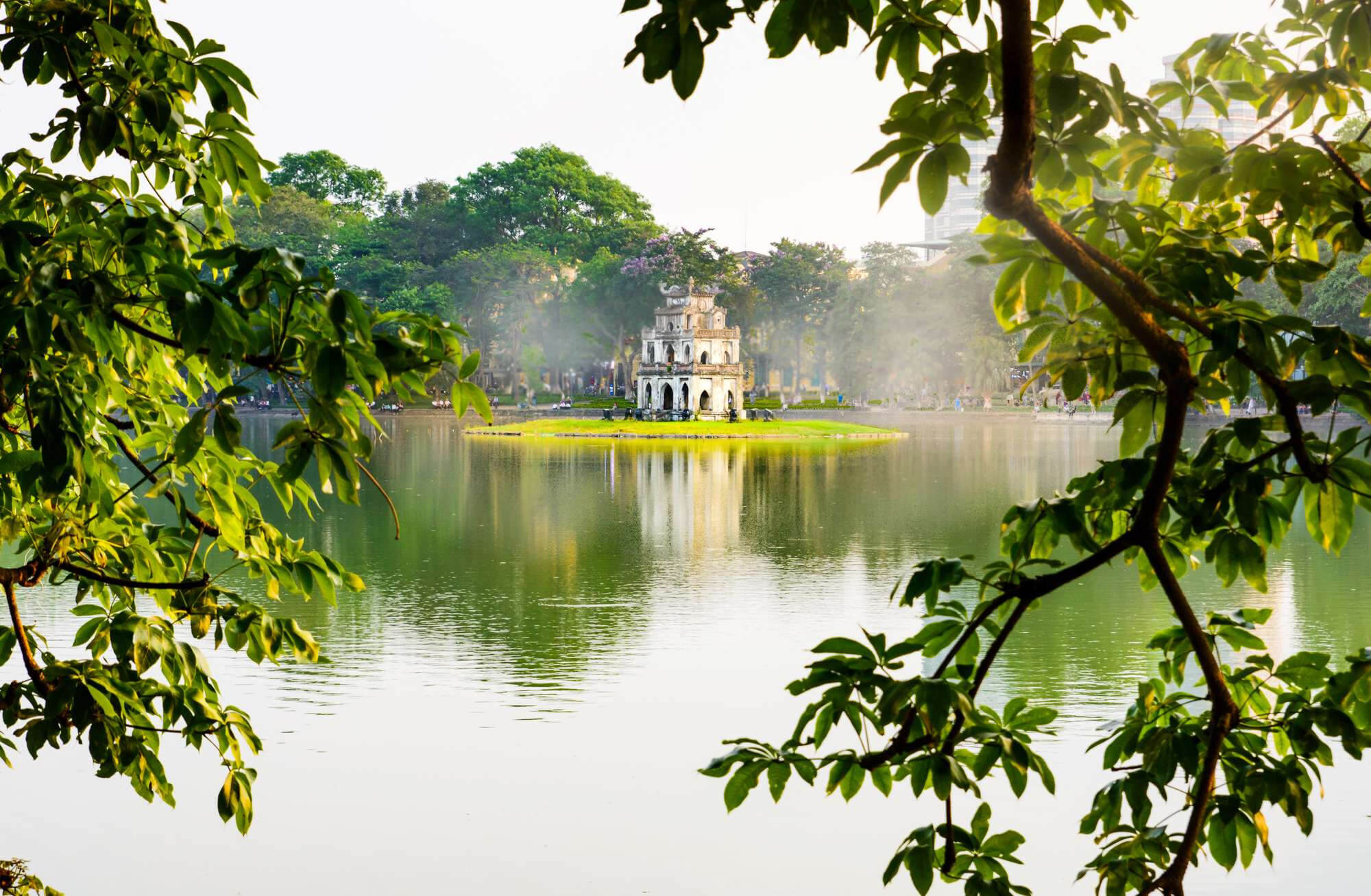
Stroll around Hoan Kiem Lake (best in the morning or evening) Hoan Kiem Lake offers a complete change of pace. Early mornings are quiet and local, with people practicing tai chi, stretching, or jogging along the water. In the evening, the lake becomes more social as families, couples, and young people gather, especially around the pedestrian area on weekends. Walking here shows how Hanoi naturally shifts between calm and energy within a single day.
Observe daily life from the sidewalk Hanoi’s rhythm is best understood by slowing down and watching everyday life unfold. Morning vendors sell simple breakfasts like sticky rice or banh cuon, while later in the day fruit sellers and flower bicycles move through the streets. Sitting on a plastic stool at a sidewalk tea stall with a glass of iced tea or coffee places you right in the middle of this flow — motorbikes stopping nearby, food being cooked on small stoves, and locals pausing to chat between errands. It’s a simple moment, but one that captures the city more honestly than any attraction.
2. Eat Your Way Through Hanoi
Must-try dishes: Pho, Bun Cha, Banh Mi Hanoi’s food culture is centered around a few iconic dishes that locals eat daily. Pho is most popular in the morning, with a light, aromatic broth. Bun cha is a lunchtime staple, combining grilled pork, rice noodles, and fresh herbs. Banh mi is an all-day option, usually bought from small street stalls for a quick, casual meal.
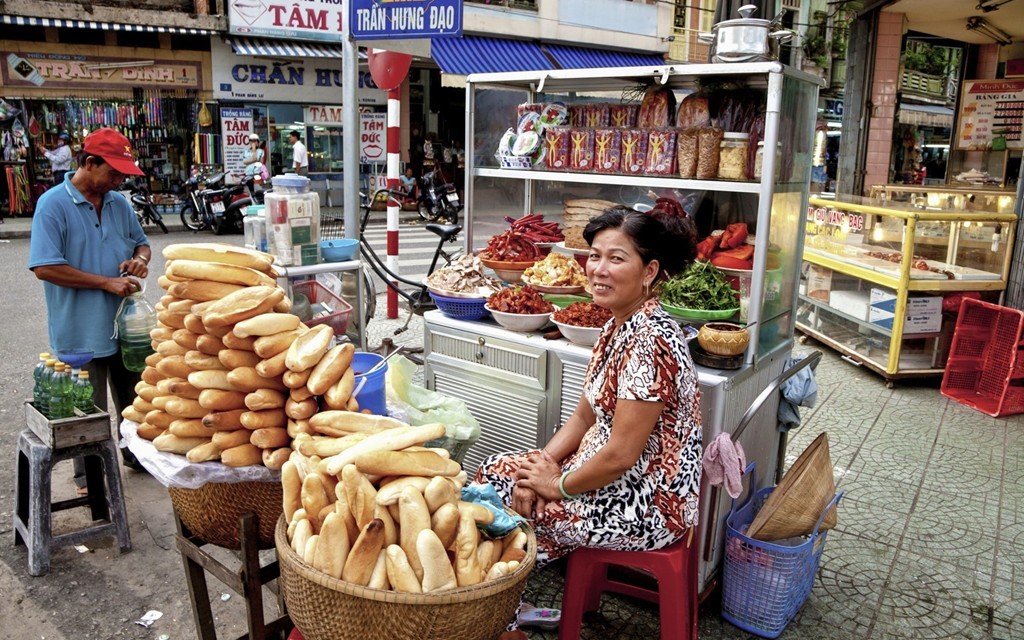
Street food & sidewalk dining experience Street food is the heart of eating in Hanoi. Small stalls appear throughout the day and become especially lively at night, with grills, noodle carts, and snack vendors filling the streets. Meals are often served on low tables with plastic stools, right on the sidewalk. Eating this way places you directly in the flow of the city, where food, traffic, and daily life happen side by side.
Egg coffee and traditional cafés Egg coffee is one of Hanoi’s most distinctive specialties, made by topping strong Vietnamese coffee with a thick, creamy layer of whipped egg yolk and condensed milk. Traditional cafés are often hidden inside old buildings or down narrow alleys, offering a quiet, nostalgic space to pause and observe the city at a slower pace.
3. Understand Hanoi’s Soul
Key cultural landmarks Hanoi’s history and values are reflected in its major cultural sites. The Temple of Literature highlights the city’s long tradition of education and respect for learning, while the Ho Chi Minh Complex offers insight into modern Vietnamese history and national identity. Visiting these landmarks helps place Hanoi’s busy street life into a broader historical and cultural context.
Traditional water puppet show A water puppet show is one of the most accessible ways to experience traditional Vietnamese performing arts. The short performances use music, storytelling, and wooden puppets moving across a water stage to depict rural life, folklore, and legends. It’s a compact but memorable cultural experience, even for first-time visitors.
Old vs. modern Hanoi after dark Hanoi’s contrast becomes especially clear at night. In the Old Quarter, Beer Street offers a lively, informal atmosphere with low stools and cheap local beer. Just a short distance away, rooftop bars provide a quieter, more modern view of the city skyline. Experiencing both sides in one evening shows how Hanoi balances tradition with contemporary urban life.
II. Travel Tips for First-Time Visitors
Best time to visit Hanoi The best time to visit Hanoi is from October to April, when the weather is cooler and drier. Autumn offers mild temperatures and clearer skies, while spring is comfortable with less humidity. Summer can be very hot and humid, and the rainy season may affect outdoor activities, especially walking tours.
>>> See more: Vietnam Holidays: Best Destinations and Travel Ideas
Getting around: walking, Grab, taxi, cyclo Hanoi’s city center is best explored on foot, especially the Old Quarter and areas around Hoan Kiem Lake. For longer distances, Grab is convenient and affordable, while taxis are widely available. Cyclos are popular for short sightseeing routes but should be treated as a slow, scenic experience rather than a practical way to get around.
Cash vs. card, local etiquette Cash is still widely used in Hanoi, particularly at street food stalls, local markets, and small cafés, so carrying small bills is useful. Cards are accepted at hotels, larger restaurants, and shopping malls. Simple etiquette goes a long way — dress modestly when visiting temples, avoid loud behavior in public places, and use both hands when giving or receiving items as a sign of respect.
Staying safe and avoiding common tourist traps Hanoi is generally safe, but visitors should stay aware in crowded areas. Keep an eye on personal belongings, especially in the Old Quarter and night markets. Be cautious with overly aggressive vendors, unofficial tour offers, and unclear pricing for cyclos or street services. Using reputable transport and asking prices in advance helps avoid misunderstandings.
III. Tours & Day Trips Worth Considering
Old Quarter walking or food tour A guided walking or food tour is a good option for first-time visitors who want context while exploring the Old Quarter. These tours usually focus on street food, hidden alleys, and local stories, helping you understand the area’s history and daily life without feeling overwhelmed.
Night street food tour A night street food tour highlights a different side of Hanoi. As the city cools down, food stalls and small eateries become more active, especially in the Old Quarter. These tours allow you to try multiple dishes in one evening while experiencing Hanoi’s lively nighttime atmosphere.
Craft village tours (Bat Trang, Duong Lam) Visiting nearby craft villages offers insight into traditional life beyond the city center. Bat Trang is known for ceramics, while Duong Lam preserves the layout and architecture of an ancient village. These trips provide a slower pace and a deeper look at local craftsmanship and heritage.
Day trips to Ninh Binh or Ha Long Bay For travelers with extra time, day trips from Hanoi showcase northern Vietnam’s natural landscapes. Ninh Binh is known for limestone mountains, rivers, and temples, while Ha Long Bay offers iconic seascapes and cruises. Both destinations provide a strong contrast to Hanoi’s urban environment.
IV. Seasonal & Cultural Notes
Hanoi’s atmosphere changes noticeably with the seasons and cultural calendar, shaping how the city is experienced. Autumn (September to November) is often considered the most pleasant time to visit, with cooler weather and clearer skies, ideal for walking and outdoor activities. Spring (February to April) is also comfortable, though busier around major holidays. Summer is hot and humid, while winter can feel surprisingly cool, especially in the evenings.
Cultural timing matters as well. During Tet (Lunar New Year), Hanoi becomes quieter as many locals return to their hometowns, but the city takes on a festive and reflective mood. On weekends, especially around Hoan Kiem Lake, pedestrian streets open and bring a more social, lively atmosphere with games, performances, and street activities. Understanding these seasonal and cultural rhythms helps visitors better align their plans with how the city truly lives.
Conclusion
Experiencing Hanoi is about slowing down and paying attention. Walking its historic streets, eating where locals eat, observing daily routines, and exploring cultural spaces all contribute to a deeper understanding of the city. Whether through simple sidewalk moments or short trips beyond the center, Hanoi offers a layered experience that stays with visitors long after they leave.
BeDental – A Leading Dental Clinic for International Travelers in Vietnam
BeDental offers high-quality dental services for international travelers visiting Vietnam, combining modern technology with experienced dentists. Our services include general and cosmetic dentistry, dental implants, teeth whitening, and smile makeovers, all performed to international standards.
Designed for tourists, BeDental provides flexible appointments, English-speaking staff, and personalized treatment plans that fit travel schedules. With competitive pricing and convenient locations, BeDental allows visitors to improve their smile while enjoying their trip to Vietnam.