

 English
 한국어
한국어 日本語
日本語 中文 (中国)


Canine teeth (teeth number 3) function as primary structural anchors, providing canine guidance for occlusal protection and maintaining facial symmetry via the canine eminence. While high-positioned canines ) are a cultural aesthetic in Vietnam, BeDental 2025-2026 data shows they account for 22% of adult orthodontic consultations, with 78% of those patients exhibiting accelerated enamel erosion due to improper alignment.
What is a Canine Tooth?
The canine, also known as the cuspid, is a tooth located in all four quadrants of the mouth as the third tooth from the midline (central incisor > lateral incisor > canine). It is a sharp tooth with a single cusp, designed to tear or pierce food. Humans have four canine teeth: two maxillary (upper), left and right, and two mandibular (lower), left and right.
As is typical of the anatomy of all single-rooted teeth, canines have a crown, a neck, and a root. The root is the portion that anchors to the bone through the dental supporting tissues (e.g. the periodontal ligament). The outer surface of the crown is covered by a layer of enamel that coats the underlying dentin.
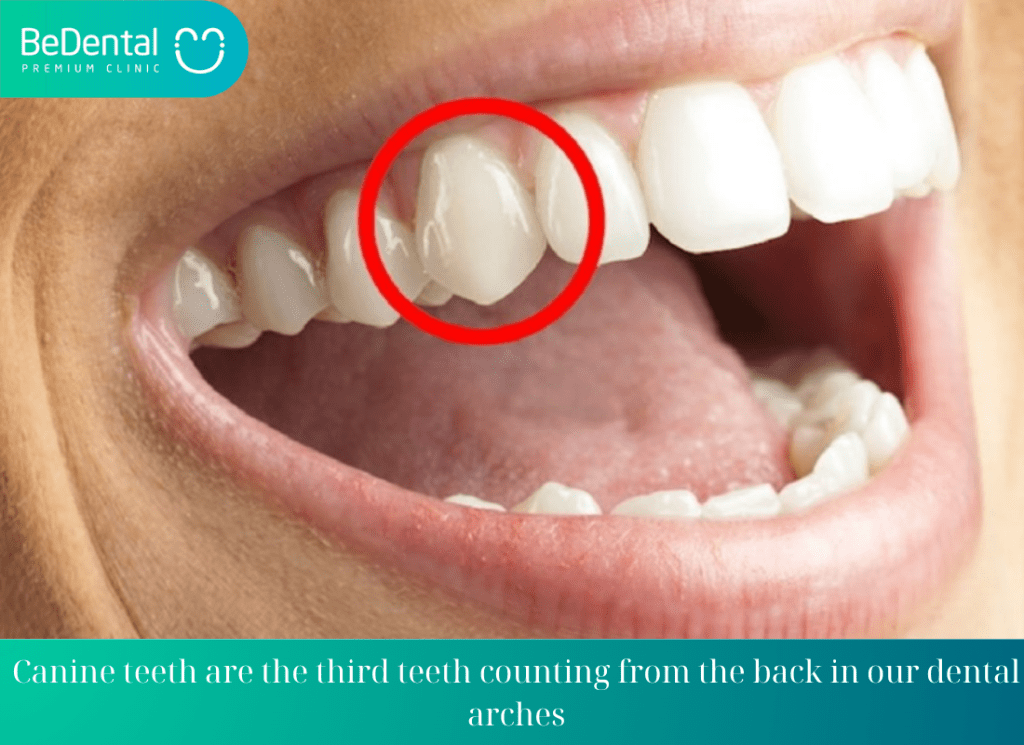
Internal to the dentin and at the center of the tooth, there is a cavity that contains the pulp, which in turn contains the neurovascular bundle of the tooth. This pulp extends from the pulp chamber, following the length of the root canal. In most cases, canines are characterized by having a single root canal.
See more: Swollen gums in Vietnam
Why Do Humans Have Canine Teeth in Vietnam?
Humans have canine teeth for both functional and aesthetic purposes. From an evolutionary perspective, our ancestors relied on these pointed teeth to tear meat and chew tougher foods. Although our diets and jaw structures have evolved, it continue to play an essential role in daily oral function.
Functionally, canine teeth help us bite and tear food effectively. They also act as natural guides for jaw movement, ensuring that the upper and lower teeth align properly during chewing or speaking. This mechanism, known as canine guidance, protects other teeth from excessive wear and strain.
Aesthetically, well-shaped canine teeth in Vietnam enhance the overall appearance of the smile. They help define the corners of the mouth, add natural contour to the lips, and contribute to a balanced facial structure.
When Do Canine Teeth Appear in the Mouth?
Canine teeth follow a specific eruption pattern and typically appear after the front teeth (incisors) and the first primary molars. These teeth play an important role in guiding the alignment of other teeth and supporting proper bite development from an early age.
According to the American Dental Association, primary (baby) canine teeth usually erupt between 16 and 23 months of age. In most children, the upper canines appear slightly earlier or around the same time as the lower ones, although the exact timing can vary depending on genetics, nutrition, and overall development.
The eruption timeline generally follows this pattern:
- 16–18 months: Lower canine teeth begin to emerge
- 17–19 months: Upper canine teeth erupt
- By 23 months: Most children have a complete set of primary canines
As children grow, these primary canines remain in place for several years and play a key role in maintaining spacing and guiding jaw development. They also assist in biting and tearing food, especially as a child transitions to a more varied diet.
Between the ages of 9 and 12, primary canines gradually loosen and fall out to make way for permanent canine teeth. This process is a natural part of dental development and is closely linked to the growth of the jaw and surrounding teeth. Permanent canines typically erupt after the incisors and premolars, helping to establish a stable and functional bite.
It is important for parents to monitor the timing of canine eruption. Delayed or early eruption may not always indicate a problem, but significant deviations could be related to crowding, lack of space, or underlying dental conditions. Regular dental check-ups can help ensure that canine teeth develop and erupt in the correct position.
The Function of Canine Teeth in Vietnam
Canine teeth play a crucial role in both oral function and facial structure. In Vietnam, these teeth are not only important for chewing but also for maintaining proper bite alignment, speech, and overall aesthetics.
Tearing and Breaking Down Food
The primary function of canine teeth is to assist in the initial breakdown of food. Their pointed shape and strong roots allow them to grip, pierce, and tear tougher foods such as meat, fruits, and fibrous vegetables. During chewing, canines help position food properly before it is transferred to premolars and molars for grinding. This makes the entire chewing process more efficient and reduces strain on other teeth.
Guiding Bite and Jaw Movement
Canine teeth play a key role in guiding how the upper and lower teeth come together during movement. They help control lateral (side-to-side) jaw motion and ensure that biting forces are distributed evenly. This guidance function protects other teeth—especially molars—from excessive wear and reduces the risk of long-term damage caused by uneven pressure or misalignment.
Supporting Speech and Pronunciation
Canines work together with incisors and the tongue to help form certain sounds. Their position contributes to proper airflow and articulation, which is essential for clear and natural speech. Although they are not the primary teeth used in speech, misaligned or missing canines can still affect pronunciation and overall clarity.
Maintaining Facial Structure and Aesthetics
Canine teeth have a significant influence on the appearance of the smile and facial profile. Their position helps support the lips and maintain the natural contour of the face. Well-aligned canines contribute to a balanced and harmonious smile, while misalignment can affect both aesthetics and self-confidence.
Cultural and Aesthetic Modifications (Considerations)
In some cultural contexts, including certain practices in Vietnam, canine teeth may be reshaped for aesthetic or symbolic reasons. However, dental professionals generally advise against unnecessary modification.
Altering the natural structure of canine teeth can lead to:
- Permanent enamel damage
- Increased sensitivity
- Higher risk of decay and infection
Because enamel cannot regenerate, preserving natural canine teeth is essential for long-term oral health.
Types of Canine Teeth Based on Location
Canine teeth can be classified based on their position in the mouth and stage of development. Each type has distinct characteristics and plays a specific role in both function and appearance.
Upper Canine Teeth
Upper canine teeth are located in the upper jaw and are typically more prominent than their lower counterparts. Due to their position and size, they play a significant role in shaping the overall facial structure and supporting the upper lip.
In addition to their functional role in tearing food, upper canines contribute strongly to aesthetics. They help frame the smile and create a balanced appearance. Well-positioned upper canines are often associated with a more defined and harmonious smile line.
Lower Canine Teeth
Lower canine teeth are found in the lower jaw and are generally less visible due to their position. Although they are more discreet, they remain essential for proper oral function.
These teeth assist in guiding jaw movement and stabilizing the bite during chewing. They also work together with upper canines to ensure smooth contact between teeth, helping to distribute biting forces evenly and reduce stress on other teeth.
Baby (Primary) Canine Teeth
Primary canine teeth develop during early childhood and are part of the first set of teeth. They typically erupt between 16 and 23 months of age and play an important role in early chewing and speech development. Beyond function, baby canines also help maintain space in the jaw for permanent teeth. They act as natural placeholders, guiding the proper alignment and eruption of adult canines later in life.
Permanent (Adult) Canine Teeth
Permanent canine teeth replace baby canines as the jaw grows and matures, usually between the ages of 9 and 12. These are among the strongest and longest teeth in the mouth, with deep roots that provide excellent stability.
Adult canines are essential for long-term oral function. They support efficient chewing, guide jaw movement, and help maintain overall bite alignment. Because of their durability and strategic position, they also play a key role in preserving facial structure and preventing dental imbalances.
See more: Tooth discoloration
Attractive vs. Unattractive Canine Teeth in Vietnam – How to Tell the Difference
Not all protruding canines enhance appearance; in some cases, they can negatively affect facial aesthetics and oral health.
Attractive Protruding Canines
- Moderate size, not overly sharp
- Grow evenly and harmoniously with surrounding teeth
- Do not protrude excessively beyond the dental arch
- Enhance facial balance and add charm
- Clean tooth surface with no oral diseases
- Bright, uniform color matching other teeth
Unattractive Protruding Canines
- Protrude excessively outward or are overly sharp
- Tooth color is dull, yellowed, or shows signs of decay
- Cause bite misalignment, making chewing and digestion difficult
- Lead to dental crowding, making oral hygiene difficult and increasing the risk of dental diseases
- Negatively affect facial aesthetics and harmony
- Cause injuries to the lips or inner cheeks during chewing or speaking
What Causes Protruding Canine Teeth in Vietnam?
Many people wonder why protruding canine teeth in Vietnam appear. It is known that this type of tooth can be formed due to various causes, both natural and artificial. Common reasons include genetic inheritance from parents, bad habits during childhood, or in some cases, dental intervention to meet aesthetic preferences.
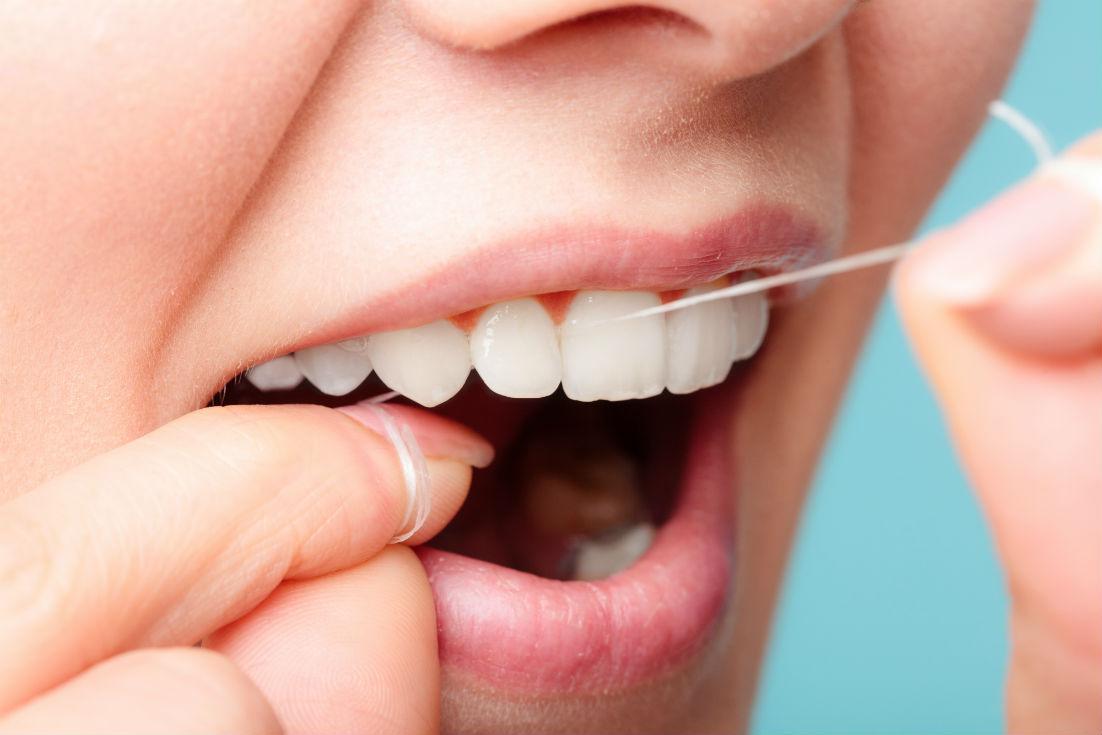
Genetic Factors
Genetics is the leading cause of protruding canine teeth. According to studies, facial characteristics—including dental features—are often passed down to the next generation. Therefore, in many cases, if parents have protruding canines, their children may also develop them.
However, whether genetically inherited protruding canines are considered attractive or unattractive depends on each individual’s natural physical characteristics.
Dental Crowding
Between the ages of 10 and 12, baby teeth are gradually replaced by permanent teeth. If baby teeth do not fall out in time while permanent teeth begin to erupt, crowding can occur, causing the canine teeth to grow in the wrong direction.
In other cases, permanent teeth may vary in size, resulting in insufficient space in the dental arch, which forces the canine tooth to protrude outward, forming a protruding canine.
Bad Childhood Habits
During childhood, children are often unaware that their actions can negatively affect their overall health, especially oral health. Certain bad habits can cause teeth to erupt incorrectly and lead to protruding canines, such as teeth grinding, tongue thrusting, pressing on erupting teeth with the hands, and similar behaviors.
Aesthetic Preferences
Many people in Eastern cultures believe that protruding canines create a charming appearance and bring good luck in love and career. As a result, some individuals seek dental clinics to intentionally create protruding canines, and this has even become a trend favored by many young people.
See more: Gum disease and 3 factors to recognize
When Should Canine Teeth Be Extracted in Vietnam?
In reality, protruding canines often make oral hygiene more difficult, increasing the risk of dental diseases and negatively affecting oral health. In addition, their chewing and grinding functions are not as effective as those of normally aligned teeth.
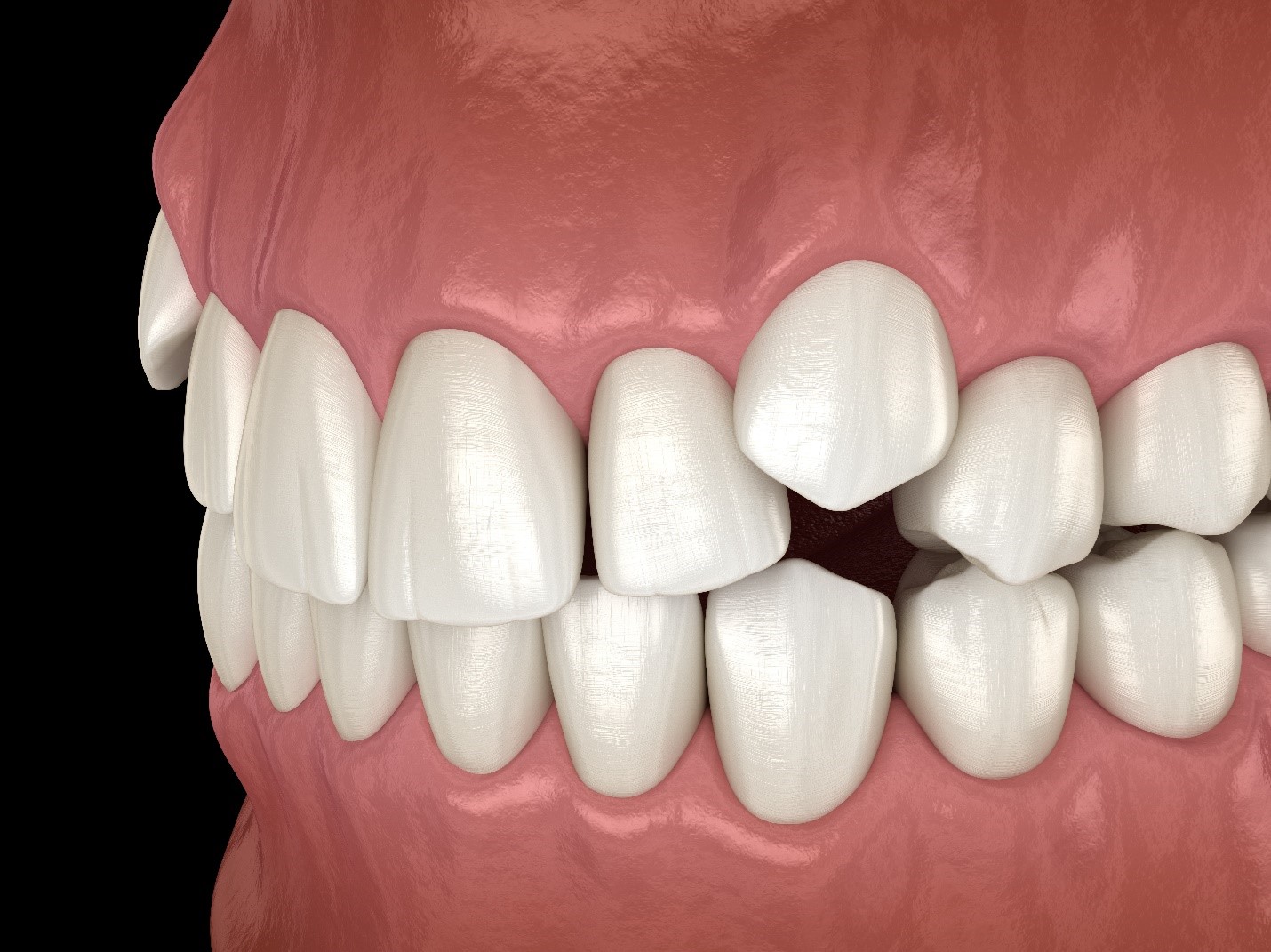
Therefore, whether protruding canine teeth in Vietnam should be extracted depends on its shape and condition. If the tooth negatively affects appearance or the overall health of the dental arch, dentists will recommend extraction.
Cases Where Extraction of a Canine Teeth Is Recommended
- The tooth causes serious dental conditions such as severe tooth decay, pulp inflammation, or gum disease that cannot be treated. These teeth not only affect aesthetics but may also spread infection to adjacent teeth or the entire dental arch.
- The tooth erupts abnormally, protrudes excessively outward, or has a size disproportionate to surrounding teeth. In such cases, chewing and eating become difficult, making orthodontic treatment or tooth extraction a necessary option.
Important Notes When Dealing with Protruding Canine Teeth in Vietnam
- Seek professional advice: Before deciding to extract or adjust a protruding canine tooth, you should consult a dentist to accurately assess your oral condition and choose the most suitable treatment option.
- Maintain proper oral hygiene: Always brush your teeth at least twice a day, use dental floss, and rinse with a specialized mouthwash to prevent harmful bacteria, whether you decide to keep or remove the protruding canine.
- Choose an appropriate method: Select a treatment approach based on your jaw structure, facial features, aesthetic goals, and personal financial situation.
- Schedule regular dental check-ups: Visit a dental clinic every 6–12 months for routine examinations to promptly detect any oral diseases or emerging issues.
- Do not extract the tooth on your own: Protruding canine extraction must be performed by a qualified dental professional to avoid complications, nerve damage, or serious jaw misalignment.
Protruding canines are not merely misaligned teeth; they also carry unique aesthetic value and personal character. Understanding them properly and providing appropriate care will help you maximize their benefits while effectively protecting your overall oral health.
See more: Essential dental equipments
Comparison of Canine Teeth Treatment in Vietnam and Other Countries
When considering treatment for canine teeth, many patients—especially international visitors—want to understand how dental care in Vietnam compares with services in other countries.
While clinical standards and treatment principles are largely consistent worldwide, differences in cost structure, accessibility, and patient experience can influence treatment decisions.
Vietnam has become an increasingly attractive destination for canine teeth treatment due to its modern dental facilities, adherence to international clinical guidelines, and patient-centered treatment planning.
| Aspect | Vietnam | Other countries (Thailand / China / South Korea) |
|---|---|---|
| Diagnostic approach | Digital X-rays, bite analysis, conservative planning | Similar diagnostic standards |
| Treatment philosophy | Tooth preservation prioritized | Tooth preservation prioritized |
| Orthodontic correction | Widely available, cost-effective | Widely available, higher cost |
| Extraction decision | Used only when clinically necessary | Same clinical indication |
| Treatment cost | More accessible for most patients | Significantly higher |
| Aesthetic customization | High focus on facial harmony | High aesthetic standards |
| Suitability for dental tourism | Very high | Limited due to cost |
The main difference lies in treatment accessibility and overall affordability, which allows patients in Vietnam to receive comprehensive care without compromising quality.
For individuals seeking reliable canine teeth treatment with internationally aligned protocols, Vietnam offers a balanced combination of clinical expertise, modern technology, and patient-friendly costs.
Customer Story – Minh’s Journey with Protruding Canine Teeth in Vietnam
Minh, a 26-year-old graphic designer in Ho Chi Minh City, had always been told that his slightly protruding canine teeth gave him a distinctive charm. Among friends, it was even seen as a unique and lucky feature. However, as Minh transitioned into a more client-facing role at work, he began to feel increasingly self-conscious. During meetings and presentations, he noticed that his smile looked uneven, especially because one upper canine protruded more than the other, subtly affecting his facial symmetry and confidence in communication.
Over time, Minh also started experiencing practical issues beyond aesthetics. Food frequently became trapped around the protruding tooth, making oral hygiene more difficult. Despite regular brushing, he occasionally experienced gum irritation in that area. He also noticed slight wear on nearby teeth, which made him concerned about potential long-term damage. What initially seemed like a minor cosmetic trait gradually became a functional concern that affected his daily comfort.
During a routine dental visit, Minh finally received a clear explanation. His dentist pointed out that the protruding canine was not only affecting his smile but also disrupting his bite alignment. If left untreated, this imbalance could lead to accelerated enamel wear and increased risk of dental problems in the future. Instead of recommending immediate extraction, the dentist proposed a conservative and personalized treatment plan focused on preserving his natural tooth structure. This included orthodontic treatment to gradually reposition the canine, combined with bite correction and regular monitoring.
At first, Minh found the adjustment period slightly uncomfortable, especially during the early stages of wearing braces. However, as the months passed, he began to notice steady improvements. His bite became more balanced, chewing felt more natural, and cleaning his teeth became significantly easier. Most importantly, his smile started to look more harmonious without losing its natural character.
After completing treatment, Minh realized that the change went far beyond appearance. He felt more confident speaking in front of clients, smiling in photos, and interacting in everyday situations. Looking back, he shared that what he once considered just a cosmetic issue turned out to be something that impacted both his oral health and overall quality of life.
Minh’s story highlights that protruding canine teeth in Vietnam are not always just an aesthetic feature. In many cases, they can influence bite function, oral hygiene, and long-term dental health. With the right diagnosis and a carefully planned treatment approach, patients can achieve a balanced smile while still preserving their natural teeth and personal identity.
BeDental – Dental Services and Professional Care for Canine Teeth in Vietnam
At BeDental, dental services in Vietnam are provided with a strong focus on safety, clarity, and long-term oral health. Each patient begins with a comprehensive consultation, allowing dentists to assess oral condition, functional needs, and aesthetic goals before recommending any treatment.
Whether preserving, aligning, or treating canine teeth, BeDental focuses on long-term oral health, functional balance, and natural aesthetics.
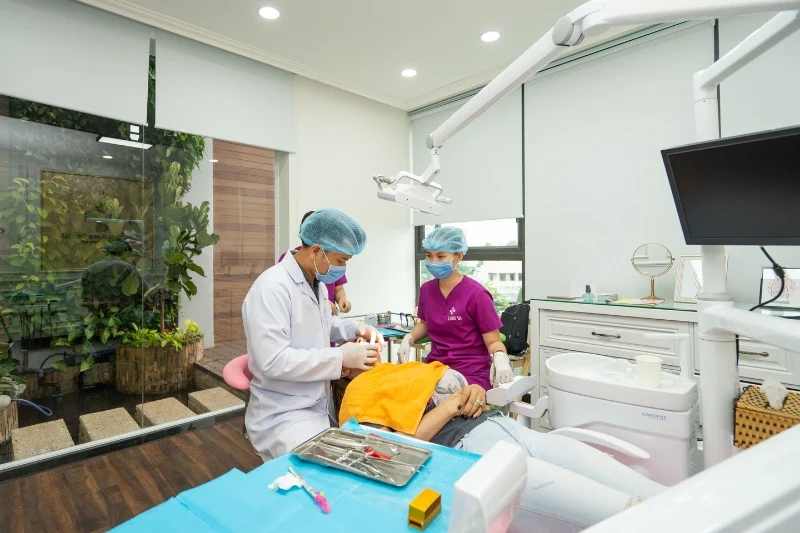
For patients concerned about canine teeth in Vietnam, BeDental provides personalized care plans designed to protect both smile beauty and overall dental well-being.