

Câu chuyện khách hàng
Vietnam Arrival Card 2026: How to Fill, Requirements & Entry Tips
Th5

As international travel continues to grow, entry procedures into Vietnam are becoming more structured and increasingly digital. In addition to visas, travelers may now encounter a new requirement known as the Vietnam arrival card, which plays an important role in the immigration process. While many visitors are familiar with visa applications, the arrival card is often less understood, leading to confusion about whether it is mandatory, how it works, and how it differs from a visa.
In reality, the arrival card is not a replacement for a visa but an additional layer designed to improve how travelers are processed at the border. By collecting trip-specific information such as flight details and accommodation in advance, Vietnam can reduce congestion at immigration counters, verify traveler data more efficiently, and align with global trends in digital border control. Understanding how the arrival card works—when it is required, what information to provide, and how to complete it correctly—can make a significant difference in ensuring a smooth and stress-free entry experience.
1. What is Vietnam Arrival Card & How It Differs from Visa
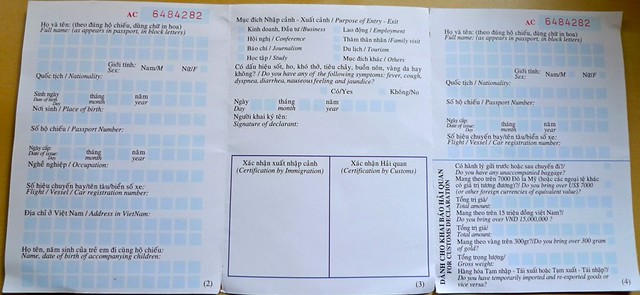
The Vietnam arrival card is a form used to collect essential travel and personal information from international visitors entering Vietnam. Traditionally, this was a paper form filled out on the plane or at the airport. In 2026, it is increasingly being replaced by a digital pre-arrival declaration, where travelers submit their details online and receive a QR code before arrival.
It is important to understand that the arrival card is not a visa. A visa is an official authorization that determines whether you are allowed to enter Vietnam. In contrast, the arrival card is a data collection and verification tool used at the border. While the visa answers the question “Are you allowed to enter?”, the arrival card answers “Who are you, where are you going, and what are you doing during this specific trip?”. Both are used together, but they serve completely different roles in the entry process.
Comparison: Information Required (Arrival Card vs. Visa)
| Information Category | Arrival Card | Visa |
| Full name & personal details | Required | Required |
| Passport number & nationality | Required | Required |
| Date of birth | Required | Required |
| Flight number & arrival time | Required | Not required |
| Entry port (airport/border) | Required | Required |
| Accommodation in Vietnam | Required | Sometimes required |
| Purpose of visit | Required (for verification) | Required (for approval) |
| Length of stay | Required (based on trip) | Required (for visa validity) |
| Visa number / approval reference | Required (to match entry) | Generated after approval |
| Health / customs declaration | May be required | Not required |
The reason Vietnam is adding this extra layer is largely driven by the rapid growth of international travel. With tens of thousands of passengers arriving daily at major airports, relying only on manual checks creates congestion and delays. By requiring travelers to submit information in advance, authorities can process data earlier, reduce bottlenecks at immigration, and improve overall efficiency. At the same time, digital arrival cards allow better tracking, faster verification through QR codes, and alignment with global trends in border control systems used by countries like Singapore and Thailand.
In short, the arrival card does not replace the visa—it enhances the entry process by making it faster, more organized, and more scalable for a growing number of travelers entering Vietnam.
2. Is a Vietnam Arrival Card Mandatory in 2026?
The requirement for a Vietnam arrival card in Vietnam in 2026 is not fully universal yet, but it is clearly moving toward becoming a standard part of the entry process.
At present, the arrival card—especially in its digital form—is mandatory only in locations where the system has been implemented, mainly at high-traffic international airports. In these cases, travelers are required to complete a pre-arrival declaration online and present a QR code upon arrival. Airlines or immigration officers may check this before boarding or at the border.
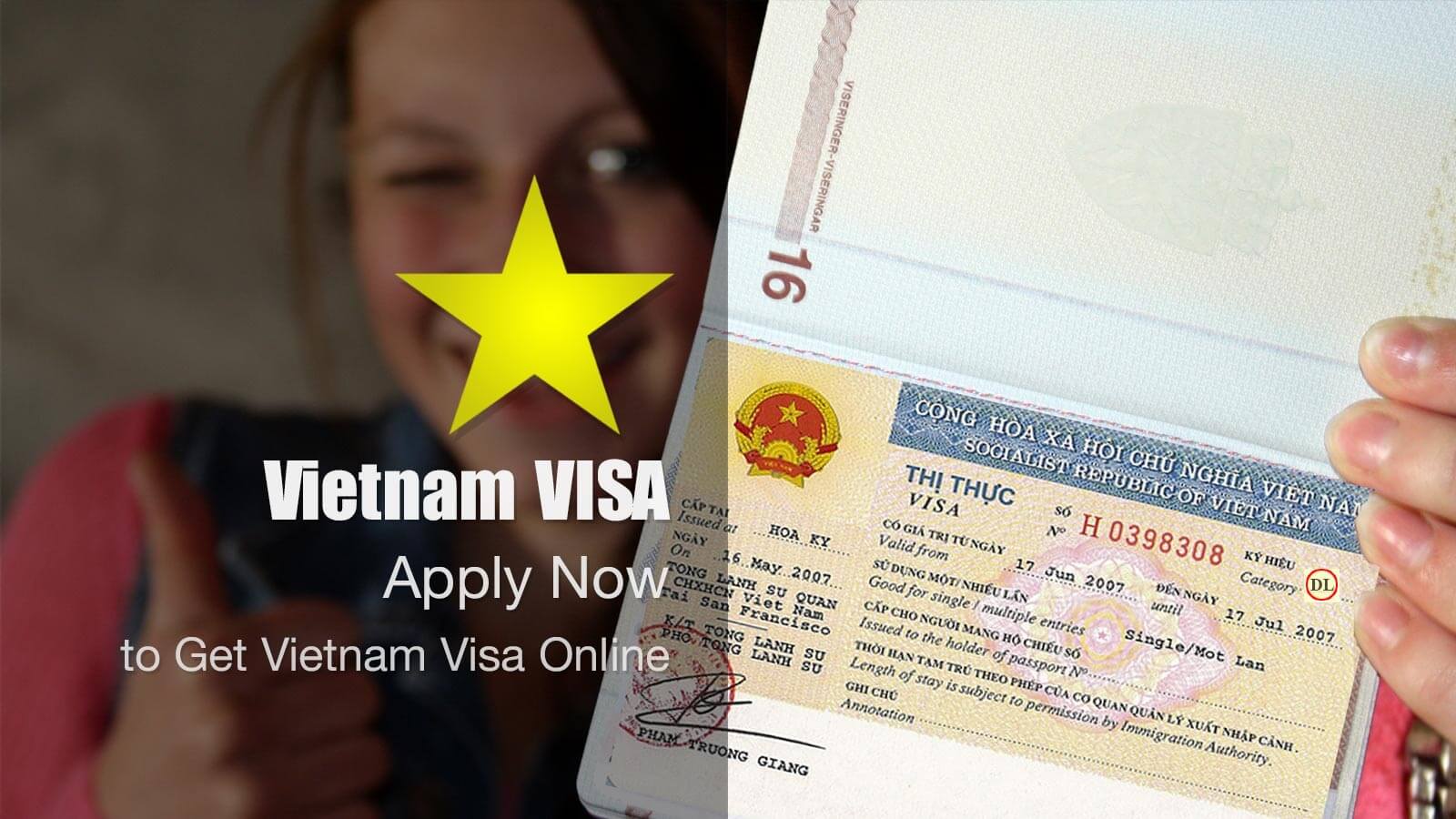
However, because the system is still being rolled out, there are situations where travelers may not be required to complete it, particularly at entry points where the digital system has not yet been applied. This creates a transitional phase where requirements can vary depending on the airport, timing, and operational updates.
Despite this inconsistency, the overall direction is clear. Vietnam is gradually aligning with regional practices seen in countries like Singapore and Thailand, where digital arrival declarations are standard. As international arrivals continue to grow, expanding the arrival card system nationwide helps improve processing speed, reduce congestion, and strengthen border management.
In practical terms, travelers should treat the arrival card as potentially mandatory. Even if it is not strictly required in every case today, completing it in advance—when available—is the safest way to avoid delays or issues when entering Vietnam.
3. Vietnam Arrival Card Requirements
To complete the arrival card for entry into Vietnam, travelers need to provide a set of basic but trip-specific information. Although the process is simple, accuracy is important because this data is used for verification at immigration.
The required information typically includes personal and passport details such as full name, date of birth, nationality, and passport number. In addition, travelers must provide flight information, including arrival flight number and expected arrival time, along with the entry port they will use. Another key requirement is the address of accommodation in Vietnam, which should reflect where you plan to stay at least for the first part of your trip. You will also need to state the purpose of visit, such as tourism or business, to ensure it aligns with your visa type.
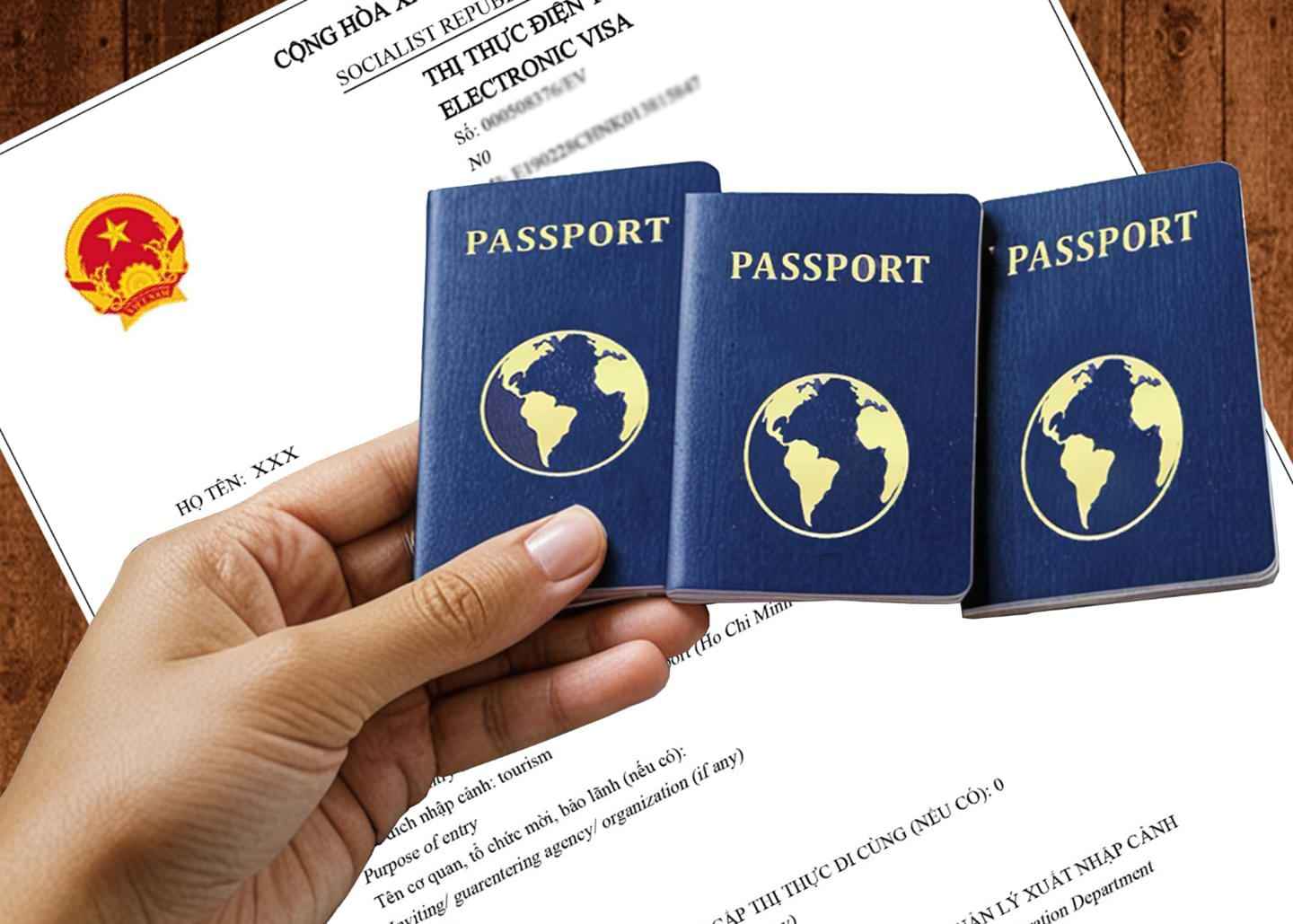
In terms of timing, the arrival card can usually be completed before departure through an online system, which is the recommended approach. This allows authorities to process your information in advance and speeds up the entry process. In some cases where the digital system is not applied, travelers may still be able to complete the form upon arrival, but this can lead to longer waiting times at immigration.
After submission, the system typically generates a digital confirmation, often in the form of a QR code or reference number. Travelers should save this on their mobile device and ideally keep a printed copy as a backup. This confirmation will be presented together with your passport and visa during immigration checks in Vietnam.
4. How to Fill Vietnam Arrival Card (Step-by-Step)
Filling out the arrival card for entry into Vietnam is a simple process, but it requires careful attention to detail to avoid issues at immigration.
- The first step is to access the official declaration system (if available) and begin entering your personal and passport information. This includes your full name, date of birth, nationality, and passport number. All details must match your passport exactly, as discrepancies can lead to delays during verification.
- Next, you provide your travel information, including your flight number, arrival date, and selected entry port. You will also need to enter your accommodation details in Vietnam, typically the address of your hotel or residence for the first days of your stay.
- After completing the required fields, you review all information carefully before submission. Accuracy is critical because the system uses this data to match your visa and entry records.
Once submitted, you will receive a confirmation, usually in the form of a QR code or digital reference. You should save this on your phone and keep a printed copy if possible. This confirmation will be presented at immigration together with your passport and visa when you arrive in Vietnam.
5. How It Works at Immigration
Upon arrival, the arrival card becomes part of the verification process at the border. Travelers will present their passport, visa, and arrival card confirmation (QR code) to immigration officers.
The system allows officers to quickly check and match your submitted information with your visa details. They may verify your identity, confirm your travel purpose, and ensure that your declared information is consistent. In most cases, if everything matches, the process is fast and straightforward.
However, if there are inconsistencies—such as different travel dates, unclear accommodation details, or mismatched personal information—you may be asked additional questions or directed to a secondary check.
Overall, the arrival card helps streamline the immigration process in Vietnam by reducing manual checks and enabling faster, data-driven verification at entry points.
6. FAQs About Vietnam Arrival Card
Travelers entering Vietnam often have questions about how the arrival card works in practice, especially in relation to visas and airport procedures.
Is it required for eVisa holders?
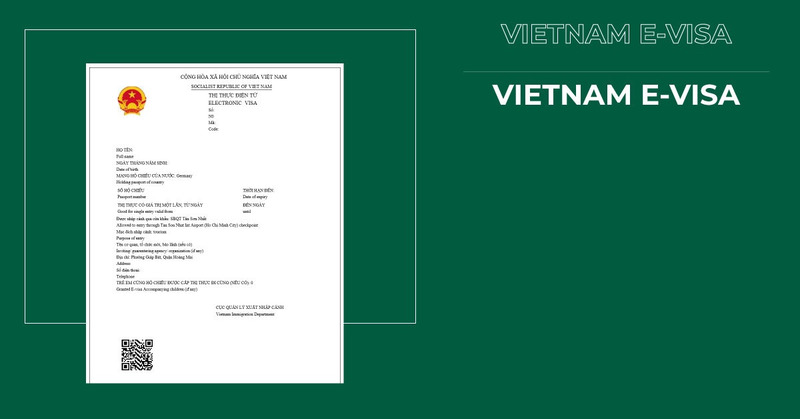
Yes, it can still be required. Even if you already have a valid eVisa, the arrival card is a separate step used for entry processing. If the airport you are arriving at has implemented the system, you will need to complete it regardless of your visa type.
Can I fill it at the airport?
In some cases, yes. If the digital system is not strictly enforced or if there is a fallback option, you may be able to complete the form upon arrival. However, this is not recommended because it can lead to longer waiting times or delays, especially during peak hours.
What happens if I don’t complete it?
If the arrival card is required and you have not completed it, you may be asked to fill it in on the spot, which can slow down your entry process. In stricter cases, airlines may require proof of completion before boarding, meaning you could face delays even before departure.
Does it replace a visa?
No. The arrival card does not replace a visa. A visa determines whether you are allowed to enter Vietnam, while the arrival card is used to verify and manage your entry at the border. Both serve different purposes and are used together during the immigration process.
Conclusion
The Vietnam arrival card is gradually becoming an integral part of the entry process into Vietnam, especially as the country moves toward a more digital and efficient immigration system. Although it is not yet fully mandatory in all cases, its role is clear: to support faster processing, improve data accuracy, and enhance overall border management.
Unlike a visa, which determines your eligibility to enter the country, the arrival card focuses on validating and updating your travel information at the point of entry. Together, these two elements create a more reliable and streamlined system that benefits both travelers and immigration authorities.
For visitors, the key takeaway is simple: always check whether the arrival card is required for your trip and complete it in advance whenever possible. Doing so helps avoid unnecessary delays and ensures a smoother arrival experience. As Vietnam continues to modernize its entry procedures, being prepared with both your visa and arrival card will be essential for hassle-free travel.
BeDental – A Leading Dental Clinic for International Travelers in Vietnam
BeDental offers high-quality dental services for international travelers visiting Vietnam, combining modern technology with experienced dentists. Our services include general and cosmetic dentistry, dental implants, teeth whitening, and smile makeovers, all performed to international standards.
Designed for tourists, BeDental provides flexible appointments, English-speaking staff, and personalized treatment plans that fit travel schedules. With competitive pricing and convenient locations, BeDental allows visitors to improve their smile while enjoying their trip to Vietnam.