

Câu chuyện khách hàng
Apply Vietnam Visa Online: Step-by-Step Guide, Fees & Approval Time
Th5

Applying for a Vietnam visa online is one of the most important steps when planning a trip to Vietnam, especially as the country continues to attract over 21 million international visitors annually. Among all available options, the online eVisa system has become the most widely used due to its convenience, speed, and fully digital process. However, while the application may look simple on the surface, many travelers still face delays or rejections because they overlook key technical details such as document quality, data consistency, and processing logic.
This guide breaks down the Vietnam eVisa process in a more advanced and practical way—not just explaining how to apply, but also what actually affects approval, what hidden costs exist, and how real processing works behind the system. By understanding these deeper factors, travelers can significantly improve their chances of a smooth approval and avoid common mistakes that often lead to unnecessary delays.
1. What Makes Vietnam Visa Online Different in 2026
The Vietnam visa online system in Vietnam has evolved rapidly alongside the country’s booming tourism industry. After being introduced as a limited pilot program, it has now become the primary entry method for international travelers. In 2025, Vietnam welcomed over 21.2 million international visitors, while early 2026 recorded around 6.7 million arrivals in the first quarter alone, confirming strong growth momentum. With peak months reaching millions of arrivals, the pressure on border control systems has significantly increased.
Evolution from Pilot Program to Main Entry System
Originally, the eVisa system was restricted in terms of eligible nationalities, entry points, and validity duration. By 2026, it has expanded to support nearly all nationalities, offer validity of up to 90 days, and include both single-entry and multiple-entry options. This transformation reflects a strategic shift toward simplifying entry procedures while scaling up to meet global travel demand.
Why Vietnam Visa Online Replaces Traditional Visa Methods
The Vietnam visa online has largely replaced traditional visa options because of its fully digital and pre-approved process. Travelers no longer need to visit embassies or complete visa procedures upon arrival. With millions of visitors entering Vietnam each year, removing manual steps helps reduce airport congestion and improves processing efficiency. For most short-term trips, the eVisa is now the fastest, simplest, and most predictable option.
Key Limitations Travelers Often Overlook
Despite its advantages, the Vietnam visa online still comes with important limitations. It is tied to specific entry points, meaning travelers must enter through the exact location stated in their application. It also requires absolute accuracy in personal and travel information, as even small errors can lead to rejection or delays. In addition, the eVisa may not be suitable for cases such as urgent travel, long-term stays, or more complex travel plans that require flexibility beyond standard conditions.
2. Eligibility & Hidden Requirements- Vietnam visa online
Broad Eligibility, But Not Guaranteed Approval- Vietnam visa online
The eVisa system of Vietnam is now open to nearly all nationalities, making it one of the most accessible visa systems in Asia. This expansion aligns with Vietnam’s strong tourism growth, with over 21.2 million international visitors in 2025 and millions more expected in 2026. However, eligibility does not guarantee approval. Because the system processes millions of applications each year, it relies heavily on automation and strict data consistency, meaning even small mistakes can lead to delays or rejection.
Hidden Requirements That Actually Affect Approval
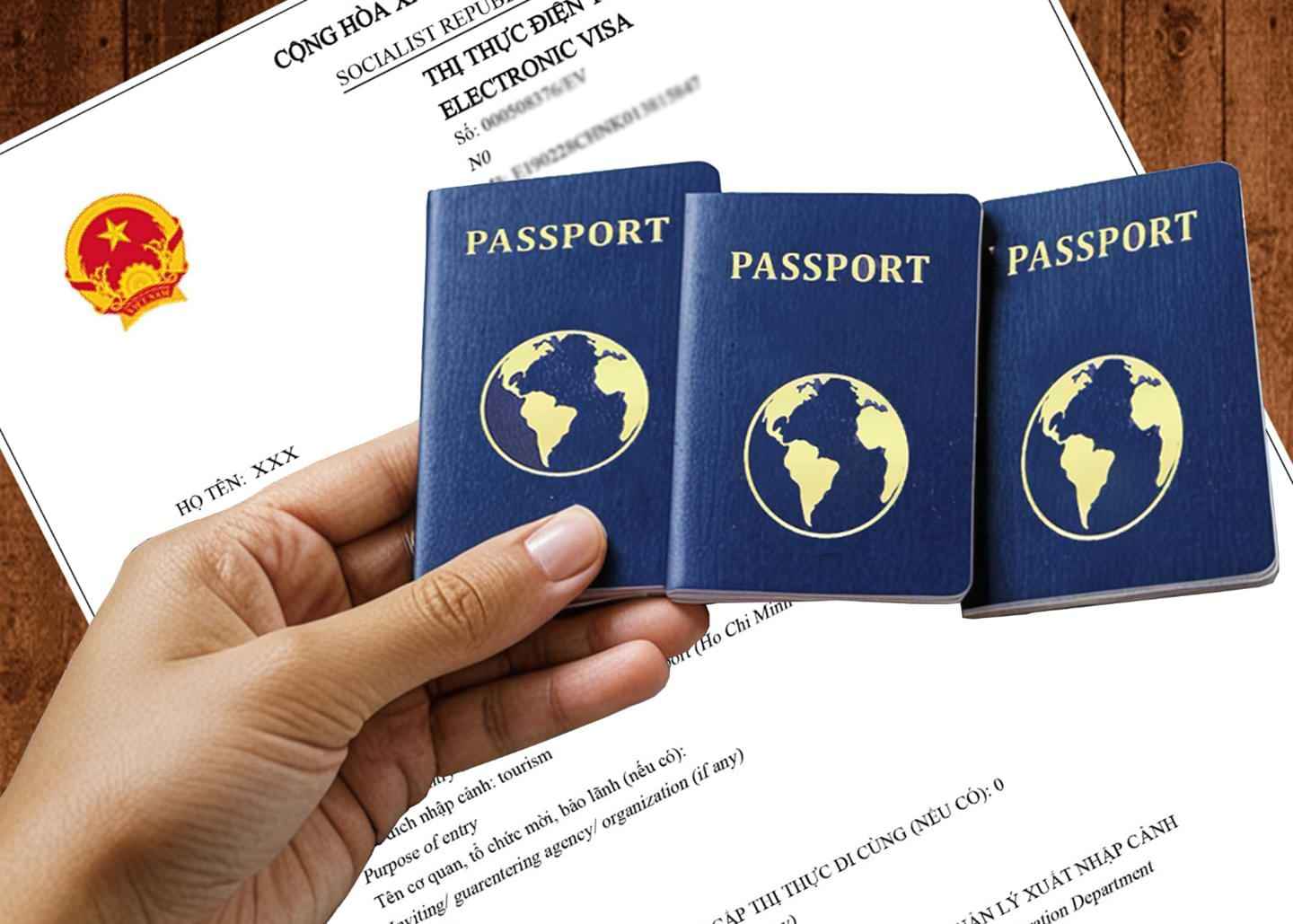
In practice, the most important factors are not the basic requirements, but how accurately you meet them. For example, while the official rule requires a passport valid for at least 6 months, travelers with exactly 6 months validity may still face issues if their stay is long. A typical case is someone applying for a 90-day visa with a passport close to expiry—technically valid, but risky during immigration checks. Similarly, all personal information must match the passport exactly. A traveler entering “John Smith” instead of “SMITH JOHN” may trigger a mismatch in the system, even though both refer to the same person.
Another critical limitation is the fixed entry point. The airport or border selected during application is embedded in the visa and cannot be freely changed. For instance, if a traveler applies to enter via Hanoi but later lands in Ho Chi Minh City, they may face delays or even be denied entry. In addition, document quality directly affects processing time. A blurry passport scan or unclear photo can push the application into manual review, extending approval beyond the standard 3–5 working days.
When Vietnam Visa Online May Not Be Suitable
Despite its convenience, the eVisa is designed for simple, short-term travel. It may not work well in certain situations. For example, travelers with dual nationality must use the same passport throughout the process—applying with one passport and entering with another can cause verification issues. Those traveling urgently may not receive approval in time, while holders of diplomatic or official passports typically need to apply through embassies. Likewise, travelers planning long-term stays, work, or complex itineraries may find the eVisa too limited for their needs.
3. Step-by-Step Application (With Critical Notes)
Official Portal Access (Avoiding Fake Websites)
To apply for the eVisa of Vietnam, travelers must use the official government immigration portal. This step is critical because there are many third-party websites that look legitimate but charge extra service fees or collect unnecessary personal data. The safest approach is to access the site directly from official government domains and avoid links from ads or social media promotions. A common mistake is paying on unofficial pages, only to later discover the application was never submitted.
Filling the Form (Fields That Commonly Cause Rejection)
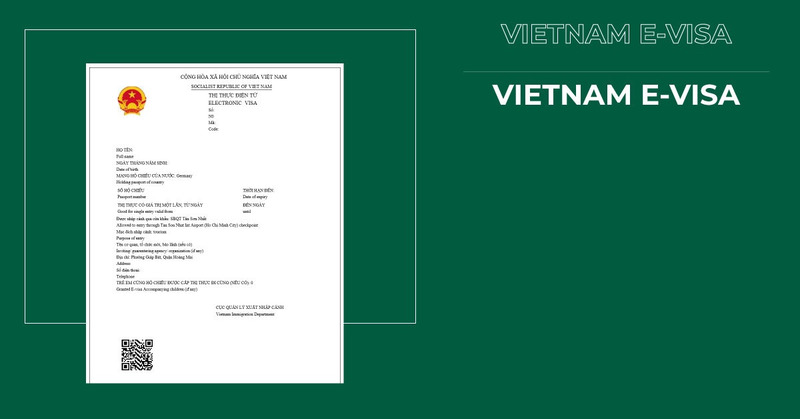
The application form is simple, but certain fields are highly sensitive. Most rejections come from small inconsistencies rather than missing information. For example, incorrect name order, wrong passport number format, or mismatched nationality can trigger automatic rejection or manual review. Another frequent issue is selecting the wrong entry port compared to actual travel plans. Even minor typos in passport details can cause the system to fail verification.
Uploading Documents (Technical Specifications Matter)
Applicants must upload a clear passport scan and a passport-style photo. The system is strict about image quality because it uses automated reading tools. The passport page must be fully visible, with no glare or shadows, and the Machine Readable Zone (MRZ) must be readable. The photo should have a plain background and show a neutral facial expression. Blurry or cropped images are one of the most common reasons applications are delayed or rejected.
Payment Step (Common Failures and Fixes)- Vietnam visa online
After submitting the form, applicants pay the visa fee online. Payment failures are often caused by international card restrictions, currency conversion issues, or bank security blocks. In many cases, the transaction is successful on the bank side but not confirmed on the visa system. If this happens, applicants should wait before retrying or use an alternative card, as repeated attempts may create duplicate records.
Tracking Application Status (How It Actually Works)
After submission, the application enters a processing queue. Applicants can track the status using their registration code or passport number. Status updates typically move from “processing” to “approved” within 3–5 working days, although peak travel seasons in Vietnam may extend this timeframe. It is important to avoid resubmitting the application unless explicitly instructed, as duplicates can slow down processing.
4. Vietnam Visa Fees Explained (Beyond Official Price)
Official Government Fees (Single vs. Multiple Entry)
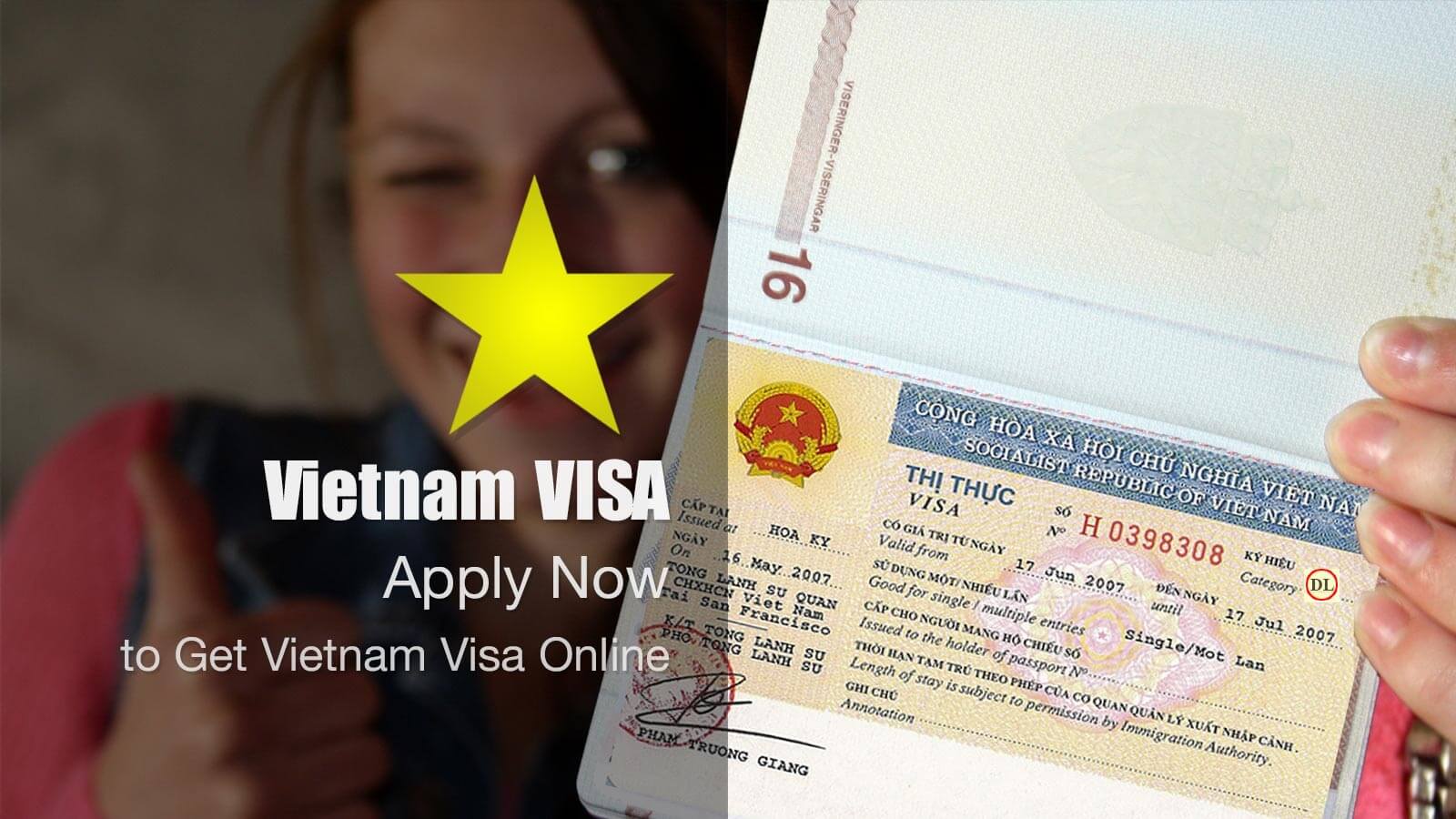
The official visa fee for entering Vietnam through the eVisa system is relatively straightforward but depends on visa type. As of recent regulations, a single-entry eVisa typically costs around 25 USD, while a multiple-entry eVisa is around 50 USD. Both options usually allow stays of up to 90 days, but differ in how many times you can enter and exit during the validity period.
For example, a tourist entering once for a 2-week holiday would choose a single-entry visa, while a business traveler moving between Vietnam and neighboring countries like Thailand or Cambodia would benefit from a multiple-entry option.
Hidden Costs (What Travelers Often Don’t Expect)
Although the official fee is fixed, the real cost can be higher due to additional factors. Many travelers pay through international cards, which may add bank processing fees of 2–5% per transaction. Currency conversion can also slightly increase the total cost depending on exchange rates.
Another common hidden cost comes from third-party visa agencies, which often charge service fees ranging from 10 USD to 50 USD or more for “fast processing” or “application support.” While not mandatory, many travelers use these services to avoid mistakes, especially first-time applicants. Example: A traveler paying the official 25 USD fee may end up spending 30–40 USD in total after bank charges, or 50–70 USD if using a visa service platform.
Why Visa Fees Are Non-Refundable (System Logic)
One important rule of the Vietnam visa system is that fees are strictly non-refundable, even if the application is rejected or canceled. This is because the fee is not only for approval, but also for processing, verification, and system handling costs.
In practice, every application in Vietnam goes through automated screening and, in many cases, manual review. This means resources are already used once submission begins, regardless of the outcome.
Example: If a traveler submits incorrect passport details and gets rejected, the system still retains the processing fee because administrative resources were already allocated to review that application.
5. Processing Time – What Actually Affects Approval- Vietnam visa online
Standard Timeline vs. Real-World Cases
The official processing time for the visa system in Vietnam is usually 3–5 working days. This is the “standard promise” for most applications, especially when documents are clear and information is correct.
However, in real-world cases, the timeline can vary. Some applicants receive approval in 1–2 days if everything is perfectly aligned and automatically approved by the system. On the other hand, others may wait 7–10 days or longer if their application is flagged for manual review due to inconsistencies or unclear documents.
Peak Seasons and Processing Delays
Processing speed is heavily influenced by travel demand. During peak tourism periods—such as summer holidays or Lunar New Year—Vietnam receives millions of international arrivals per month, which increases system load.
For example, during high season, even simple applications may move slower because the system prioritizes queue management. A form that normally takes 3 days might extend to 5–7 days simply due to volume, not because of errors.
Manual Review vs. Auto Approval Cases
Not all applications are processed the same way. There are two main paths:
- Auto approval: If all data is clean and consistent, the system approves quickly without human intervention. These cases are usually fast (1–3 days).
- Manual review: If there are issues such as unclear passport scans, name mismatches, or unusual travel details, the application is sent for human checking. This can significantly extend processing time.
Example: A traveler uploads a slightly blurry passport photo → system cannot read MRZ → application goes to manual review → processing extends from 3 days to 7+ days.
Best Timing Strategy (When to Apply)- Vietnam visa online
To avoid stress, timing is very important. Although the minimum Vietnam visa online processing time is 3 days, the safest strategy is to apply at least 10–15 days before departure.
This buffer helps cover:
- Peak season delays
- Manual review cases
- Payment or technical issues
- Unexpected corrections
Example: A traveler flying on July 20 should ideally apply between July 1–5, not at the last minute, even if the system claims “3–5 working days.”
6. Real Problems & How to Handle Them
Application Stuck or Pending Too Long
One of the most common issues in the visa system of Vietnam is when the application stays in “processing” status longer than expected (beyond 5–7 working days). This usually happens when the application is pulled into manual review due to unclear documents, data mismatch, or peak-season overload. Example: A traveler applies 2 weeks before departure but sees no update after 6 days. In most cases, this is not a rejection—it simply means the application is in a verification queue.
How to handle it: Do not resubmit immediately. Wait until at least 7 working days, then check status using your application code. If still stuck, re-check for possible email updates or system notifications.
Payment Completed but No Confirmation
This happens when the bank processes the payment but the visa system does not update immediately. Example: A traveler is charged on their credit card, but the application still shows “unpaid” or “pending payment.”
How to handle it: Wait 24–48 hours before retrying. In many cases, the system syncs later. If not, contact support with payment proof instead of making duplicate payments, which can create confusion.
Wrong Information After Submission
Once submitted, most data cannot be edited. Example: A traveler realizes they entered the wrong passport number or entry date after submission.
How to handle it: In most cases, the only solution is to submit a new application with correct details. The old one may still be processed, but only the correct one should be used for travel.
Visa Approved but Travel Plan Changed
This is a practical issue many travelers face when plans shift after approval. Example: Visa is approved for entry on July 10 via Hanoi, but the traveler now wants to arrive on July 15 in Ho Chi Minh City.
How to handle it: The visa remains valid only for the original conditions. If the entry date or port changes significantly, a new eVisa is usually required.
Common Reasons Travelers Get Stopped at Entry
Even with an approved visa, entry into Vietnam is not automatic. Immigration officers may stop or question travelers due to:
- Name mismatch between passport and visa
- Incorrect entry port usage
- Unclear purpose of visit
- Missing supporting documents (return ticket, accommodation proof)
Example: A traveler with a valid visa arrives at a different airport than declared → immigration may ask for clarification or delay entry processing.
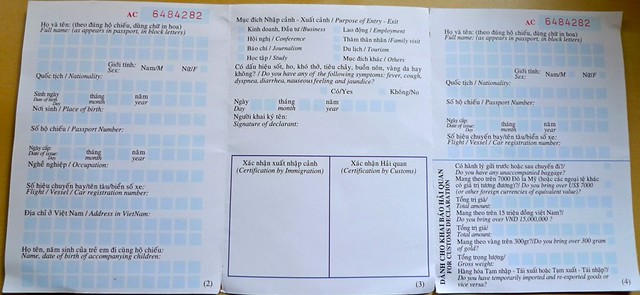
Relationship Between Visa, Arrival Card & Real Trip
Your visa, arrival card, and actual travel plan must all align. The visa defines legal entry permission, the arrival card confirms travel details, and the real trip must match both.
Example:
- Visa: Entry Hanoi, July 10
- Arrival card: Same details
- Actual arrival: Ho Chi Minh City on July 12
→ This mismatch can cause delays or questioning at immigration.
7. FAQs (Advanced Level)- Vietnam visa online
Can I reapply immediately after rejection?
Yes. You can submit a new application immediately after a rejection in Vietnam. However, reapplying without correcting the original issue will likely result in another rejection. It is important to fix the exact reason for refusal before submitting again.
Can I hold multiple valid visas at the same time?
In practice, the system may allow multiple applications, but only one visa is typically used for entry purposes. Immigration will prioritize the visa linked to your current travel record.
What if I enter later than planned?
You can still enter later than your planned date as long as your arrival is within the valid visa period. The visa remains valid based on the approved timeframe, not the exact intended travel date.
Can I extend or convert my Vietnam Visa Online?
Extension or conversion of a Vietnam visa online is not always guaranteed. In many cases, travelers may need to apply through immigration authorities or exit and reapply depending on their purpose of stay.
Conclusion
The Vietnam visa online system is designed to make international travel faster and more accessible, but it is not entirely “risk-free” or automatic. While the official steps are simple—submit, pay, and wait—the real outcome depends heavily on accuracy, consistency, and timing. Small errors in personal data, unclear documents, or poorly planned submissions can easily affect processing speed or lead to rejection.
At the same time, understanding the system’s hidden logic—such as peak-season delays, manual review triggers, and strict entry conditions—helps travelers prepare more effectively. When approached correctly, the eVisa is one of the most efficient entry methods in Asia, allowing millions of visitors to enter Vietnam smoothly each year.
Ultimately, successful approval is less about complexity and more about precision. Travelers who prepare carefully, follow the correct process, and align their travel details properly will find the Vietnam eVisa system both fast and reliable for entering Vietnam.
BeDental – A Leading Dental Clinic for International Travelers in Vietnam
BeDental offers high-quality dental services for international travelers visiting Vietnam, combining modern technology with experienced dentists. Our services include general and cosmetic dentistry, dental implants, teeth whitening, and smile makeovers, all performed to international standards.
Designed for tourists, BeDental provides flexible appointments, English-speaking staff, and personalized treatment plans that fit travel schedules. With competitive pricing and convenient locations, BeDental allows visitors to improve their smile while enjoying their trip to Vietnam.